Introduction
Applying skincare in the correct sequence may help products layer more evenly and feel more comfortable on the skin. Many people invest in quality serums and creams but apply them in an order that affects how the products feel and spread.
Skincare does not need to be complicated to support visible cosmetic improvements. A consistent routine built around straightforward steps creates a dependable foundation for your complexion. Timeless Skin Care was founded in 2009 by Veronica Pedersen to focus on clean formulas and active ingredients made in the USA in small batches. Understanding the logic behind product order helps you make the most of every step in your daily regimen and learn more about Timeless Skin Care.
Quick Answer: Apply your products from thinnest consistency to thickest consistency. Start with water-based liquids and serums, move to creams or lotions, and always finish your morning routine with broad-spectrum sunscreen.
The Fundamental Rule of Skincare Layering
The standard rule for applying skincare is to work from the thinnest texture to the thickest texture. Water-based formulas are generally lighter, while oil-based formulas and heavier creams are generally richer and may sit longer on the skin. If you place a heavy cream on first, a lightweight liquid may not layer as evenly.
Cleansing generally comes first because it removes excess sebum, environmental residue, and surface impurities. Once the skin is clean, water-soluble hydrators and targeted antioxidant serums can be applied to the skin. Emulsions and face creams generally follow to add moisture and help reduce moisture loss, while facial oils may come later.
For additional guidance, read our article about how to layer multiple serums.
| Product Type | Base Formula | Primary Function | Application Order |
|---|---|---|---|
| Water-Based Cleanser | Water / Surfactant | Clears surface oil, dirt, and makeup | Step 1 |
| Hydrating Toner or Mist | Water / Humectant | Preps the skin surface for serums | Step 2 |
| Lightweight Serum | Water / Active | Delivers concentrated functional ingredients | Step 3 |
| Emulsion or Eye Cream | Water-in-oil / Light cream | Targets delicate areas or adds light moisture | Step 4 |
| Daily Moisturizer | Rich emulsion / Occlusive | Helps reduce moisture loss | Step 5 |
| Facial Oil | Pure lipid blend | Softens surface texture and supports barrier lipids | Step 6 (PM only) |
| Broad-Spectrum Sunscreen | Mineral or chemical filter | Defends skin against UV radiation | Step 6 (AM only) |
Consistency and texture often help determine placement more than marketing labels do. When evaluating a new product, observe how fluid it feels between your fingers. If it runs like water, it often suits the start of your routine. If it holds its shape like a lotion or butter, it often suits the end.


Morning Skincare Order: Step-by-Step Guide
Your morning regimen focuses on defense, hydration, and environmental prep. Throughout the day, your face encounters sunlight, ambient dirt, and dry indoor air. Arranging your morning steps properly can help support hydration and daytime protection.
- Cleanse your face. Wash away sweat, excess sebum, and overnight product residue with lukewarm water and a gentle cleanser.
- Apply a hydrating toner or mist. A liquid humectant prepares the outer skin layers. Sodium hyaluronate is the sodium salt of hyaluronic acid and is a humectant used in this type of product. Hyaluronic acid helps attract, bind, and retain water in the outer layers of the skin. See the Ingredient Glossary for ingredient definitions.
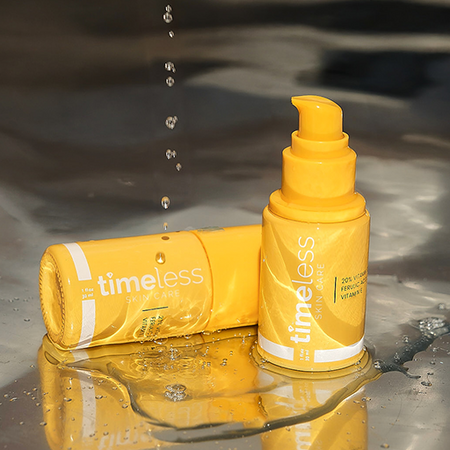
- Smooth on an antioxidant serum. For an example of this product category, explore our 20% Vitamin C + E Ferulic Acid Serum. Morning use is the most common recommendation, not the only option. Vitamin C helps brighten the look of dullness and uneven tone. An antioxidant serum helps defend against oxidative stress caused by environmental factors such as UV exposure and pollution.
- Dab on eye cream. The skin surrounding the orbital bone is thin and delicate. Using your ring finger, gently pat a pea-sized amount along the orbital bone without pulling on the skin.
- Apply a daily moisturizer. Moisturizing formulas contain emollients and light occlusives. A quality daily moisturizer helps reduce transepidermal water loss (TEWL), the water that evaporates from the skin's surface.
- Finish with broad-spectrum sunscreen. Sun protection is the final skincare step before makeup. Apply an adequate layer of broad-spectrum SPF 30 or higher across your face, neck, and ears at least fifteen minutes before sun exposure.
Key Takeaway: Daily broad-spectrum sunscreen is non-negotiable. Antioxidant serums complement daytime routines, but they do not replace dedicated UV filters.
Evening Skincare Order: Step-by-Step Guide
Nighttime allows your routine to shift toward hydration support, comfort, and moisture support. Because you do not need sunscreen at night, you can layer richer creams, face oils, or targeted peptide formulas.
- Remove makeup and sunscreen. If you wear long-wearing makeup or water-resistant sunscreen, begin with an oil-based cleanser or cleansing balm to break down the lipid-soluble surface film.
- Cleanse thoroughly. Follow with a water-based face wash to lift away any lingering impurities. This double-cleansing process can help leave the skin clean for nighttime treatments.
- Apply your liquid hydrators or toners. Patting a water-based hydrator onto clean skin helps support hydration in the upper layers of the epidermis.
- Layer active treatments and peptides. For a serum option, consider our Coenzyme Q10 Serum. Peptides may help support the appearance of firmness. Ubiquinone provides antioxidant support as the skin's natural CoQ10 levels decline with age.
- Add a concentrated hydrator. For a hydrator in this category, look into our Hyaluronic Acid 100% Pure. Apply a concentrated hydrator before heavier creams.
- Apply a rich night moisturizer. Look for formulas containing calcium pantothenate. It supports the skin barrier and helps the skin retain moisture.
- Apply a facial oil, if desired. If your skin feels particularly dry or flaky, press two to three drops of face oil over your moisturizer as the final step to help reduce moisture loss.
Note: If you have vitiligo, check with your dermatologist before using a CoQ10 product.
How to Layer Active Serums Without Overwhelming Your Skin
Using multiple targeted serums allows you to address several cosmetic goals at once. However, layering too many concentrated actives simultaneously may be uncomfortable for some people. Structuring your active ingredients requires attention to pH, formula texture, and ingredient compatibility. If you are unsure where to begin, use our skincare quiz.
Water-Soluble vs. Lipid-Soluble Actives
Water-based serums generally go earlier in a routine. L-ascorbic acid and hyaluronic acid are water-soluble ingredients commonly used near the beginning of a routine. Lipid-soluble ingredients, such as ubiquinone or plant oils, can follow water-based solutions.
Managing Vitamin C and Other Actives
L-ascorbic acid is the most researched form of vitamin C and is used in acidic formulations. Performance depends on the overall form, formulation pH, stability, and packaging. Place it after cleansing and before heavier serums. Explore the vitamin C collection for related products.
Oxidation is a gradual process that affects L-ascorbic acid formulas over time. An oxidized serum may lose potency and may increase the likelihood of irritation for some people. Store your bottles in a cool, dark cabinet to extend their freshness.
Balancing Peptides and Humectants
Peptide serums generally sit comfortably at a neutral pH. You can layer peptide formulas directly over or under a hydrating serum depending on their respective weights. If both serums are water-based liquids, apply the thinner one first. Allow roughly thirty to sixty seconds between layers so each formula settles into the skin before the next application. You can also explore DIY Build Your Kit for routine-building options.
Individual reactions to cosmetic actives vary. Anyone with a known sensitivity or a diagnosed skin condition should check with their dermatologist before introducing new concentrated formulas.
Managing Expectations and Consistency
Skincare routines may support visible cosmetic changes gradually through consistent daily habits. A product applied out of order may feel sticky or roll up into small pills under your moisturizer, disrupting your routine. Proper ordering can help reduce pilling and help products layer more evenly.
Cosmetic improvements in skin radiance, texture, and smoothness take time to appear. The skin's outer layers undergo natural turnover. Regular humectant hydration may help improve the appearance of dehydration lines.
Changes may not appear immediately from any single product. Focus on a simple, repeatable morning and evening routine.
Frequently Asked Questions
How long should I wait between skincare steps?
You only need to wait long enough for each product to absorb and feel slightly dry to the touch, which typically takes thirty to sixty seconds. A short pause can help each layer settle before the next application. Let your daily moisturizer dry before applying broad-spectrum sunscreen.
Can I use the same skincare order in the morning and at night?
The general sequence from thinnest to thickest remains similar for both morning and evening. The primary difference is the final step. Morning routines conclude with broad-spectrum sunscreen to help defend against daily environmental exposure. Nighttime routines skip sunscreen and may finish with a richer moisturizing cream or a facial oil.
Where do spot treatments fit in the skincare order?
Spot treatments generally fit after toner or serum and before a heavier moisturizer, depending on the product's texture. Apply a lightweight spot product after toner or serum and before your moisturizer. Follow the product directions and apply it only where intended.
Does a hydrating serum replace my daily moisturizer?
A hydrating serum does not replace a daily moisturizer. Hyaluronic acid is a humectant, not a moisturizer. It helps attract, bind, and retain water in the outer layers of the skin. A moisturizer helps reduce moisture loss, so the two products serve different roles.