Introduction
Building a skincare routine often brings up practical questions about sequence. You might have several formulas on your vanity yet wonder which bottle to reach for first. Applying products in the right sequence can help each formula apply evenly. If you apply a dense oil before a lightweight serum, it may be harder for the serum to spread across the skin.
Skincare does not need to be complicated. Timeless Skin Care was founded in 2009 by Veronica Pedersen with a focus on straightforward formulas. Knowing the correct order to apply skincare products can help you organize your daily regimen, whether you use three steps or seven. If you are building a routine, the skincare quiz can help organize your product choices.
Key Takeaway: The fundamental layering rule is to apply products from thinnest to thickest texture, finishing with broad-spectrum sunscreen during the day. At night, moisturizer is followed by optional facial oil.
Core Principles of Skincare Layering
Layering skincare relies on basic chemistry and skin biology. Your skin naturally produces sebum, an oily substance that helps protect against environmental exposure. Because oil and water do not mix easily, applying heavier oils first may make it harder for lighter water-based treatments to spread evenly.
Three core guidelines govern product application:
- Texture and viscosity dictate order. Fluid, watery products go on first. Thicker lotions, creams, and oils follow.
- Water-based formulas generally precede oil-based formulas. Water-based products are generally lighter, whereas oils tend to remain closer to the surface.
- Broad-spectrum sunscreen is the final step of every morning routine.
| Application Stage | Typical Product Form | Primary Function | Example Steps |
|---|---|---|---|
| Preparation | Water or foaming liquid | Removes dirt, oil, and impurities | Cleanser, micellar water |
| Hydration & Prep | Water-thin liquid | Balances skin and provides light hydration | Hydrating toner, essence |
| Target Treatments | Light liquid, gel, or light lotion | Delivers targeted ingredients | Vitamin C, peptides, CoQ10 |
| Moisture Support | Cream, lotion, or balm | Helps reduce moisture loss | Daily moisturizer, night cream |
| Protection / Finish | Lotion, fluid, or facial oil | Shields from UV rays or softens skin | Broad-spectrum sunscreen, face oil |
Understanding these basic distinctions can reduce guesswork when you introduce a new formula to your shelf.


The Correct Morning Skincare Routine Order
Your morning routine serves a specific purpose: daytime defense and hydration. Throughout the day, your skin encounters environmental factors such as sunlight, wind, and airborne pollution. A structured morning regimen supports the skin surface and maintains hydration.
Step 1: Cleanser
Start your morning by washing your face with lukewarm water and a gentle cleanser. A morning cleanse washes away overnight perspiration, excess oil, and residue from evening products.
Choose a formula that leaves your skin feeling clean rather than tight or stripped. Those with very dry skin may prefer a brief rinse with plain water, while oily skin types may prefer a mild gel wash.
Step 2: Hydrating Toner or Mist (Optional)
A hydrating toner or facial mist provides lightweight hydration immediately after cleansing. Some modern toners are alcohol-free liquids designed to prep the skin surface.
Apply your toner with a cotton pad or pat it gently across your face with clean hands. Applying subsequent serums while your skin is slightly damp from toner can help humectants spread smoothly across the skin.
Step 3: Antioxidant Serums
Antioxidants are often included in morning routines. Ingredients such as vitamin C are commonly applied early in the day. Vitamin C helps brighten the look of dullness and uneven tone. Topical antioxidants also help defend against oxidative stress caused by environmental factors such as UV exposure and pollution.
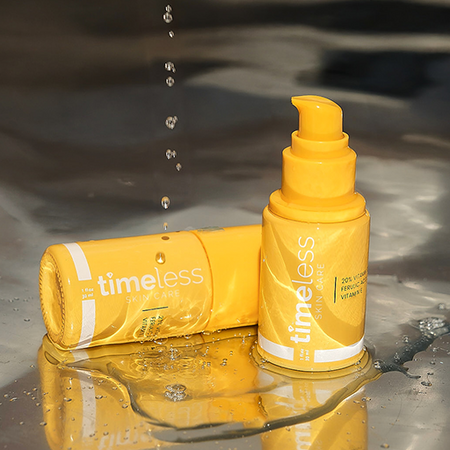
The performance of vitamin C depends on several elements, including the specific form, formula stability, pH level, and packaging. L-ascorbic acid is the most researched form of vitamin C. For a product example, see the 20% Vitamin C + E Ferulic Acid Serum.
When using vitamin C in the morning, pair it with broad-spectrum sunscreen.
Apply your antioxidant serum to clean skin, smoothing it across the face and neck. Allow the liquid to absorb for a few moments before moving to the next layer.
Step 4: Hydrating and Peptide Serums
Once your primary active antioxidant is applied, layer on your hydrating serums. Hyaluronic acid is a humectant, not a moisturizer. It helps attract, bind, and retain water in the outer layers of the skin. It helps support hydration in the upper layers of the epidermis. It helps improve the appearance of dehydration lines.
Sodium hyaluronate is the sodium salt of hyaluronic acid. For more information about these and other skincare ingredients, visit our ingredient glossary. For a product example, see the Hyaluronic Acid 100% Pure serum.
You can also include peptide serums during this step. Peptides may help support the appearance of firmness.
Step 5: Eye Cream (Optional)
The skin around the eyes is naturally thinner than the rest of the face. If you use a dedicated eye formula, apply a small amount using your ring finger along the orbital bone. Dabbing gently avoids pulling or dragging on delicate tissue.
Step 6: Moisturizer
A daily moisturizer helps reduce transepidermal water loss (TEWL), the water that evaporates from the skin's surface. Even if you use hydrating serums, a moisturizer can add emollient components that help keep the skin surface soft and supple.
Select a texture suited to your preferences:
- Lightweight gel-creams may suit oily or combination skin.
- Medium lotions may suit normal skin.
- Richer creams may suit dry or flaky skin.
Step 7: Broad-Spectrum Sunscreen
Daily broad-spectrum sunscreen is an important step in any daytime skincare routine. Sunscreen defends against UVA and UVB rays, helping prevent visible signs of premature skin aging.
Apply a generous amount of broad-spectrum sunscreen with an SPF rating of 30 or higher to your face, neck, and ears. Sunscreen must always be the final step of your skincare routine before applying makeup.
How to use: Apply your morning skincare in this sequence: Cleanse, tone, apply antioxidant serum, apply hydrating serum, apply eye cream, moisturize, and complete with broad-spectrum sunscreen.
The Correct Evening Skincare Routine Order
While morning routines focus on defense, evening routines center on thorough cleansing, comfort, and moisture support. At night, you remove the accumulated grime of the day and apply richer formulas that support the skin barrier while you sleep.
Step 1: First Cleanse (Makeup and Sunscreen Removal)
If you wear water-resistant sunscreen, makeup, or spend time in heavy pollution, a single wash may not remove every trace of residue. An oil-based cleanser, cleansing balm, or micellar water breaks down stubborn pigments and surface oils.
Massage the oil cleanser onto dry skin to dissolve makeup, then rinse thoroughly with warm water.
Step 2: Second Cleanse (Water-Based Wash)
Follow your initial cleanse with a water-based facial cleanser. This step helps remove sweat, environmental debris, and any remaining cleansing oil.
Massaging gently for thirty to sixty seconds can help cleanse the skin.
Step 3: Chemical Exfoliants (1 to 3 Times Weekly)
Chemical exfoliants such as alpha hydroxy acids (AHAs) or beta hydroxy acids (BHAs) assist in clearing dead skin cells from the skin surface. Regular use may help smooth rough texture and keep pores clear.
Exfoliating products should be used sparingly, typically one to three nights per week. Applying strong exfoliants every single night may compromise the skin barrier and contribute to surface redness or dryness.
Step 4: Targeted Night Serums
Nighttime is one opportunity to use concentrated active ingredients that address specific cosmetic concerns.
- Coenzyme Q10 (CoQ10): Ubiquinone is a lipid-soluble antioxidant naturally found in skin. CoQ10 provides antioxidant support as the skin's natural CoQ10 levels decline with age. It helps improve the appearance of fine lines and supports firmer-looking skin. For a product example, see the Coenzyme Q10 Serum. If you have vitiligo, check with your dermatologist before using a CoQ10 product. Do not apply CoQ10 under the eyes.
- Peptides: Multi-peptide serums can be layered at night. Peptides may help support the appearance of firmness. The anti-wrinkle serums collection provides additional product navigation.
- Vitamin B5: Calcium pantothenate supports the skin barrier and helps the skin retain moisture. It helps the skin feel more comfortable during evening care. For more information, read what are the 3 benefits of vitamin B5.
Step 5: Night Cream or Barrier Moisturizer
Evening moisturizers are often richer than daytime lotions. A night cream or barrier moisturizer helps reduce moisture loss.
Smooth the cream over your face, neck, and upper chest area. Look for moisturizing creams containing ceramides, fatty acids, or plant-derived oils to support surface barrier function.
Step 6: Facial Oil (Optional)
If your skin feels dry, a few drops of facial oil can be pressed over your moisturizer as the final step. Face oils act as emollients, providing a conditioning finish that softens dry patches.
Layering Multiple Serums and Active Ingredients
Many people choose to use more than one serum in a single routine. Layering multiple treatments can work when done thoughtfully. For additional guidance, read how to layer multiple serums.
When using multiple serums, arrange them by consistency:
- Low-viscosity, water-thin solutions go on first.
- Slightly thicker, gel-like serums follow second.
- Emulsion-based or milky serums go on third.
Allow each layer thirty to sixty seconds to settle before applying the next formula. Giving layers a brief moment may help reduce pilling, which happens when products ball up on the surface instead of spreading evenly.
One ingredient does not enhance, boost, activate, or improve another ingredient's performance. Each formula works independently based on its individual composition, pH level, and formulation quality.
Individual reactions vary, and anyone with a known sensitivity or diagnosed skin condition should check with their dermatologist before combining multiple concentrated active ingredients.
Quick Answer: When applying multiple serums, layer from the most watery consistency to the thickest gel. Wait roughly one minute between layers to help with even application and reduce product pilling.
Setting Realistic Expectations for Skincare Results
Visible cosmetic improvements can take time, patience, and regular application. Changes in texture, tone, and hydration may not be immediate.
Cosmetic results are gradual and vary widely from person to person. Factors such as genetics, lifestyle, sun exposure, sleep quality, and underlying skin type all influence how your complexion responds to topical products. Hydrating humectants can provide surface hydration, while ingredients aimed at evening out skin tone or smoothing fine lines may take consistent use over time.
Avoid changing your entire product lineup every few days. Introducing products one at a time allows you to observe how your skin tolerates each specific formula.
Frequently Asked Questions
What is the most basic rule for the correct order to apply skincare products?
A common rule for applying skincare products is to layer formulas from thinnest to thickest consistency. Start with water-based liquids such as toners and light serums, progress to heavier lotions and creams, and finish with broad-spectrum sunscreen in the morning or facial oils at night.
Should I apply eye cream before or after my face moisturizer?
Eye cream is typically applied before your general face moisturizer. Applying it before a heavier facial lotion is a common way to order the steps.
Can I apply hyaluronic acid on dry skin?
Yes, hyaluronic acid can be applied to dry skin, although slightly damp skin is another option. Hyaluronic acid is a humectant, not a moisturizer. It helps attract, bind, and retain water in the outer layers of the skin.
How long should I wait between applying different skincare steps?
Most skincare steps do not require long waiting periods. Giving each product thirty to sixty seconds between layers may help reduce pilling. The main exception is broad-spectrum sunscreen, which should be allowed to set for a few minutes before applying makeup over it.