Introduction
Building an effective skincare routine involves more than selecting targeted formulas. The sequence in which you apply each product can influence how well products sit on the skin. When applied out of sequence, thick creams can interfere with the even application of lighter liquids.
Skincare application follows a straightforward logic rooted in formulation weight and texture. Whether your routine consists of three essential steps or includes targeted treatments for specific cosmetic concerns, organizing your products properly can help each layer sit as intended. A skincare routine can be adjusted to fit your preferred number of steps.
Quick Answer: Skincare products should generally be applied in order of texture from thinnest to thickest consistency. Water-based liquids and lightweight serums go on first, followed by heavier creams, and finished with daily broad-spectrum sunscreen in the morning.
The Core Rule: Thinnest to Thickest Consistency
The common guideline for layering skincare is simple: apply products with the lightest, most fluid textures first, and finish with heavier formulas.
Lightweight, water-based solutions generally spread easily. In contrast, heavier formulas may contain oils, waxes, and emollients designed to remain on the surface longer. If you place a rich face cream on bare skin and apply a watery serum over it, the cream can interfere with even application.
Texture progression generally follows this format:
- Watery liquids, such as water-based toners, mists, and light essences.
- Lightweight, fast-absorbing serums.
- Thicker treatment serums and emulsions.
- Eye creams and lightweight lotions.
- Rich moisturizers and face creams.
- Broad-spectrum sunscreen in the morning.
Applying products in this sequence allows lightweight hydrators to be applied before thicker creams.
| Texture Category | Typical Formats | Routine Placement |
|---|---|---|
| Water-based liquids | Toners, mists, essences | First step after cleansing |
| Light treatments | Water-soluble serums, active solutions | Immediately after toning |
| Richer treatments | Emulsions, lipid serums, peptide blends | Mid-routine treatment step |
| Emollients and creams | Lotions, eye creams, night moisturizers | Near the end of the routine |
| Protective layers | Mineral or chemical sunscreen | Final morning step |


Your Morning Skincare Routine Step by Step
Daytime skincare focuses on hydration and environmental exposure. During the day, your skin encounters ambient dust, air pollution, and ultraviolet light. The morning routine prepares your face for these daily exposures while keeping the skin comfortable and hydrated.
Step 1: Cleanser
Start your morning by washing your face with lukewarm water and a gentle cleanser. Cleansing removes overnight oil buildup, residual evening products, and surface debris. Those with very dry skin may prefer a gentle splash of water, while oily or combination skin may benefit from a mild foaming or gel wash.
Step 2: Hydrating Toner or Mist
A toner provides an initial layer of hydration. Modern hydrating toners help refresh the complexion without the drying alcohol found in older astringent formulas. Applying a humectant-rich liquid to freshly cleansed skin prepares the surface for the serums that follow.
Step 3: Vitamin C and Antioxidant Serums
An antioxidant serum helps defend against oxidative stress caused by environmental factors such as UV exposure and pollution.
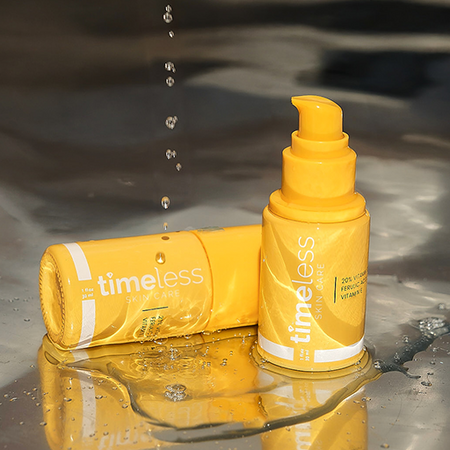
Vitamin C is one of the most widely researched topical ingredients. In cosmetic formulations, vitamin C helps brighten the look of dullness and uneven tone. Topical vitamin C is available in various forms, with L-ascorbic acid being the direct, water-soluble form. Formulations using L-ascorbic acid require an acidic formulation and careful storage because the ingredient is sensitive to air, light, and heat over time. For a product in this category, Timeless Skin Care offers the 20% Vitamin C + E Ferulic Acid Serum in its Vitamin C range.
Step 4: Hydrating and Peptide Serums
After applying thin antioxidant solutions, layer on hydrating or firming serums. Hyaluronic acid is a humectant. It helps attract, bind, and retain water in the outer layers of the skin. The Hyaluronic Acid 100% Pure serum is one option in this category.
Peptides are also common in morning routines. Peptides may help support the appearance of firmness.
Step 5: Moisturizer
A daytime moisturizer provides surface comfort. Moisturizers combine water, emollients, and occlusives. A good moisturizer helps reduce transepidermal water loss (TEWL), the water that evaporates from the skin's surface.
Choose a lighter lotion or gel-cream for daytime wear so your skin stays hydrated without feeling greasy under makeup or sunscreen.
Step 6: Broad-Spectrum Sunscreen
Sunscreen is the final step of every morning skincare routine. UV exposure occurs daily through clouds and windows and can contribute to visible signs of premature skin aging.
Apply a liberal layer of broad-spectrum sunscreen with SPF 30 or higher to your face, neck, and ears. Let your moisturizer settle for one to two minutes before applying sunscreen so the protective film forms evenly across the skin.
Key Takeaway: Never layer moisturizers, facial oils, or makeup over your sunscreen in a way that dilutes its coverage. Sunscreen must form a continuous film over the skin to work effectively.
Your Evening Skincare Routine Step by Step
Nighttime skincare prioritizes thorough cleansing, targeted treatments, and moisture replenishment. Because you are not preparing for sun exposure, the evening routine allows for richer textures and ingredients that are best used away from daylight.
Step 1: Makeup Removal and First Cleanse
If you wear makeup, water-resistant sunscreen, or work in a dusty environment, a dedicated first cleanse helps lift surface grime. Oil-based cleansers, cleansing balms, or micellar waters dissolve surface lipids without harsh rubbing.
Step 2: Water-Based Cleanser
Follow your makeup remover with a gentle water-based cleanser. This second wash cleanses the skin directly, clearing away remaining residue and sweat so your nighttime treatments can be applied without barrier interference.
Step 3: Exfoliation, Two to Three Times Weekly
Chemical exfoliants, such as alpha hydroxy acids, including glycolic or lactic acid, and beta hydroxy acids, including salicylic acid, dissolve dead surface skin cells. Regular, moderate exfoliation smooths surface texture and prepares the complexion for hydrating products.
Limit chemical exfoliants to two or three evenings per week. Daily acid use can compromise the moisture barrier and lead to irritation.
Step 4: Targeted Evening Serums
The serum step at night is where you address your primary cosmetic goals.
- Hydration: Hyaluronic acid helps support hydration in the upper layers of the epidermis. The Hyaluronic Acid 100% Pure serum is one option in this category.
- Firmness and Smoothing: Peptides may help support the appearance of firmness. The anti-wrinkle serums collection includes options in this category.
- Barrier Comfort: Vitamin B5 supports the skin barrier and helps the skin retain moisture. Vitamin B5 helps the skin feel more comfortable. For ingredient definitions, visit the ingredient glossary.
Step 5: Eye Cream
The skin around the orbital bone is thinner than the rest of the face. An eye cream provides lightweight moisture to this delicate area. Tap a small amount around the orbital rim using your ring finger before applying your all-over night cream. Timeless offers additional options in its eye cream collection.
Step 6: Night Cream and Occlusives
Nighttime moisturizers are often richer than daytime formulas. A nighttime moisturizer can help reduce moisture loss while you sleep, keeping the skin soft and supple by morning. Those with very dry skin can finish with a light layer of facial oil or a richer balm over their cream.
How to Layer Multiple Serums and Active Ingredients
Many routines feature more than one treatment serum. When organizing multiple serums, apply the thinnest consistency first and progress to denser textures. For more detail, see this guide to layering multiple serums.
Layering by Base Formula
- Water-based serums: Watery textures can absorb quickly and generally go on clean skin first.
- Emulsions and gel serums: Slightly thicker treatments with a cloudy or gel texture follow water-based solutions.
- Anhydrous, or water-free, and lipid serums: Heavier or oil-based serums sit on top of water-based steps to avoid blocking lighter formulas.
Example serum layering order:
- Clean skin.
- Water-based Vitamin C.
- Hyaluronic Acid gel.
- Peptide emulsion.
- Cream.
Navigating Ingredient Pairings
Pairing skincare ingredients requires attention to skin tolerance:
- Vitamin C and Retinoids: Vitamin C works comfortably in the morning, while retinoids are best reserved for nighttime use. Separating these actives by time of day can reduce the likelihood of redness and flaking.
- Direct Acids and Retinoids: Avoid applying strong exfoliating acids and retinoids during the same evening routine. Alternate evenings instead.
- Peptides and Humectants: Hydrating ingredients like hyaluronic acid and vitamin B5 layer easily with peptide serums in both morning and evening routines.
- Coenzyme Q10, or Ubiquinone: CoQ10 provides antioxidant support as the skin's natural CoQ10 levels decline with age. It helps improve the appearance of fine lines and supports firmer-looking skin. CoQ10 is generally used once daily on the face and neck. If you have vitiligo, check with your dermatologist before using a CoQ10 product. A Coenzyme Q10 Serum is one option in this category.
Note: If you introduce a new active ingredient or targeted serum, monitor your skin's response carefully. Individual reactions vary, and anyone with known sensitivities or diagnosed skin conditions should consult a dermatologist before combining potent active formulas.
Realistic Expectations for Cosmetic Results
Improving the visible appearance of your complexion requires consistent care and patience. Skincare products work gradually within the surface layers of the skin.
Hyaluronic acid helps improve the appearance of dehydration lines. Other visible cosmetic changes in skin tone, surface texture, and the appearance of fine lines can vary with consistent use.
Factors influencing your results include:
- Consistency of daily application
- Diligent use of broad-spectrum sunscreen every morning
- Individual skin type, genetics, and age
- Lifestyle habits, including sleep, hydration, and diet
Avoid switching products every few days in search of instant changes. Give your routine time to demonstrate visible improvements, and introduce only one new product at a time so you can track how your skin responds.
Frequently Asked Questions
What should I do if my skincare products start pilling?
Pilling occurs when products form small, dry balls on the skin surface instead of spreading evenly. This usually happens when a product is applied before the previous layer has dried, or when silicones and heavy oils are layered over incompatible water-based formulas. To prevent pilling, apply thinner layers, allow thirty to sixty seconds between steps, and move from thinnest to thickest consistency.
Can I skip toner and go straight to serum?
Yes. A toner is an optional step in a skincare routine. If your cleanser leaves your skin feeling balanced and clean, you can apply your water-based treatments or serums directly to slightly damp skin without using a toner first.
Does eye cream go on before or after moisturizer?
Eye cream is typically applied before your all-over facial moisturizer. Because eye creams are formulated with lighter textures designed specifically for the thinner skin around the eyes, applying them before heavier face creams ensures that the delicate eye contour receives the formula directly.
How long should I wait between applying skincare steps?
For most hydrating steps, you do not need to wait long between layers. Apply water-based serums to slightly damp skin according to the product directions.
Wait one to two minutes after applying moisturizer before finishing with broad-spectrum sunscreen so the sunscreen can form an uninterrupted protective film over your face.