Introduction
Standing in front of your bathroom mirror with multiple bottles, jars, and droppers can feel daunting. Knowing which product to apply first is just as important as choosing the right formulas for your skin. When you apply products in the wrong sequence, you may notice product buildup or unnecessary irritation.
At Timeless Skin Care, we believe that daily routines should remain straightforward and accessible. Founded in 2009 by Veronica Pedersen, our approach centers on focused formulations with active ingredients.
Understanding how to layer your skincare helps you organize your routine. Whether your routine contains three steps or six, this guide outlines a practical sequence for morning and evening application.
Quick Answer: Apply your skincare products from thinnest to thickest consistency. Start with water-based formulas like cleansers, toners, and light serums, move to thicker treatments and moisturizers, and always finish your morning routine with broad-spectrum sunscreen.
The Core Principles of Product Layering
To understand why sequence matters, it helps to examine how topical products sit on the surface of your skin. Applying formulas in a random order can contribute to product buildup and may make layering less comfortable.
1. Consistency: Thinnest to Thickest
The most reliable rule of thumb in skincare is to layer formulas according to their viscosity. Liquid, water-based solutions often feel lighter on the skin. Heavier creams and facial oils generally sit closer to the surface. If you apply a rich cream before a light, watery serum, it may make the serum harder to layer comfortably.
For more guidance, see our article on how to layer multiple serums.
2. Base Composition: Water Before Oil
Water and oil do not mix easily. Water-based serums are generally placed directly onto freshly cleansed skin or after a light liquid toner. Once water-soluble ingredients are in place, lipid-based formulas or moisturizing emulsions can follow. This sequence allows each layer to settle without pilling or sliding off the surface.
3. Protection Last: Sunscreen as the Final Morning Step
Broad-spectrum sunscreen should form an even, uninterrupted film across the skin. Applying serums or moisturizers on top can disturb that protective film. For that reason, broad-spectrum sunscreen is the final step of any daytime regimen.
| Routine Step Type | Primary Function | Ideal Consistency | Placement |
|---|---|---|---|
| Cleanser | Clears surface oil, debris, and impurities | Water, gel, foam, or balm | First step (AM & PM) |
| Toner / Mist | Preps skin and adds initial hydration | Ultra-light liquid | Directly after cleansing |
| Water-Based Serum | Delivers concentrated cosmetic ingredients | Watery, fluid gel | Before heavier creams |
| Eye Cream | Targets the delicate eye contour | Light cream or gel-cream | Before or with moisturizer |
| Moisturizer | Helps reduce moisture loss | Lotion, emulsion, or rich cream | After serums |
| Sunscreen | Defends against UV exposure | Lotion, fluid, or mineral cream | Final step (AM only) |


Step-by-Step Morning Routine Order
Your morning routine focuses on preparing your face for the day ahead. Daytime steps emphasize hydration, antioxidant serums, and sun protection to keep your complexion looking fresh and balanced.
-
Cleanser
Start by washing your face with a gentle, non-stripping cleanser and lukewarm water. Morning cleansing removes sweat, excess sebum, and any residue from overnight products. If your skin feels particularly dry upon waking, rinsing thoroughly with plain water may be sufficient. -
Hydrating Toner or Mist
If you use a liquid toner, apply it immediately after cleansing while your skin remains slightly damp. -
Antioxidant Serum
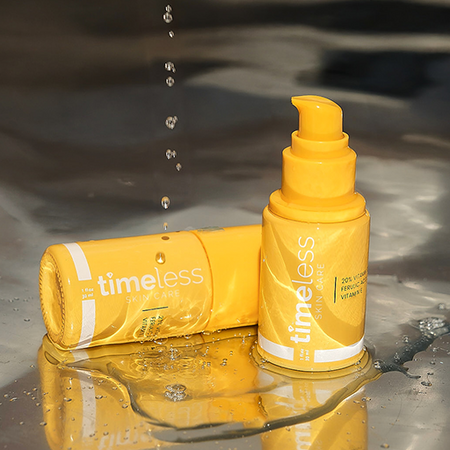
Morning is a common time for an antioxidant treatment. An antioxidant serum helps defend against oxidative stress caused by environmental factors such as UV exposure and pollution. Vitamin C helps brighten the look of dullness and uneven tone. For this stage, an antioxidant serum such as the 20% Vitamin C + E Ferulic Acid Serum is one option. -
Hydrating Serum
If you layer an additional hydrator, choose a formula with humectants. Hyaluronic acid helps attract, bind, and retain water in the outer layers of the skin. It helps support hydration in the upper layers of the epidermis and helps improve the appearance of dehydration lines. -
Eye Cream
Gently pat a small amount of eye treatment around the orbital bone using your ring finger. A dedicated eye cream such as the Dark Circle Peptide Complex Eye Cream is one option for this step. -
Moisturizer
A daily moisturizer softens the skin and helps reduce transepidermal water loss (TEWL), the water that evaporates from the skin's surface. Choose a lightweight lotion or gel-cream that absorbs comfortably without leaving a heavy film. -
Broad-Spectrum Sunscreen
Finish every morning with a generous application of broad-spectrum sunscreen rated SPF 30 or higher. Apply it evenly over your face, neck, and ears. Allow it to set before applying any base makeup.
Key Takeaway: Never skip your morning sunscreen. Antioxidants help defend against oxidative stress caused by environmental factors such as UV exposure and pollution, while daily broad-spectrum sunscreen remains your primary line of defense against UV exposure.
Step-by-Step Evening Routine Order
Your nighttime regimen allows you to focus on thorough cleansing, targeted treatments, and surface hydration after daily environmental exposure.
-
First Cleanse (Makeup and Sunscreen Removal)
If you wear long-wearing makeup or water-resistant sunscreen, begin with an oil-based cleanser, cleansing balm, or micellar water. Gently massage the product over dry skin to dissolve surface debris, then rinse thoroughly. -
Second Cleanse
Follow with a gentle, water-based cleanser to wash away any remaining traces of oil, sweat, and impurities. Thorough cleansing helps prepare the skin for nighttime serums. -
Exfoliant (2 to 3 Times Weekly)
Chemical exfoliants containing alpha hydroxy acids, such as glycolic or lactic acid, or beta hydroxy acids, such as salicylic acid, help sweep away dead surface skin cells. Limit exfoliation to two or three nights per week to maintain a comfortable skin barrier. On nights when you exfoliate, omit other strong active treatments to avoid irritation. -
Targeted Serums and Peptides
Evening is an excellent time to apply peptide serums or replenishing treatments. Peptides may help support the appearance of firmness. If using Vitamin B5, Vitamin B5 supports the skin barrier and helps the skin retain moisture. It helps the skin feel more comfortable. A dedicated hyaluronic acid serum such as Hyaluronic Acid 100% Pure is another option for this step. -
Eye Cream
Reapply your eye product around the orbital bone to support the appearance of smooth, hydrated skin overnight. -
Night Moisturizer or Barrier Cream
Nighttime creams can be richer and more emollient than daytime lotions. A nourishing moisturizer helps reduce moisture loss while you sleep, so you may wake up with a soft, supple-looking complexion. -
Facial Oil (Optional)
If you have dry skin or live in an arid climate, you can press two or three drops of a facial oil over your moisturizer. Oils sit on top of the skin to provide an additional layer of comfort.
How to Layer Multiple Active Ingredients
When incorporating several targeted ingredients into your regimen, thoughtful sequencing can help maintain skin comfort.
Pairing Humectants and Antioxidants
Humectants and antioxidants can be included in the same routine. Apply a water-soluble antioxidant serum first, followed by a hyaluronic acid serum. Hyaluronic acid helps attract, bind, and retain water in the outer layers of the skin.
For another perspective on combining these ingredients, read Can You Use Hyaluronic Acid and Vitamin C Together?.
Incorporating Coenzyme Q10
Coenzyme Q10 (Ubiquinone) is a lipid-soluble antioxidant naturally found in the skin. It provides antioxidant support as the skin's natural CoQ10 levels decline with age. It helps improve the appearance of fine lines and supports firmer-looking skin. CoQ10 is generally used once daily, either morning or night, layered after lighter water-based serums and before your cream. A CoQ10 serum such as Coenzyme Q10 (Ubiquinone) is one option.
Navigating Sensitive Skin and Potent Actives
Individual reactions to skincare ingredients vary significantly. Concentrated formulas require thoughtful introduction. If you have sensitive skin or a diagnosed skin condition, check with your dermatologist before introducing potent active ingredients.
To keep your skin feeling comfortable when using active treatments:
- Introduce one new product at a time so you can monitor your skin's response.
- Avoid using multiple exfoliating acids and strong retinoids in the exact same evening routine.
- Separate potent morning antioxidants from evening exfoliants to balance skin comfort.
- Allow each layer thirty to sixty seconds to settle before applying the next formula.
Note: Skincare ingredients do not activate or boost the chemical performance of one another. Instead, a well-structured routine allows each separate formula to perform its cosmetic function without interference.
Realistic Expectations for Skincare Results
Achieving visible improvements in skin tone, texture, and hydration requires patience and consistency. Cosmetic results vary widely based on individual skin type, age, environmental exposure, and daily compliance.
Immediate effects from skincare are primarily related to hydration. Humectants and moisturizers may make the skin look more supple after application.
Visible changes in the appearance of uneven tone, fine lines, and overall firmness take time. Skin cells naturally turn over, and cosmetic ingredients work incrementally on the surface of your complexion. Give a consistent routine time before evaluating broader aesthetic changes.
Use consistent, gentle application and daily broad-spectrum sun protection rather than excessive amounts of product or constantly changing your routine.
Frequently Asked Questions
What is the correct order to apply skincare products in the morning versus evening?
In the morning, cleanse your skin, apply lightweight antioxidant and hydrating serums, dab on eye cream, smooth on a moisturizer, and always finish with broad-spectrum sunscreen. In the evening, perform a single or double cleanse, apply your targeted treatments or peptide serums, follow with eye cream, and finish with a night moisturizer or facial oil.
For help building a routine, use our skincare quiz.
How long should I wait between applying each skincare layer?
You do not need to wait long periods between steps. Waiting thirty to sixty seconds allows each formula to settle sufficiently so that products do not pill when layered. Your morning sunscreen should sit for a few minutes to form an even protective film before you apply makeup.
Should I apply hyaluronic acid on wet or dry skin?
Apply hyaluronic acid to slightly damp skin directly after cleansing or misting. Hyaluronic acid is a humectant, not a moisturizer. It helps attract, bind, and retain water in the outer layers of the skin. A moisturizer can follow to help reduce moisture loss.
Can I use multiple serums in the same routine?
You can use more than one serum in a routine by following the thinnest to thickest rule. Apply your most watery serum first, followed by slightly thicker gel-based or lipid-based serums. To maintain comfort, avoid combining multiple strong exfoliating treatments or potent actives within the exact same application step.