Introduction
Applying skincare products in a thoughtful sequence can help formulas layer as intended. Even high-quality formulas may not deliver their intended cosmetic benefits if a heavy cream is applied before a lightweight serum.
Building a daily regimen does not require a dozen steps. A thoughtful routine relies on a clear framework: prep, treat, and protect. Understanding how different textures and formulation vehicles interact allows you to build a personalized lineup that supports healthy-looking skin. Use the skincare quiz to help organize your routine.
Quick Answer: The correct order for skincare follows a thinnest-to-thickest rule. Start with a cleanser, apply water-based toners and serums next, follow with creams or facial oils, and finish every morning routine with broad-spectrum sunscreen.
When you layer your products in the right sequence, you can make the most of your routine and maintain a balanced, comfortable moisture barrier.
The Core Principles of Product Layering
Skincare layering relies on basic cosmetic chemistry. Formulations range from thin, watery liquids to viscous gels, rich creams, and dense botanical oils. Applying these formulas out of sequence can affect how lighter solutions sit on the skin.
1. Thin Textures Precede Thick Textures
The universal rule of skincare layering is to apply products from the lowest viscosity to the highest viscosity. Watery liquids sit lightly on the surface of the skin. Heavier lotions and creams contain emollients and occlusives that sit on the skin's surface. If you apply a dense moisturizing cream first, a lightweight watery serum may not layer as intended.
2. Water-Based Formulas Come Before Oil-Based Formulas
Water and oil do not mix naturally. Water-based treatments must contact clean skin directly so the surface can absorb them. Once water-soluble ingredients are in place, anhydrous formulas, lipid-soluble treatments, and facial oils can follow. Oils may help reduce moisture loss from the water-based layers underneath.
3. Consider Formula pH and Sensitivity
Certain active ingredients are used in specific pH ranges. For example, direct acids and L-ascorbic acid are used in acidic formulations. If you use an exfoliating toner or an L-ascorbic acid serum, apply it immediately after cleansing to bare skin. Allow the product to dry down before layering neutral-pH hydrating products on top.
| Step Type | Formula Texture | Primary Goal | Example Product Types |
|---|---|---|---|
| Prep | Watery, fluid | Cleansing and balancing | Water-based cleansers, balancing toners |
| Treat | Thin liquid, lightweight gel | Targeted cosmetic concerns | Antioxidant serums, peptide complexes |
| Hydrate | Medium-viscosity liquid | Water retention in surface layers | Humectant serums, hydrating solutions |
| Moisturize | Lotion, rich cream | Barrier support | Daily lotions, night creams, eye creams |
| Seal / Protect | Oil or mineral/chemical emulsion | Environmental defense | Facial oils (PM), broad-spectrum SPF (AM) |


The Morning Skincare Routine Order
Daytime skincare focuses on hydration and environmental defense. During the day, your complexion faces exposure to ultraviolet radiation, environmental pollution, temperature shifts, and dry indoor air.
- Gentle cleanser.
- Hydrating toner or mist.
- Daytime serum with antioxidants.
- Eye care.
- Daytime moisturizer.
- Broad-spectrum sunscreen.
Step 1: Gentle Cleanser
Washing your face in the morning removes sweat, natural sebum produced overnight, and residue from your evening products. A gentle, sulfate-free foaming or gel cleanser refreshes the skin without stripping away essential surface lipids. If your skin feels dry or tight upon waking, rinsing thoroughly with lukewarm water may be sufficient.
Step 2: Hydrating Toner or Mist
A liquid toner balances the surface of your skin after cleansing. Modern toners provide a light wash of hydration that prepares the skin to receive more concentrated serums. Lightly pat the liquid into your skin using your palms or a reusable cotton round.
Step 3: Daytime Antioxidant Serum
Morning is the most common time to apply an antioxidant serum. An antioxidant helps defend against oxidative stress caused by environmental factors such as UV exposure and pollution. It also helps neutralize free radicals generated by UV exposure and supports the skin's antioxidant defenses.
Vitamin C is one of the most widely researched topical antioxidants. Topically applied vitamin C helps brighten the look of dullness and uneven tone. L-ascorbic acid is the most researched form of vitamin C and is water-soluble.
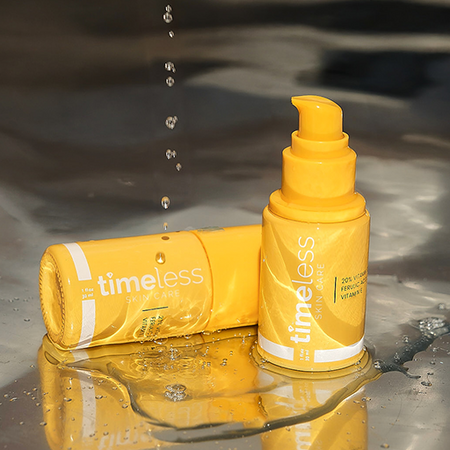
You can find 20% Vitamin C + E Ferulic Acid Serum in the antioxidant serum category. Applying your antioxidant serum to dry, freshly cleansed skin allows the formula to absorb without interference.
Step 4: Eye Cream
The skin surrounding the orbital bone is delicate and contains fewer oil glands than the rest of the face. An eye cream helps keep this specific area supple. Tap a small amount around the orbital bone using your ring finger. Eye cream can be applied before your full-face moisturizer.
Step 5: Daytime Moisturizer
A light lotion or gel-cream helps maintain daily comfort. A moisturizer helps reduce transepidermal water loss (TEWL), the water that evaporates from the skin's surface. Look for formulas containing humectants, ceramides, or fatty acids that help reduce moisture loss throughout the day. If you have an oily skin type or wear a moisturizing sunscreen, you can occasionally skip this step.
Step 6: Broad-Spectrum Sunscreen
Daily sunscreen application is essential for every routine. Sunscreen protects the skin from UVA and UVB rays, helping prevent sunburn and visible photoaging.
Key Takeaway: Broad-spectrum sunscreen with SPF 30 or higher must always be the final step in your morning skincare routine. Never apply serums, oils, or moisturizers over your sunscreen, as doing so can dilute the protective UV film.
Apply sunscreen generously to your face, neck, and the tops of your ears 15 minutes before heading outdoors. Allow the sunscreen to set completely before applying any cosmetic foundation or makeup.
The Evening Skincare Routine Order
Your nighttime skincare routine emphasizes thorough cleansing, replenishing lost hydration, and supporting the skin barrier while you sleep.
- First cleanse for makeup and sunscreen removal.
- Second cleanse with a water-based wash.
- Occasional exfoliant or clarifying solution.
- Targeted treatment serums, including peptides and hydrators.
- Eye cream.
- Nighttime moisturizer.
- Facial oil, if desired.
Step 1 and Step 2: The Double Cleanse
Sunscreen and long-wearing cosmetics cling to the skin by design. A double cleanse helps remove these formulas without harsh scrubbing.
- First cleanse: Use an oil-based cleansing balm or oil to dissolve water-resistant SPF, excess sebum, and makeup. Massage it gently over dry skin, add water to emulsify, and rinse thoroughly.
- Second cleanse: Follow with a gentle water-based gel or cream cleanser to wash away water-soluble debris, sweat, and lingering impurities.
Step 3: Chemical Exfoliation
Exfoliating liquids containing alpha hydroxy acids, such as glycolic or lactic acid, or beta hydroxy acids, such as salicylic acid, loosen dead surface skin cells. Exfoliating helps improve the appearance of uneven texture. Limit chemical exfoliants to a few evenings per week to avoid irritating your moisture barrier. Apply exfoliants immediately after cleansing and let them dry down before continuing.
Step 4: Targeted Treatment and Hydration Serums
Evening is a suitable time to apply concentrated peptide serums and humectant solutions.
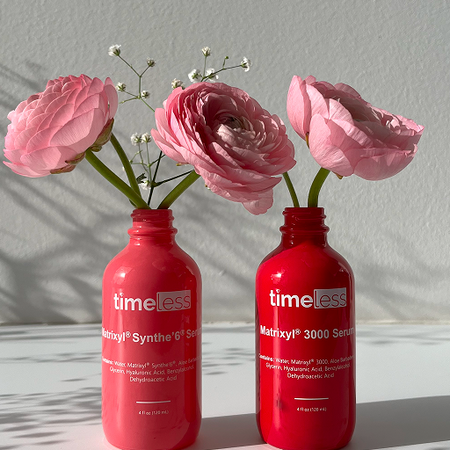
Peptides are short chains of amino acids that may help support the appearance of firmness. Matrixyl® 3000 Serum belongs to the peptide serum category. Peptides layer well over clean skin and can be paired with humectants.
Humectants are water-loving ingredients used for hydration. Hyaluronic acid is a humectant that helps attract, bind, and retain water in the outer layers of the skin. It helps support hydration in the upper layers of the epidermis and helps improve the appearance of dehydration lines.
Sodium hyaluronate is the sodium salt of hyaluronic acid, and hydrolyzed hyaluronic acid represents hyaluronic acid broken into smaller fragments.
Hyaluronic Acid 100% Pure is available in the hydration serum category. Pat humectant serums onto slightly damp skin so they have immediate water to bind to on the surface.
Note: If you use a topical retinoid, apply it during this treatment step on completely dry skin. If your skin is prone to sensitivity, you can apply your retinoid over a light layer of moisturizer to cushion its impact.
Step 5: Evening Eye Cream
Reapply your eye formula at night. Pat the product gently along the bone structure without pulling or tugging the skin.
Step 6: Nighttime Moisturizer
Night creams are often richer than daytime lotions. While you sleep, the skin's rate of TEWL naturally increases. A nourishing cream with emollients, cholesterol, and barrier-supportive lipids helps reduce transepidermal water loss (TEWL), the water that evaporates from the skin's surface, keeping your skin soft and supple by morning.
Step 7: Facial Oil
If your skin feels dry, tight, or flaky, a few drops of plant oil can serve as the final step of your nighttime routine. Facial oils are generally occlusive or emollient. They do not hydrate the skin on their own because they contain no water. Instead, they sit on top of your nighttime moisturizer and help reduce moisture loss throughout the night.
How to Layer Multiple Serums and Active Ingredients
Many people choose to use more than one serum to address different skin concerns. Layering multiple treatments requires attention to consistency, base formulas, and ingredient compatibility.
- Water-based serums.
- Emulsion serums.
- Anhydrous or oil serums.
For additional guidance, read How to Layer Multiple Serums.
Water-Based vs. Lipid-Based Serums
Always apply light, water-based serums first. Once those sink into the skin, apply medium-weight emulsions, followed by lipid-soluble serums.
Coenzyme Q10 (ubiquinone) is a lipid-soluble antioxidant naturally found in skin. It provides antioxidant support as the skin's natural CoQ10 levels decline with age. In cosmetic preparations, it helps improve the appearance of fine lines and supports firmer-looking skin. Because CoQ10 is lipid-soluble, serums containing it often feature a milky emulsion texture that should be applied after thin, watery solutions.
CoQ10 is generally used once daily. Coenzyme Q10 Serum is available as a product option. If you have vitiligo, check with your dermatologist before using a CoQ10 product.
Ingredient Combinations and Spacing
You do not need to layer every active ingredient in a single session. Rotating your products between morning and evening, or alternating nights, keeps your routine balanced.
- Vitamin C: Morning use is the most common recommendation and should always be paired with broad-spectrum sunscreen.
- Peptides: May help support the appearance of firmness and can be applied morning, evening, or both.
- Direct acids and retinoids: Best reserved for alternate evenings to minimize the potential for sensory irritation.
- Vitamin B5 supports the skin barrier and helps the skin retain moisture; it also helps the skin feel more comfortable.
For ingredient definitions and terminology, visit the Ingredient Glossary.
If you have a known sensitivity or a diagnosed skin condition, individual reactions vary, and you should check with your dermatologist when introducing new active combinations.
Setting Realistic Expectations for Skincare Results
A structured skincare routine can support cosmetic improvements over time, but patience is necessary. Skincare products support the appearance and texture of your complexion, but they do not produce instant transformations.
The appearance of fine lines, firmness, and uneven skin tone can change with consistent application.
Individual skin response depends on genetics, sun habits, overall health, stress levels, and application consistency. Switching products every few days can make it harder to evaluate performance. A steady routine makes it easier to evaluate a specific combination.
Bottom line: Consistent daily application in the correct order is a practical foundation. Master your core steps first, protect your skin daily with sunscreen, and introduce targeted serums gradually.
Frequently Asked Questions
How long should I wait between skincare steps?
You do not need to wait long periods between every step. For hydrating toners, serums, and basic moisturizers, you can apply each layer as soon as the previous one has absorbed and your skin feels slightly tacky. However, you should allow exfoliating acids, L-ascorbic acid, and retinoids to dry down completely before adding your next layer. Sunscreen should dry down and set for a few minutes before you apply makeup over it.
Can I apply facial oil before my moisturizer?
Facial oils should generally be applied after or mixed into your moisturizer. Oils possess occlusive properties that create a protective layer on the surface. If you apply an oil first, the water-based hydration in your moisturizer will have a difficult time penetrating through that lipid layer. Applying oil as your final nighttime step helps reduce moisture loss.
Should eye cream go before or after serum?
Eye cream is best applied before heavy face creams and facial oils. If your face serum is a thin, watery liquid, you can apply the serum first across your entire face, followed by your eye cream around the orbital bone. If your face serum is thick, sticky, or contains strong exfoliating acids that should not touch the eye contour, apply your eye cream first to protect the delicate eye area.
What causes skincare products to pill?
Pilling occurs when products ball up into tiny flakes on the skin instead of absorbing. This usually happens when you apply products out of order, layer oil-based formulas under water-based formulas, use too much product, or rub the skin too aggressively. Formulations rich in silicones or heavy film-forming polymers can also pill if they are layered over damp skin without adequate dry-down time.