Introduction
Building a consistent regimen can support daily skin habits, but knowing which bottle to open first often causes unnecessary confusion. Layering products in a considered sequence can make a routine easier to follow. Applying a lightweight serum before a thick cream can help keep the lighter product closer to the skin's surface.
A full skincare routine order follows a simple principle: start with the lightest, water-based textures and finish with the heaviest, oil-based formulas. The morning sequence centers on daily defense and hydration, while the nighttime routine focuses on thorough cleansing, targeted products, and moisture retention.
Quick Answer: Apply skincare products from thinnest consistency to thickest. Cleanse first, apply water-based serums next, follow with heavier creams, and always finish your morning routine with broad-spectrum sunscreen.
Timeless Skin Care was founded in 2009 by Veronica Pedersen to deliver simple, high-concentration active formulas made in the USA in small batches. Understanding the fundamentals of skincare layering allows you to customize your routine based on individual skin goals without wasting time or product. Learn more about Timeless Skin Care.
The Core Principle: Thinnest to Thickest Texture
The fundamental rule of product application is generally guided by texture and formulation. Skincare products are formulated in different vehicles, ranging from thin watery solutions and light gels to emulsions, dense creams, and facial oils.
A heavy face balm applied before a lightweight hydrating liquid can make layering less comfortable.
Here is how different product vehicles typically rank in weight from lightest to heaviest:
- Water-based liquids, such as toners, essences, and watery treatments
- Light water-based serums and gels
- Emulsion serums and light lotions
- Eye creams and daily facial moisturizers
- Rich night creams
- Facial oils and occlusive balms
| Product Category | Primary Formulation Base | Standard Placement |
|---|---|---|
| Cleanser | Water, surfactant, or oil base | Step 1 (AM and PM) |
| Water-Based Serum | Aqueous or light humectant base | Directly after cleansing |
| Eye Cream | Light emulsion | Before heavy face cream |
| Facial Moisturizer | Oil-in-water or water-in-oil emulsion | Toward the end of routine |
| Sunscreen | Mineral or chemical UV filters in emulsion base | Final daytime step |
Key Takeaway: Apply thinner products before thicker products, and use thicker emulsions and oils toward the end to help reduce moisture loss.
For additional ingredient definitions, visit our ingredient glossary.


The Step-by-Step Morning Skincare Routine Order
Daytime skincare prepares your complexion to face ambient environmental stressors while maintaining balanced hydration levels throughout the day.
- Cleanser
- Water-Based Antioxidant Serum
- Hydrating Serum
- Eye Cream
- Daily Moisturizer
- Broad-Spectrum Sunscreen
Step 1: Cleanser
Cleansing in the morning removes nighttime perspiration, natural sebum, and residual evening products. For dry or sensitive complexions, a gentle rinse with lukewarm water or a mild, non-foaming cleanser is often sufficient. Oily or combination skin types may benefit from a gentle foaming or gel wash that clears excess surface oils without leaving the skin feeling tight.
Apply the cleanser with lukewarm water, gently massaging in circular motions for thirty to sixty seconds. Rinse thoroughly and gently pat the face dry with a clean towel, leaving the skin slightly damp if you plan to apply humectant serums next.
Step 2: Water-Based Antioxidant Serum
Morning use is the most common recommendation for vitamin C, but it is not the only option. Morning use should always be paired with broad-spectrum sunscreen. Applying an antioxidant serum in the morning helps defend against oxidative stress caused by environmental factors such as UV exposure and pollution. Vitamin C helps neutralize free radicals generated by UV exposure.
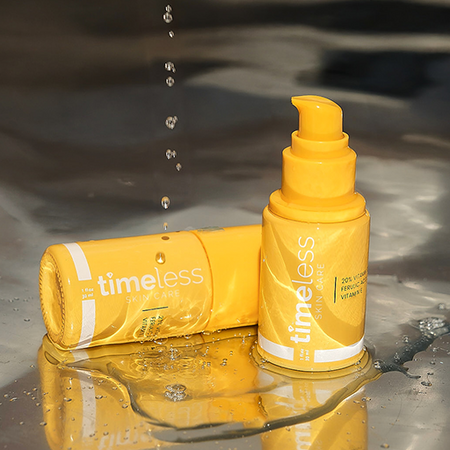
Vitamin C is one of the most widely researched topical ingredients for this step. When applied consistently, vitamin C helps brighten the look of dullness and uneven tone. Formulation details such as stability, packaging, and pH balance can affect the performance of L-ascorbic acid. Within the vitamin C category, options include 20% Vitamin C + E Ferulic Acid Serum.
For more guidance on serum layering, read how to layer multiple serums.
Step 3: Hydrating Serum
Hydration serums can support surface hydration. Hyaluronic acid is a humectant, not a moisturizer. It helps attract, bind, and retain water in the outer layers of the skin. It helps support hydration in the upper layers of the epidermis.
Sodium hyaluronate is the sodium salt of hyaluronic acid. For hydration serums, Timeless Skin Care offers Hyaluronic Acid 100% Pure.
Step 4: Eye Cream
The skin surrounding the orbital area is thinner than the rest of the face and can show dehydration lines readily. Applying eye cream before your all-over moisturizer places this step before a heavier layer. A dedicated eye cream, such as Dark Circle Peptide Complex Eye Cream, represents this category.
Step 5: Daily Moisturizer
A daily facial moisturizer helps reduce transepidermal water loss (TEWL), the water that evaporates from the skin's surface. Moisturizers combine water, emollients, and light occlusive agents.
Select a texture that matches your skin type. Gel-creams and light lotions may suit oilier complexions, while standard creams may offer comfort for normal to dry complexions. Smooth the moisturizer over your entire face and neck with upward motions.
Step 6: Broad-Spectrum Sunscreen
Sunscreen is the non-negotiable final step of every daytime skincare routine. UV exposure is a primary contributor to visible signs of premature aging, uneven pigmentation, and skin damage. Daily broad-spectrum sunscreen guidance remains firm: apply a generous amount with an SPF rating of 30 or higher every morning, regardless of cloud cover or indoor plans.
Sunscreen must sit as the outer protective shield over your other skincare layers. Applying serums or moisturizers over sunscreen dilutes the UV filters and disrupts the uniform film required for proper protection. Allow your moisturizer to set for two minutes before applying sunscreen evenly across your face, ears, neck, and upper chest.
The Step-by-Step Evening Skincare Routine Order
The nighttime sequence focuses on clearing away the accumulated dirt, makeup, and sunscreen of the day, followed by concentrated treatments that support skin appearance overnight.
- First Cleanser (Makeup/SPF Removal)
- Water-Based Cleanser
- Exfoliant or Targeted Peptide Serum
- Eye Treatment
- Nighttime Moisturizer or Barrier Cream
- Optional Facial Oil
Step 1: First Cleanser
Sunscreen formulas, long-wear makeup, and daily pollutants adhere firmly to skin oils. An oil-based cleanser, cleansing balm, or micellar solution breaks down these lipid-soluble materials without requiring aggressive scrubbing. Massage the oil cleanser onto dry skin, focusing on areas with heavier makeup or sunscreen, then emulsify with warm water and rinse.
Step 2: Water-Based Cleanser
The second step of a double cleanse uses a water-based face wash to remove leftover residue, perspiration, and environmental debris. This can leave the skin refreshed and ready for evening treatments.
Step 3: Exfoliant or Targeted Peptide Serum
Nighttime is ideal for targeted treatments. Depending on your routine, this step can feature a chemical exfoliant or a specialty peptide serum.
Chemical exfoliants containing alpha hydroxy acids (AHAs) or beta hydroxy acids (BHAs) help remove dead surface cells. Limit exfoliating acids to two or three nights per week to avoid overwhelming the skin barrier.
On non-exfoliating nights, peptide serums can be used as targeted treatments. Topical peptides may help support the appearance of firmness. CoQ10 is generally used once daily. CoQ10 provides antioxidant support as the skin's natural CoQ10 levels decline with age. It helps improve the appearance of fine lines and supports firmer-looking skin. Learn more about coenzyme Q10.
Note: If you have vitiligo, check with your dermatologist before using a CoQ10 product. Never apply CoQ10 products to the immediate under-eye area.
Step 4: Eye Treatment
Reapply your preferred eye cream to maintain hydration in the orbital region overnight. This step helps improve the appearance of dehydration lines while you sleep.
Step 5: Nighttime Moisturizer
Evening moisturizers are often slightly richer than daytime lotions. A nourishing cream helps reduce moisture loss through the night. Smooth the cream over the face, jawline, and neck.
Step 6: Optional Facial Oil
For very dry skin types or during harsh winter climates, a facial oil may be an optional finishing layer. Because facial oils are lipid-based, they may sit over your moisturizer and add emollience through the night.
Managing Irritation, Active Ingredients, and Realistic Expectations
Developing an effective routine requires balance. Layering too many high-strength active ingredients at once can make a routine harder for skin to tolerate and can lead to redness, flaking, or barrier compromise.
Ingredient Spacing and Compatibility
Certain ingredients function best when separated between morning and evening applications:
- Vitamin C and direct acids: Use your vitamin C serum in the morning with broad-spectrum sunscreen for daytime antioxidant support, and save direct exfoliating acids for alternate evenings.
- Retinoids and exfoliating acids: Avoid layering strong exfoliating acids directly with retinoid treatments in the same evening session to minimize the risk of dryness.
- Peptides: Peptide formulations can be used with hydrating serums containing hyaluronic acid or vitamin B5. Vitamin B5 supports the skin barrier and helps the skin retain moisture. Vitamin B5 helps the skin feel more comfortable.
Irritation and Dermatologist Guidance
Individual reactions vary based on skin type, barrier integrity, and ingredient sensitivities. If you experience persistent redness, stinging, or peeling, scale your routine back to the core basics: a gentle cleanser, a simple moisturizer, and daily sunscreen. Anyone with a known sensitivity or diagnosed skin condition should check with their dermatologist before introducing new active formulas.
Realistic Expectations
Skincare changes may not happen overnight. Visible improvements in texture, tone, and fine lines generally require consistent, long-term application.
Cosmetic results can be gradual and vary from person to person. Factors such as genetics, lifestyle habits, sun exposure, diet, and consistent routine execution can influence overall outcomes.
For help customizing a routine, use the skincare quiz.
Frequently Asked Questions
Can I apply multiple serums in the same routine?
You can generally layer two to three serums in a single session by following the thinnest-to-thickest rule. Apply watery formulas first, followed by gel-based or slightly viscous serums. Allow each layer thirty to sixty seconds to settle before adding the next product to prevent surface pilling.
Do I need to wait between applying each skincare step?
Most skincare steps do not require long wait times. Water-based serums, eye creams, and moisturizers can be applied consecutively as soon as each layer feels absorbed. The main exception is broad-spectrum sunscreen, which should be applied after your moisturizer has settled for a couple of minutes to ensure an even protective film.
Is it necessary to follow the exact same routine morning and night?
Morning and evening routines serve different purposes and can have slight variations. Morning routines prioritize antioxidant defense, hydration, and UV protection through broad-spectrum sunscreen. Nighttime routines focus on thorough makeup removal, deeper cleansing, targeted resurfacing or firming treatments, and richer moisturizers.
Can I skip toner and eye cream if I want a simpler routine?
Yes, toners and eye creams are optional steps. A minimalist routine can include a gentle cleanser, a suitable facial moisturizer, and a daily broad-spectrum sunscreen for daytime. You can add specialized serums, toners, and eye treatments when you want to target specific skin concerns. You can also explore DIY Build Your Kit.