Introduction
Knowing how to apply skincare in order can make a noticeable difference in how your products perform. You might own high-quality formulas, but applying them in the wrong sequence can limit how well they absorb. Applying a rich cream before a lightweight serum can make layering less straightforward, while certain ingredients work best when applied directly to clean skin.
Building an effective daily regimen does not require a dozen steps. A streamlined morning and evening routine with the right sequence allows each formula to do its job. When you understand the logic behind product textures and ingredient categories, organizing your daily regimen becomes straightforward.
Founded in 2009 by Veronica Pedersen, Timeless Skin Care focuses on simple formulas with clear purposes. This guide explains the fundamental rules of skincare layering, breaks down daytime and nighttime routines step by step, and shows you how to arrange multiple treatments without overwhelming your skin.
Quick Answer: Apply your skincare products from thinnest to thickest consistency. Start with water-based serums on clean skin, follow with heavier treatments and moisturizers, and always finish your morning routine with a broad-spectrum sunscreen.
The Core Rule of Skincare Layering: Texture and Density
The most reliable guideline for applying skincare is to work from the thinnest consistency to the thickest. Thin, water-based formulas absorb quickly into the upper surface of the skin. If you apply a rich cream or facial oil first, it can make it harder for lighter liquids to spread evenly.
Understanding product formats helps you determine the correct placement for any step in your regimen.
| Product Format | Typical Consistency | Regimen Placement | Primary Role |
|---|---|---|---|
| Water-based liquids | Watery, fluid | First leave-on step | Delivers lightweight hydration and fast-absorbing active ingredients |
| Gel and fluid serums | Viscous liquid | Second leave-on step | Delivers targeted active ingredients to the skin surface |
| Emulsions and lotions | Light cream | Middle step | Provides light moisture and softens the surface |
| Creams and balms | Rich, dense | Near final step | Helps reduce moisture loss and supports the surface barrier |
| Facial oils | Oil-based liquid | Final treatment step | Adds surface lipids and helps reduce transepidermal water loss (TEWL) |
| Sunscreen (AM only) | Lotion, fluid, cream | Absolute final step | Defends skin against UV radiation |
Water-Based vs. Oil-Based Formulas
Skincare formulations generally fall into water-based, anhydrous (water-free), or oil-based categories. Water and oil do not mix naturally without emulsifiers, and oils create a hydrophobic layer on the skin.
Apply water-soluble products first. Once those absorb, proceed to emulsions, heavier anhydrous solutions, and lipid-based face oils. This progression can help water-based hydrators spread before heavier lipid layers are applied.


The Step-by-Step Morning Skincare Routine
Your daytime skincare routine centers on defense and hydration. Throughout the day, your skin faces environmental stressors such as sunlight, wind, and airborne particles. A well-ordered morning routine supports the skin's antioxidant defenses and helps the skin retain moisture through the day.
-
Cleanser
Start your morning by washing your face with lukewarm water and a gentle cleanser. Cleansing removes sweat, excess sebum, and residual nighttime products from your skin surface. If your skin feels particularly dry in the morning, a simple rinse with water may be sufficient. Avoid hot water, which can strip surface lipids and lead to dryness. -
Toner or Facial Mist (Optional)
If you use a hydrating toner, apply it immediately after cleansing while your skin remains slightly damp. Toners help prep the skin surface for subsequent serums. Pat the liquid gently over your face and neck rather than rubbing aggressively. -
Antioxidant Serum
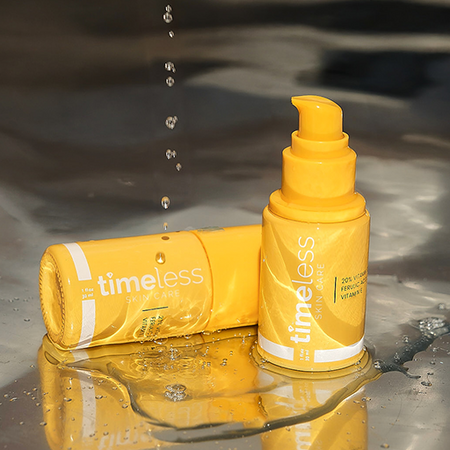
In the vitamin C category, options include our 20% Vitamin C + E Ferulic Acid Serum. Antioxidants are a cornerstone of morning skincare. An antioxidant serum helps defend against oxidative stress caused by environmental factors such as UV exposure and pollution. Vitamin C helps brighten the look of dullness and uneven tone. Vitamin C performance can depend on its form, formulation stability, packaging, and pH. Apply a vitamin C serum to clean skin and gently smooth it over your face and neck. -
Hydrating Serum
After your antioxidant treatment, apply your hydrating products. Hyaluronic acid helps attract, bind, and retain water in the outer layers of the skin. Sodium hyaluronate is the sodium salt of hyaluronic acid. It helps support hydration in the upper layers of the epidermis. Hyaluronic acid helps improve the appearance of dehydration lines. -
Eye Cream (Optional)
The skin surrounding the eyes is delicate and thin. If you choose to use a dedicated eye product, apply a small dab using your ring finger along the orbital bone. Applying eye cream before your facial moisturizer allows the targeted formula to absorb without competing against thicker face creams. -
Moisturizer
A daytime moisturizer helps soften the skin and helps reduce transepidermal water loss (TEWL), the water that evaporates from the skin's surface. Choose a lightweight lotion or gel cream for daytime wear, especially if you apply makeup afterward. Smooth the moisturizer evenly over your face, neck, and upper chest. -
Broad-Spectrum Sunscreen
Daily broad-spectrum sunscreen is the essential final step of every morning skincare routine. Sunscreen must sit as the outermost layer to properly shield your skin from UVA and UVB rays. Choose a broad-spectrum formula with SPF 30 or higher. Apply an adequate amount to your face, ears, and neck at least fifteen minutes before sun exposure, and reapply every two hours during prolonged outdoor activity.
Key Takeaway: Never apply serums or moisturizers over your sunscreen. Sunscreen forms a protective film on the surface of your skin, and layering other skincare products over it can dilute the formula and compromise your sun protection.
The Step-by-Step Evening Skincare Routine
Your evening routine focuses on cleansing away daytime buildup, delivering restorative surface hydration, and applying targeted evening treatments. Because you do not need sunscreen at night, you can use richer textures and specific active ingredients that are sensitive to sunlight.
-
First Cleanse: Makeup and Sunscreen Removal
An evening double cleanse can help remove daytime buildup. Start with an oil cleanser, cleansing balm, or micellar water to break down stubborn sunscreen, makeup, and surface oils. Massage the product gently over dry skin, then rinse with lukewarm water. -
Second Cleanse: Water-Based Cleanser
Follow your first cleanse with a gentle, water-based face wash. This step lifts remaining impurities, sweat, and residue without stripping the skin barrier. Pat your face gently with a clean towel, leaving the skin slightly damp for your next steps. -
Exfoliant (1 to 3 Times Weekly)
Chemical exfoliants containing alpha hydroxy acids (AHAs) or beta hydroxy acids (BHAs) help remove dead surface skin cells and smooth uneven texture. Because exfoliation can increase sensitivity, limit this step to a few evenings per week. Apply liquid or gel exfoliants directly to clean, dry skin after cleansing, and allow the product to settle before moving forward. -
Targeted Treatment Serums
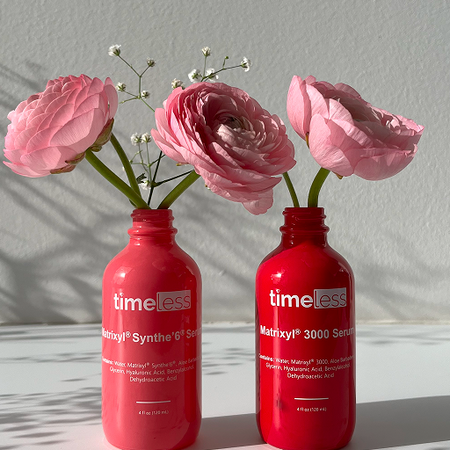
In the peptide category, options include Matrixyl® 3000 Serum. Nighttime is ideal for focused treatments such as peptides or retinoids. Peptides may help support the appearance of firmness and smooth the look of fine lines. If you use a retinoid, apply it during this step. If your skin is sensitive to retinoids, you can apply your moisturizer first to buffer the ingredient. -
Hydration and Barrier Support
In the hydration category, options include Hyaluronic Acid 100% Pure. Hyaluronic acid helps support hydration in the upper layers of the epidermis. Vitamin B5 supports the skin barrier and helps the skin retain moisture. It helps the skin feel more comfortable. -
Night Moisturizer or Cream
Evening moisturizers are often richer than daytime formulas. A nourishing night cream helps reduce moisture loss while you sleep. Smooth the cream across your face and neck using gentle upward motions. -
Facial Oil (Optional)
If your skin tends toward dryness, a few drops of facial oil can be applied as the final step over your moisturizer. A facial oil helps reduce transepidermal water loss (TEWL), the water that evaporates from the skin's surface during the night.
How to Layer Multiple Serums and Active Ingredients
Many skincare routines include more than one serum to address different cosmetic goals. Layering serums correctly can help each product spread properly without causing pilling or surface irritation.
The Order of Multiple Serums
When using more than one serum in a single routine, follow these principles:
- Follow Texture: Apply the most watery serum first, followed by slightly thicker or more viscous formulas.
- Prioritize Primary Concerns: If two serums have identical textures, apply the formula that addresses your primary skin concern first so it has direct contact with clean skin.
- Water Before Oil: Apply all water-based serums before introducing anhydrous, lipid, or oil-based formulas.
Common Skincare Ingredients and Where They Fit
Different active ingredients serve distinct cosmetic functions. Here is how popular ingredients fit into a well-ordered routine:
- Vitamin C: Commonly applied in the morning on clean skin. It helps defend against oxidative stress caused by environmental factors such as UV exposure and pollution, and helps brighten the look of dullness and uneven tone. Finish the morning routine with broad-spectrum sunscreen.
- Hyaluronic Acid: Can be applied morning and night. It helps attract, bind, and retain water in the outer layers of the skin. It helps support hydration in the upper layers of the epidermis.
- Peptides: Suitable for morning or evening application. Peptides may help support the appearance of firmness and integrate easily alongside hydrating humectants.
- CoQ10 (Ubiquinone): A lipid-soluble antioxidant naturally found in skin. It provides antioxidant support as the skin's natural CoQ10 levels decline with age, supports firmer-looking skin, and helps improve the appearance of fine lines. If you have vitiligo, check with your dermatologist before using a CoQ10 product.
- Retinoids: Best reserved for nighttime use. They help refine the look of skin texture and visible lines.
- Niacinamide: A versatile ingredient that can be used morning or evening to help improve the appearance of surface tone and texture.
Wait Times Between Layers
You generally do not need to wait long periods between skincare steps. Most serums absorb within thirty to sixty seconds. Once your skin feels slightly tacky or dry to the touch, you can apply the next layer.
For pH-dependent formulas, such as L-ascorbic acid or chemical exfoliants, giving the product a minute to settle on the skin before applying a neutral moisturizer can be helpful.
Note: Individual reactions to skincare ingredients vary. Anyone with a known sensitivity or diagnosed skin condition should check with their dermatologist before introducing new active formulas into their routine.
Realistic Expectations and Building Consistency
Achieving healthy-looking skin is a gradual process that relies on consistency rather than overnight changes. While hydrating humectants can visibly improve the appearance of dehydration lines shortly after application, visible changes generally depend on regular use.
Visible improvements in skin tone, surface smoothness, and firmness develop progressively as your skin changes over time. Using products in the correct order can support a consistent routine, but skipping days or constantly swapping formulas can disrupt your progress.
Start with a simple core routine: a gentle cleanser, a targeted serum, a reliable moisturizer, and daily broad-spectrum sunscreen. Once your skin feels balanced and comfortable, you can introduce additional treatments one at a time. This measured approach allows you to observe how your skin responds and adjust your routine thoughtfully. For help organizing your steps, use our skincare quiz.
Frequently Asked Questions
Do I need to wait between applying each skincare product?
In most cases, you only need to wait thirty to sixty seconds for each layer to absorb before applying the next product. Your skin should feel slightly set rather than wet. For low-pH active ingredients like L-ascorbic acid or direct exfoliating acids, waiting one to two minutes allows the product to settle evenly over the skin surface before applying richer moisturizers.
Can I apply my moisturizer before my serum?
Applying moisturizer before a serum is generally not recommended because moisturizers contain occlusive and emollient ingredients. A moisturizer helps reduce moisture loss and may make it harder for lighter, water-based serums to spread evenly. The only common exception is buffering strong retinoids with a light moisturizer to help sensitive skin tolerate the treatment.
What is the difference between morning and evening skincare routines?
Morning routines focus on daytime defense and hydration, utilizing antioxidants and finishing with broad-spectrum sunscreen to shield skin from UV rays. Nighttime routines focus on removing daytime impurities through thorough cleansing, delivering restorative hydration, and using ingredients like retinoids or richer creams that are best suited for overnight use.
How should I adjust my routine if my products start pilling?
Product pilling occurs when formulas ball up on the surface of the skin instead of absorbing. This can happen when products are layered too quickly, when too much product is applied, or when silicone-heavy and water-based formulas do not layer well. To prevent pilling, use smaller amounts of each product, pat formulas gently into the skin instead of rubbing vigorously, and allow each layer thirty seconds to settle before applying the next.