Introduction
Building an effective skincare routine involves more than selecting good formulas. The sequence in which you apply your bottles and jars can make a routine easier to follow and help products layer evenly.
Applying formulas out of order can make products pill or sit unevenly on the skin. A heavy cream applied before a watery serum, for example, can make the layers less even.
Understanding the basic rules of skincare layering removes guesswork from morning and evening routines. Whether your daily lineup contains three steps or seven, following a logical sequence helps organize your regimen. A skincare quiz can help organize your routine.
Quick Answer: Apply your skincare products from the thinnest consistency to the thickest consistency. Start with water-based formulas like toners and serums, follow with a moisturizer that helps reduce moisture loss, and always finish your morning routine with broad-spectrum sunscreen.
The Core Principles of Skincare Layering
Skincare layering relies on simple physical principles. You do not need a degree in cosmetic chemistry to get the order right. Remembering three straightforward rules will help you organize any routine.
1. Thin to Thick Consistency
The primary rule of product order is texture. Liquid and low-viscosity products usually go on clean skin first.
Texture can affect how products layer, so lighter formulas generally go before richer ones.
2. Water Before Oil
Water and oil do not mix naturally. Water-based formulas are generally applied before oil-based formulas and rich emulsions. Moisturizers help reduce transepidermal water loss (TEWL).
Generally use aqueous serums before applying oils or dense moisturizers.
3. Formulation Considerations
Some formulas, including L-ascorbic acid vitamin C, are acidic. Follow the directions for each product when layering formulas with different formulations. Applying products from lightest to heaviest remains a practical starting point.
| Product Type | Base Type | Typical Texture | Application Priority |
|---|---|---|---|
| Cleanser | Water or Oil | Wash-off Gel, Foam, or Balm | Step 1 (Rinse clean) |
| Toner / Essence | Water | Liquid | Step 2 (First leave-on) |
| Active Serums | Water or Light Gel | Fluid | Step 3 (Direct to skin) |
| Hydrating Serums | Water / Humectant | Viscous Gel | Step 4 (Layer over actives) |
| Eye Cream | Emulsion | Light Cream or Gel-Cream | Step 5 (Targeted area) |
| Moisturizer | Oil-in-Water Emulsion | Lotion or Cream | Step 6 (Surface coverage) |
| Facial Oil | Lipid / Anhydrous | Rich Liquid | Step 7 (Optional night step) |
| Sunscreen | Mineral or Chemical | Lotion or Fluid | Step 8 (Daytime finale) |


Morning Routine: Step-by-Step Order
A daytime skincare routine focuses primarily on hydration and environmental defense. During the day, your skin encounters sunlight, air pollution, and temperature shifts.
Here is a practical order for a morning routine:
- Cleanse gently with lukewarm water or a mild water-based cleanser.
- Apply an optional hydrating toner or facial mist to damp skin.
- Apply an antioxidant serum, such as a vitamin C formula.
- Apply secondary hydrating or peptide serums.
- Smooth on an eye cream around the orbital bone.
- Apply a daily moisturizer to support comfort and hydration.
- Finish with a layer of broad-spectrum sunscreen rated SPF 30 or higher.
Step 1: Cleanser
Morning cleansing removes sweat, excess oil, and residual night products. A gentle, non-stripping water-based cleanser can be a practical option for many people. If your skin feels particularly dry in the morning, rinsing with plain lukewarm water may be sufficient.
Step 2: Toner or Facial Essence
Toners are optional steps designed to prep the skin surface. A liquid toner can add a hydration step after cleansing. Apply toners with clean hands or a soft cotton pad while the skin is still slightly fresh.
Step 3: Daytime Antioxidant Serum
Antioxidants are a standard staple of morning routines. An antioxidant serum helps defend against oxidative stress caused by environmental factors such as UV exposure and pollution.
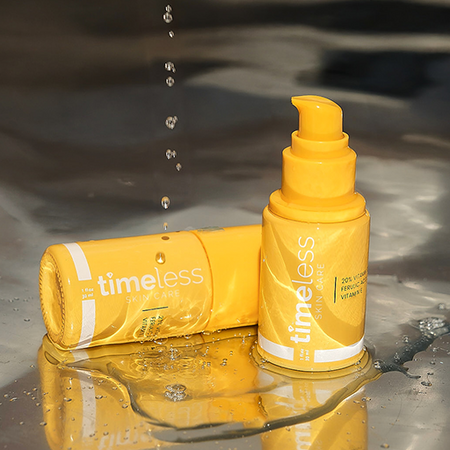
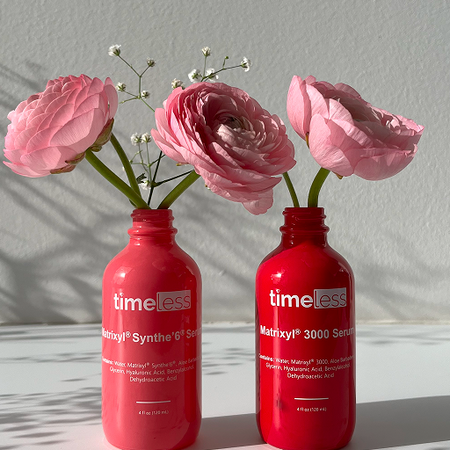
Vitamin C is a widely studied ingredient in this category. For this stage in a daytime routine, Timeless Skin Care offers the 20% Vitamin C + E Ferulic Acid Serum in the vitamin C category.
Vitamin C is often applied in the morning. Vitamin C helps brighten the look of dullness and uneven tone. When vitamin C is used in a morning routine, follow it with broad-spectrum sunscreen.
Step 4: Hydrating and Peptide Serums
After your antioxidant serum, apply additional serums based on your routine and preferences.
Hyaluronic acid is a humectant. Sodium hyaluronate is the sodium salt of hyaluronic acid. Hyaluronic acid helps attract, bind, and retain water in the outer layers of the skin. Hyaluronic acid helps improve the appearance of dehydration lines.
Peptides can also be layered during this step. Peptides may help support the appearance of firmness.
Step 5: Eye Cream
The skin surrounding the eyes is thinner than facial skin. The brand features Dark Circle Peptide Complex Eye Cream.
If you use a dedicated eye product, apply it before your main face cream. Lightly tap a small dot of eye product around the orbital bone using your ring finger.
Step 6: Moisturizer
A morning moisturizer can support comfort and helps reduce moisture loss. Moisturizing lotions keep the surface supple throughout the day. If you have an oilier skin type, a lightweight lotion or gel moisturizer may be adequate. Drier skin types may prefer a creamier texture.
Step 7: Sunscreen
The final step of every morning skincare routine must be a broad-spectrum sunscreen with an SPF rating of 30 or higher.
Never mix your sunscreen directly into your moisturizer or foundation. Doing so can disrupt the film that sunscreens form over the skin. Apply sunscreen evenly to your entire face, ears, neck, and the backs of your hands fifteen minutes before heading outside.
Key Takeaway: Sunscreen is always the final step of your morning skincare routine. No moisturizer, oil, or treatment serum should ever be applied over your sunscreen.
Evening Routine: Step-by-Step Order
An evening routine can focus on thorough cleansing, targeted cosmetic concerns, and moisturization.
- Remove makeup and surface grime with an oil cleanser or micellar water.
- Follow with a gentle water-based cleanser for a complete double cleanse.
- Apply exfoliating toners or clarifying treatments two to three nights per week.
- Apply nighttime treatment serums, such as peptides, vitamin B5, or retinoids.
- Tap on your evening eye cream.
- Apply a nourishing night moisturizer.
- Layer a facial oil as an optional final step for dry skin types.
Step 1 and 2: The Double Cleanse
An evening routine starts with thorough makeup and sunscreen removal.
A double cleanse utilizes two steps:
- An oil-based cleanser or cleansing balm applied to dry skin to dissolve long-wear makeup, excess sebum, and water-resistant sunscreen filters.
- A water-based foaming or gel cleanser applied to damp skin to rinse away residual water-soluble debris, sweat, and particles.
Rinse thoroughly with lukewarm water. Avoid hot water, which can strip surface lipids and lead to temporary tightness.
Step 3: Exfoliants
If your routine includes chemical exfoliants like alpha hydroxy acids, including glycolic or lactic acid, or beta hydroxy acids, including salicylic acid, apply them directly to clean, dry skin.
Exfoliating liquids help remove dead skin cell buildup from the surface and help clear congested pores. Limit leave-on acid treatments to two or three evenings per week to avoid overwhelming the skin barrier.
Step 4: Nighttime Serums and Actives
Night can be a suitable time for serums such as peptides, vitamin B5, and coenzyme Q10.
Ubiquinone, known as CoQ10, is a lipid-soluble antioxidant naturally found in skin. In the antioxidant category, Timeless Skin Care provides Coenzyme Q10 Serum.
CoQ10 provides antioxidant support as the skin's natural CoQ10 levels decline with age. CoQ10 helps improve the appearance of fine lines. CoQ10 supports firmer-looking skin. CoQ10 is generally used once daily.
You can also use a B5 formulation at night. Vitamin B5 supports the skin barrier and helps the skin retain moisture. Vitamin B5 helps the skin feel more comfortable after a long day.
If you have vitiligo, check with your dermatologist before using a CoQ10 product.
Step 5: Evening Moisturizer
A night cream is often richer than a daytime lotion. Nighttime moisturizers contain a blend of humectants, emollients, and occlusive agents. A night moisturizer helps reduce transepidermal water loss (TEWL), the water that evaporates from the skin's surface while you sleep. Smooth the cream over your face, neck, and upper chest.
Step 6: Facial Oils (Optional)
If your skin experiences persistent dryness or rough texture, a facial oil can serve as your final step. Facial oils contain lipids that sit on the outermost layer of the epidermis. Smooth two to three drops of oil over your moisturizer to provide an extra layer of comfort.
Note: Facial oils should always go on top of water-based moisturizers. Because oils are occlusive, place them after water-based hydrators.
How to Layer Multiple Serums
Many people use more than one serum in their daily routines. Layering serums allows you to target multiple cosmetic concerns, such as dullness, dehydration, and the visible signs of aging.
When layering two or more serums, follow these practical guidelines:
- Evaluate consistency first: Apply the serum with the most watery, fluid consistency first. Follow with thicker gels or viscous liquids.
- Consider solvent bases: Water-soluble serums must precede lipid-soluble or emulsion serums.
- Limit the count: Applying two serums per routine is usually sufficient. Layering more than three serums can cause formulas to pill on the skin surface rather than layer smoothly.
- Allow brief settling windows: You do not need to wait ten minutes between steps. Waiting thirty to sixty seconds allows each layer to settle before applying the next product.
The sequence above illustrates the standard transition from light liquid to dense cream:
- Cleanse.
- Water-based active serum, such as vitamin C.
- Hydrating or peptide gel serum.
- Moisturizer.
If you choose to use both an exfoliating acid and a retinoid, avoid using them in the exact same evening routine. Alternate them on different nights. This spacing can help keep your skin feeling comfortable and avoid unnecessary irritation.
Setting Realistic Expectations for Your Skincare Routine
Skincare products work gradually on the outer layers of the epidermis. Cosmetic formulas do not produce overnight transformations.
Visible improvements in skin texture, radiance, and hydration can depend on regular use and individual response. Humectants may make dehydration lines look improved by supporting surface hydration. Changes in the look of uneven tone, fine lines, and skin firmness may take continued use.
Individual skin responses vary based on factors such as genetics, climate, and lifestyle. If you have a known sensitivity or a diagnosed skin condition, check with your dermatologist before introducing new active formulas to your routine.
Founded in 2009 by Veronica Pedersen, Timeless Skin Care focuses on clean, simple formulas. The brand maintains cruelty-free standards. A consistent, well-ordered routine can support the appearance of skin over time.
Frequently Asked Questions
Can I apply moisturizer before my serum if my skin is sensitive?
You can, but applying moisturizer before your serum changes the layering order and may affect how the serum feels on your skin. For standard layering, apply your serum to clean skin before your moisturizer.
How long should I wait between each skincare step?
Most products do not require long waiting periods. You only need to wait thirty to sixty seconds for a watery serum or toner to settle before applying your next layer. The exception is sunscreen: allow your daily moisturizer to dry completely before smoothing on your SPF to support even application.
Is it necessary to use different routines for morning and evening?
Morning and evening routines can serve different practical purposes. Daytime routines often include an antioxidant serum, light hydration, and sunscreen. Evening routines focus on removing daily buildup, applying active treatments, and moisturizing. Adjusting your product selection between morning and night can create a balanced skincare approach.
What should I do if my skincare products start pilling?
Pilling occurs when products rub off in small flakes instead of sitting evenly on the skin. This usually happens when formulas are applied too quickly in succession, when too many heavy products are layered together, or when silicone- and water-based formulas do not layer well. To resolve pilling, reduce the number of products you layer, use smaller amounts, and let each layer settle before applying the next.