Introduction
Knowing how to apply skincare products in the right sequence is just as important as choosing the right formulas. A consistent sequence can help products layer comfortably and reduce pilling. Layering products incorrectly may cause pilling or surface congestion.
The general framework for any routine rests on a simple texture rule: apply products from thinnest to thickest. Water-based treatments go on clean skin first, followed by richer emulsions, creams, and oils. In the morning, the sequence finishes with broad-spectrum sun protection. In the evening, the routine prioritizes thorough cleansing followed by hydration.
Founded in 2009 by Veronica Pedersen, Timeless Skin Care offers skincare products. Whether you maintain a minimalist three-step routine or use several targeted treatments, this guide explains how to layer your products for a consistent routine. For help choosing a routine, try our skincare quiz.
The Core Rule: Thinnest to Thickest
The foundational rule of product layering is to apply products according to their texture and formula. Light, water-based solutions are generally applied before richer emulsions, creams, and oils.
If you apply a rich moisturizer first, lighter serums may sit on top of the cream, evaporate, or roll into small flakes. Following the progression can help reduce pilling.
Key Takeaway: Always apply products starting with fluid, water-based textures and finish with heavier creams or oils. The only daytime exception is sunscreen, which must always be your final step.
| Step Type | Formula Texture | Primary Function | Routine Timing |
|---|---|---|---|
| Cleanser | Water, gel, or oil-to-milk | Removes surface debris, excess oil, and makeup | AM and PM |
| Toner or Mist | Ultra-light liquid | Hydrates the skin surface and preps for serums | AM and PM |
| Water-Based Serum | Fluid, low viscosity | Delivers targeted active ingredients | AM and PM |
| Eye Treatment | Lightweight cream or gel | Hydrates and conditions the delicate eye area | AM and PM |
| Moisturizer | Lotion, cream, or emulsion | Helps reduce moisture loss | AM and PM |
| Facial Oil | Lipid-rich oil | Conditions surface dryness | PM or dry AM |
| Sunscreen | Fluid or cream SPF 30+ | Shields skin from UVA and UVB rays | AM only |


Morning Skincare Routine Order
Your daytime routine centers on hydration and environmental defense. During the day, your skin encounters sunlight, pollution, and climate shifts. The morning sequence should remain lightweight, comfortable under makeup, and finished with broad-spectrum sunscreen.
-
Cleanser
Start by washing your face with a gentle, non-stripping cleanser. A morning cleanse rinses away overnight sweat, natural oils, and residual nighttime products. If your skin is notably dry, a splash of lukewarm water may be sufficient. -
Hydrating Toner or Mist
Applying a fluid toner or mist refreshes the skin surface. Formulas containing humectants like hyaluronic acid can support hydration. Hyaluronic acid helps attract, bind, and retain water in the outer layers of the skin. -
Antioxidant Serum
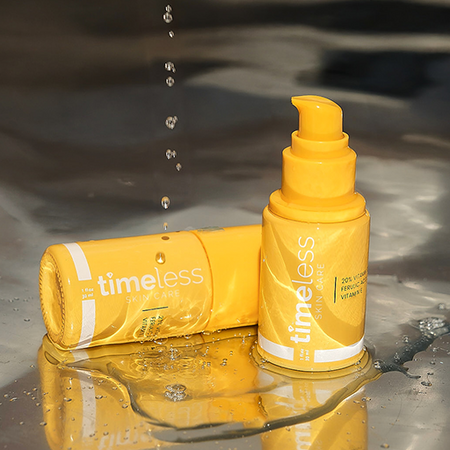
The 20% Vitamin C + E Ferulic Acid Serum is a serum.Morning is a common time to apply antioxidant treatments. An antioxidant helps defend against oxidative stress caused by environmental factors such as UV exposure and pollution. Vitamin C is a widely used morning ingredient that helps brighten the look of dullness and uneven tone. -
Targeted Water-Based Treatments
If you use additional hydrating or peptide treatments, apply them immediately after your antioxidant serum. Peptides may help support the appearance of firmness. Vitamin B5 supports the skin barrier and helps the skin retain moisture. -
Eye Cream
Dab a small amount of eye treatment around the orbital bone using your ring finger. The skin around the eyes is thin and prone to early dehydration lines. Applying eye cream before your facial moisturizer is a common layering choice. Explore the eye cream collection for eye treatment options. -
Moisturizer
A daytime moisturizer helps reduce transepidermal water loss (TEWL), the water that evaporates from the skin's surface. Choose a lightweight lotion or gel cream that absorbs cleanly without leaving a greasy film. -
Broad-Spectrum Sunscreen
Sunscreen is the mandatory final step of every morning skincare routine. Apply a generous amount of broad-spectrum SPF 30 or higher to your face, neck, and ears. Sunscreen must form an even, uninterrupted film across the skin. Never mix your sunscreen directly into your moisturizer or foundation, as diluting the formula compromises its protective rating.
Note: Allow your moisturizer to absorb for one to two minutes before applying sunscreen. This prevents pilling and helps the sun filter form an even film over your skin.
Evening Skincare Routine Order
Your nighttime routine focuses on removing the buildup of the day and supporting hydration. It can be a useful time for richer formulas.
-
First Cleanse (Makeup and Sunscreen Removal)
If you wear long-wearing makeup or water-resistant sunscreen, begin with an oil cleanser, cleansing balm, or micellar water. These lipid-based cleansers dissolve stubborn surface impurities without excessive rubbing. -
Second Cleanse (Water-Based Wash)
Follow with a gentle foaming or gel cleanser to wash away dissolved residue, sweat, and environmental grime. Thorough cleansing leaves the skin clean and ready to receive subsequent leave-on products. -
Exfoliant (1 to 3 Times Weekly)
If your routine includes chemical exfoliants such as alpha hydroxy acids (AHAs) or beta hydroxy acids (BHAs), apply them directly after cleansing. Exfoliating acids remove accumulated dead surface skin cells to improve the look of uneven texture. Limit chemical exfoliation to a few nights per week to avoid over-exfoliating the skin surface. -
Hydrating Toners and Essences
Pat a hydrating toner onto your face and neck. Replenishing surface moisture immediately after cleansing helps the skin feel more comfortable and preps the surface for richer treatments. -
Treatment Serums
The Coenzyme Q10 Serum is a serum.CoQ10 provides antioxidant support as the skin's natural CoQ10 levels decline with age. CoQ10 helps improve the appearance of fine lines. CoQ10 supports firmer-looking skin. If you have vitiligo, check with your dermatologist before using a CoQ10 product. -
Eye Cream
Apply your nighttime eye cream around the eye contour. -
Night Cream or Barrier Moisturizer
Choose a richer moisturizer in the evening. A nighttime moisturizer helps reduce moisture loss, leaving skin feeling soft and supple by morning. -
Facial Oil (Optional Final Step)
If your skin is prone to persistent dryness, pressing a small amount of face oil over your moisturizer provides an extra conditioning layer. Facial oils sit on the skin's surface and can smooth rough texture.
How to Layer Multiple Serums and Actives
Many routines involve more than one treatment serum. When layering multiple targeted treatments, organizing them logically can help keep the routine manageable. For additional guidance, read How to Layer Multiple Serums.
1. Match Formats and Viscosities
When using two or more serums in a single routine, apply the thinnest, most watery formula first. Allow it thirty to sixty seconds to settle into the skin before applying the next viscosity up. For example, apply a thin liquid serum before a viscous gel serum.
2. Manage Ingredient Spacing
Certain concentrated ingredients are often used at different times of day rather than layered directly on top of each other.
- Vitamin C: Vitamin C is most commonly used in the morning, although it is not the only option. Vitamin C helps neutralize free radicals generated by UV exposure. Use it in the morning with broad-spectrum sunscreen.
- Direct Acids (AHAs/BHAs): Best suited for evening routines to avoid daytime photosensitivity.
- Retinoids: Applied at night on clean, dry skin or buffered over a light layer of moisturizer.
Alternating active ingredients between your morning and evening routines can help maintain skin comfort while addressing multiple visual concerns. If you use both an exfoliating acid and a retinoid, consider rotating them on alternating evenings instead of applying them in the same session.
3. Consider Formula pH
Formulas with low, acidic pH levels, such as L-ascorbic acid or glycolic acid, are commonly applied immediately after cleansing on dry skin. Higher-pH hydrators and creams can follow.
Setting Realistic Expectations for Your Skin
Skincare is part of a consistent routine, not an overnight transformation. The skin's outer layer undergoes a natural renewal process. Visible changes in hydration, tone, firmness, and texture can vary and generally depend on consistent daily application.
Cosmetic results are gradual and vary widely from person to person. Factors such as genetics, climate, sleep habits, stress, and daily sun exposure all influence how your skin responds to topical products. Introducing too many products at once makes it difficult to pinpoint which formulas are helping your skin. Add one new product at a time and use it consistently before evaluating its visual impact.
Individual reactions vary. If you have a diagnosed skin condition, check with your dermatologist before introducing concentrated active ingredients. The DIY Build Your Kit collection is a routine-planning option.
Frequently Asked Questions
How long should I wait between each skincare step?
You do not need to wait extended periods between most skincare steps. In general, waiting thirty to sixty seconds allows each layer to settle so the next product does not cause pilling. The key exceptions are chemical exfoliants, which may need a brief pause, and moisturizers before sunscreen. Always allow your moisturizer to dry down completely before applying SPF so the sun protection film remains intact.
Can I skip toner in my skincare routine?
Yes, toner is an optional step. The essential core of any routine consists of a gentle cleanser, a dependable moisturizer, and a broad-spectrum daily sunscreen. A hydrating toner is one way to support hydration, but if your cleanser is gentle and your serum provides ample hydration, you can skip toner.
In what order should I apply eye cream, serum, and moisturizer?
Apply your water-based face serums first, followed by your eye cream, and finish with your facial moisturizer.
Is morning skincare order different from nighttime skincare order?
Yes, the two routines serve different purposes. The morning routine prioritizes environmental defense and sun protection, ending strictly with broad-spectrum sunscreen. The evening routine focuses on double cleansing to remove makeup, sunscreen, and daily debris, followed by richer moisturizers that help reduce moisture loss.