Introduction
Building an effective skincare regimen involves more than just selecting high-quality formulas. The sequence in which you apply them can affect how they perform. Layering products incorrectly can create physical barriers on the skin surface, preventing lighter treatments from absorbing as intended.
At Timeless Skin Care, we design formulas centered on clean, high-concentration active ingredients manufactured in the USA in small batches. Understanding product weights, ingredient interactions, and timing can help you build a daily regimen without unnecessary complexity.
Key Takeaway: Skincare layering follows a simple fundamental rule: apply products from thinnest consistency to thickest texture, always finishing daytime routines with broad-spectrum sun protection.
Why Skincare Layering Order Matters
The skin's outermost layer functions as a protective shield against the external environment. Skincare formulations vary significantly in molecular weight, base vehicle, and lipid density. Because water cannot easily penetrate dense oil or heavy wax barriers, putting rich creams on before watery treatments may stop lighter formulas from reaching the surface of your skin.
When you follow a logical sequence, each layer performs its specific function:
- Water-based treatments deliver targeted ingredients directly to clean skin.
- A moisturizer softens the surface and helps reduce moisture loss.
- Occlusives and dense creams create a comfortable surface layer.
- Broad-spectrum sunscreen forms an intact film on the outermost surface to defend against ultraviolet rays.
Applying formulas out of order may reduce cosmetic performance. Piling heavy textures under light liquids can also cause products to ball up or peel, a common issue known as pilling.


The Core Rule: Thinnest to Thickest
Navigating multiple formulas becomes straightforward once you categorize them by their physical consistency. As a general principle, liquid textures go first, followed by gel-like solutions, light lotions, rich creams, and finally dense face oils.
| Step Category | Formulation Type | Primary Function |
|---|---|---|
| Cleanse | Water or oil-based wash | Removes surface dirt, makeup, and excess sebum |
| Tone / Prep | Watery liquid or mist | Hydrates and prepares the skin surface |
| Treat | Water-soluble serums | Delivers concentrated cosmetic ingredients |
| Target | Anhydrous serums or eye creams | Addresses localized surface concerns |
| Moisturize | Lotions, creams, or emulsions | Softens skin and helps reduce transepidermal water loss (TEWL) |
| Protect (AM) | Broad-spectrum SPF cream | Defends against UV exposure |
When working with multiple treatments that share a similar watery consistency, prioritize your primary skin concern first. For instance, you might choose to apply an antioxidant serum targeting tone before a hydrating serum designed for surface comfort.
How to Do Your Morning Skincare Routine
Daytime skincare focuses on hydration and environmental defense. During daylight hours, your complexion faces exposure to sun, wind, and city pollution.
Quick Answer: A daytime routine should follow this specific order: cleanse, apply water-based antioxidant serums, layer hydrating serums or lightweight lotions, moisturize if needed, and always finish with broad-spectrum sunscreen.
Step 1: Gentle Cleanser
Rinse away perspiration and residual nighttime formulas using lukewarm water or a mild, non-stripping cleanser. A clean surface ensures subsequent products make proper contact with the skin.
Step 2: Antioxidant Serum
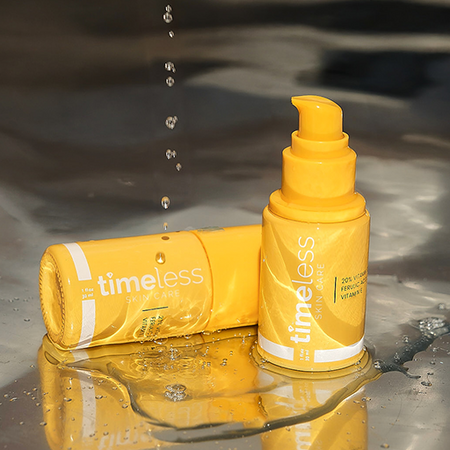
Antioxidants can be part of a morning routine. Vitamin C helps defend against oxidative stress caused by environmental factors such as UV exposure and pollution. The linked our 20% Vitamin C + E Ferulic Acid Serum is a vitamin C serum. Vitamin C helps brighten the look of dullness and uneven tone. Morning use of vitamin C should always be paired with broad-spectrum sunscreen.
Step 3: Hydrating Serums and Peptides
Once your primary antioxidant absorbs, layer hydrating treatments. For more information about hyaluronic acid, see the ingredient glossary. Hyaluronic acid is a humectant, not a moisturizer. Sodium hyaluronate is the sodium salt of hyaluronic acid. It helps attract, bind, and retain water in the outer layers of the skin. It helps support hydration in the upper layers of the epidermis and helps improve the appearance of dehydration lines.
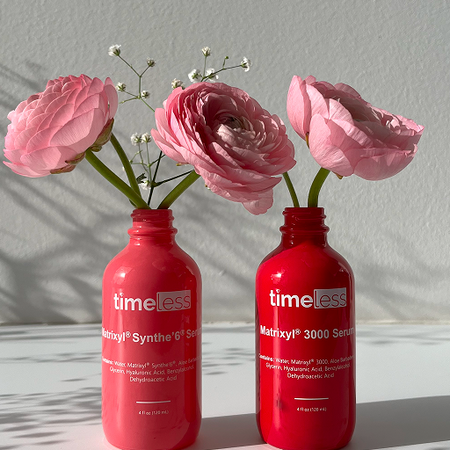
If you are incorporating multi-peptide blends, apply them during this step. Matrixyl 3000 Serum is a peptide serum.
Step 4: Eye Cream and Lightweight Moisturizer
Dab a pea-sized amount of eye cream around the orbital bone. Follow with your regular facial moisturizer to soften the skin surface. A moisturizer helps reduce transepidermal water loss (TEWL), the water that evaporates from the skin's surface throughout the day.
Step 5: Broad-Spectrum Sunscreen
Sunscreen is the non-negotiable final step of every morning routine. Apply a generous amount of broad-spectrum sunscreen with SPF 30 or higher at least fifteen minutes before stepping outside. Sunscreen must sit on the outermost layer of your skin care stack to provide an unbroken protective barrier. Avoid applying serums, moisturizers, or face oils over your sunscreen, as doing so can disrupt the sunscreen layer.
How to Do Your Nighttime Skincare Routine
Evening routines shift the focus toward barrier support and surface smoothing. At night, you remove the day's buildup and apply richer textures that keep the skin comfortable while you rest.
- Double Cleanse: Start with an oil-based cleanser or makeup remover to break down long-wear cosmetics and water-resistant sunscreen. Follow immediately with a gentle water-based wash to rinse away leftover residue.
- Tone or Exfoliate: If your routine includes liquid exfoliating acids, such as glycolic, lactic, or salicylic acid, apply them to dry skin after cleansing. Limit chemical exfoliation to two or three nights per week to avoid overwhelming the skin barrier.
- Targeted Serums: Smooth on your nightly treatment serums. Ubiquinone is a lipid-soluble antioxidant naturally found in skin. CoQ10 is generally used once daily. Formulations featuring this ingredient provide antioxidant support as the skin's natural CoQ10 levels decline with age. CoQ10 helps improve the appearance of fine lines and supports firmer-looking skin. If you have vitiligo, check with your dermatologist before using a CoQ10 product.
- Barrier Support: Ingredients like Vitamin B5 (calcium pantothenate) can be layered here. Vitamin B5 supports the skin barrier and helps the skin retain moisture. It helps the skin feel more comfortable.
- Night Cream: Apply a nighttime moisturizer or cream. Moisturizers help reduce moisture loss.
- Facial Oils: If your skin feels particularly dry or dehydrated, pat two to three drops of face oil over your moisturizer as the final step.
Managing Ingredient Combinations and Product Conflicts
Layering multiple potent active ingredients requires a balanced approach. Using too many strong formulas in a single sitting can lead to unwanted surface sensitivity.
Alternating Routines
You do not need to use every active ingredient every day. If you use direct exfoliating acids, retinoids, and high-strength L-ascorbic acid, consider cycling them across different days or splitting them between morning and night. For example, reserve your vitamin C serum for morning application and use resurfacing acids or retinoids on alternating evenings.
Formula Stability
L-ascorbic acid is sensitive to air, light, and heat. Formulations containing this active perform best in opaque, airtight pump packaging and should be stored in a cool, dark environment to maintain their freshness over time. If a vitamin C serum gradually darkens to an amber hue, it is undergoing oxidation, which reduces its potency and may increase the likelihood of irritation for some people.
Skin Sensitivity Considerations
Individual reactions vary, and anyone with a known sensitivity or diagnosed skin condition should check with their dermatologist before introducing new active formulas into their routine.
Setting Realistic Expectations for Your Regimen
Consistency can support cosmetic results, but changes do not happen overnight. The skin undergoes a natural surface turnover process. While hyaluronic acid helps attract, bind, and retain water in the outer layers of the skin, the appearance of texture, tone, and fine lines may change gradually with consistent use.
Everyone's skin responds at a different pace based on environmental exposure, genetics, age, and lifestyle habits. Evaluating your skin after a period of consistent use gives you an assessment of how well a particular sequence works for your complexion.
Frequently Asked Questions
How long should I wait between skincare steps?
You do not need to wait extended periods between most routine steps. Allowing each product twenty to thirty seconds to absorb until the surface feels slightly tacky or settled is sufficient. The exception is daily sunscreen, which should be allowed to set for fifteen minutes before applying makeup or going into direct sunlight.
Can I apply face oil before my moisturizer?
Water-based moisturizers may not easily penetrate oil layers. Because face oils are occlusive and emollient, they should generally be applied after your water-based creams or mixed directly with your moisturizer to help reduce moisture loss.
Is it necessary to wash my face with cleanser in the morning?
While individuals with oily or combination skin often benefit from a gentle morning cleanse to remove overnight sebum, those with dry or sensitive skin may prefer rinsing thoroughly with lukewarm water before applying their morning serums and SPF.
What is the correct order for applying multiple serums?
When applying multiple serums, begin with the lightest, most watery solution first. If two serums have an identical water-based texture, apply the one addressing your primary skin concern first, let it absorb, and then layer the secondary formula over it.