Introduction
Building a daily skincare routine involves more than selecting formulas. Understanding skincare order helps you organize products into a comfortable routine. Many people apply lightweight, water-based products before denser, oil-based creams.
Applying formulas out of sequence may leave residue or cause products to pill. A consistent order can make your routine easier to follow.
Timeless Skin Care was founded in 2009 by Veronica Pedersen to focus on clean, straightforward formulations. Following a structured order helps you organize each step in your morning and evening routines.
Key Takeaway: A common approach is to layer skincare from the thinnest consistency to the thickest consistency, finishing with daily broad-spectrum sunscreen in the morning and a moisturizer at night.
Core Rules for Skincare Layering
Layering products does not require an overwhelming routine. A few fundamental rules can make it simple to organize your products into a logical sequence.
1. Thin to Thick Consistency
The primary rule of product layering is consistency. Liquid and water-based steps generally go onto clean skin first. Denser, richer formulas usually belong toward the end of your routine.
Light formulas usually spread easily, while denser formulas feel richer. Applying lighter products before denser products can make it easier to build a comfortable routine.
2. Water Before Oil
Many routines place water-based serums before oil-based serums, face oils, or heavier creams. This order keeps lighter textures earlier and richer textures later.
3. Consider Formula Instructions
Some active ingredients, including L-ascorbic acid and exfoliating acids, are used in acidic formulas. If you include one, follow the product directions and let the layer settle before applying the next product.
| Product Type | Base Formula | Typical Texture | Routine Position |
|---|---|---|---|
| Cleanser | Water or Oil | Gel, Foam, or Balm | Step 1 |
| Toner or Essence | Water | Liquid | Step 2 |
| Active Serums | Water or Light Gel | Fluid | Step 3 |
| Hydrating Serums | Water or Gel | Viscous Fluid | Step 4 |
| Eye Cream | Emulsion | Cream or Gel | Step 5 |
| Moisturizer | Oil-in-Water Emulsion | Lotion or Cream | Step 6 |
| Facial Oil | 100% Oil | Liquid Oil | Step 7 (PM) |
| Daily Sunscreen | Emulsion | Lotion or Fluid | Step 7 (AM) |


Step-by-Step Morning Skincare Sequence
Your morning skincare routine focuses on surface hydration and environmental defense. During daytime hours, your skin encounters sunlight, wind, and airborne particles.
Step 1: Gentle Cleansing
Morning cleansing clears away sweat, excess sebum, and any residue from evening products.
Use lukewarm water and a gentle cleanser that rinses clean. If your skin feels dry or sensitive in the morning, a simple rinse with water may be sufficient. Avoid hot water, which can strip away surface lipids and leave your skin feeling tight.
Step 2: Hydrating Toner or Mist
Toners are optional steps that can prepare the skin surface after washing. Modern toners do not rely on harsh alcohol bases. Instead, they provide light surface hydration.
Apply toner by gently patting it across your face and neck with your fingers or a soft cotton round. A damp skin surface can make applying subsequent humectant serums smoother.
Step 3: Vitamin C and Daytime Antioxidants
Vitamin C helps defend against oxidative stress caused by environmental factors such as UV exposure and pollution. Vitamin C supports the skin's antioxidant defenses.
Vitamin C is one of the most widely researched topical skincare ingredients. L-ascorbic acid is a water-soluble form of Vitamin C. Vitamin C helps brighten the look of dullness and uneven tone.
Always pair morning Vitamin C use with broad-spectrum sunscreen.
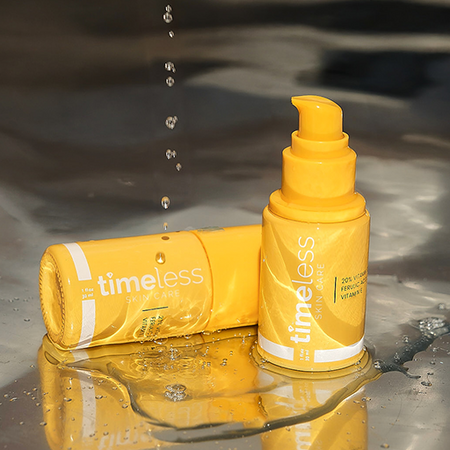
Within our Vitamin C category, we offer the 20% Vitamin C + E Ferulic Acid Serum.
Step 4: Peptides and Daytime Hydration
After your antioxidant serum has settled, apply other serums as needed.
Hyaluronic acid is a humectant, not a moisturizer. It helps attract, bind, and retain water in the outer layers of the skin. It helps support hydration in the upper layers of the epidermis.
Peptides may help support the appearance of firmness.
Step 5: Eye Cream
The skin surrounding the eyes is thinner than the skin on the rest of the face. An eye cream can provide targeted moisture.
Apply eye cream along the orbital bone without pulling or rubbing the delicate skin around the lower lids.
Within our Eye category, we offer the Dark Circle Peptide Complex Eye Cream.
Step 6: Daily Moisturizer
Moisturizers combine humectants, emollients, and occlusive agents. A daytime moisturizer helps reduce moisture loss.
Select a texture based on your individual comfort:
- Gel moisturizers may offer a weightless feel for oily or combination skin.
- Lotions may deliver balanced hydration for normal skin.
- Richer creams may feel more comfortable for persistently dry skin.
Spread a nickel-sized amount evenly over your face and neck, massaging with upward motions until absorbed.
Step 7: Broad-Spectrum Sunscreen
Sunscreen is the mandatory final step of every morning skincare routine. You must wear a broad-spectrum sunscreen with an SPF of 30 or higher every day, regardless of cloud cover or season.
Key Takeaway: Sunscreen should always be the final skincare product applied in the morning. Applying moisturizer or oil over it may disturb the sunscreen layer.
Reapply your broad-spectrum sunscreen every two hours when outdoors, or after sweating or swimming.
Step-by-Step Evening Skincare Sequence
Your evening routine focuses on thorough cleansing, surface hydration, and overnight moisture support.
Step 1: First Cleanse (Makeup and Sunscreen Removal)
Throughout the day, long-wearing makeup, water-resistant sunscreen, and airborne pollutants accumulate on your face. A double cleanse begins with an oil cleanser, cleansing balm, or micellar water.
Apply your oil cleanser to dry hands and dry skin. Massage gently across your face to dissolve makeup and sunscreen. Add a small amount of warm water to emulsify the oil into a milky liquid, then rinse thoroughly.
Step 2: Second Cleanse (Water-Based Cleanser)
Follow your oil cleanser with a water-based gel, foam, or cream wash. This step removes residual dirt, sweat, and emulsified oils left behind by the first cleanse.
Lather a dime-sized amount with water, massage over your face for thirty to sixty seconds, and rinse completely with lukewarm water. Pat your face gently with a clean towel.
Step 3: Chemical Exfoliants (1 to 3 Times Weekly)
Chemical exfoliants such as alpha hydroxy acids, including glycolic or lactic acid, and beta hydroxy acids, including salicylic acid, remove loosened dead cells from the skin surface.
Limit chemical exfoliation to one to three nights per week to avoid surface irritation. Apply the liquid or gel directly to clean, dry skin. Follow product directions when combining exfoliants with other active products.
Step 4: Targeted Night Serums
Nighttime is an opportunity to apply specialized cosmetic treatments.
- CoQ10: Ubiquinone is a lipid-soluble antioxidant naturally found in skin. CoQ10 provides antioxidant support as the skin's natural CoQ10 levels decline with age. CoQ10 helps improve the appearance of fine lines. CoQ10 supports firmer-looking skin. If you have vitiligo, check with your dermatologist before using a CoQ10 product.
- Vitamin B5: Calcium pantothenate supports the skin barrier and helps the skin retain moisture. Calcium pantothenate helps the skin feel more comfortable.
- Retinoids: Retinol or retinoid serums may help improve the appearance of uneven texture and fine expression lines.
For additional reading, see Coenzyme Q10 and Vitamin B5.
If you are layering multiple serums at night, apply the thinnest water-based formula first. Allow each layer to settle before adding the next.
Within our Hydration category, we feature Hyaluronic Acid 100% Pure.
Step 5: Evening Moisturizer
An evening moisturizer helps reduce transepidermal water loss (TEWL).
Night creams may contain emollients such as squalane, shea butter, or ceramides. Smooth a generous layer over your face and neck according to the product directions.
Step 6: Facial Oil (Optional)
If your skin feels dry, tight, or parched, you can finish your evening routine with a facial oil.
Facial oils do not hydrate the skin on their own because they contain no water. Instead, they act as an emollient layer that softens the skin surface. Warm two drops of oil between your palms and gently press them over your nighttime moisturizer.
How to Layer Active Ingredients Safely
Layering multiple active ingredients requires care. Using too many strong formulas at once can compromise your skin barrier, leading to visible redness, flaking, and discomfort.
Morning vs. Evening Distribution
Distributing your active ingredients between morning and night keeps your routine balanced and easy to manage.
- Morning focus: Cleanse, apply Vitamin C or antioxidant serums, apply humectants, moisturize, and apply broad-spectrum sunscreen.
- Evening focus: Double cleanse, apply targeted peptides, CoQ10, or retinoids, and finish with a rich moisturizer.
For help organizing product steps, use our skincare quiz.
Combining Serums Properly
When using multiple serums in a single routine, follow these practical pairing guidelines:
- Vitamin C + Peptides: Apply your low-pH Vitamin C serum first. Let it settle before applying your peptide serum.
- Hyaluronic Acid + Other Serums: Hyaluronic acid helps attract, bind, and retain water in the outer layers of the skin. If you use a treatment serum first, follow with your hyaluronic acid serum.
- Retinol + Exfoliating Acids: Avoid applying chemical exfoliants and retinoids at the exact same time. Alternate these ingredients on separate evenings to help limit irritation.
Note: Individual skin reactions vary when introducing new skincare formulas. Anyone with known sensitivities, broken skin, or diagnosed dermatological conditions should check with their dermatologist before combining multiple concentrated active ingredients.
Setting Realistic Expectations for Your Skincare Routine
Consistency is more important than complexity when it comes to visible skincare results. Switching products frequently or overloading your skin with too many steps can disrupt the outer barrier.
Cosmetic improvements develop gradually. Surface hydration and a smoother skin texture may become noticeable with consistent moisturizer and humectant use. Changes in the look of fine lines, skin firmness, and uneven tone may take longer and vary by person.
Skin changes naturally with seasonal weather, lifestyle shifts, and age. Pay attention to how your skin responds to each step. If you notice persistent flaking or tightness, reduce your active ingredients and focus on gentle cleansing, basic hydration, and broad-spectrum sunscreen.
Frequently Asked Questions
Can I apply my hyaluronic acid serum after my moisturizer?
A typical routine places a hyaluronic acid serum before moisturizer. Hyaluronic acid is a humectant, not a moisturizer. It helps support hydration in the upper layers of the epidermis. A moisturizer helps reduce moisture loss.
How long should I wait between applying different skincare steps?
Most everyday skincare products do not require a long waiting period between layers. For hydrating toners, humectant serums, and light lotions, let each layer feel settled before applying the next. For low-pH formulas such as L-ascorbic acid or direct exfoliating acids, follow the product directions and allow the layer to settle. Let your morning moisturizer settle before applying broad-spectrum sunscreen.
In what order do you apply skincare if you use face oil?
In a typical evening routine, apply face oil after water-based serums and moisturizer. Oils are emollients that rest on the surface of the skin. In the morning, apply face oil before broad-spectrum sunscreen and let it settle first.
Is it necessary to wash your face with a cleanser in the morning?
Morning cleansing depends on your skin type and personal comfort. If you have oily skin or wake up with product residue from the night before, a gentle water-based cleanser helps clear away surface oils. If your skin is dry or sensitive, rinsing your face with lukewarm water alone may be enough to prepare your skin for morning serums, moisturizer, and daily broad-spectrum sunscreen.