Introduction
Layering skincare products by consistency can make a routine easier to follow. Start with lighter, water-based products and move toward thicker creams or facial oils.
Establishing a reliable sequence does not require a dozen steps. Whether you prefer a minimal three-step lineup or a more detailed regimen, the fundamental framework remains consistent. You cleanse first, apply targeted water-based steps next, and finish with emollient formulas.
Timeless Skin Care was founded in 2009 by Veronica Pedersen. Learn more about the company on the About page. This guide explains how to layer morning and evening products.
Quick Answer: Apply your products in order of consistency, moving from the thinnest, water-based textures to the thickest creams or facial oils. During the day, always finish with a broad-spectrum sunscreen.
The Core Rule of Skincare Layering: Thinnest to Thickest
The most reliable rule in skincare is layering by texture. Start with lighter, more fluid products and move toward richer creams and facial oils. Applying a lightweight serum after an oil or thick balm may make it harder to spread evenly.
| Product Type | Primary Consistency | Primary Routine Role | Placement Order |
|---|---|---|---|
| Water-based Cleanser | Fluid or gel | Cleanses surface residue | Step 1 |
| Toner or Essence | Water-light liquid | Prepares surface skin | Step 2 |
| Active Serums | Thin liquid or gel | Delivers targeted ingredients | Step 3 |
| Eye Cream | Light cream or gel | Hydrates delicate eye area | Step 4 |
| Moisturizer | Lotion or cream | Helps reduce moisture loss | Step 5 |
| Facial Oil | Rich oil | Adds an emollient step | Step 6 (Optional) |
| Daily Sunscreen | Lotion or fluid | Filters UV exposure | Final Step (AM) |


Morning Skincare Routine Order
Daytime skincare focuses on hydration and environmental defense. During the day, your skin encounters sunlight, wind, and airborne pollutants. An antioxidant serum helps defend against oxidative stress caused by environmental factors such as UV exposure and pollution.
- Cleanser: Start by washing away overnight sweat, surface oils, and lingering nighttime products. A gentle, sulfate-free foaming or gel cleanser can be an option. If your skin feels particularly dry upon waking, rinsing thoroughly with lukewarm water can be sufficient.
- Hydrating Toner or Mist: If you choose to use a toner, apply it immediately after cleansing. A hydrating toner can add a light hydration step.
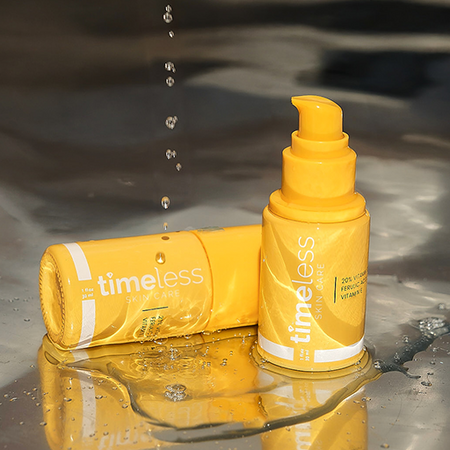
- Antioxidant Serum: Morning use is common for vitamin C, though it is not the only option. Vitamin C helps brighten the look of dullness and uneven tone. It supports the skin's antioxidant defenses. Apply an antioxidant serum evenly across your face and neck. You can incorporate a formula from the vitamin C category, such as the 20% Vitamin C + E Ferulic Acid Serum.
- Hydrating Serums: After your antioxidant serum settles, you can apply humectants. Hyaluronic acid helps attract, bind, and retain water in the outer layers of the skin. A focused product from the hydration category, like Hyaluronic Acid 100% Pure, fits into this stage.
- Eye Cream: The skin surrounding the eyes is thin and prone to early dryness. Gently tap a small amount of eye cream around the orbital bone using your ring finger.
- Daily Moisturizer: Apply a lightweight lotion or emulsion to support your surface barrier. A standard daytime moisturizer helps reduce transepidermal water loss (TEWL), the water that evaporates from the skin's surface.
- Broad-Spectrum Sunscreen: Apply a broad-spectrum sunscreen with an SPF rating of 30 or higher every single morning. Sunscreen must always be the final step of your morning skincare routine. Applying creams or oils on top of your sunscreen may interfere with even application.
Key Takeaway: Never mix your sunscreen directly into your moisturizer or foundation. Layer your sunscreen over your moisturizer once the lotion has fully dried down.
Evening Skincare Routine Order
Your nighttime regimen gives you the opportunity to cleanse away daytime grime and use targeted ingredients that may be sensitive to sunlight.
- First Cleanse (Makeup and Sunscreen Removal): Use an oil cleanser, cleansing balm, or micellar fluid to dissolve long-wear makeup, sebum, and water-resistant sunscreen filters. Massage gently onto dry skin, then rinse thoroughly.
- Second Cleanse: Follow with a gentle water-based face wash to remove remaining impurities from the skin's surface. This double-cleansing process can help prepare your skin for leave-on products.
- Exfoliation (1 to 3 Times Weekly): Chemical exfoliants containing alpha-hydroxy acids (AHAs) or beta-hydroxy acids (BHAs) remove dead skin cell buildup from the surface. Limit this step to a few evenings per week to avoid irritating your skin barrier.
- Targeted Treatment Serums: Nighttime is well suited for specialized formulas. Peptides may help support the appearance of firmness. CoQ10 is generally used once daily. CoQ10 provides antioxidant support as the skin's natural CoQ10 levels decline with age. You can find an option in the antioxidant category, such as the Coenzyme Q10 Serum. If you have vitiligo, check with your dermatologist before using a CoQ10 product.
- Barrier Support and Hydration: Vitamin B5 supports the skin barrier and helps the skin retain moisture. It helps the skin feel more comfortable.
- Night Moisturizer: Choose a nourishing cream that helps reduce moisture loss while you sleep. Night creams may have higher oil content than daytime lotions.
- Facial Oil (Optional): If your skin tends toward extreme dryness, you can finish your evening routine by pressing two to three drops of face oil over your moisturizer.
How to Layer Multiple Serums Without Irritation
Many routines include more than one serum. Layering multiple treatments requires attention to consistency, pH levels, and ingredient compatibility.
Follow Texture Rules for Serums
When applying more than one serum in a single routine, layer them from lowest viscosity to highest viscosity. A watery, low-viscosity serum should precede a gel, emulsion, or oil-based fluid. Apply the watery serum before thicker solutions.
Give Layers Time to Absorb
Slapping several serums onto your face in rapid succession can lead to pilling, where formulas ball up into tiny flakes instead of resting smoothly on the skin. Wait thirty to sixty seconds between steps. This brief pause allows each layer to absorb into the upper epidermal layers.
Manage Potential Sensitivities
Combining strong active ingredients in the same routine window can overwhelm your skin. Individual reactions vary, so anyone with a known sensitivity or diagnosed skin condition should check with their dermatologist before introducing potent actives.
- Use vitamin C in the morning to help brighten the look of dullness and uneven tone, and pair morning use with broad-spectrum sunscreen.
- Alternate evenings if you use both chemical exfoliants and retinoids, rather than layering them together in a single night.
- Pair potent active steps with gentle hydrators like hyaluronic acid and vitamin C. Hyaluronic acid helps improve the appearance of dehydration lines.
Setting Realistic Expectations for Your Skincare Routine
Skincare products work gradually on the surface layers of the complexion. Visible changes in texture, clarity, and tone may take time. Consistency can be more useful than using excessive amounts of product.
Individual results vary based on skin type, climate, age, hormonal factors, and sun exposure habits. Hydrating products may offer a temporary smoothing look, while other visible changes vary by ingredient, routine, and individual skin.
Maintaining a simple, consistent lineup may be easier than frequently switching products or overloading your barrier.
Frequently Asked Questions
Do I need to wash my face with cleanser in the morning?
Washing with a cleanser in the morning depends on your skin type and overnight oil production. Oily skin may benefit from a morning cleanse to remove excess sebum and nightly product residue. If your skin is dry or sensitive, rinsing thoroughly with warm water may be adequate to prepare your face for daytime skincare.
In what order should I apply eye cream compared to serums?
Eye cream should generally be applied after your lightweight watery serums and before your heavier facial moisturizer. Because eye creams are formulated for delicate eyelid and orbital tissue, placing them on clean, lightly prepped skin allows the cream to hydrate effectively. Avoid applying potent acid serums or facial oils directly over the eyelids.
Can I apply moisturizer before my serum if my skin is sensitive?
Applying a light layer of moisturizer before a strong active product is a technique often called buffering. This approach slows down the absorption rate of potent ingredients, which may help minimize potential irritation for sensitive skin. For standard hydrating serums, applying them directly onto clean skin before moisturizer is a common sequence.
How long should I wait before applying sunscreen after my moisturizer?
Allow your moisturizer to settle before applying sunscreen. Broad-spectrum sunscreen should be the final step of your morning routine.