Introduction
Knowing which skincare products to buy is only half the battle. Figuring out how to apply them is just as crucial. If you layer a light, water-based serum over a heavy cream, the serum may be harder to apply evenly.
A thoughtful routine supports consistent application, may reduce unnecessary waste, and can help you achieve a balanced complexion.
Whether your regimen includes three products or seven, following a consistent order allows you to get the most out of your daily skincare steps. Founded in 2009 by Veronica Pedersen, Timeless Skin Care provides this guide to building a daily routine.
Quick Answer: Apply your products in order of consistency, moving from the thinnest, water-based textures to the thickest creams or oils. In the morning, always finish with broad-spectrum sunscreen.
The Fundamental Rule: Layering From Thinnest to Thickest
A common guideline for applying skincare is simple: apply products from thinnest consistency to thickest consistency. Water-based liquids come first, followed by light gels, fluid serums, lotion textures, heavier creams, and face oils.
Thicker formulas contain occlusives and emollients. An occlusive agent helps reduce transepidermal water loss (TEWL), the water that evaporates from the skin's surface.
Applying a thin serum on top of a rich night cream may make the serum harder to apply evenly. Reversing the order helps each layer settle onto the skin without unnecessary interference.
| Texture Category | Typical Product Formats | Routine Position | Primary Purpose |
|---|---|---|---|
| Liquid | Cleanser, Water-based Toners, Mists | First | Cleansing and surface prep |
| Fluid / Gel | Light Serums, Concentrates | Early | Delivering targeted cosmetic actives |
| Emulsion / Lotion | Light Lotions, Gel-Creams | Middle | Providing light moisture |
| Rich Cream | Moisturizers, Night Creams | Late | Helping reduce moisture loss |
| Oil | Facial Oils | Last or before SPF in the morning | Conditioning the surface layer |


Morning Skincare Routine: Step-by-Step Guide
Your morning routine focuses on daytime defense, hydration, and sun protection. Throughout the day, your skin encounters sunlight, wind, temperature swings, and urban pollution.
-
Gentle Cleanser
Start with a gentle rinse or a mild water-based cleanser to remove sweat, overnight oils, and residual products from the night before. If your skin is dry, a lukewarm water rinse may be sufficient. -
Hydrating Toner or Mist (Optional)
A light splash or spray preps the skin surface. Look for simple, alcohol-free formulas that refresh the face without leaving residue. -
Antioxidant Serum
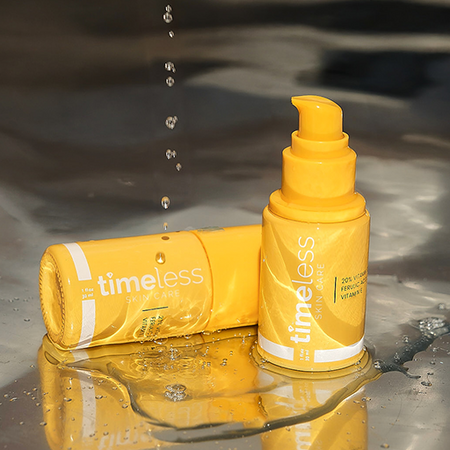
The vitamin C category includes products such as 20% Vitamin C + E Ferulic Acid Serum. Morning is a common time to apply an antioxidant treatment. An antioxidant helps defend against oxidative stress caused by environmental factors such as UV exposure and pollution. Vitamin C supports the skin's antioxidant defenses. -
Hydrating Serum
If you use multiple serums, layer your hydrating formula next. Hyaluronic acid is a humectant, not a moisturizer. It helps attract, bind, and retain water in the outer layers of the skin. If your skin needs extra barrier support, a formula containing calcium pantothenate supports the skin barrier and helps the skin retain moisture. -
Eye Cream (Optional)
If you include an eye cream in your routine, tap a small amount around the orbital bone before applying your heavier facial moisturizer. This ensures the delicate area receives hydration without interference from richer face creams. -
Daily Moisturizer
Apply a lightweight lotion or gel-cream to smooth the skin surface and keep it comfortable throughout the day. A daily moisturizer helps reduce moisture loss while creating a smooth base for makeup. -
Broad-Spectrum Sunscreen
Sunscreen is the non-negotiable final step of every morning skincare regimen. Apply a generous layer of broad-spectrum sunscreen with SPF 30 or higher at least 15 minutes before sun exposure. Do not apply other skincare steps over your sunscreen, as this can disturb the sunscreen layer.
Key Takeaway: Morning skincare is designed to prepare your face for the day ahead. Always complete your morning steps with a dedicated broad-spectrum sunscreen.
Evening Skincare Routine: Step-by-Step Guide
Evening routines focus on thorough cleansing, targeted treatments, and supporting the skin's surface while you sleep.
-
First Cleanse (Makeup and Sunscreen Removal)
If you wear makeup or water-resistant sunscreen, use an oil cleanser, cleansing balm, or micellar water to break down stubborn surface residue. Massaging an oil-based cleanser over dry skin helps dissolve buildup without excessive rubbing. -
Second Cleanse
Follow with a gentle, water-based cleanser to wash away dissolved residue, sweat, and surface impurities. Rinse thoroughly with lukewarm water and pat your face dry with a clean towel. -
Exfoliant or Toner (2 to 3 Times Weekly)
If you use chemical exfoliants, such as alpha hydroxy acids or beta hydroxy acids, apply them immediately after cleansing on clean, dry skin. Limit chemical exfoliation to two or three nights per week to avoid irritating your skin. -
Treatment Serums
Nighttime can be a convenient time for targeted treatments. For a product-category reference, see Coenzyme Q10 Serum. Peptide formulas may help support the appearance of firmness. CoQ10 provides antioxidant support as the skin's natural CoQ10 levels decline with age. CoQ10 is generally used once daily. -
Hydration Booster
The next step focuses on hydration. For a product-category reference, see Hyaluronic Acid 100% Pure. Hyaluronic acid is a humectant, not a moisturizer. It helps support hydration in the upper layers of the epidermis and helps improve the appearance of dehydration lines. -
Moisturizer or Night Cream
Finish your evening routine with a nourishing cream. Nighttime moisturizers are often richer than daytime formulas. They help reduce transepidermal water loss (TEWL), the water that evaporates from the skin's surface during sleep. -
Facial Oil (Optional)
If your skin feels particularly dry or tight, press two to three drops of face oil over your moisturizer as the very last step to add surface suppleness.
How to Layer Multiple Serums and Active Ingredients
Many people choose to use more than one serum to address different cosmetic goals. While layering serums is completely fine, doing so requires a bit of planning.
Assess Formula Consistency
When applying more than one serum, return to the core rule of consistency. Apply watery, thin drops first. Allow the product to absorb for a few moments, then apply slightly thicker, more viscous serums. For additional guidance, read How to Layer Multiple Serums.
Water-Based Before Oil-Based
Apply water-based treatments before lipid-rich or oil-based solutions. This order places oil-based solutions later in the routine.
Consider Your Actives
You do not need to apply every active ingredient in a single session. Alternating your active ingredients between morning and evening, or using them on alternating days, is often the most comfortable approach for your skin.
For instance, vitamin C is widely favored in the morning because it helps brighten the look of dullness and uneven tone. Meanwhile, concentrated exfoliating acids or retinoids are often reserved for nighttime use.
Note: If you have vitiligo, check with your dermatologist before using a CoQ10 product.
What About Eye Creams, Spot Treatments, and Face Oils?
Specific cosmetic products often cause confusion when organizing a routine. Here is where these supplemental steps belong:
Eye Cream
Eye creams generally have a lighter texture than thick facial moisturizers but a heavier texture than watery serums. Apply eye cream after your serums and before your overall facial cream. Use a gentle tapping motion with your ring finger along the orbital bone. Avoid pulling or tugging the delicate skin around the eyes.
Blemish Spot Treatments
Spot treatments work best when applied close to the skin. Some formulas are designed to go directly on clean, dry skin right after cleansing. Other gentler spot creams can be dabbed onto specific areas after your light serums have absorbed. Always check the individual product instructions for specific guidance.
Facial Oils
Facial oils and oil blends contain heavy lipids. Apply face oils after your water-based serums and either mix them into or layer them over your moisturizer.
Setting Realistic Expectations for Your Routine
Creating a balanced skincare routine requires patience. Cosmetic improvements do not occur overnight, and consistency over time is what truly matters.
Everyone's skin responds differently to topical ingredients. Factors such as baseline hydration, lifestyle, genetics, climate, and daily habits influence how quickly you see changes in your skin's tone and texture.
Hydrating ingredients may offer temporary surface smoothing. With consistent use, you may notice gradual changes in the appearance of fine lines, firmness, and uneven skin tone.
Individual reactions to skincare formulas can vary. If you have known skin sensitivities or a diagnosed dermatological condition, check with your dermatologist before introducing new active products to your routine. When organizing your regimen, explore DIY Build Your Kit.
Frequently Asked Questions
Can I apply moisturizer before my serum?
Applying moisturizer before a water-based serum is generally not recommended. Moisturizers contain emollients and occlusives that help reduce moisture loss by forming a surface layer. If you apply a thin serum over a moisturizer, the serum may be harder to apply evenly. Apply lighter serums first and follow with your moisturizer.
How long should I wait between skincare steps?
For most daily routines, you do not need to wait long between steps. You can apply your next product as soon as the previous layer feels absorbed and no longer tacky on the skin. The main exception is sunscreen. Allow your daytime moisturizer to dry down completely before applying sunscreen, and let your sunscreen set for several minutes before putting on makeup.
Should my morning and evening skincare routines be the same?
Your morning and evening routines should share the core steps of cleansing, hydrating, and moisturizing, but their overall focus is different. Morning routines emphasize daily defense and require broad-spectrum sunscreen. Evening routines prioritize thorough cleansing to remove daily grime, along with targeted treatments to support the skin surface while you rest.
In what order should I apply facial oil and moisturizer?
Facial oils are generally applied after your moisturizer or mixed directly into it. If you apply a face oil before a water-based moisturizer, you may make layering less even. Applying oil as the final step in your evening routine helps keep your skin feeling soft and comfortable throughout the night.