Introduction
Applying your skincare products in the correct order can help each formula spread evenly across your skin. During the daytime, routines often focus on cleansing, hydration, and broad-spectrum sunscreen. Daytime routines require broad-spectrum sunscreen as a non-negotiable final step. In contrast, an evening routine creates an uninterrupted window to cleanse away buildup, supply hydration, and use targeted cosmetic ingredients while you rest.
Layering your nighttime products correctly can help keep heavier formulas from interfering with lighter ones. When you apply formulas out of sequence, thick creams can make lighter liquids spread less evenly. Understanding how textures interact helps you build an efficient evening regimen that supports your complexion. Learn more about how to layer multiple serums.
Quick Answer: The standard nighttime skincare routine order moves from the thinnest texture to the thickest texture. Start with makeup removal and cleansing, apply liquid toners or treatments, layer targeted water-based serums, and finish with a moisturizer or facial oil.
The Core Principles of Skincare Layering
Layering products effectively relies on basic chemistry and formulation textures. Skincare formulas range from watery liquids to dense creams and botanical oils. Following a few simple guidelines keeps your regimen organized and practical.
The Thin-to-Thick Rule
The primary rule of skincare application is to start with the lightest, most fluid textures and finish with the densest formulas. Water-based liquids spread easily across the skin surface. Heavier creams contain emollients and occlusive agents that sit on the surface and help reduce moisture loss. Applying a watery serum over a dense cream can cause the serum to bead up or roll off rather than settle evenly.
Water-Based Before Oil-Based
Water and oil naturally repel each other. If you apply a facial oil first, any water-based product applied afterward may spread less evenly across the skin. Apply water-soluble serums, toners, and lightweight essences before rich creams or facial oils.
Texture and Absorption Behavior
| Product Category | Primary Base | Typical Texture | Order Position |
|---|---|---|---|
| Cleansing Oil / Balm | Oil | Rich liquid or solid balm | Step 1 (First Cleanse) |
| Water Cleanser | Water / Surfactants | Gel or gentle foam | Step 2 (Second Cleanse) |
| Toner / Essence | Water | Fluid liquid | Step 3 |
| Water-Based Serum | Water | Lightweight liquid or gel | Step 4 |
| Emulsion / Treatment | Water / Emollient | Light lotion | Step 5 |
| Moisturizer | Emulsion / Lipids | Cream or rich lotion | Step 6 |
| Facial Oil | Lipids | Rich oil | Step 7 (Optional) |
Key Takeaway: Applying products from thinnest to thickest ensures that lightweight, water-based formulas make full contact with the skin surface before heavier emollients are applied.


The Step-by-Step Nighttime Skincare Routine Order
Building an evening regimen does not require a dozen steps. A structured, intentional routine ensures that every layer serves a distinct cosmetic purpose.
Step 1: First Cleanse (Makeup and Sunscreen Removal)
The first step in an evening routine breaks down oil-soluble debris. Throughout the day, long-wearing makeup, broad-spectrum sunscreen, and natural surface oils accumulate on your face. A traditional water-based wash may slide over these stubborn residues.
Using a dedicated cleansing balm or cleansing oil dissolves surface impurities. Dispense the oil cleanser onto dry hands and massage it over a dry face using gentle, circular motions. Emulsify the cleanser with a splash of warm water until it turns milky, then rinse thoroughly.
Step 2: Second Cleanse (Water-Based Face Wash)
The second cleanse washes away water-based impurities like sweat, dust, and any remaining residue from the first cleanse. A gentle, pH-balanced cleanser leaves the skin surface clean and refreshed without creating a tight or stripped feeling.
Massage the cleanser onto damp skin for approximately thirty to sixty seconds. Rinse thoroughly with lukewarm water. Pat your face gently with a clean towel, leaving the skin slightly damp for the next step.
Step 3: Toners or Chemical Exfoliants
Toners provide a lightweight layer of hydration directly after cleansing. They help smooth the skin surface and prepare it for heavier treatments. If you use a liquid hydrating toner, you can pat it onto your face with clean fingertips.
If you choose to incorporate a chemical exfoliant, such as an alpha hydroxy acid (AHA) or beta hydroxy acid (BHA), this is the appropriate step. Chemical exfoliants help remove dead surface skin cells and improve rough texture. Limit exfoliating formulas to two or three evenings per week to limit the chance of surface irritation.
Step 4: Hydrating and Peptide Serums
Water-based serums deliver concentrated cosmetic ingredients directly to clean skin. This step is ideal for humectants and peptides.
Humectants play a vital role in routine hydration. Hyaluronic acid helps attract, bind, and retain water in the outer layers of the skin. It helps support hydration in the upper layers of the epidermis. It helps improve the appearance of dehydration lines. When working with humectant serums, applying them to slightly damp skin helps spread the product evenly. For hydration routines, Hyaluronic Acid 100% Pure is a serum option in this category.
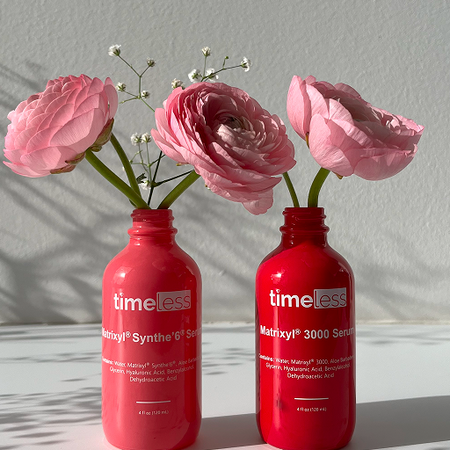
Peptide formulas are also well-suited for this stage. Topical peptides may help support the appearance of firmness. For those focusing on peptide layering, Matrixyl® 3000 Serum is a serum option in this category.
Step 5: Targeted Active Serums and Antioxidants
After applying lightweight hydration, layer any targeted treatment serums. This stage can include retinoids, specialty antioxidants, or clarifying formulas.
Antioxidants remain valuable in an evening routine. An antioxidant helps defend against oxidative stress caused by environmental factors such as UV exposure and pollution. It supports the skin's antioxidant defenses.
Coenzyme Q10 is a lipid-soluble antioxidant found naturally in the skin. CoQ10 provides antioxidant support as the skin's natural CoQ10 levels decline with age. It helps improve the appearance of fine lines and supports firmer-looking skin. Coenzyme Q10 Serum is a serum option in this category. Learn more about coenzyme Q10. If you have vitiligo, check with your dermatologist before using a CoQ10 product.
If you use a retinoid product, apply it during this step. Retinoids can increase sensitivity to sunlight, making nighttime a common time for application.
Step 6: Eye Cream
The skin surrounding the eyes is thinner than the rest of the face and often shows early signs of dryness or fatigue. An eye cream helps soften the appearance of fine lines and dark circles while conditioning the delicate eye contour.
Dispense a pea-sized amount of eye cream onto your ring finger. Gently tap the cream along the orbital bone, avoiding direct contact with the eyelids or the inner corners of the eyes. Never apply CoQ10 serums directly under the eyes.
Step 7: Moisturizer and Night Cream
Moisturizer can be a useful step in an evening routine. While humectants attract water, moisturizers provide emollient and occlusive support.
A moisturizer helps reduce transepidermal water loss (TEWL). It helps reduce moisture loss while you sleep. Smooth a nickel-sized amount of cream evenly over your face, neck, and upper chest.
Step 8: Facial Oils (Optional)
If your skin feels dry, you can finish your routine with a facial oil. Plant oils and lipid blends act as protective surface conditioners.
Because oils are lipid-based, they should be applied as the final layer over your moisturizer. Warm two to three drops of oil between your palms and gently press them over your face.
Nighttime Routine Sequence
- Oil-Based Cleanser
- Water-Based Cleanser
- Hydrating Toner or Exfoliant
- Water-Based Hydration / Peptide Serum
- Targeted Active Serum / Retinoid
- Eye Cream
- Moisturizer
- Facial Oil (Optional)
Customizing Your Night Routine by Skin Concern
Every individual has unique skin needs. You can adjust the steps and product choices in your evening routine to address specific cosmetic concerns.
Routine for Dry or Dehydrated Complexions
Dry skin lacks natural lipids, while dehydrated skin lacks water in the upper layers. For this skin type, layering humectants with rich emollient creams can be useful.
- Cleanse with a gentle, non-foaming cream or oil cleanser.
- Apply a hydrating toner containing glycerin or botanical extracts.
- Layer a humectant serum.
- Apply a peptide serum that may help support the appearance of firmness.
- Finish with a rich night cream and facial oil.
Routine for Oily or Congested Complexions
Oily skin produces excess sebum, but it still requires balanced hydration. Skipping moisturizer may leave the skin feeling unbalanced.
- Double cleanse using a lightweight cleansing oil followed by a foaming water-based cleanser.
- Use an exfoliating toner containing salicylic acid two nights per week.
- Apply a lightweight serum containing vitamin B5. Vitamin B5 supports the skin barrier and helps the skin retain moisture. It helps the skin feel more comfortable.
- Finish with an oil-free gel moisturizer. It helps reduce transepidermal water loss (TEWL) and helps reduce moisture loss.
Routine for Aging Skin and Fine Lines
A routine focused on mature skin emphasizes smoothing texture and supporting surface elasticity.
- Cleanse thoroughly using a nourishing balm cleanser.
- Apply an essence or peptide serum that may help support the appearance of firmness.
- Alternate nights between a retinoid serum and an antioxidant serum.
- Tap an eye cream gently along the orbital bone.
- Finish with an emollient moisturizer.
How to use: When introducing new active ingredients into your routine, alternate nights rather than applying multiple concentrated formulas all at once. This approach helps you monitor how your skin responds.
Key Active Ingredients to Consider for Nighttime
Nighttime can be a useful window for ingredients that degrade in daylight or make the skin more sensitive to environmental factors.
Peptides
Peptides are ingredients used in topical cosmetic formulations. In cosmetic applications, peptides may help support the appearance of firmness.
Hyaluronic Acid and Sodium Hyaluronate
Hyaluronic acid is a standard humectant in topical skincare. Hyaluronic acid helps attract, bind, and retain water in the outer layers of the skin. Sodium hyaluronate is the sodium salt of hyaluronic acid. It helps attract, bind, and retain water in the outer layers of the skin.
Vitamin B5
Vitamin B5 supports the skin barrier and helps the skin retain moisture. It helps the skin feel more comfortable throughout the night.
Retinoids
Retinoids are among the most thoroughly researched cosmetic ingredients for smoothing uneven texture and softening the look of expression lines. Because retinoids break down in sunlight and can increase photosensitivity, they are best reserved for your nighttime skincare routine order. Always follow with a broad-spectrum sunscreen the following morning.
Setting Realistic Expectations for Cosmetic Results
Improving the visible appearance of your skin requires patience and steady consistency. Skincare products do not produce instant cosmetic changes overnight. The outer layers of the epidermis naturally renew themselves, and topical formulas work alongside this natural cycle.
Fine lines, uneven tone, and rough texture develop over years of daily exposure to environmental factors and natural aging. Consequently, noticeable improvements in skin smoothness, hydration, and tone often take regular application over time. A consistent, basic routine can be more practical than an inconsistent routine using dozens of products intermittently.
Individual skin responses vary based on genetics, climate, lifestyle, and overall skin health. Anyone with a known skin sensitivity or a diagnosed skin condition should check with their dermatologist before introducing new concentrated formulas.
Frequently Asked Questions
How long should I wait between applying each step in my evening routine?
You generally do not need to wait several minutes between every step. Applying water-based serums to slightly damp skin can aid their spreadability. However, you should allow concentrated active treatments, such as chemical exfoliants or retinoids, to dry down for one to two minutes before applying your moisturizer. This short pause can help keep the application orderly.
Can I use vitamin C in my nighttime skincare routine?
Yes, you can use vitamin C in the evening. Morning use is the most common recommendation. Morning use should always be paired with broad-spectrum sunscreen. Evening application is also an option. Vitamin C helps brighten the look of dullness and uneven tone. The vitamin C collection includes options for vitamin C routines. If you use a strong retinoid at night, you may prefer using your vitamin C in the morning to avoid layering multiple potent actives at the same time.
What is the difference between an AM and PM routine order?
The primary difference lies in the final step and the selection of active ingredients. A morning routine focuses on daily defense and must always finish with a broad-spectrum sunscreen. An evening routine removes daily grime and focuses on moisture retention and targeted cosmetic treatments. Rich facial oils and photosensitizing ingredients like retinoids are generally better suited to your PM routine than your daytime lineup.
Should facial oils be applied before or after moisturizer at night?
Facial oils should usually be applied after your moisturizer. Moisturizers are generally applied before facial oils because oils have richer textures. Applying a small amount of oil as the final step keeps the routine in thin-to-thick order.