Introduction
Building a skincare lineup is only half the journey. A sensible order can make your routine easier to follow.
Applying formulas out of sequence can make layering less predictable, especially when richer textures come before lighter liquids.
A logical routine does not require a complex ten-step routine. Understanding the core principles of layering helps you organize each step. For help organizing your routine, try our skincare quiz.
Quick Answer: Layer skincare formulas from thinnest to thickest texture. Water-based serums generally go first, followed by richer creams, and broad-spectrum sunscreen is always the final morning step.
Core Principles of Skincare Layering
Product layering generally depends on texture, base formulation, and function. A few straightforward rules can make a routine easier to organize.
Texture: Thinnest to Thickest
Lightweight, watery fluids are generally applied before richer creams. Place watery toners and fluid serums near the beginning of your regimen, with heavier creams later. For ingredient definitions, visit our ingredient glossary.
Base Composition: Water Before Oil
As a practical layering rule, water-based solutions generally precede anhydrous formulas or facial oils.
Function: Morning and Evening Focus
Morning care focuses on hydration, antioxidants, and sunscreen. Evening care focuses on cleansing and targeted cosmetic care.
| Routine Phase | Primary Focus | Key Product Types |
|---|---|---|
| Morning (AM) | Hydration and sunscreen | Gentle cleanser, antioxidant serum, light hydrator, broad-spectrum sunscreen |
| Evening (PM) | Cleansing and targeted cosmetic care | Double cleanse, exfoliants, targeted serums, nourishing moisturizer |


Step-by-Step Morning Routine
Your daytime steps prepare your complexion for the day while keeping it hydrated and comfortable.
- Cleanser: Refresh your skin by washing away overnight sweat, surface oil, and residual evening products with a gentle, non-stripping face wash.
- Hydrating Toner or Essence: An optional fluid step can prepare the skin surface for subsequent treatments.
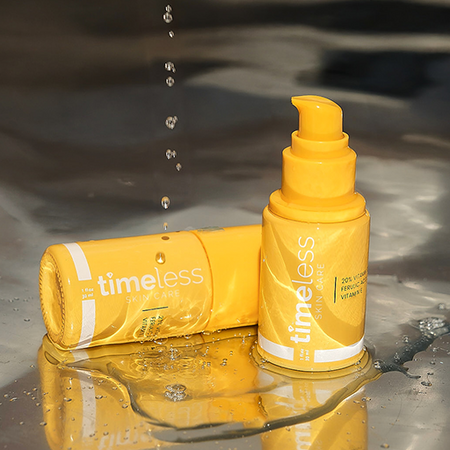
- Targeted Antioxidant Serum: Morning use is the most common recommendation for vitamin C, though it can also be used at night. A vitamin C serum is one category for this step. The Timeless Skin Care 20% Vitamin C + E Ferulic Acid Serum is an example of that category. Vitamin C helps brighten the look of dullness and uneven tone. Vitamin C helps defend against oxidative stress caused by environmental factors such as UV exposure and pollution. When vitamin C is used in the morning, pair it with a broad-spectrum sunscreen.
- Hydrating Serum: Hyaluronic acid is a humectant, not a moisturizer. Hyaluronic acid helps attract, bind, and retain water in the outer layers of the skin. It helps improve the appearance of dehydration lines.
- Eye Cream: Gently pat a small amount around the orbital bone using your ring finger to hydrate delicate skin. Explore the available eye creams.
- Moisturizer: A face lotion or cream helps reduce transepidermal water loss (TEWL).
- Broad-Spectrum Sunscreen: Finish every morning with broad-spectrum sunscreen. Apply it liberally to your face and neck 15 minutes before sun exposure.
Key Takeaway: Broad-spectrum sunscreen belongs at the end of every morning skincare routine.
Step-by-Step Evening Routine
At the end of the day, your skin needs a clean surface for hydration and targeted cosmetic care.
- First Cleanse (Makeup and Sunscreen Removal): Use an oil cleanser, cleansing balm, or micellar water to break down stubborn cosmetics, water-resistant sunscreen, and excess sebum.
- Second Cleanse: Wash with a gentle water-based cleanser to sweep away any lingering impurities.
- Exfoliation (2 to 3 Times Weekly): Consider gentle chemical exfoliants containing alpha or beta hydroxy acids on alternating nights to remove dead skin cells and refine texture.
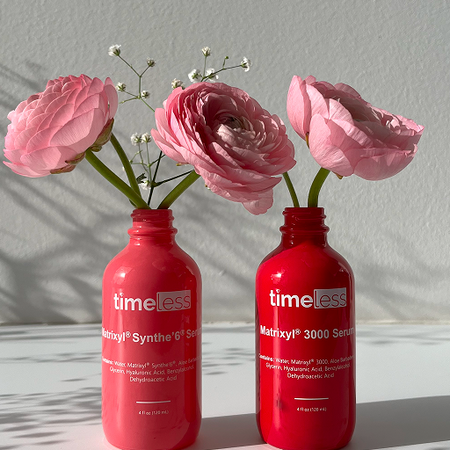
- Targeted Peptide or Retinoid Treatment: Apply targeted treatments after cleansing or toning. A peptide serum is one category for this step. The Timeless Skin Care Matrixyl® 3000 Serum is an example of that category. Peptides may help support the appearance of firmness.
- Comforting or Barrier Support Serum: If your skin feels dry, consider a supportive formula. One category for this step is a vitamin B5 serum. The Timeless Skin Care Vitamin B5 Serum is an example of that category. Vitamin B5 supports the skin barrier and helps the skin retain moisture. It helps the skin feel more comfortable.
- Night Moisturizer: Choose a slightly richer cream that helps reduce moisture loss through the night.
- Facial Oil (Optional): If you experience persistent dryness, lightly press facial oil over your moisturizer as the final step.
Layering Multiple Serums Without Conflicts
Many routines include more than one active ingredient. Knowing how to pair them can help you manage routine complexity. If you are selecting products for a routine, use DIY Build Your Kit to organize your choices.
The Rule for Serums of Similar Weight
If you use two water-based serums with comparable consistencies, prioritize them based on your primary skin goal. Apply the formula that addresses your main skin goal first.
Managing Active Ingredients
Certain ingredients may work best when separated across your daily schedule or used on alternating evenings.
- Vitamin C: Vitamin C can also be used at night, though morning use is the most common recommendation. When used in the morning, pair it with a broad-spectrum sunscreen. Learn more about using vitamin C serum both morning and night.
- Coenzyme Q10: Coenzyme Q10 provides antioxidant support as the skin's natural CoQ10 levels decline with age. It helps improve the appearance of fine lines. If you have vitiligo, check with your dermatologist before using a CoQ10 product. Read more about Coenzyme Q10.
- Direct Acids and Retinoids: Consider using direct acids and retinoids on different nights rather than at the same time.
Common Application Mistakes to Avoid
A few minor adjustments can resolve common application issues like product pilling or unexpected sensitivity.
- Rushing Between Steps: Applying layers too quickly can cause formulas to ball up on the surface. Allow each product a moment to settle before smoothing on the next one.
- Applying Humectants to Completely Dry Skin: Hyaluronic acid helps support hydration in the upper layers of the epidermis. Apply it to slightly damp skin after cleansing or misting.
- Mixing Too Many Strong Actives at Once: Layering multiple exfoliants and retinoids at once does not necessarily speed results. If you have a known sensitivity or diagnosed skin condition, consult a dermatologist before combining strong active ingredients.
- Applying Sunscreen Out of Order: Sunscreen should be the topmost layer of skincare in the morning. Placing serums, creams, or oils over your sunscreen can disturb even coverage.
Setting Realistic Expectations for Your Skin
Skincare is an ongoing commitment rather than an instant fix. Cosmetic results vary from person to person.
Hyaluronic acid helps improve the appearance of dehydration lines. Other cosmetic goals, including the appearance of uneven tone, visible texture, and firmness, may require consistent application.
Patience and routine consistency can be more helpful than constantly switching products or overloading your face with unnecessary steps.
Frequently Asked Questions
How long should I wait between applying skincare steps?
You do not need to wait several minutes between every product. Give each layer enough time to settle so your face no longer feels wet before moving to the next step. Broad-spectrum sunscreen should be allowed to set before applying makeup.
Can I mix my moisturizer and sunscreen together to save time?
Do not mix sunscreen with moisturizers, oils, or foundation in your hand. Mixing other products directly into sunscreen can interfere with even application. Apply your moisturizer first and finish with a dedicated layer of sunscreen.
Do I need to use the exact same skincare routine every day?
Your foundational steps of cleansing, moisturizing, and sun protection can stay consistent every day. However, targeted treatments can be rotated depending on your skin's daily needs. Many people alternate between exfoliating acids and peptide serums throughout the week to maintain skin comfort.
In what order should I apply facial oil and moisturizer?
Facial oil can be an optional final step after moisturizer. It may also be mixed into a night cream, but applying it before moisturizer can make layering less predictable. For a straightforward order, apply facial oil after moisturizer.