Introduction
Applying evening products in a consistent sequence can help organize a routine. During the day, skin faces environmental elements like dirt, pollution, and sunlight. In contrast, the evening presents an opportunity to cleanse away daily buildup and supply topical hydration before sleep.
Building a clear night time skincare order does not require a dozen complicated steps. Instead, it relies on understanding product weights, proper layering logic, and consistent habits. Whether you prefer an uncomplicated three-step approach or a complete multi-step regimen, following the right order can create a balanced routine that supports comfortable, healthy-looking skin.
Founded in 2009 by Veronica Pedersen, Timeless Skin Care creates simple formulations made in the USA in small batches. This guide covers how to layer your evening products step by step, the reasons behind product sequencing, and how to adapt your regimen for your specific cosmetic goals.
Quick Answer: Apply evening products from thinnest to thickest consistency. Start with a thorough cleanse, follow with water-based toners and serums, apply eye cream, and finish with a moisturizer to help reduce moisture loss.
Why Your Night Time Skincare Order Matters
The sequence of your products can affect how they interact with the surface of your skin. If you apply a heavy, oil-rich cream before a lightweight, water-based serum, the lighter formula may not reach the skin as easily. Layering from thinnest to thickest consistency can help each layer settle smoothly.
At night, skin may feel drier, so hydration and moisture can be helpful.
A thoughtful night time skincare order can support three practical goals:
- It removes surface debris, sunscreen, and cosmetic pigments accumulated throughout the day.
- It helps place targeted cosmetic ingredients on clean skin.
- It helps reduce transepidermal water loss (TEWL), the water that evaporates from the skin's surface during the night.
Following a thoughtful night time skincare order keeps your regimen efficient and may help prevent product pilling.


The Correct Evening Routine: Step-by-Step Order
To get the most out of your evening products, follow this structured routine. You can adjust the number of steps based on your personal preference and evening schedule.
Step 1: Cleansing (or Double Cleansing)
Evening cleansing removes excess sebum, makeup, and sunscreen filters. If you wear long-wearing makeup or mineral sunscreens, a two-step double cleanse can help lift stubborn surface residue.
- First cleanse: Use an oil-based cleanser, cleansing balm, or micellar water on dry skin to break down oily residue and cosmetics. Rinse with lukewarm water.
- Second cleanse: Follow with a gentle, water-based cleanser to wash away remaining residue without leaving the skin feeling tight or dry.
If you do not wear makeup or heavy sunscreen, a single gentle water-based wash is often sufficient.
Step 2: Hydrating Toner or Essence (Optional)
Toners and essences provide a light layer of surface hydration immediately after cleansing. Some toners provide light hydration that prepares the skin for targeted serums.
Pour a few drops into your palms and gently press the liquid onto your face and neck. Avoid aggressive rubbing with rough cotton rounds, which can cause mechanical friction.
Step 3: Targeted Serums
Serums are lightweight, concentrated liquids designed to address specific cosmetic concerns such as dehydration lines, dullness, or uneven texture.
When applying serums in your night time skincare order, follow these guidelines:
- Layer by viscosity: If you use more than one serum, apply the thinnest, most watery formula first, followed by slightly thicker gels.
- Water-based before oil-based: Water-soluble formulas usually go on before facial oils.
- Allow brief settling time: Give each layer about thirty to sixty seconds to settle so formulas do not pill under subsequent steps.
Ingredients like hyaluronic acid are common at this stage. Hyaluronic acid is a humectant. It helps attract, bind, and retain water in the outer layers of the skin. It helps improve the appearance of dehydration lines.
The Hyaluronic Acid 100% Pure product is in the hydration category.
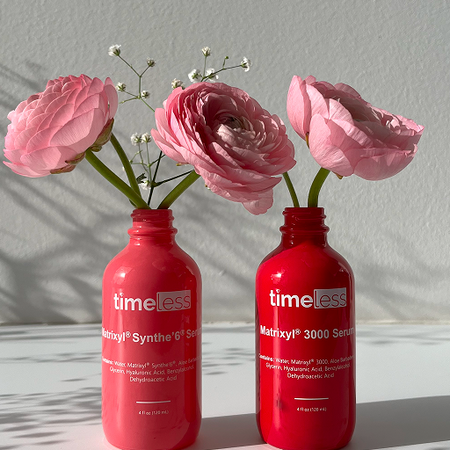
Another popular choice for evening use is a peptide serum. Peptides may help support the appearance of firmness. The Matrixyl® 3000 Serum product is in the peptide category.
If you choose to use an antioxidant serum at night, ubiquinone provides antioxidant support as the skin's natural CoQ10 levels decline with age. Ubiquinone helps improve the appearance of fine lines. Ubiquinone supports firmer-looking skin. If you have vitiligo, check with your dermatologist before using a CoQ10 product. Do not apply CoQ10 formulas directly under the eyes.
Step 4: Eye Cream
Eye products can help smooth the appearance of the eye contour and reduce the look of puffiness or dark circles.
Using your ring finger, gently pat a small amount around the orbital bone. Avoid pulling or dragging the delicate skin. The Dark Circle Peptide Complex Eye Cream product is in the eye care category.
Step 5: Moisturizer or Night Cream
Moisturizer can be a useful evening step. Hyaluronic acid helps support hydration in the upper layers of the epidermis, while a moisturizer helps reduce moisture loss.
A nighttime moisturizer helps reduce moisture loss. This step helps the skin feel more comfortable through the night.
Choose your moisturizer texture based on your preferences:
- Gel moisturizers: Lightweight and may suit those with oily-looking skin.
- Lotions: Balanced hydration and may suit normal or combination skin.
- Rich creams: Emollient-heavy formulas that may suit dry or flaky skin.
| Product Type | Primary Function | Texture / Viscosity | Placement in Routine |
|---|---|---|---|
| Water-Based Cleanser | Removes dirt, sweat, and residue | Liquid, gel, or light foam | Step 1 (Cleansing) |
| Hydrating Toner | Preps surface hydration | Water-thin | Step 2 (Prep) |
| Active Serums | Targets specific cosmetic concerns | Thin liquid to fluid gel | Step 3 (Treat) |
| Eye Cream | Softens the look of the eye contour | Lightweight cream or gel | Step 4 (Target) |
| Night Moisturizer | Helps reduce transepidermal water loss | Lotion, gel-cream, or heavy cream | Step 5 (Moisturize) |
Key Takeaway: Apply products from the most watery consistency to the thickest cream. This can help each formula settle evenly across the skin surface.
Ingredient Layering Rules for Evening Skincare
Understanding how cosmetic ingredients interact can help prevent unexpected irritation and keep your evening routine balanced.
Hydrating and Barrier-Supporting Ingredients
Humectants and barrier-supporting ingredients can pair well with many routines. Hyaluronic acid helps support hydration in the upper layers of the epidermis and can be used with peptides, botanical extracts, and gentle moisturizers.
Vitamin B5 supports the skin barrier and helps the skin retain moisture. It helps the skin feel more comfortable.
Exfoliating Acids and Retinoids
Chemical exfoliants, such as alpha hydroxy acids and beta hydroxy acids, and retinoids can be strong active ingredients. Because these active ingredients can make skin feel sensitive, it is best to alternate them rather than layering them in a single evening session.
- Avoid combining strong AHA/BHA exfoliants with retinoids in the same evening.
- Use chemical exfoliants two to three nights per week.
- Reserve remaining nights for gentle hydration and peptide serums.
Vitamin C at Night
While Vitamin C is commonly applied in the morning because it helps defend against oxidative stress caused by environmental factors such as UV exposure and pollution, it can also be used in the evening. When used in the morning, pair it with a broad-spectrum sunscreen. Vitamin C helps brighten the look of dullness and uneven tone.
If you use an L-ascorbic acid serum at night, avoid applying it at the exact same time as strong exfoliating acids to prevent overwhelming your skin.
Customizing Your Night Routine by Skin Concern
Every individual has distinct skin needs. You can adjust your evening steps to address specific cosmetic goals.
For Dehydrated or Dry-Feeling Skin
Dry skin benefits from multiple light layers of hydration finished with an emollient cream.
- Cleanse with a non-stripping cream cleanser.
- Apply a hydrating toner to damp skin.
- Apply a hyaluronic acid serum. It helps attract, bind, and retain water in the outer layers of the skin.
- Apply a peptide serum. Peptides may help support the appearance of firmness.
- Apply a nourishing night cream to help reduce transepidermal water loss (TEWL), the water that evaporates from the skin's surface.
For Oily or Blemish-Prone Skin
Oily skin still requires hydration.
- Double cleanse to thoroughly clear cosmetic pigments and excess sebum.
- Apply a balancing toner containing low-strength clarifying ingredients.
- Apply a lightweight, water-based hydrating serum.
- Finish with an oil-free gel moisturizer that helps the skin feel more comfortable without a heavy finish.
For Uneven Tone and Dullness
For a more radiant-looking complexion, focus on gentle evening brightening.
- Cleanse thoroughly.
- Apply a serum designed to help brighten the look of dullness and uneven tone.
- Apply an eye cream to smooth the look of the eye area.
- Finish with a balanced lotion moisturizer.
Note: Individual reactions to cosmetic actives vary. Anyone with known skin sensitivities or a diagnosed skin condition should check with their dermatologist before introducing new active formulas.
Common Evening Layering Mistakes to Avoid
Avoiding common pitfalls can help keep your nighttime skincare routine practical and comfortable.
- Skipping the evening cleanse: Sleeping in makeup and daily grime can cause buildup and dull the look of your skin.
- Applying oils before water serums: Facial oils may make it harder for water-based serums to settle evenly. Apply facial oils after water serums, either mixed with or over your moisturizer.
- Layering too many strong actives at once: Combining retinoids, high-percentage acids, and Vitamin C simultaneously can lead to visible flaking and redness. Keep your active treatments focused.
- Forgetting the neck and décolleté: Extend your serums and moisturizers down to your neck and upper chest to keep these areas hydrated.
- Neglecting morning sun protection: Using active evening ingredients like exfoliating acids or retinoids calls for consistent sun care. Always apply a broad-spectrum sunscreen with SPF 30 or higher every single morning, regardless of the weather.
Realistic Expectations for Evening Skincare
Achieving visible improvements in skin tone, texture, and hydration requires patience and consistency. Cosmetic products work gradually on the outermost layers of the skin.
A hydrating serum can help improve the look of surface dryness. Changes in the look of fine lines, firmness, and overall skin brightness may take steady application.
Consistency makes it easier to evaluate performance. Stick to a chosen night time skincare order rather than constantly switching products.
Frequently Asked Questions
How long should I wait between skincare steps at night?
You do not need to wait several minutes between every step. Waiting thirty to sixty seconds allows thin serums to settle onto the skin without drying completely. Applying moisturizers while the skin is still slightly receptive can make the routine feel more comfortable.
Can I use the same moisturizer for day and night?
Yes, provided your daytime moisturizer does not contain sunscreen. If your daytime cream contains SPF, use a dedicated sunscreen-free moisturizer at night. A standard hydrating cream can work well for both morning and evening routines.
In what order should I apply retinol in my night routine?
Retinol should be applied after cleansing and water-based toners, but before heavy creams. If you experience mild sensitivity, you can apply a light layer of moisturizer first, follow with your retinol product, and finish with another layer of moisturizer to cushion the skin.
Do I need to use an eye cream every night?
An eye cream is optional if your standard facial moisturizer is gentle, fragrance-free, and comfortable around the orbital area. However, dedicated eye creams often feature specialized textures that address puffiness and fine lines around delicate eye skin without migrating into the eyes.