Introduction
Applying skincare products in a considered sequence can help formulas layer comfortably. During the evening, your skin is away from daily environmental factors like direct sunlight, making it a useful time to focus on targeted ingredients and hydration.
A well-structured nighttime routine does not need to be complicated. Whether your regimen contains three basic steps or several specialized treatments, applying formulas from thinnest to thickest can help each layer sit comfortably. When heavier creams are applied before light, water-based solutions, they can make it harder for lighter formulas to reach the skin surface.
Understanding the mechanics of product textures, vehicle types, and ingredient compatibility can help you build a nighttime routine that fits your specific complexion goals.
Key Takeaway: The fundamental rule of evening skincare layering is applying products in order of viscosity, starting with the thinnest water-based formulas and finishing with the richest creams or oils.
The Science of Product Layering: Why Order Matters
Skincare products are formulated with different base vehicles that determine how quickly they absorb and how they sit on the skin. Water-based liquids, light serums, emulsion lotions, and lipid-rich creams all interact differently with the stratum corneum, which is the outermost layer of the epidermis.
When you apply a lightweight, water-soluble product over an oil-based formula, the water cannot easily penetrate the lipid film. Lipids repel water. As a result, water-soluble actives can sit on top of the oil, where they may evaporate or rub off onto your pillowcase. Conversely, applying water-based products first allows them to make direct contact with the skin surface before lipid-rich creams provide an emollient layer over top.
The table below outlines how common skincare vehicles behave and where they generally belong in an evening sequence:
| Formulation Type | Primary Base | Texture Description | General Placement |
|---|---|---|---|
| Water / Liquid | Water | Thin, fluid, quick to absorb | Immediately after cleansing |
| Light Gel / Serum | Water / Humectant | Viscous liquid to light gel | After liquid toners |
| Emulsion / Lotion | Water and light oils | Lightweight fluid cream | After concentrated serums |
| Rich Cream | Lipids and emollients | Dense, creamy texture | Near the end of the routine |
| Facial Oil | Pure lipids | Slick, non-evaporating liquid | Final step or over moisturizer |
Following this texture hierarchy may help reduce product pilling and support a comfortable feel throughout the night. For ingredient and formulation definitions, refer to our ingredient glossary.


The Complete Step-by-Step Nighttime Skincare Sequence
Building a consistent evening sequence involves distinct phases: cleansing, preparing, targeting, and moisturizing. Here is the recommended step-by-step order for an evening routine.
Step 1: First Cleanse (Makeup and Sunscreen Removal)
A common first step of any nighttime routine is clearing away the accumulation of the day. Throughout the day, the skin collects oil, cosmetic products, airborne debris, and broad-spectrum sunscreen.
An oil-based cleanser, cleansing balm, or micellar water breaks down water-resistant sunscreen filters and long-wear makeup. Massage the oil cleanser gently onto dry skin, emulsify with lukewarm water, and rinse thoroughly.
Step 2: Second Cleanse (Water-Based Cleanser)
Following your initial makeup removal, use a gentle water-based cleanser to wash away residual impurities, sweat, and surface debris. Choose a formula that cleanses thoroughly without leaving the face feeling tight or stripped.
Work the cleanser between damp hands, massage gently across the face and neck using circular motions, and rinse with lukewarm water. Pat your face dry with a clean towel rather than rubbing aggressively, which can cause unnecessary friction.
Step 3: Toners or Exfoliating Liquids
Toners and liquid exfoliants provide the first leave-on step after cleansing. A hydrating toner helps support hydration in the upper layers of the epidermis, preparing the skin for subsequent treatment steps.
If you use a chemical exfoliating toner containing alpha hydroxy acids (AHAs) or beta hydroxy acids (BHAs), apply it during this step. Chemical exfoliants help sweep away dead skin cells from the skin surface to improve the look of uneven texture. Because exfoliating acids can increase sensitivity, limit their use to a few evenings per week rather than every night.
Step 4: Water-Based Targeted Serums
Serums deliver high concentrations of specific cosmetic ingredients directly to clean skin. When layering multiple serums, apply the thinnest water-based formula first, followed by moderately viscous gels.
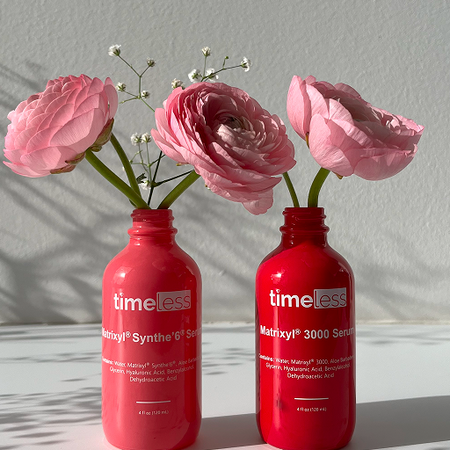
This step is where humectants, peptides, and specialized antioxidants belong. Hyaluronic acid helps attract, bind, and retain water in the outer layers of the skin, making it an excellent choice immediately following cleansing or toning. A peptide serum is another option for this step. Peptides may help support the appearance of firmness. For peptide treatments, Timeless Skin Care offers Matrixyl® 3000 Serum within its peptide serum line.
If you use multiple water-based serums, apply them one after the other, allowing thirty to sixty seconds between layers so the formulas can settle without pilling.
Example sequence for Step 4:
- Thin, watery antioxidant or peptide serum.
- Viscous humectant serum.
Step 5: Specialized Eye Treatments
The skin around the orbital area is thinner and contains fewer oil glands than the rest of the face. Applying an eye treatment before a heavy facial cream can help the eye area receive targeted hydration without heavy occlusives interfering.
For a general eye-treatment routine, dab a pea-sized amount of eye cream around the orbital bone using your ring finger, gently tapping from the outer corner inward toward the bridge of the nose. Avoid applying products directly along the lash line or eyelids unless a product is specifically labeled for that area.
Within the eye care category, Timeless Skin Care provides Dark Circle Peptide Complex Eye Cream.
Step 6: Moisturizer and Night Cream
Moisturizers combine humectants, emollients, and occlusives to support the skin surface. A good nighttime moisturizer helps reduce transepidermal water loss (TEWL).
Select a moisturizer suited to your skin type:
- Oily skin types often prefer lightweight gel-creams that provide hydration without a greasy after-feel.
- Normal and combination skin types may benefit from classic lotion emulsions that balance water and lipid content.
- Dry skin types may prefer richer creams formulated with ceramides, fatty acids, or plant butters.
Smooth the moisturizer evenly across your face, neck, and upper chest using gentle upward strokes.
Step 7: Facial Oils or Overnight Occlusives (Optional)
For very dry skin types or during colder months, an optional facial oil may serve as the final step. Facial oils do not contain water, so they act as an emollient layer over your moisturizer.
Applying two to three drops of oil over your cream can be the final step. It helps reduce moisture loss. Gently press the oil into the skin rather than rubbing it vigorously over the previous layers.
How to use: If using a facial oil, press two drops between your palms and gently pat over your moisturizer as the final step in your evening routine.
Choosing the Right Ingredients for Nighttime Skincare
Your nighttime routine allows you to introduce specialized ingredients that focus on texture, tone, and hydration. Below is an overview of popular nighttime ingredients and how they function.
Hyaluronic Acid and Hydrating Humectants
Hyaluronic acid is a humectant. Hyaluronic acid helps attract, bind, and retain water in the outer layers of the skin. It helps improve the appearance of dehydration lines, giving the skin surface a smoother, fresher look.
Sodium hyaluronate, the sodium salt of hyaluronic acid, is commonly used in skincare because of its stability and formulation versatility. For readers considering hydration products, a hydration serum is one category to consider. In the hydration serum category, Timeless Skin Care offers Hyaluronic Acid 100% Pure. When using humectant serums, apply them to slightly damp skin and follow with a moisturizer.
Peptides
In topical skincare, specific peptide complexes are used for appearance-level concerns. Peptides may help support the appearance of firmness. Peptides can be layered with humectants in an evening routine.
Vitamin B5
Vitamin B5 is often formulated as calcium pantothenate in topical products. Vitamin B5 supports the skin barrier and helps the skin retain moisture. Vitamin B5 helps the skin feel more comfortable. Learn more about Vitamin B5 in Timeless Lab.
Retinoids
Retinoids, including retinol and retinaldehyde, are widely used in evening routines to address visible fine lines and uneven skin texture. Because retinoids break down in sunlight and can increase skin sensitivity to UV exposure, they are commonly reserved for nighttime application.
When incorporating a retinoid:
- Begin by applying it two evenings per week to assess skin tolerance.
- Apply the retinoid to completely dry skin after cleansing or over a light hydrating serum.
- Follow with a rich moisturizer to minimize dryness.
- Always apply a broad-spectrum sunscreen the following morning.
Antioxidants and CoQ10
Antioxidant products help defend against oxidative stress caused by environmental factors such as UV exposure and pollution. They can be included in an evening routine as part of a broader approach to skin appearance.
Coenzyme Q10 (Ubiquinone) is a lipid-soluble antioxidant naturally found in skin that declines with age. CoQ10 provides antioxidant support as the skin's natural CoQ10 levels decline with age, helps improve the appearance of fine lines, and supports firmer-looking skin.
If you have vitiligo, check with your dermatologist before using a CoQ10 product.
Nighttime Skincare Routines by Skin Concern
Every individual complexion has distinct requirements. Below are sample nighttime sequences tailored to different skin concerns. For help organizing a routine, explore DIY Build Your Kit.
Routine for Dehydrated or Dry Skin
Dry and dehydrated skin types require layers that deliver water-binding humectants and rich emollients to reduce moisture loss.
- Double cleanse with a gentle cleansing oil followed by a creamy, non-foaming cleanser.
- Apply a hydrating toner across the face and neck.
- Apply a hyaluronic acid serum to slightly damp skin.
- Apply a peptide serum that may help support the appearance of firmness.
- Tap an emollient eye cream around the orbital area.
- Apply a dense, lipid-rich moisturizer. It helps reduce transepidermal water loss (TEWL).
- Optional: Press two drops of facial oil over dry zones.
Routine for Oily or Congested Skin
Oily skin benefits from lightweight hydration that will not feel heavy or leave an occlusive residue.
- Cleanse thoroughly using a gentle foaming or gel-based water cleanser.
- Apply a clarifying liquid containing salicylic acid two to three times weekly.
- Apply a light water-based serum that helps the skin feel more comfortable.
- Use a lightweight, non-comedogenic gel moisturizer that absorbs quickly.
Routine for Visible Signs of Aging
Focus on ingredients that smooth the look of lines, improve tone, and support a firmer appearance.
- Remove makeup and cleanse using a nourishing cream cleanser.
- Apply a peptide serum to clean skin.
- Apply a targeted retinoid product according to your tolerance level.
- Apply an eye cream to address the look of fine lines and under-eye puffiness.
- Finish with an emollient night cream that supports the skin barrier and helps the skin retain moisture.
| Skin Concern | Primary Focus | Key Evening Steps | Recommended Texture |
|---|---|---|---|
| Dehydration | Water retention | Hydrating toner, HA serum, rich cream | Medium to thick creams |
| Excess Oil | Balance and clarity | Gentle cleanse, BHA liquid, gel lotion | Lightweight fluids and gels |
| Visible Aging | Firmness and fine lines | Peptides, retinoids, nourishing cream | Concentrated serums and creams |
| Sensitive | Barrier comfort | Gentle non-foaming cleanse, B5, simple cream | Simple, lightweight lotions |
Realistic Expectations and Routine Best Practices
Skincare requires patience, consistency, and realistic expectations. Topical products work gradually on the outer layers of the skin, and visible changes in skin texture, tone, and hydration take time.
Hyaluronic acid helps improve the appearance of dehydration lines. The look of fine lines, overall firmness, and skin tone can change with consistent use of ingredients like peptides and retinoids. Individual results vary based on age, lifestyle, environmental factors, and baseline skin health.
Bottom line: A consistent routine is easier to assess than one that frequently changes or overloads the skin with too many active formulas at once.
Best Practices for Nighttime Layering
- Avoid using multiple potent exfoliants on the same evening. Alternating active ingredients across different nights reduces the likelihood of surface irritation.
- Wait thirty to sixty seconds between steps to allow each layer to settle on the skin.
- Individual reactions to skincare ingredients vary. Anyone with known sensitivities or diagnosed skin conditions should consult a dermatologist before introducing new concentrated formulas.
- Always finish your morning routine with a broad-spectrum sunscreen rated SPF 30 or higher. Sun protection is essential every single day, especially when using exfoliating acids or retinoids at night.
Frequently Asked Questions
What is the correct order for a nighttime skincare routine?
The correct order for an evening routine follows the principle of thinnest to thickest consistency. Begin with makeup removal and cleansing, followed by liquid toners or exfoliants. Next, apply lightweight water-based serums, followed by eye cream. Finish with your facial moisturizer or night cream, and apply an optional facial oil as the final step if extra emollience is needed. See how to layer multiple serums for additional guidance.
Can I use the same moisturizer for day and night?
You can use the same moisturizer for daytime and evening as long as it does not contain sunscreen filters. For daytime use, your skin requires dedicated broad-spectrum sunscreen protection. At night, many people choose richer creams. A richer cream helps reduce transepidermal water loss (TEWL).
How long should I wait between applying nighttime skincare layers?
You do not need to wait extended periods between most skincare steps. Allowing thirty to sixty seconds for water-based serums to settle is usually sufficient before applying heavier creams. If you are using strong exfoliating acids or retinoids, allowing the skin to dry completely before the next step can help minimize surface irritation.
Should I apply facial oil before or after my night cream?
Facial oils should generally be applied after your moisturizer or mixed directly into your night cream. Because facial oils are rich in lipids and act as occlusives, applying them before a water-based moisturizer can make it harder for water-based hydrating ingredients to reach the skin surface. Pressing a few drops of oil over your cream helps reduce moisture loss.