Introduction
Your evening skincare routine is an opportunity to wash away the day and deliver targeted ingredients to your skin while you rest. Throughout daylight hours, your skin faces environmental grime, sweat, makeup, and sunscreen. Once the sun goes down, the focus shifts from surface defense to hydration.
Understanding the proper pm skincare routine order can help you organize your products and layer them without unnecessary interference. Applying products in the wrong sequence may create barriers that make lightweight formulas pool on the skin's surface. An organized sequence can help each layer settle cleanly.
At Timeless Skin Care, founded in 2009 by Veronica Pedersen, the focus has always been on simple formulas and accessible skincare education. This guide breaks down how to build an effective evening routine step by step, how to layer various textures, and how to handle active ingredients without overwhelming your skin barrier.
Why Evening Layering Matters: The Thinnest-to-Thickest Rule
The general standard for applying skincare at night follows a simple principle: apply products from thinnest consistency to thickest consistency. Water-based treatments go on first, followed by heavier emulsions, creams, and facial oils.
Water and oil do not mix freely on the surface of the skin. If you apply a rich, occlusive face cream first, a lightweight water-based serum applied on top may pool on the heavier base. This can contribute to pilling and wasted formula.
Key Takeaway: Applying water-based formulas before heavier oils and creams can help each product settle cleanly onto the surface of the skin.
Here is why texture order matters for your nightly regimen:
- Water-based liquids and toners spread quickly and may evaporate if they are not followed by richer products.
- Fluid serums can contain concentrated cosmetic actives and are generally applied before heavier formulas.
- Creams and lotions contain emollients that soften the surface and help reduce moisture loss.
- Occlusive oils and balms form a physical layer on top of the skin, which helps reduce transepidermal water loss (TEWL), the water that evaporates from the skin's surface.
By respecting how formulas interact, you can help each product deliver visible cosmetic benefits without creating unnecessary surface buildup. For more guidance, see our article on how to layer multiple serums.


The Core PM Skincare Routine Order
Whether you prefer a minimal three-step routine or a comprehensive regimen, following a consistent order can help organize your products. Here is a full sequential order for an evening skincare routine:
- First cleanse with an oil-based makeup or sunscreen remover.
- Second cleanse with a water-based face wash.
- Apply an exfoliant or treatment toner, optionally one to three nights weekly.
- Apply a hydrating mist or balancing toner, if desired.
- Apply water-based serums, including hydrating formulas and cosmetic peptides.
- Apply targeted actives, such as retinoids or evening antioxidants.
- Apply eye cream.
- Apply moisturizer or night cream.
- Apply facial oil as an optional final step for dry skin types.
Step 1: The First Cleanse
The first step in a nighttime routine removes oil-soluble debris. Throughout the day, long-wear foundation, silicones, sebum, and water-resistant sunscreen settle onto the face. A dedicated cleansing oil, micellar water, or cleansing balm dissolves these surface impurities without requiring aggressive scrubbing.
Apply your oil cleanser to dry hands and dry skin. Massage gently across the face for 30 to 60 seconds to break down surface makeup. Add lukewarm water to emulsify the oil into a milky liquid, then rinse thoroughly.
Step 2: The Second Cleanse
Following up with a gentle water-based cleanser removes sweat, environmental pollutants, and any lingering residue from the first cleanse. This process, known as double cleansing, helps leave the skin clean without leaving it feeling tight or dry.
Choose a water-based cleanser matched to your skin type:
- Gel cleansers work well for normal, combination, and oily skin types looking for a clean, non-greasy feel.
- Cream or lotion cleansers suit dry or sensitive skin profiles by maintaining surface comfort.
- Gentle foaming cleansers assist those who prefer a light, airy lather that rinses away cleanly with water.
Rinse with lukewarm water and gently pat your skin dry with a clean towel.
Step 3: Chemical Exfoliation (Occasional)
Exfoliation is an optional step that should not happen every night. Using chemical exfoliants such as alpha hydroxy acids, including glycolic or lactic acid, or beta hydroxy acids, such as salicylic acid, one to three times weekly helps remove built-up dead skin cells. This step helps brighten the look of dullness and uneven tone while improving surface texture.
Apply liquid exfoliants directly after cleansing. Allow the liquid to dry down on the skin before applying subsequent layers. Avoid combining chemical exfoliants with strong retinoids on the same evening to minimize the possibility of cosmetic irritation.
Step 4: Hydrating Toners and Mists
Hydrating toners provide surface hydration after cleansing. Unlike older astringents that relied on drying alcohols, modern hydrating toners use humectants to prepare the skin surface.
A quick mist or splash of hydrating liquid helps support hydration in the upper layers of the epidermis. If you use a humectant serum in the next step, applying it over slightly damp skin can help the formula spread evenly across the face.
Step 5: Water-Based Serums
Serums are lightweight, concentrated products designed to address specific cosmetic concerns. Because water-based serums have a light, fluid viscosity, they belong directly after cleansing or toning.
Common water-based serums include:
- Humectant serums: Hyaluronic acid helps attract, bind, and retain water in the outer layers of the skin. Hyaluronic acid helps improve the appearance of dehydration lines.
- Peptide serums: Formulas utilizing signal peptides, such as palmitoyl tripeptide-1 or palmitoyl tetrapeptide-7, may help support the appearance of firmness.
- Barrier-support serums: Vitamin B5 supports the skin barrier and helps the skin retain moisture. It helps the skin feel more comfortable.
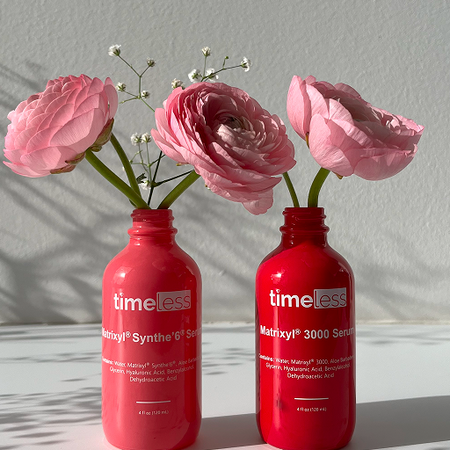
If you layer multiple water-based serums, apply the thinnest consistency first. You can also prioritize based on your primary concern. For instance, you might apply a peptide serum first for the appearance of firmness, followed by a general hydrating serum. In the Timeless Skin Care lineup, Hyaluronic Acid 100% Pure fits into the hydration category, while Matrixyl® 3000 Serum represents the peptide category.
| Serum Category | Primary Cosmetic Focus | Ideal Application Order |
|---|---|---|
| Peptides | Firmness and fine-line appearance | First serum layer |
| Vitamin B5 | Barrier support and comfort | First or second serum layer |
| Hyaluronic Acid | Upper-layer surface hydration | Directly before moisturizer or retinoid |
Step 6: Targeted Actives and Retinoids
Nighttime is a common window for applying retinoids, including over-the-counter retinol, retinal, or prescription options. Retinoids can help smooth the appearance of uneven texture and refine the look of pores.
Because retinoids can dry out the outer layers of the skin, apply a pea-sized amount over completely dry skin or over a lightweight hydrating serum. If your skin is sensitive to retinoids, you can use the sandwich method: apply a light layer of moisturizer, wait a few minutes, apply your retinoid, and follow with another layer of moisturizer.
Step 7: Eye Cream
Eye products are often used for concerns specific to the delicate eye contour, such as puffiness, dark circles, and dry expression lines.
Using your ring finger, gently pat a small dot of cream along the orbital bone beneath the eye and outwards toward the temple. Avoid dragging the skin or placing rich creams too close to the lash line. In our collection, Dark Circle Peptide Complex Eye Cream is listed in the eye contour category.
Step 8: Moisturizer or Night Cream
Moisturizers combine humectants, emollients, and occlusives to soften the skin surface and help reduce dryness overnight. This layer helps reduce transepidermal water loss (TEWL), the water that evaporates from the skin's surface.
Choose your evening moisturizer based on your skin type:
- Gel-creams provide lightweight hydration without excess heaviness, making them practical for oily complexions.
- Medium lotions suit combination and normal skin by balancing moisture and comfort.
- Rich barrier creams containing ceramides, squalane, or fatty acids offer extra surface comfort for dry or mature skin profiles.
How to use: Warm a nickel-sized amount of moisturizer between your fingertips and smooth it over your face, neck, and chest using gentle upward motions.
Step 9: Facial Oils (Optional)
For individuals with very dry skin or those living in arid climates, a facial oil can serve as a final step. Plant-based oils such as squalane, argan, or rosehip sit on top of the moisturizer.
Facial oils do not hydrate the skin on their own because they lack water. Instead, they provide lipid lubrication to the surface and help reduce moisture loss throughout the night. Warm two to three drops of oil in your palms and press gently over your moisturizer as the final step in your routine.
Customizing Your PM Routine by Skin Concern
Every individual has distinct skin needs, and a nighttime routine should reflect those personal priorities. Below are practical routine structures for different skin profiles.
PM Routine for Dry or Dehydrated Skin
Dry skin lacks natural surface oils, while dehydrated skin lacks surface water. A nighttime routine for this concern focuses on gentle cleansing, humectant layering, and rich emollient creams.
- Cleansing oil or balm to dissolve surface impurities.
- Hydrating cream cleanser that rinses clean while maintaining comfort.
- Hyaluronic acid serum. Hyaluronic acid helps attract, bind, and retain water in the outer layers of the skin.
- Vitamin B5 serum. Vitamin B5 supports the skin barrier and helps the skin retain moisture. It helps the skin feel more comfortable.
- Rich night cream with ceramides or fatty acids.
- Optional facial oil pressed onto dry patches.
PM Routine for Oily or Combination Skin
Oily skin produces excess sebum, particularly across the T-zone. The goal of an evening routine for oily skin is thorough cleansing, lightweight hydration, and gentle pore refinement without heavy occlusive layers.
- Gentle foaming or gel-based cleanser to remove excess surface oil.
- BHA liquid exfoliant, applied two evenings per week, to clarify pores.
- Lightweight peptide serum that may help support the appearance of firmness, or a hydrating serum.
- Oil-free gel moisturizer for light hydration.
PM Routine for Aging and Texture Concerns
Targeting fine lines and loss of elasticity requires consistent cosmetic support and moisture balance.
- Gentle double cleanse.
- Cosmetic peptide serum that may help support the appearance of firmness.
- Retinoid treatment applied evenly across the face.
- Nourishing eye cream patted around the orbital contour.
- Emollient moisturizer to support the skin barrier and help reduce moisture loss.
Managing Conflicting Ingredients and Alternating Nights
Using multiple active ingredients at once does not guarantee faster cosmetic improvement. Layering too many potent actives in a single evening can overwhelm your skin and lead to redness, flaking, or a disrupted moisture barrier.
Bottom line: Alternating your active ingredients across different nights gives your skin time to rest while allowing each product to be used in a consistent routine.
How to Rotate Evening Actives
Skin cycling or alternating nights is a practical method for organizing strong ingredients. A standard four-night evening rotation looks like this:
- Night 1 (Exfoliation): Double cleanse, apply a chemical exfoliant such as an AHA or BHA, follow with a gentle hydrating serum, and finish with a basic moisturizer.
- Night 2 (Retinoid): Double cleanse, apply a hydrating or peptide serum, apply your retinoid, and finish with moisturizer.
- Night 3 (Recovery): Double cleanse, apply barrier-support serums such as vitamin B5 and hyaluronic acid, and finish with a rich moisturizer.
- Night 4 (Recovery): Repeat the recovery steps to keep the skin feeling comfortable and hydrated.
Ingredient Combination Rules
Keep these basic compatibility guidelines in mind when building your pm skincare routine order:
- Direct acids and retinoids: Avoid layering strong exfoliating acids and retinoids in the same evening application. Use them on alternate nights to avoid excessive surface irritation.
- Vitamin C: Vitamin C helps brighten the look of dullness and uneven tone. Morning use is most commonly recommended, but nighttime use is also an option. Morning use should be paired with broad-spectrum sunscreen. Vitamin C supports the skin's antioxidant defenses. If you choose to use L-ascorbic acid at night, avoid applying it at the exact same time as your retinoid unless your skin is well adjusted. For related guidance, read about using vitamin C both morning and night.
- CoQ10 (Ubiquinone): For more information, see CoQ10. CoQ10 provides antioxidant support as the skin's natural CoQ10 levels decline with age. It is generally used once daily. If you have vitiligo, check with your dermatologist before using a CoQ10 product.
- Peptides and humectants: Peptides and humectants can be part of exfoliation and recovery nights, depending on individual skin tolerance.
Individual skin reactions vary significantly. If you have a known sensitivity or a diagnosed skin condition, check with your dermatologist before introducing new active combinations to your nighttime regimen.
Realistic Expectations for Your Evening Routine
Skincare requires patience, consistency, and realistic expectations. Applying a complete pm skincare routine order will not transform skin texture or tone overnight. While a hydrating serum or rich cream can provide an immediate temporary smoothing effect by increasing surface moisture, noticeable cosmetic changes may require consistent use.
The outer layer of the skin naturally renews itself, and this process can slow as we age. Cosmetic ingredients that address fine lines, firm appearance, or uneven skin tone may require consistent use to yield noticeable visual improvements.
Cosmetic skincare works at the surface and upper layers of the epidermis to support hydration, soften rough texture, and help reduce moisture loss. Focus on building a gentle, repeatable routine that keeps your skin comfortable rather than chasing immediate dramatic transformations.
Frequently Asked Questions
What is the correct order for a simple 3-step PM skincare routine?
If you prefer a minimal evening routine, the essential three-step order consists of cleansing, treating, and moisturizing. First, cleanse thoroughly with a gentle face wash to remove makeup, oil, and daytime sunscreen. Second, apply your targeted treatment, such as a hydrating serum, peptide formula, or retinoid. Third, apply a moisturizer to soften the skin surface and help reduce transepidermal water loss (TEWL) overnight.
Should I apply hyaluronic acid before or after retinol at night?
Apply a water-based hyaluronic acid serum before your retinol. Hyaluronic acid helps attract, bind, and retain water in the outer layers of the skin, providing a light layer of surface hydration. Allow the hyaluronic acid serum to absorb and dry completely before applying your retinol, as applying retinoids to damp skin can increase the rate of absorption and lead to cosmetic irritation.
Can I use my morning moisturizer in my evening skincare routine?
You can use your morning moisturizer at night if it does not contain sunscreen. Products with SPF should be reserved exclusively for daytime use, as sunscreen filters are unnecessary overnight. A dedicated nighttime moisturizer is typically richer and formulated without sun filters to focus on overnight barrier support and hydration.
How long should I wait between skincare steps at night?
For most hydrating steps, such as toners and humectant serums, you do not need to wait. Applying products in quick succession over slightly damp skin can help formulas spread easily. However, when applying targeted treatments such as direct acids or retinoids, allow your skin to dry for one to two minutes before and after application to help minimize potential surface sensitivity.