Introduction
Applying skincare products in a logical sequence can help each formula work as intended. Even carefully formulated ingredients may not deliver their intended cosmetic benefits if a heavier product is applied first. Layering products logically lets each step follow the next without unnecessary product waste.
Understanding the proper order for skincare routine steps does not require an aesthetician license, but it does require following a few basic layering rules. Whether your daily regimen involves three core steps or a multi-step routine with targeted serums, the sequence you follow matters alongside the formulas you choose.
Key Takeaway: A common approach is to layer products from thinnest to thickest texture, with lighter, water-based products generally applied before heavier formulas.
The Core Principles of Product Layering
To understand how to layer your skincare products, you only need to remember three basic guidelines. These principles apply across many product types, textures, and formulation styles.
1. Layer from Thinnest to Thickest Consistency
A common approach in skincare application is to layer products from thinnest to thickest consistency. Liquid and water-light formulas generally go first, followed by denser creams or facial oils.
2. Apply Water-Based Formulas Before Oil-Based Formulas
Water-based formulas generally go before oil-based formulas. This order can help lightweight products spread across the skin before richer formulas are applied.
3. Sunscreen Is Always the Final Morning Step
Broad-spectrum sunscreen serves as a physical or chemical shield over the skin. Applying serums, moisturizers, or oils on top of sunscreen can dilute the SPF formula and shift the protective film. Sunscreen must always be the final step of your morning skincare sequence before you apply makeup.
| Product Type | Formula Base | Typical Step Position | Primary Purpose |
|---|---|---|---|
| Cleanser | Water or Oil | Step 1 | Cleanses away surface debris and oil |
| Toner or Essence | Water | Step 2 | Prepares skin and provides light surface hydration |
| Water-Based Serum | Water | Step 3 | Delivers concentrated active ingredients |
| Emulsion or Eye Cream | Water and Oil | Step 4 | Addresses targeted areas with light moisture |
| Moisturizer | Oil-in-Water or Water-in-Oil | Step 5 | Helps reduce transepidermal water loss (TEWL) |
| Facial Oil | 100% Lipid | Step 6 (Optional) | Provides an optional finishing layer |
| Sunscreen | Mineral or Chemical Emulsion | Final AM Step | Protects against UV-induced damage |


Step-by-Step Morning Skincare Routine Order
Your morning routine can focus on defense, surface hydration, and sun protection. Throughout the day, your skin faces environmental stressors such as sunlight, airborne particles, and changing humidity levels. A properly structured morning regimen helps defend against oxidative stress caused by environmental factors such as UV exposure and pollution while keeping the skin comfortable.
Step 1: Cleanser
Start your morning by washing away sweat, excess sebum, and any residue from overnight treatments.
- Use lukewarm water rather than hot water, which can strip natural oils.
- Choose a gentle, sulfate-free foaming or gel cleanser if you have oily or combination skin.
- Opt for a gentle cleansing lotion or simply rinse with lukewarm water if your skin feels dry or sensitive in the morning.
Step 2: Hydrating Toner or Refreshing Mist (Optional)
Toners are no longer limited to harsh, alcohol-laden astringents. Modern formulas can help balance the surface after cleansing and prepare the outer layers of the epidermis for subsequent products.
- Apply directly by pressing the liquid into the face with clean hands or swiping gently with a reusable cotton pad.
- Look for humectant-rich formulas that leave the skin slightly damp.
Step 3: Vitamin C or Daytime Antioxidant Serum
Morning use is common for antioxidant serums, although it is not the only option. An antioxidant serum helps defend against oxidative stress caused by environmental factors such as UV exposure and pollution. If you use an antioxidant serum in the morning, finish with broad-spectrum sunscreen.
L-ascorbic acid is the most researched form of vitamin C. Its acidic formulation is sensitive to air, light and heat. Vitamin C helps brighten the look of dullness and uneven tone.
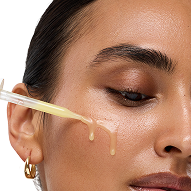
- Apply a few drops to dry or slightly damp skin after cleansing or toning.
- Allow the serum a moment to absorb before moving to the next layer.
- If you have sensitive skin, start by applying your antioxidant serum every other morning to monitor how your skin responds.
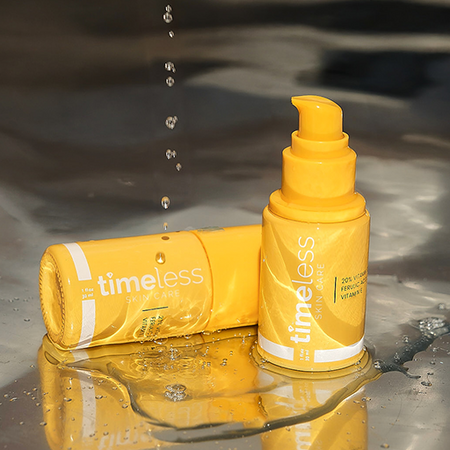
For category reference, the 20% Vitamin C + E Ferulic Acid Serum is listed in the vitamin C category.
Step 4: Hydrating Serums
If your skin feels dehydrated or tight, adding a dedicated humectant serum after your antioxidant step can help support hydration in the upper layers of the epidermis.
Ingredients like hyaluronic acid act as humectants. Hyaluronic acid is a humectant, not a moisturizer. It helps attract, bind, and retain water in the outer layers of the skin. Hyaluronic acid helps improve the appearance of dehydration lines.
For category reference, Hyaluronic Acid 100% Pure is listed in the hydration category.
Step 5: Eye Cream (Optional)
The skin surrounding the eyes is delicate and possesses fewer sebaceous glands than the rest of the face. An eye cream can soften the appearance of fine lines in this targeted zone.
- Dispense a small amount onto your ring finger.
- Gently tap the cream along the orbital bone, moving from the inner corner outward.
- Avoid pulling, rubbing, or applying heavy formulas too close to the lash line.
Step 6: Daytime Moisturizer
A daily moisturizer helps reduce transepidermal water loss (TEWL), the water that evaporates from the skin's surface.
- Choose a lightweight lotion or oil-free gel for oily skin types.
- Select a richer cream containing ceramides or fatty acids if your skin is dry.
- Massage the moisturizer evenly over the entire face and neck in upward strokes.
Step 7: Broad-Spectrum Sunscreen
Sunscreen is an important part of any morning routine. Daily UV exposure contributes to visible fine lines, rough texture, and uneven tone.
- Choose a broad-spectrum formula rated SPF 30 or higher.
- Apply an adequate amount, approximately a nickel-sized dollop for the face and neck.
- Allow the sunscreen to set for a few minutes before applying makeup.
How to use: A morning sequence can be cleanse, tone, apply antioxidant serum, apply hydrating serum, pat on eye cream, smooth on moisturizer, and finish with a broad-spectrum sunscreen.
AM Routine Sequence
- Cleanser
- Toner (optional)
- Vitamin C / Antioxidant Serum
- Hydrating Serum (optional)
- Eye Cream (optional)
- Moisturizer
- Broad-Spectrum Sunscreen
Step-by-Step Evening Skincare Routine Order
While daytime routines focus on defense, your nighttime routine can focus on thorough cleansing, targeted products, and barrier support. Night can be a convenient time to use specialized peptides, richer creams, or lipid-replenishing oils.
Step 1: First Cleanse (Makeup and Sunscreen Removal)
Throughout the day, long-wear makeup, silicones, sebum, and water-resistant sunscreens accumulate on the skin. A single water-based cleanser may not break down these oil-soluble substances completely.
- Use a cleansing oil, cleansing balm, or micellar water on dry skin.
- Massage the product thoroughly to dissolve makeup and sunscreen.
- Emulsify with warm water and rinse clean.
Step 2: Second Cleanse (Water-Based Cleanser)
Following your makeup remover with a gentle, water-based face wash helps lift remaining impurities, sweat, and cleansing oils from the skin surface.
- Work the cleanser into a lather in your hands before massaging onto wet skin.
- Cleanse for roughly 30 to 60 seconds, paying attention to the jawline and hairline.
- Rinse thoroughly with lukewarm water and gently pat your skin dry with a clean towel.
Step 3: Exfoliant or Clarifying Treatment (2–3 Nights Weekly)
Chemical exfoliants such as alpha hydroxy acids, including glycolic or lactic acid, and beta hydroxy acids, such as salicylic acid, help lift away built-up dead skin cells.
- Apply chemical exfoliants two to three times per week rather than every night.
- Avoid applying strong exfoliating acids on the same evening you use a retinoid to limit surface irritation.
- Apply exfoliants after cleansing on clean, dry skin.
Step 4: Evening Targeted Serums and Peptides
Nighttime provides an opportunity to layer targeted treatment serums that address specific cosmetic goals, such as visible firmness or textural refinement.
Peptides are short chains of amino acids. Peptides may help support the appearance of firmness.
Another evening option is ubiquinone, also known as CoQ10. CoQ10 is a lipid-soluble antioxidant naturally found in skin. CoQ10 provides antioxidant support as the skin's natural CoQ10 levels decline with age. CoQ10 supports firmer-looking skin. CoQ10 is generally used once daily.
If you have vitiligo, check with your dermatologist before using a CoQ10 product.
- Apply peptide serums and targeted antioxidants after water-based hydrators or exfoliants.
- Gently press the serum into your face and neck until absorbed.
For category reference, Coenzyme Q10 Serum is listed in the antioxidant category.
Step 5: Evening Eye Cream
Applying an eye cream at night can support a smoother, more refreshed under-eye appearance. Tap the product gently into the skin around the orbital bone without pulling.
Step 6: Night Moisturizer or Barrier Cream
Night creams are often richer than daytime lotions because you do not need to layer sunscreen over them. A well-formulated night cream helps reduce moisture loss throughout the night. Vitamin B5 supports the skin barrier and helps the skin retain moisture. It helps the skin feel more comfortable.
- Apply a generous layer to the face, neck, and upper chest.
- Look for ingredients like ceramides, squalane, or cholesterol to help reduce moisture loss during sleep.
Step 7: Facial Oil (Optional Final Step)
If your skin is especially dry or exposed to dry indoor heating, applying a facial oil over your night cream provides an extra layer of lipid nourishment.
- Warm two to three drops of facial oil between your palms.
- Lightly press the oil onto your cheeks, forehead, and neck over your moisturizer.
- A facial oil generally follows water-based creams because it acts as an occlusive barrier.
PM Routine Sequence
- Oil-Based Cleanser / Makeup Remover
- Gentle Water-Based Cleanser
- Exfoliant (2–3 nights weekly)
- Targeted Treatment Serums (Peptides, Retinoids, or Antioxidants)
- Eye Cream
- Night Moisturizer
- Facial Oil (optional)
How to Layer Multiple Serums and Active Ingredients
Many skincare routines involve more than one serum. Layering several active formulas requires a systematic approach to support comfort and consistent application.
The Rule of Molecular Weight and Vehicle
When applying more than one serum, apply them in order of density:
- Lightest Liquid First: Watery, fast-absorbing serums, such as basic humectants or acidic antioxidant solutions.
- Viscous Liquids Second: Thicker, gel-like serums, such as peptide complexes or concentrated hydrators.
- Emulsions or Oil Suspensions Third: Milky serums, lipid-soluble treatments, or light fluid emulsions.
Managing Ingredient Compatibility
You do not need to apply every active ingredient at the same time. Separating ingredients across morning and evening routines can help avoid overloading your skin.
- Morning Active: Use vitamin C in the morning to help defend against oxidative stress caused by environmental factors such as UV exposure and pollution.
- Evening Active: Use retinoids, exfoliating acids, or peptide complexes in your nighttime routine.
- Universal Hydrators: Hyaluronic acid and vitamin B5 can be used in both morning and evening routines.
| Active Ingredient | Ideal Routine Timing | Compatible Partners | Best Applied Next To |
|---|---|---|---|
| L-Ascorbic Acid (Vitamin C) | Morning | Hyaluronic Acid, Vitamin E, Ferulic Acid | Clean, dry skin before moisturizer |
| Peptides | Morning or Evening | Hyaluronic Acid, CoQ10, Ceramides | After lighter hydrators, before cream |
| AHA / BHA Acids | Evening (2–3x weekly) | Hyaluronic Acid, Simple Moisturizers | Clean, dry skin immediately after cleansing |
| Retinoids | Evening | Ceramides, Peptides, Hyaluronic Acid | After light serums or over moisturizer |
| CoQ10 | Morning or Evening | Peptides, Hyaluronic Acid, Squalane | After water-based serums |
Setting Realistic Expectations and Avoiding Common Mistakes
Building an effective skincare regimen is a long-term commitment rather than an overnight fix. Cosmetic results are gradual and vary significantly from person to person based on skin type, genetics, lifestyle, and consistent application.
Why Consistency Outweighs Complexity
A simple three-step routine used consistently may be easier to maintain than a complex routine used sporadically. Consistent use can support the appearance of uneven tone, fine lines, or dry texture. Introducing too many products at once makes it difficult to pinpoint which formula is delivering benefits or causing a reaction.
Common Layering Mistakes to Avoid
- Applying Serums Over Heavy Creams: If you apply a lightweight serum after a dense cream, the serum may sit on top of the cream rather than spread evenly across the skin surface.
- Applying Sunscreen Underneath Moisturizer: Sunscreen must remain on the outermost surface of the skin to form an even protective layer. Putting moisturizer over sunscreen disrupts this barrier.
- Rushing Product Application: While you do not need to wait ten minutes between every step, allowing each layer thirty to sixty seconds to settle can help prevent formulas from pilling or balling up on the face.
- Neglecting the Neck and Chest: The skin on your neck and upper chest experiences the same environmental exposure as your face. Extend your serums, moisturizers, and sunscreens downward to keep these areas looking balanced.
- Over-Exfoliating: Using strong acid toners, exfoliating scrubs, and retinoids simultaneously can strip the outer layers of the skin, resulting in redness, flaking, and discomfort.
Note: If you experience unexpected redness or sensitivity, simplify your routine to a basic cleanser, a gentle moisturizer that helps reduce moisture loss, and a daily sunscreen. Individual reactions vary, and anyone with a known sensitivity or diagnosed skin condition should check with their dermatologist.
Frequently Asked Questions
What is the absolute minimum skincare routine order for beginners?
A complete beginner routine can involve three steps in the morning and three at night. In the morning, use a gentle cleanser, a daily moisturizer, and a broad-spectrum sunscreen. In the evening, cleanse your skin thoroughly to remove impurities, apply your moisturizer to reduce moisture loss, and optionally use a targeted serum between cleansing and moisturizing if you want to address a specific concern.
How long should I wait between applying each skincare step?
For most hydrating serums and moisturizers, you only need to wait 30 to 60 seconds until the formula feels absorbed rather than tacky. When applying broad-spectrum sunscreen, let your moisturizer settle completely first, and allow your sunscreen to set for a few minutes before applying foundation or other makeup.
Should I apply my eye cream before or after my face moisturizer?
Eye creams are typically lighter in texture than rich facial moisturizers, meaning they should be applied before your face cream. Applying your eye cream first keeps its targeted ingredients from having to pass through a heavier barrier cream. Explore the eye cream collection for targeted options.
Can I mix my facial serum directly into my moisturizer to save time?
It is generally best to layer products sequentially rather than mixing them in your palm. Combining formulas can disrupt emulsion stability, alter the required pH balance of acidic actives like L-ascorbic acid, and dilute the preservative systems of both products. Layering each product separately keeps the steps distinct.