Introduction
Layering skincare serums in the right order can make a routine easier to follow and help products apply evenly. When you apply products randomly, heavier textures may interfere with lighter liquids at the surface of the skin. This can contribute to product pilling or unnecessary irritation.
A thoughtful serum sequence can make layering more predictable. Whether you use a simple two-step routine or multiple targeted treatments, the basic principles of skincare layering remain consistent.
Key Takeaway: Skincare products are generally layered from thinnest to thickest consistency, applying water-based solutions first and finishing with oils or rich creams.
Applying formulas in the correct sequence takes the guesswork out of your daily regimen. This guide covers the essential rules of serum layering, ingredient compatibility, and how to structure your morning and evening routines.
Core Rules for Ordering Skincare Serums
Navigating multiple serums becomes simpler once you understand four foundational rules. Skincare formulations can differ based on physical weight, base solubility, and chemical composition.
1. Follow Consistency from Thinnest to Thickest
The primary rule of product layering is viscosity. Thin, watery serums are typically easier to layer first. If you apply a dense, viscous serum first, it may make it harder for lighter liquids to apply evenly.
Start with light, liquid textures that resemble water. Follow these with slightly thicker gel textures. Place dense, emulsion-style serums later in the routine, before moisturizing.
2. Apply Water-Based Formulas Before Oil-Based Formulas
Water and oil do not mix naturally on the skin. Water-based serums may contain humectants and water-soluble actives. Oil-based formulas and facial oils contain lipids that sit on the skin to condition the surface.
If you apply an oil-based serum first, water-based ingredients may sit on top of the oil layer instead of applying evenly. Apply water-soluble serums directly to freshly cleansed or toned skin before introducing lipid-based products.
3. Consider Formula pH and Active Ingredients
Some skincare ingredients are used in formulas with a particular pH. L-ascorbic acid is the most researched form of vitamin C, and it is used in an acidic formulation.
When layering multiple active treatments, consider formula pH and place lower-pH serums before neutral hydrating formulas.
4. Prioritize Your Primary Skin Concern
If you have two serums with identical water-based viscosities and similar pH levels, layer according to your personal skincare priorities. Apply the serum that addresses your most important concern first so it has direct contact with clean skin.
For instance, if your main objective is addressing surface dryness, apply your humectant serum first. If your primary goal is uneven tone, apply your brightening active before your basic hydrator.


How Specific Ingredients Fit into Your Serum Order
Understanding how popular ingredients function helps you place them in the correct routine slot without causing unwanted friction between products. For additional ingredient definitions, visit our ingredient glossary.
| Ingredient Type | Formula Base | Routine Timing | Layering Position |
|---|---|---|---|
| Vitamin C (L-Ascorbic Acid) | Water-based / Acidic | Morning or evening; pair morning use with sunscreen | First serum on dry skin |
| Hyaluronic Acid / Sodium Hyaluronate | Water-based / Gel | Morning and evening | After low-pH actives or first |
| Peptides (Matrixyl 3000 / Synthe'6) | Water-based / Gel | Morning or evening | Mid-serum step |
| Vitamin B5 (Calcium Pantothenate) | Water-based | Morning or evening | Mid-serum step |
| Coenzyme Q10 (Ubiquinone) | Emulsion / Lipid-soluble | Generally once daily, morning or evening | After water-based serums |
Vitamin C
L-ascorbic acid is a water-soluble antioxidant. In topical formulations, vitamin C helps brighten the look of dullness and uneven tone. It also helps defend against oxidative stress caused by environmental factors such as UV exposure and pollution.
Morning use is the most common recommendation, but it is not the only option. When used in the morning, pair it with broad-spectrum sunscreen.
Because L-ascorbic acid is formulated at an acidic pH and is sensitive to light and air, apply it as the first leave-on serum after cleansing when using it in the morning. Let it absorb into dry skin before applying neutral hydrating layers.
Hyaluronic Acid and Sodium Hyaluronate
Hyaluronic acid is a humectant, not a moisturizer. Sodium hyaluronate is the sodium salt of hyaluronic acid. Hydrolyzed hyaluronic acid is hyaluronic acid broken into smaller fragments.
Hyaluronic acid helps attract, bind, and retain water in the outer layers of the skin. Smaller fragments of hydrolyzed hyaluronic acid may penetrate slightly further into the outer layers of the skin.
Hyaluronic acid helps support hydration in the upper layers of the epidermis. It helps improve the appearance of dehydration lines.
Because these formulas are water-based, apply them after acidic serums or directly onto clean, damp skin if used alone.
Coenzyme Q10
Ubiquinone is a lipid-soluble antioxidant naturally found in the skin. Topical CoQ10 provides antioxidant support as the skin's natural CoQ10 levels decline with age. It helps improve the appearance of fine lines and supports firmer-looking skin.
CoQ10 is generally used once daily. Because ubiquinone is oil-soluble, CoQ10 serums often have a richer, milky emulsion texture. Apply this serum after lightweight, water-based treatments and before your final moisturizer. Do not use CoQ10 under the eyes. If you have vitiligo, check with your dermatologist before using a CoQ10 product. Learn more about Coenzyme Q10.
Peptides
Peptides such as Palmitoyl Tripeptide-1, Palmitoyl Tetrapeptide-7, and Palmitoyl Tripeptide-38 are used in cosmetic formulas. Peptides may help support the appearance of firmness.
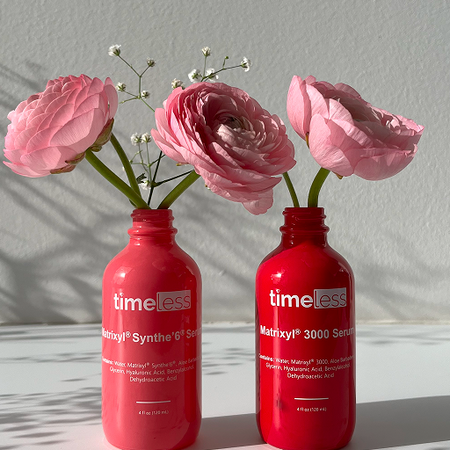
Peptide serums generally feature a lightweight, water-based gel texture. Apply them after acidic treatments like L-ascorbic acid have settled, or use them in your evening routine alongside hydrating ingredients. For more information, read about Matrixyl Synthe'6 and Matrixyl 3000.
Vitamin B5
In skincare formulations using Calcium Pantothenate, vitamin B5 supports the skin barrier and helps the skin retain moisture. It also helps the skin feel more comfortable during periods of dryness. Vitamin B5 layers easily alongside humectants and peptides in either morning or evening routines.
Morning vs Evening Serum Sequences
Your skin experiences different environmental exposures during the day compared to the evening. Structuring your morning and evening serum order can help organize your skincare routine.
Quick Answer: In the morning, focus on hydration and antioxidant care followed by broad-spectrum sunscreen. In the evening, focus on targeted support, skin barrier comfort, and richer hydration.
Morning Routine: Defense and Hydration
During daylight hours, your skin encounters environmental elements like sunlight and urban pollution. Morning serum application should emphasize topical antioxidants followed by surface hydration.
- Cleanse your face with a gentle, water-based cleanser or rinse with lukewarm water.
- Apply your vitamin C serum to dry skin. It helps defend against oxidative stress caused by environmental factors such as UV exposure and pollution.
- Apply a hydrating serum containing sodium hyaluronate. Hyaluronic acid helps attract, bind, and retain water in the outer layers of the skin.
- Apply a light moisturizer. It helps reduce transepidermal water loss (TEWL).
- Finish with a generous layer of broad-spectrum sunscreen with an SPF rating of 30 or higher.
Morning antioxidant use should always be paired with a daily broad-spectrum sunscreen. Apply sunscreen as the final morning step.
Evening Routine: Barrier Support
Evening routines can accommodate richer textures and targeted peptide formulas.
- Double cleanse using an oil-based cleanser followed by a gentle foaming wash to remove makeup, sunscreen, and daily debris.
- Apply an exfoliating toner or direct acid solution two to three evenings per week if your skin tolerates it.
- Apply a peptide serum. Peptides may help support the appearance of firmness.
- Apply a vitamin B5 serum. It supports the skin barrier and helps the skin retain moisture.
- Apply your nighttime moisturizer or rich cream. It helps reduce moisture loss while you sleep.
- Optional: Press two to three drops of a facial oil over your moisturizer to condition dry areas.
Setting Realistic Skincare Expectations
Improving the visible quality of your skin through serum layering requires patience and consistency. Cosmetic products work gradually within the surface layers of the skin. They do not produce permanent changes overnight or replace professional dermatological care.
With consistent use, cosmetic products may improve the appearance of radiance, surface hydration, and skin smoothness. Hyaluronic acid helps improve the appearance of dehydration lines. Uneven skin tone and texture may require ongoing use.
Individual reactions vary based on unique skin biology, current barrier health, and environmental factors. If you have a known skin sensitivity or a diagnosed skin condition, check with your dermatologist before introducing new active serums into your routine.
Common Serum Layering Mistakes to Avoid
Even seasoned skincare enthusiasts occasionally make layering errors that reduce product efficiency. Avoiding these common habits keeps your regimen balanced.
- Applying products out of order: Putting facial oils or heavy moisturizers on before water-soluble serums may make it harder for lighter products to reach the upper layers of the epidermis.
- Using too many active ingredients at once: Combining multiple strong treatments in a single routine can overwhelm the skin and increase the likelihood of irritation.
- Rushing between layers: Applying products too quickly can cause formulas to mix awkwardly on the skin, resulting in pilling. Give each serum thirty to sixty seconds to settle before adding the next.
- Neglecting daily sun protection: Skipping sunscreen leaves daytime skincare incomplete.
- Assuming higher percentages work better: A serum with a higher concentration does not guarantee superior cosmetic results. Overall formulation, pH, and skin compatibility are also important.
Building Your Routine with Timeless Skin Care
Timeless Skin Care offers options across essential product categories:
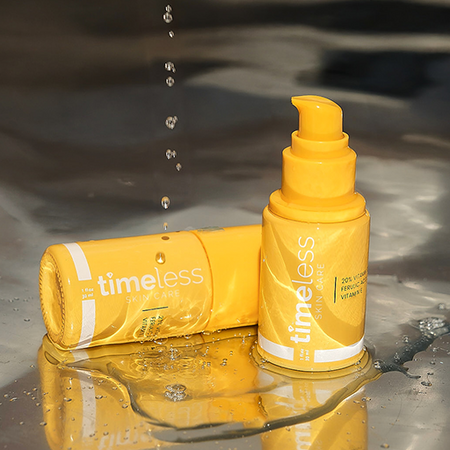
- Vitamin C Category: 20% Vitamin C + E Ferulic Acid Serum
- Hydration Category: Hyaluronic Acid 100% Pure
- Antioxidant Category: Coenzyme Q10 Serum
Selecting one or two focused serums per routine can keep your regimen simple and manageable. For help organizing a routine, use our skincare quiz.
Frequently Asked Questions
How many serums can I apply in one skincare routine?
Many routines use one to two serums. Using more than three may increase the risk of product pilling or make a routine harder to manage. If you want to use multiple active ingredients, split them between your morning and evening routines rather than applying them all at once.
How long should I wait between applying different serums?
You do not need to wait a fixed number of minutes between most products. Waiting thirty to sixty seconds may help each layer settle so the next layer applies smoothly. For low-pH serums like L-ascorbic acid, allow the serum to settle before applying neutral hydrators.
Can I mix my serums together in my hand before applying them?
Cocktailing serums in your palm can alter the formulation balance, pH levels, and preservative systems of each individual product. Applying serums separately in their proper order from thinnest to thickest makes the order easier to control. Separate application also allows you to control where each product is placed on your face.
What should I do if my serums start pilling on my face?
Product pilling can happen when a water-based serum is applied over an oil-based formula, when too much product is used, or when products are layered too quickly. To prevent pilling, reduce the amount of product you apply, allow each layer thirty seconds to settle, and ensure you follow the rule of thin water-based formulas before heavier creams.