Introduction
Getting your skincare and makeup to work together comes down to correct application order. When you apply formulas out of sequence, products can pill, slide around, or separate on your face. Layering them thoughtfully allows each formula to settle properly while creating a balanced base for foundation and concealer.
A proper prep routine does not require dozens of complex steps. Instead, it relies on basic physical principles: lightweight formulas generally go before thicker ones, water-based layers typically precede oil-based products, and broad-spectrum sunscreen always finishes your skincare routine. Once your skincare is set, your cosmetic steps can follow a progression from liquid to powder.
Key Takeaway: The foundational rule for layering skincare and makeup is applying products from thinnest to thickest consistency, finishing skincare with sunscreen, and setting liquid makeup before adding powders.
The Core Rules of Layering Skincare Under Makeup
Layering products requires an understanding of how different cosmetic vehicles interact. Water and oil do not mix easily on the surface of the skin without proper blending time and compatible textures.
1. Thin to Thick Consistency
Liquids with lightweight textures often settle quickly at the surface. Thicker creams and facial oils generally sit over the skin. Applying a thin serum on top of a thick cream can prevent the serum from contacting the surface directly.
2. Water Before Oil
Water-soluble ingredients often distribute best when applied before facial oils. If you apply a rich face oil first, any water-based product applied over it may bead up and struggle to distribute evenly.
3. Let Each Layer Settle
Rushing your morning steps can cause makeup to ball up into small flakes. Giving each layer roughly thirty to sixty seconds to settle can create an even surface for the next step.
| Layering Order | Formula Type | Purpose on the Skin |
|---|---|---|
| Step 1 | Water-based Cleanser or Micellar Water | Clears surface oils and debris |
| Step 2 | Hydrating Toner or Essence | Adds light surface hydration |
| Step 3 | Active or Hydrating Serums | Targets specific cosmetic concerns |
| Step 4 | Lightweight Moisturizer | Softens and supports the surface barrier |
| Step 5 | Broad-Spectrum Sunscreen | Defends against UV rays |
| Step 6 | Makeup Primer (Optional) | Creates grip and smooths texture |
| Step 7 | Liquid or Cream Complexion Products | Evens visible skin tone |
| Step 8 | Setting Powders | Blurs texture and sets creams |


Step-by-Step Skincare Prep Routine
Preparing your skin before applying cosmetics can support smooth product distribution and help prevent dry patches from catching pigment. If you are building a personalized routine, the skincare quiz can help guide your product choices.
Step 1: Gentle Cleansing
Start by washing your face with lukewarm water and a mild cleanser. This can remove overnight sebum and dead surface skin cells while helping avoid excessive dryness. Pat your face dry with a clean cotton towel.
Step 2: Hydrating Serums
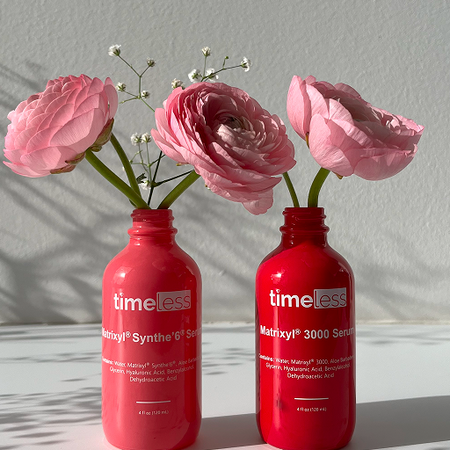
Timeless Skin Care offers Hyaluronic acid in the serum category.
Apply humectant products to slightly damp skin. Hyaluronic acid helps attract, bind, and retain water in the outer layers of the skin. This ingredient helps improve the appearance of dehydration lines, creating a smoother canvas for foundation.
Step 3: Antioxidant Serums
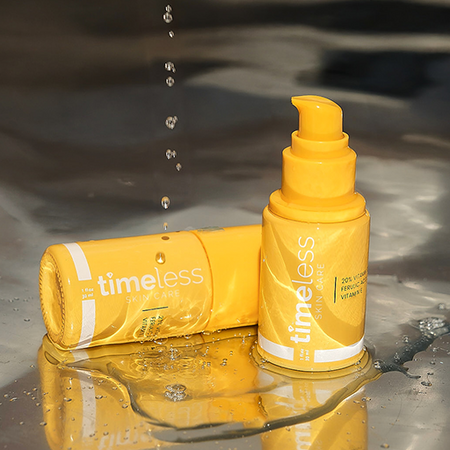
In the antioxidant category, Timeless Skin Care provides 20% Vitamin C + E Ferulic Acid Serum.
Morning routines can include topical antioxidants. Vitamin C helps brighten the look of dullness and uneven tone. Vitamin C helps defend against oxidative stress caused by environmental factors such as UV exposure and pollution.
Step 4: Eye Cream
Timeless Skin Care offers Dark Circle Peptide Complex Eye Cream in the eye care category.
Dab a tiny amount of eye cream along the orbital bone using your ring finger. Using a small amount can help keep concealer from slipping or creasing throughout the day.
Step 5: Moisturizer
A lightweight lotion or gel cream helps soften rough texture. A well-formulated moisturizer helps reduce transepidermal water loss (TEWL), the water that evaporates from the skin's surface. Choose an oil-free or lightweight gel formula under makeup to help limit excess shine.
Step 6: Broad-Spectrum Sunscreen
Sunscreen is the final step of any morning skincare sequence. Apply a generous amount of broad-spectrum SPF 30 or higher across your face, neck, and ears. Let the sunscreen dry down completely for three to five minutes before introducing makeup.
How to use: Wait at least three full minutes after applying your daily broad-spectrum sunscreen before applying primer or foundation. This allows the protective film to form undisturbed.
The Correct Order for Makeup Application
Once your skincare base has set, transition into your cosmetic routine. Applying makeup systematically can reduce muddy color blending and support wear time.
- Primer (Optional): Apply a pea-sized amount of primer to areas prone to excess shine, enlarged pores, or makeup fading. Press the product gently into the skin rather than rubbing aggressively.
- Color Correction (Optional): If you use color correctors, apply them in thin dots over localized areas. Peach tones help neutralize the look of dark circles, while green shades tone down visible redness.
- Foundation or Skin Tint: Apply liquid foundation starting at the center of the face and blending outward toward the hairline and jaw. Use a damp makeup sponge or dense buffing brush for a more even layer.
- Concealer: Dot concealer under the inner corners of your eyes and over any specific blemishes. Gently tap the product into place with your ring finger or a small brush so you do not move the underlying foundation.
- Cream Bronzer and Blush: If you enjoy cream or liquid cheek products, apply them now over your liquid base. Creams blend smoothly into unset foundation.
- Setting Powder: Lightly dust translucent powder across the T-zone or any areas where oil tends to break through. Press the powder gently with a velour puff or fluffy brush.
- Powder Color Products: If you prefer powder bronzer, blush, or highlighter, sweep them over the powdered base.
- Brows and Eyes: Fill in sparse brow areas with pencil or powder, then apply eyeshadow, eyeliner, and mascara.
- Setting Spray: Mist your face lightly with a setting spray to bind the powder and liquid layers together for longer wear.
How to Reduce Makeup Pilling and Separation
Pilling happens when products ball up into tiny rubber-like specks on your skin instead of blending smoothly. This issue usually stems from formula incompatibility, excess product, or hurried application. For additional guidance on using serums and other layers together, see how to layer multiple serums.
Match Product Bases
Check the ingredient lists of your primer and foundation. Silicone-based foundations contain ingredients ending in -cone or -siloxane near the top of the list. Water-based foundations list water as the primary ingredient and lack heavy silicones. The ingredient glossary can provide definitions for ingredient terms.
When you place a silicone-heavy primer beneath a water-based foundation, the formulas may not layer smoothly. This can cause the foundation to slide, separate, or break apart during blending. Water-based foundations generally pair well with water-based primers, while silicone formulas generally pair well with silicone bases.
Use Less Product
Applying too much serum, moisturizer, or foundation can overload the skin. Extra layers may remain on the surface and roll up under friction. Use a modest amount of serum and moisturizer for your entire face.
Mind Individual Skin Sensitivity
Certain skincare combinations can cause redness or irritation for sensitive skin types. Individual reactions vary, and anyone with a diagnosed skin condition should check with their dermatologist when introducing new products into a routine.
If you have vitiligo, check with your dermatologist before using a CoQ10 product.
Realistic Expectations for Skincare and Makeup Results
Cosmetic skincare products support skin hydration, texture, and radiance over time. Visible improvements may depend on consistent application. Topical formulas are intended to support cosmetic changes rather than create an instant transformation.
Makeup acts as an aesthetic layer to even visible tone and enhance features, while skincare works gradually to support surface condition. Patience and regular routine maintenance can support healthy-looking skin and a clean makeup finish.
Bottom line: Consistency and correct layering technique can support a smooth finish. Skincare provides gradual cosmetic improvements, while proper makeup sequencing can support a smooth, longer-wearing finish.
Frequently Asked Questions
Should I apply sunscreen before or after makeup primer?
Sunscreen must always be applied before makeup primer. Sunscreen forms a uniform protective film over your skincare layers. Placing primer on top creates an adhesive base for your makeup without compromising your sun protection.
How long should I wait between skincare and makeup?
Wait approximately three to five minutes between your last skincare step and your first makeup step. This gives your moisturizer and sunscreen adequate time to dry down, which helps prevent pilling and uneven makeup coverage.
Can I mix foundation directly with my daily moisturizer?
You can mix a drop of liquid foundation with your moisturizer to create a sheer, custom tint. However, never mix foundation directly into your sunscreen bottle or hands, as diluting sunscreen reduces its protective ability against UV exposure.
Do I need to use both a moisturizer and a primer under makeup?
Not everyone needs both steps. If your skin is naturally oily or your sunscreen provides enough surface hydration, you may skip moisturizer in the morning. If your foundation applies smoothly over your set sunscreen, you can skip primer entirely. For additional answers about product use and routines, visit the Timeless Skin Care FAQ.