Introduction
Layering your products correctly can transform how your cosmetic base looks and stays throughout the day. When cosmetics pill, separate, or cling to dry spots, the root cause is rarely the foundation itself. More often, the underlying skincare steps or the sequence of application created friction on the surface.
Skincare prepares your canvas, while makeup builds color, tone, and dimension. If you apply a thick cream before a watery serum, the serum may not spread evenly across the skin. Similarly, if you spread foundation over wet sunscreen, you may disturb the sun protection layer, and your makeup may slide or wear unevenly.
Understanding the proper skincare makeup order removes daily guesswork. By honoring the physical characteristics of each formula, you allow your morning treatments to do their job while creating an even base for cosmetics. Founded in 2009 by Veronica Pedersen, Timeless Skin Care focuses on clean formulas that fit effortlessly into your everyday regimen. This guide breaks down the science of morning layering, product textures, and the correct sequence from your first morning splash to your final setting powder.
Quick Answer: Apply your products from thinnest to thickest consistency. Skincare comes first, finishing with a broad-spectrum sunscreen. Allow your sunscreen to dry down completely before applying any primer, foundation, concealer, and setting powders.
The Fundamental Rules of Skincare and Makeup Layering
Product layering follows simple chemical and physical principles. Knowing these core guidelines ensures that your steps work in harmony rather than interfering with one another. For additional guidance, read about how to layer multiple serums.
Consistency: Thin to Thick
The universal rule of skincare layering is moving from the lightest, most liquid textures to the heaviest, richest formulas. Water-based liquids have small molecular structures and absorb rapidly. Thick creams and facial oils contain larger lipid molecules that sit over the outer surface.
Applying a rich face cream first may make it harder to spread a lightweight liquid evenly. Layering from thinnest to thickest helps each step spread evenly across the surface.
Base Compatibility: Water vs. Silicone vs. Oil
Makeup and skincare formulas rely on specific base carriers, primarily water, silicone, or oil. Combining incompatible bases often leads to pilling, where products ball up into tiny flakes instead of blending smoothly.
A water-based foundation layered over an oil-heavy facial balm will often separate because water and oil repel each other. Similarly, applying heavy silicone primers over certain thick plant oils can cause visible sliding. For the smoothest application, evaluate the first three to four ingredients on your product labels. Matching water-based primers with water-based foundations generally yields the most cohesive finish.
| Formula Base | Key Characteristic | Best Paired With | Common Application Note |
|---|---|---|---|
| Water-Based | Lightweight, absorbs quickly, fluid feel | Water-based skincare, light lotions | Ideal for layering under fluid foundations |
| Silicone-Based | Velvety slip, smoothing, blurs texture | Silicone-dominant makeup primers | Allow prior skincare steps to dry down fully |
| Oil-Based | Rich, emollient, surface-nourishing | Cream foundations, dry-skin balms | Keep daytime amounts very small before makeup |
Wait Times Between Layers
Rushing your routine is a common reason makeup fails to set properly. Skincare formulas need brief contact time to absorb into the surface layers.
Water-based serums typically require twenty to thirty seconds to settle. Thicker moisturizers benefit from one to two minutes. Most importantly, broad-spectrum sunscreen requires a dedicated dry-down period before any cosmetic product touches your face.
Key Takeaway: Giving your skincare steps a brief moment to settle prevents formulas from mixing prematurely, reducing the risk of pilling and uneven makeup coverage.


Step-by-Step Morning Skincare Routine Before Makeup
A dedicated morning skincare routine creates a hydrated, balanced surface. This five-step daytime sequence ensures optimal hydration without overloading the skin before makeup application. If you need help choosing routine steps, use the skincare quiz or explore DIY Build Your Kit.
Step 1: Gentle Cleanser
Morning cleansing removes overnight oils, sweat, and lingering evening products. Use a mild, water-based cleanser that rinses clean without leaving a tight, stripped sensation.
Massage the cleanser gently over damp skin using lukewarm water, then rinse thoroughly. Pat your face dry with a clean, soft towel, leaving the skin slightly damp if you plan to follow immediately with a humectant.
Step 2: Antioxidant Serum
Morning is the classic time to apply an antioxidant treatment. An antioxidant helps defend against oxidative stress caused by environmental factors such as UV exposure and pollution.
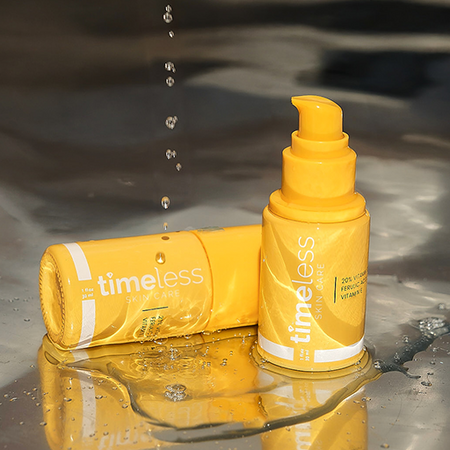
Vitamin C is among the most researched topical antioxidants. It helps brighten the look of dullness and uneven tone. Apply a few drops of a vitamin C serum across your face, neck, and chest. Let the liquid sink in for thirty seconds. Pair morning vitamin C use with broad-spectrum sunscreen. An example of a vitamin C serum is the 20% Vitamin C + E Ferulic Acid Serum.
Step 3: Hydrating Serum
Hydration is distinct from moisture. While moisture refers to lipids and oils, hydration refers specifically to water content in the epidermis. Humectants are ingredients that attract water to keep the skin looking supple.
Hyaluronic acid is a premier humectant that helps attract, bind, and retain water in the outer layers of the skin. This action helps improve the appearance of dehydration lines, creating a smoother appearance under foundation. Spread a few drops across the skin while it is still receptive from your previous step. An example of a hydrating serum is the Hyaluronic Acid 100% Pure serum.
Step 4: Eye Cream
The skin surrounding the eyes is delicate and possesses fewer sebaceous glands than the rest of the face. Using your ring finger, gently pat a small pea-sized amount along the orbital bone. Avoid rubbing or tugging the skin. An example of an eye cream is the Dark Circle Peptide Complex Eye Cream.
Step 5: Lightweight Daytime Moisturizer
A morning moisturizer helps reduce transepidermal water loss (TEWL). In the daytime, choose a fluid lotion or gel-cream rather than an occlusive night balm.
Vitamin B5 supports the skin barrier and helps the skin retain moisture. It helps the skin feel more comfortable. Massage a nickel-sized amount evenly across your face and neck.
- Gentle cleanser.
- Antioxidant serum.
- Hydrating serum.
- Eye cream.
- Lightweight daytime moisturizer.
Bridging Skincare and Makeup: Primers and SPF
The transition between skincare and makeup is where many application routines encounter difficulties. Handling your sunscreen and primer correctly is vital for both skin health and cosmetic longevity.
The Sunscreen Rule: The Non-Negotiable Final Skincare Step
Sunscreen must always be the final step of your skincare routine. Never mix your sunscreen directly into your moisturizer, foundation, or facial oils, as this alters the emulsion and dilutes the protective film.
Use a generous amount of broad-spectrum sunscreen rated SPF 30 or higher. Spread it evenly over your entire face, ears, and neck. Once applied, wait three to five minutes before applying makeup. This pause allows the UV filters to form a uniform, uninterrupted protective layer over the skin.
Evaluating Makeup Primers
Primers act as a bridge between sun protection and makeup. While sunscreen shields the skin, a primer modifies the surface texture to help foundation grip and wear more evenly.
You can select a primer based on your specific cosmetic goals:
- Pore-Smoothing Primers: Typically silicone-based, these fill tiny uneven textures for a soft-focus base.
- Hydrating Primers: Water- or glycerin-based liquids that provide extra slip for dry patches.
- Color-Correcting Primers: Tinted formulas, such as green to tone down redness or peach to balance dark areas.
- Mattifying Primers: Oil-absorbing formulas intended for high-shine zones like the forehead, nose, and chin.
Apply primer sparingly, focusing on the center of the face where texture and shine are most noticeable. Press the formula into the skin rather than rubbing it vigorously.
Note: If your moisturizer and sunscreen already leave your skin feeling smooth and balanced, a dedicated makeup primer is an optional step that can be skipped on minimal makeup days.
Step-by-Step Makeup Application Sequence
Once your skincare and sun protection have fully set, you can begin color application. Following a structured order ensures that products blend easily without disturbing the layers beneath them.
Step 1: Color Correction (Optional)
If you have localized areas of discoloration, apply targeted color correctors before foundation. Peach and orange tones neutralize the look of dark under-eye circles, while green pigments temper the appearance of surface redness. Use a tiny amount and tap it gently over the specific area, keeping the edges blended.
Step 2: Foundation or Skin Tint
Foundation unifies overall skin tone. Whether you prefer a sheer skin tint, a medium-coverage liquid, or a powder foundation, apply your liquid and cream bases before any powders.
Start in the center of the face where discoloration is typically concentrated. Blend outward toward the hairline and jawline using a damp beauty sponge, synthetic brush, or clean fingers. Stippling or pressing motions yield a more seamless finish than sweeping strokes, which can lift the underlying skincare.
Step 3: Concealer
Applying concealer after foundation prevents over-application. Because your foundation has already balanced general skin tone, you only need concealer where extra coverage is desired.
Dot a hydrating concealer under the eyes, starting near the inner corner where darkness is most pronounced. Place tiny dots over blemishes or redness around the nostrils. Blend by tapping softly with a small brush or the tip of a damp sponge.
Step 4: Cream and Liquid Dimension Products
If you enjoy cream bronzer, liquid blush, or cream highlighter, apply them now while the base remains unset. Creams melt together naturally when layered over other emollient textures.
Apply cream bronzer along the cheekbones and forehead perimeter to add warmth. Tap liquid blush onto the apples of the cheeks, diffusing upward toward the temples. Dab liquid highlighter on the high points of the face, such as the upper cheekbones and the bridge of the nose.
Step 5: Setting Powder
Setting powder anchors cream formulas, minimizes excess shine, and prevents creasing.
Dip a fluffy brush or velour puff into translucent powder, tap off the excess, and gently press it into the skin. Focus on areas prone to movement or oiliness, such as under the eyes, around the nose, and across the forehead. Avoid heavily powdering dry areas to keep the finish looking natural.
Step 6: Powder Color Products (Bronzer, Blush, Highlight)
If you prefer powder color cosmetics, apply them after your setting powder. Sweeping powder blush directly onto wet liquid foundation can cause the pigment to grab unevenly and look patchy.
Dust powder bronzer across the perimeter of the face, sweep powder blush over the cheeks, and place powder highlighter on the tops of the cheekbones.
Step 7: Eyebrows and Eye Makeup
Framing the eyes after completing your complexion makeup allows you to gauge how much color and definition your face needs.
- Fill in sparse areas of the eyebrows with a fine pencil or powder, then set the hairs with a brow gel.
- Apply an eyeshadow primer or a thin layer of concealer to the lids to neutralize veins.
- Sweep your chosen eyeshadow shades across the lids and blend the creases.
- Apply eyeliner along the lash lines.
- Finish with mascara on the upper and lower lashes.
Step 8: Lip Color and Setting Spray
Complete your look by defining your lips with a liner and applying your preferred lipstick, gloss, or tinted balm.
To unify all the layers, mist a setting spray evenly over your face from about eight inches away. Setting sprays meld powder and cream textures together, reducing any powdery appearance and extending cosmetic wear throughout the day.
Troubleshooting Common Application and Layering Issues
Even with careful application, you may occasionally run into layering hurdles. Here is how to identify and correct the most common morning makeup dilemmas.
Why Does My Makeup Pill?
Pilling occurs when products form small, rubbery balls on the skin's surface. This is almost always caused by one of three things:
- Excess Product: Applying more serum or moisturizer than your skin can absorb leaves a film that rolls up when rubbed.
- Conflicting Ingredients: Heavy silicones placed over certain plant oils or film-forming polymers can destabilize each other.
- Inadequate Dry-Down Time: Applying foundation immediately after sunscreen drags the setting sunscreen across the skin, causing both formulas to clump.
To resolve pilling, reduce the amount of product you use at each step and wait a full minute after moisturizing before applying sunscreen.
Managing Dry Patches and Flaking
If foundation clings to rough patches around your nose or cheeks, your skin may need additional humectant support. Hyaluronic acid helps attract, bind, and retain water in the outer layers of the skin.
Avoid using physical scrubs right before makeup, as they can cause temporary redness. Instead, focus on consistent daily hydration and use a damp makeup sponge to press foundation over dry zones rather than buffing with a stiff brush.
Realistic Expectations for Skincare and Makeup
Cosmetic products can refine the look of tone, and skincare improves surface texture, but realistic expectations are essential. Skin has natural pores, fine lines, and texture that remain visible even with excellent products.
Furthermore, cosmetic improvements from topical skincare are gradual and vary from person to person. Changes in skin smoothness, tone, and hydration build gradually with consistent use rather than overnight.
Individual skin responses to ingredients vary based on environmental factors, barrier health, and skin history. If you have a known sensitivity or a diagnosed skin condition, check with your dermatologist before introducing new active formulas into your routine.
Frequently Asked Questions
Should I put on sunscreen before or after primer?
Sunscreen should always be applied before makeup primer. Sun protection represents the final step of your skincare routine because it needs to form an even, continuous protective barrier over the skin. Applying primer first would prevent the sunscreen from settling directly onto your skincare. After smoothing your broad-spectrum sunscreen over your face, wait three to five minutes for it to dry down completely, then apply your chosen primer on top.
Can I mix my liquid foundation directly with my moisturizer?
You can mix liquid foundation with a basic facial moisturizer if you want to sheer out the coverage and create a lightweight, tinted look. However, never mix foundation directly with your sunscreen. Combining foundation or moisturizer into your sunscreen disrupts the chemical emulsion and compromises its UV protection. If you want a tinted sun protection step, use a designated tinted sunscreen product instead.
How long should I wait between my skincare routine and applying makeup?
Aim to wait between three and five minutes between completing your skincare routine and starting your makeup application. This interval allows your moisturizer to absorb and gives your broad-spectrum sunscreen adequate time to set into a uniform protective film. If your face still feels noticeably wet or tacky when you touch it, give it another minute before applying primer or foundation to ensure smooth blending and prevent pilling.
Is facial oil applied before or after moisturizer in the morning?
If you choose to use a facial oil in your morning routine, apply a tiny amount after your water-based serums and either right before or mixed into your moisturizer. Keep daytime oil use minimal, as heavy oils can break down the longevity of your foundation and interfere with your sunscreen's ability to set. Allow the oil to absorb thoroughly before applying your broad-spectrum sunscreen.