Introduction
Building an effective skincare regimen involves more than selecting suitable formulas. Product texture provides a practical guide for deciding which products to apply first. Understanding the correct order for skincare routine steps creates a simple framework for organizing daily products.
Modern skincare options can feel overwhelming. With cleansers, toners, essences, targeted serums, eye creams, moisturizers, and sunscreens available, creating a coherent daily habit requires a clear framework. Timeless Skin Care was founded in 2009 by Veronica Pedersen to focus on simple, high-concentration formulas without unnecessary complexity. When you understand the logic behind product texture and ingredient compatibility, organizing your routine becomes straightforward.
Quick Answer: The standard rule for applying skincare is to work from the thinnest consistency to the thickest consistency. Cleanse first, apply lightweight water-based serums next, follow with thicker creams to help reduce moisture loss, and finish with a broad-spectrum sunscreen every morning.
Whether you prefer a streamlined three-step routine or a comprehensive regimen, following a consistent order can make your routine easier to manage.
The Core Rule of Skincare Layering: Thinnest to Thickest
The foundational principle of skincare application is texture. Watery products generally feel lighter, while creams and oils generally feel richer and more substantial.
Applying a thick moisturizing cream before a lightweight liquid may make layering less comfortable or contribute to pilling. Following the thinnest-to-thickest rule offers a simple way to organize products.
Understanding Product Formats and Bases
Skincare products generally fall into three distinct formulation categories:
- Water-based liquids: These include watery toners, essences, and light serums. They are commonly used after cleansing.
- Emulsions and light lotions: These balance water and lipid phases. They include fluid lotions, gel moisturizers, and lightweight eye treatments.
- Lipid-rich creams and oils: These have high concentrations of occlusives, plant oils, or fatty acids. They belong near the end of your routine.
Format determines placement more than product marketing names do. If you have an essence that feels thicker than your serum, apply the thinner serum first. Evaluate the physical weight of each product as you apply it.
Why pH and Water Solubility Matter
Certain active ingredients are supplied in specific types of formulations. L-ascorbic acid is supplied in an acidic formulation and is commonly placed early in a routine. Water-based products are also commonly applied before richer products. For definitions of common skincare ingredients, see the ingredient glossary.
| Product Type | Typical Base | Relative Texture | Routine Position |
|---|---|---|---|
| Cleanser | Water or Surfactant/Oil Blend | Rinse-off | Step 1 (AM and PM) |
| Toner / Mist | Water | Liquid / Ultra-light | Step 2 (Optional) |
| Water-Based Serum | Water / Propanediol | Thin Liquid / Light Gel | Step 3 (Treatment Phase) |
| Eye Cream | Water-in-Oil or Oil-in-Water | Lightweight Cream | Step 4 (Targeted Phase) |
| Moisturizer | Emulsion (Water + Lipids) | Cream / Lotion / Balm | Step 5 (Hydration & Barrier) |
| Facial Oil | 100% Anhydrous Lipids | Rich Liquid | Step 6 (Optional PM Finish) |
| Sunscreen | Chemical or Mineral Dispersion | Lotion / Fluid | Final AM Step |


The Correct Morning Skincare Routine Order
Your morning routine serves a distinct purpose: daytime care. Throughout the day, your skin faces environmental stressors, dry air, UV radiation, and ambient pollution. A daytime routine can include antioxidants, surface hydration, and broad-spectrum sunscreen.
Step 1: Gentle Cleanser
Morning cleansing removes sweat, excess sebum, and residual nighttime products. A gentle water-based wash may be sufficient for some people. If your skin feels particularly dry upon waking, rinsing thoroughly with lukewarm water may be adequate. Avoid harsh cleansers that leave the face feeling tight or stripped.
Step 2: Hydrating Mist or Balancing Toner
Toners are optional steps in modern routines, but they can prepare the skin surface for serums. Contemporary toners emphasize hydration rather than the astringent alcohols of previous decades. If you choose to use a facial mist or liquid toner, pat it gently across the face and neck while the skin remains slightly damp.
Step 3: Daytime Antioxidant Serum
Morning is a common time to apply antioxidant products. An antioxidant helps defend against oxidative stress caused by environmental factors such as UV exposure and pollution. Vitamin C is one of the most widely studied ingredients for this purpose. When applied consistently, vitamin C helps brighten the look of dullness and uneven tone.
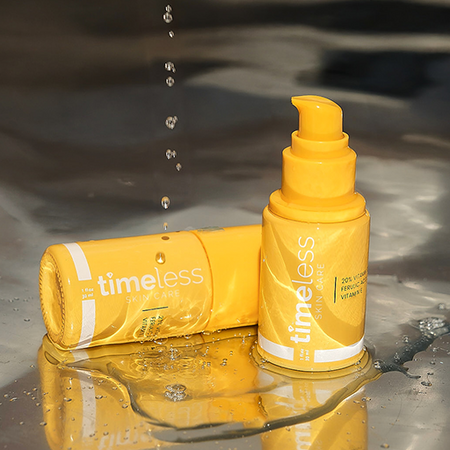
The 20% Vitamin C + E Ferulic Acid Serum from Timeless Skin Care is an example of this antioxidant category. If vitamin C is used in the morning, follow it with broad-spectrum sunscreen.
Step 4: Eye Treatment
The skin around the orbital bone is noticeably thinner than facial skin elsewhere. If you use a dedicated eye product, apply a pea-sized amount using your ring finger. Tap gently along the orbital rim, avoiding direct contact with the eyelids or lash line.
Step 5: Daytime Moisturizer
A daily moisturizer helps reduce transepidermal water loss (TEWL), the water that evaporates from the skin's surface. For morning wear, select a lighter lotion or gel-cream that absorbs smoothly without leaving a greasy residue under makeup. If you have oily skin, a hydrating serum followed directly by sunscreen may provide adequate moisture.
Step 6: Broad-Spectrum Sunscreen
Sunscreen is the mandatory final step of every morning skincare routine. Apply a generous amount of broad-spectrum sunscreen with an SPF rating of 30 or higher to all exposed skin fifteen minutes before going outside. Let the sunscreen set before applying makeup.
Key Takeaway: Morning skincare focuses on daytime care. Layer from light antioxidant serums to barrier moisturizers, and always finish with broad-spectrum sunscreen as your final leave-on product.
- Cleanse with a mild, non-stripping face wash.
- Apply a balancing toner or hydrating mist if desired.
- Apply an antioxidant serum to clean skin.
- Dab a light eye cream around the orbital bone.
- Smooth a light moisturizer over the face and neck.
- Apply a generous layer of broad-spectrum sunscreen rated SPF 30 or higher.
The Correct Evening Skincare Routine Order
While daytime routines focus on environmental exposure, evening routines center on cleansing and maintaining the skin barrier. Nighttime routines can accommodate targeted ingredients and richer textures.
Step 1: Double Cleansing
If you wear makeup or water-resistant sunscreen during the day, a single cleanse might leave residue behind. Double cleansing may be useful for removing these products.
Begin with an oil-based cleanser, cleansing balm, or micellar water to remove surface oils, pigments, and sunscreen. Massage it over dry skin, emulsify with warm water, and rinse. Follow immediately with a gentle water-based cleanser.
Step 2: Chemical Exfoliants, 1 to 3 Times Weekly
Exfoliation can improve the appearance of uneven texture. Alpha-hydroxy acids like glycolic or lactic acid, and beta-hydroxy acids like salicylic acid, should be used thoughtfully. Limit chemical exfoliation to a few nights per week rather than daily use. Over-exfoliating may contribute to noticeable dryness. Apply liquid exfoliants directly after cleansing and allow them to settle before applying serums.
Step 3: Targeted Treatment Serums
The nighttime treatment step allows you to address specific cosmetic concerns using concentrated formulas. You might select a peptide formula, a hydrating humectant, or a retinoid product.
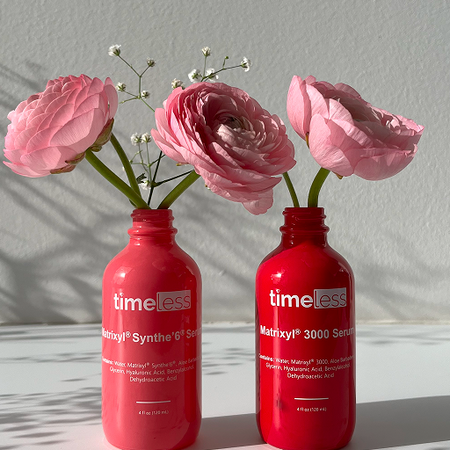
- Peptides: Formulas containing advanced peptide blends may help support the appearance of firmness. Matrixyl® 3000 Serum serves as an example of a dedicated peptide category formula.
- Hydrating Serums: Hyaluronic acid helps attract, bind, and retain water in the outer layers of the skin. The product Hyaluronic Acid 100% Pure falls within this hydration category.
- Retinoids: Vitamin A derivatives support smoother-looking skin texture and help refine the look of pores. Retinoids can cause initial dryness, so introduce them slowly into your evening rotation.
Step 4: Nighttime Eye Cream
A nighttime eye cream can offer a richer texture than a daytime formula. Pat a small amount around the orbital bone. If you are using a CoQ10 facial product in your routine, avoid applying it under the eyes. If you have vitiligo, check with your dermatologist before using a CoQ10 product.
Step 5: Nourishing Night Moisturizer
Night creams are generally richer than daytime lotions. They may contain lipids, ceramides, and fatty acids. A night moisturizer helps reduce moisture loss while you sleep.
Step 6: Facial Oils, Optional
If your skin experiences persistent surface dryness, you may apply a few drops of facial oil as your final step. A facial oil helps reduce transepidermal water loss (TEWL). Warm two drops between your palms and gently press them over your moisturizer.
- Remove makeup and sunscreen with an oil-based cleanser.
- Wash the skin with a gentle water-based cleanser.
- Apply a chemical exfoliant if it is an exfoliation evening.
- Apply your water-based targeted serums or retinoid.
- Tap an eye cream gently around the orbital area.
- Apply a nourishing night moisturizer across the face and neck.
- Press one to two drops of facial oil over dry areas if extra care is needed.
How to Layer Multiple Serums and Active Ingredients
Many skincare enthusiasts use more than one serum in their daily rotation. When layering multiple targeted treatments, applying them haphazardly can lead to pilling, uneven application, or skin irritation. Following a consistent sequence keeps your routine functional and comfortable.
The Serum Layering Hierarchy
When applying more than one serum in a single routine, follow this internal sequence:
- Water-based, low-viscosity solutions, such as liquid antioxidant formulas or light peptide fluids.
- Gel-based humectants, such as hyaluronic acid serums.
- Thicker emulsions or suspensions, such as milky serums or creamy active formulas.
- Anhydrous, water-free solutions or light oils.
Hyaluronic acid helps support hydration in the upper layers of the epidermis. Allow each serum thirty to sixty seconds to settle onto the skin surface before applying the next. You do not need prolonged waiting periods between steps, but allowing surface tackiness to subside can help prevent products from rolling off in small clumps.
Managing Ingredient Compatibility
Not every active ingredient belongs in the same routine application. Alternating products between morning and evening, or across different days of the week, may help limit unnecessary skin stress.
Vitamin C and direct chemical acids are both formulated at lower pH levels. Using strong AHA or BHA exfoliants at the exact same time as a concentrated L-ascorbic acid serum may cause sensitivity for some individuals. A practical approach is using your vitamin C in the morning and reserving exfoliating acids for specific evenings.
Similarly, potent retinoids can be alternated with exfoliating acids on different nights. This cycling method gives the skin time between active treatments while maintaining a consistent routine.
Humectants vs. Moisturizers
Understanding the difference between hydration and moisture is useful for proper layering. Hyaluronic acid is a humectant, not a moisturizer.
- Humectants: A hyaluronic acid serum can be followed by a moisturizer.
- Moisturizers: A moisturizer helps reduce moisture loss.
Applying a humectant serum without following it with a moisturizer may leave the skin feeling less comfortable. Follow humectant steps with an emulsion or cream to support the skin barrier.
| Ingredient Type | Primary Function | Ideal Application Time | Recommended Layer Position |
|---|---|---|---|
| L-Ascorbic Acid | Helps brighten the look of dullness and uneven tone | Morning is common; evening is also possible | Early serum step on clean skin |
| Peptides | May help support the appearance of firmness | Morning and/or Evening | Water-based serum step |
| Hyaluronic Acid | Helps attract, bind, and retain water in the outer layers of the skin | Morning and Evening | After active treatments, before creams |
| Retinoids | Helps refine skin texture and improve appearance of lines | Evening | Treatment step after cleansing |
| Facial Oils | Helps reduce transepidermal water loss (TEWL) | Evening | Final step over moisturizer |
Setting Realistic Expectations for Your Routine
Achieving visible improvements in skin tone, texture, and hydration requires patience and consistency. Cosmetic products work gradually within the upper layers of the epidermis. No single application or sequence will produce dramatic changes immediately.
Consistent use supports the appearance of hydration, fine lines, firmness, and uneven tone. Results vary based on factors such as genetics, climate, stress, sleep, and overall health.
If you notice signs of surface irritation, redness, or discomfort, reduce the frequency of active treatments. Individual reactions vary, and anyone with a known sensitivity or diagnosed skin condition should check with their dermatologist before introducing new concentrated formulas.
Frequently Asked Questions
What should I do if my skincare products start pilling?
Pilling occurs when products fail to absorb and instead ball up into small flakes on the surface of the skin. This can happen when you apply products out of order, layer oil-based formulas under water-based formulas, apply too much product at once, or do not allow sufficient time between dense layers. To help prevent pilling, apply your thinnest water-based products first, use appropriate amounts, gently press rather than aggressively rub formulas into the skin, and ensure each layer settles before adding the next cream or sunscreen.
Can I skip toner in my daily skincare routine?
Yes, toner is optional. Modern hydrating toners can provide an extra layer of lightweight moisture and help prepare the surface of the skin for subsequent treatments, but they are not necessary for everyone. A simple routine can include a gentle cleanser, a suitable moisturizer to help reduce moisture loss, and a broad-spectrum daily sunscreen. If you prefer a minimal routine, you may omit toners and essences.
How long should I wait between applying different skincare steps?
For most routine steps, you do not need to wait more than thirty to sixty seconds between applications. Simply wait until the previous layer feels distributed and no longer wet on the surface before smoothing on the next product. In the morning, allow your moisturizer to absorb fully before applying broad-spectrum sunscreen, and give the sunscreen approximately fifteen minutes to set before applying foundation, makeup, or heading outdoors.
Should my morning and evening skincare routines be the same?
Your morning and evening routines can share the same structural order of thinnest to thickest while featuring different targeted products. Morning regimens prioritize daytime environmental exposure by incorporating antioxidant serums and broad-spectrum sunscreen. Evening regimens prioritize cleansing, targeted ingredients such as peptides or retinoids, and a moisturizer that helps reduce transepidermal water loss (TEWL). For help organizing a personalized routine, use the skincare quiz.