Introduction
Building an effective daily regimen involves more than simply selecting quality formulas. The sequence in which you apply products can affect how formulas sit on the skin. When applied haphazardly, heavier textures may interfere with lighter ones.
Understanding the correct order to layer skincare can help you optimize your daily regimen without wasting time or product. Whether your vanity holds three essential bottles or a multi-step collection, following a logical sequence can help you use your formulations consistently. At Timeless Skin Care, we believe that straightforward routines built around targeted ingredients can support simple daily skin maintenance. Founded in 2009 by Veronica Pedersen, our focus has always been on clean formulas that make daily skin maintenance simple and accessible.
This guide walks you through general rules of product application, provides step-by-step routines for morning and evening, and explains how to integrate targeted actives while respecting the skin barrier.
Quick Answer: Apply your products in order from thinnest to thickest consistency. Start with water-based treatments on freshly cleansed skin, follow with heavier emulsions and creams, and finish with a broad-spectrum sunscreen in the morning or a facial oil at night.
The Fundamental Rules of Skincare Layering
Skincare sequencing is not arbitrary. It relies on basic cosmetic chemistry and the physical behavior of liquids, emulsions, and oils on the epidermis. When you understand these foundational concepts, you can more easily place a new product into your regimen.
1. Viscosity: Thinnest to Thickest
The most reliable rule of thumb is to apply formulas based on their physical weight and texture. Lightweight, liquid formulas spread readily across the surface. Heavier creams and balms contain structural lipids and thickeners designed to remain on top of the skin.
If you apply a rich cream first, a lightweight liquid may not spread as evenly over the skin. Following the thin-to-thick progression helps each cosmetic layer settle cleanly.
2. Base Compatibility: Water Before Oil
Formulas generally fall into two broad vehicle categories: water-based and oil-based. Water-based liquids and gels should generally precede oil-based serums, face oils, and heavy lipid creams.
Water and oil do not mix naturally. If you spread an oil across your face first, it may make it harder for a water-based product applied over it to spread evenly. Applying water-based hydration first allows you to apply an oil layer afterward.
3. Formulation Formats
Cosmetic products come in several specific formats. Knowing where each format sits in a routine can prevent confusion:
- Water-Based Solutions: Toners, essences, and watery serums. These dry quickly and belong directly after cleansing.
- Anhydrous Serums: Water-free, lightweight fluid formulations. These follow water-based solutions.
- Emulsions: Light lotions that blend water and oil phases. These sit in the middle of a routine.
- Creams and Balms: Heavier emulsions containing emollients and waxes. These belong near the end of your steps.
- Facial Oils: Lipid blends that go over moisturizers.
4. Wait Times and Absorption
Layering does not require long delays between every step. In most cases, waiting 30 to 60 seconds is enough to let a layer settle into the surface before applying the next. This brief pause can help prevent formulas from mixing prematurely, which can cause pilling. Pilling occurs when incompatible polymers or thickeners ball up on the skin instead of forming a uniform cosmetic film.


Step-by-Step Morning Skincare Routine
Your morning regimen serves a distinct purpose: supporting hydration and preparing your skin for daily environmental exposure. The daylight hours expose your complexion to UV light, particulate pollution, and dry indoor air.
| Step Number | Product Type | Primary Function in AM Routine |
|---|---|---|
| Step 1 | Gentle Cleanser | Removes overnight oil and prepares the surface |
| Step 2 | Hydrating Toner or Essence | Delivers lightweight surface hydration |
| Step 3 | Antioxidant Serum | Supports the skin's antioxidant defenses |
| Step 4 | Eye Cream | Smooths and conditions the delicate eye area |
| Step 5 | Daytime Moisturizer | Helps reduce moisture loss throughout the day |
| Step 6 | Broad-Spectrum Sunscreen | Defends against UV exposure |
Step 1: Cleansing
Start your morning by washing away sweat, excess sebum, and residual nighttime products. A gentle, sulfate-free cleanser removes impurities without stripping surface lipids. If your skin feels particularly dry upon waking, a lukewarm water rinse may be sufficient, though oily and combination skin types generally benefit from a mild foaming or gel wash.
Step 2: Hydrating Toner or Essence
A splash of hydrating toner balances the skin surface after cleansing. Unlike older alcohol-heavy astringents, modern toners are fluid hydrators. Ingredients like humectants in this step help attract, bind, and retain water in the outer layers of the skin. Applying your next products over slightly damp skin can also improve overall spreadability.
Step 3: Targeted Water-Based Serums
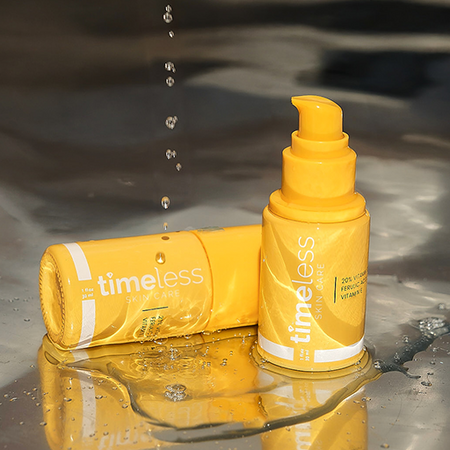
Morning is a common time for antioxidant treatments. The 20% Vitamin C + E Ferulic Acid Serum is a vitamin C serum, and water-soluble formulas in this category belong directly on freshly toned skin.
A quality antioxidant serum helps defend against oxidative stress caused by environmental factors such as UV exposure and pollution. Vitamin C in particular helps brighten the look of dullness and uneven tone. Serums containing humectants or barrier-supporting ingredients can also be applied during this step. If you use multiple watery serums, apply the one that targets your primary cosmetic concern first.
Step 4: Eye Cream
The skin around the orbital bone is considerably thinner than the skin on your cheeks or forehead. Applying eye formulas before facial moisturizers allows their specific conditioning ingredients to reach the skin without competing against heavy face creams. Gently tap a small amount along the orbital bone using your ring finger.
Step 5: Daytime Moisturizer
A lightweight lotion or gel-cream helps soften the skin texture and maintain balanced hydration. A good moisturizer helps reduce transepidermal water loss (TEWL), the water that evaporates from the skin's surface. Choose an emulsion that leaves a comfortable finish without feeling greasy under makeup or sunscreen.
Step 6: Broad-Spectrum Sunscreen
Sunscreen is the mandatory final step of every morning routine, without exception. A broad-spectrum sunscreen rated SPF 30 or higher must be applied generously to the face, neck, and ears. Sunscreen forms a protective surface film that filters ultraviolet radiation.
Never mix your sunscreen directly into your moisturizer or foundation, as altering the formula dilutes the UV filters. Allow your moisturizer to dry down for one to two minutes before smoothing on your sunscreen, and let the sunscreen set completely before applying any cosmetic base.
Key Takeaway: Morning skincare is complete only when you apply broad-spectrum sunscreen. Sun protection helps preserve the visible improvements achieved by your other skincare steps.
Step-by-Step Evening Skincare Routine
Your evening routine focuses on cleansing away the buildup of the day and applying concentrated formulas that condition the skin while you rest.
- First Cleanse: Use an oil cleanser, cleansing balm, or micellar water to break down waterproof sunscreen, long-wear makeup, and surface debris.
- Second Cleanse: Follow with a gentle water-based cleanser to wash away dissolved residue and leave the surface clean.
- Exfoliation or Clarifying Toner (Optional, 2 to 3 times weekly): Apply chemical exfoliants such as alpha or beta hydroxy acids to lift dead surface cells and refine texture.
- Treatment Serums: Apply targeted formulas such as peptides, hydrators, or nightly conditioning actives.
- Eye Care: Tap an eye treatment around the orbital area to condition delicate skin.
- Night Moisturizer: Smooth on a nourishing cream to help reduce moisture loss during sleep.
- Facial Oil (Optional): Press two to three drops of a botanical oil over your cream to provide an extra layer of emollience if your skin feels dry.
The Double Cleanse Method
Sunscreen filters and modern long-wear pigments are formulated to resist water. An oil-based cleanser bonds with these stubborn formulas, breaking them down gently without aggressive scrubbing. Following with a water-based wash ensures that all surfactants and dissolved oils rinse away cleanly, creating an ideal canvas for nighttime treatments.
Nighttime Treatment Serums
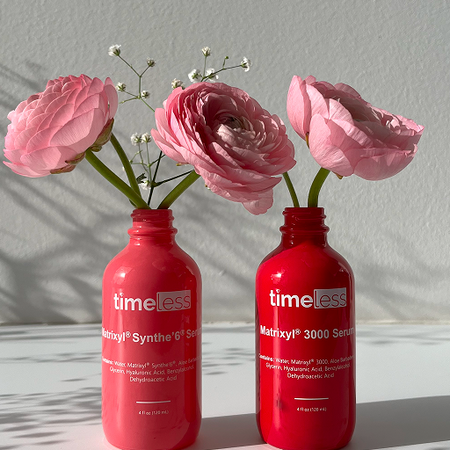
The serum step in your evening routine is where you can incorporate multi-functional actives. Serums containing humectants like hyaluronic acid help support hydration in the upper layers of the epidermis. Formulas featuring peptide complexes may help support the appearance of firmness.
If you use hydration serums alongside peptide serums, both can be applied in succession. Layer the lighter water-based liquid first, followed by slightly more viscous fluid serums.
Night Cream and Conditioning Oils
At night, transepidermal water loss tends to increase as skin temperature rises slightly during sleep. A richer night cream helps reduce transepidermal water loss (TEWL), the water that evaporates from the skin's surface. If your skin feels tight from indoor heating, applying a face oil over your night cream can add emollience.
How to Layer Specific Active Ingredients
Integrating multiple active ingredients into a single routine requires thoughtful planning. While some ingredients can be used in the same routine, others may be better separated by time of day to minimize the chance of cosmetic incompatibility.
Hyaluronic Acid and Hydrators
Hyaluronic acid is a classic humectant that works across many regimens. Sodium hyaluronate is the sodium salt of hyaluronic acid, while hydrolyzed hyaluronic acid is hyaluronic acid broken into smaller fragments. When applied to the skin, hyaluronic acid helps improve the appearance of dehydration lines.
For more information, see Hyaluronic Acid 100% Pure. Apply a hyaluronic acid product to a slightly damp face immediately after cleansing or misting. Follow promptly with a lotion or cream that helps reduce moisture loss.
Vitamin C and Antioxidant Support
L-ascorbic acid is the most researched form, not automatically the best form. Because it is sensitive to air, light, and heat, packaging and formulation stability are important factors in its performance. When used regularly, vitamin C helps brighten the look of dullness and uneven tone.
Morning use is the most common recommendation. However, morning use should always be paired with a broad-spectrum sunscreen. If you use an L-ascorbic acid serum, apply it as the first active layer directly onto clean, dry skin to allow its acidic formulation to settle before moving on to higher-pH lotions.
Coenzyme Q10
Coenzyme Q10, or ubiquinone, is a lipid-soluble antioxidant naturally found in skin. In topical formulas, it provides antioxidant support as the skin's natural CoQ10 levels decline with age. Regular application supports firmer-looking skin and helps improve the appearance of fine lines.
CoQ10 serums are generally used once daily, either in the morning or evening. The linked guidance addresses CoQ10 under the eyes. If you have vitiligo, check with your dermatologist before using a CoQ10 product.
Peptides and Barrier Support
Peptides are short chains of amino acids that serve as popular additions to anti-aging regimens. Topical peptide formulas may help support the appearance of firmness. Hydrating humectants and barrier-supportive ingredients can also be part of a routine with peptide formulas.
Vitamin B5 supports the skin barrier and helps the skin retain moisture. It also helps the skin feel more comfortable.
Managing Delicate Areas
The skin around the eyes requires specialized care due to its thin structure. For an eye cream example, see Dark Circle Peptide Complex Eye Cream. Apply eye creams with a gentle tapping motion, avoiding direct contact with the eyelids or inner corners of the eyes.
| Ingredient | Primary Cosmetic Role | Recommended Application Slot |
|---|---|---|
| Hyaluronic Acid | Helps attract, bind, and retain water in the outer layers of the skin | AM and/or PM, directly after cleansing |
| Vitamin C (L-Ascorbic Acid) | Helps brighten the look of dullness and uneven tone | AM, on clean skin before heavier layers |
| Peptides | May help support the appearance of firmness | AM or PM, after light hydrators |
| Coenzyme Q10 | Provides antioxidant support as the skin's natural CoQ10 levels decline with age | AM or PM, face and neck |
| Vitamin B5 | Supports the skin barrier and helps the skin retain moisture | AM and/or PM, under creams |
Common Skincare Layering Mistakes
Even well-intentioned routines can run into issues when fundamental layering rules are overlooked. Here are the most frequent sequencing errors and how to correct them:
- Applying Oils Before Water-Based Serums: Putting a facial oil on before your watery hydrators may make it harder for water-based products to spread evenly. Place oils last or mix them directly into your night moisturizer.
- Layering Too Many Actives at Once: Combining high concentrations of chemical exfoliants, direct acids, and multiple treatment serums in a single application can overload the skin surface. Consider alternating stronger formulas across different nights.
- Rushing Between Incompatible Textures: Applying a silicone-heavy primer or thick lotion immediately over a damp serum can cause pilling. Allow each layer 30 to 60 seconds to dry down.
- Applying Sunscreen Incorrectly: Layering moisturizers, facial oils, or makeup directly over sunscreen before it sets can disrupt the protective filter. Apply SPF as your final skincare step and let it dry for several minutes before adding makeup.
- Neglecting the Neck and Décolleté: The skin on your neck and upper chest experiences similar environmental exposure as your face. Extend your serums, moisturizers, and sunscreens down to your collarbones.
Note: Individual reactions vary when introducing new skincare products. Anyone with a known sensitivity or diagnosed skin condition should check with their dermatologist before adjusting their routine.
Realistic Expectations for Skincare Layering
Optimizing the order of your skincare routine allows each formula to perform at its best, but cosmetic results require patience. Skincare is a process of consistent daily maintenance rather than immediate transformation.
Visible improvements in surface hydration and skin comfort vary by product and routine. Cosmetic changes in the look of fine lines, overall firmness, and skin tone also vary with consistent use and daily sun protection. Skin cells turn over in a continuous cycle, so consistent application and daily sun protection are important parts of a routine.
Every individual's skin responds differently based on genetics, climate, lifestyle, and existing barrier health. Avoid switching products every few days in search of instant outcomes. Select a well-structured routine of high-quality essentials, apply them in the proper order, and use them consistently before changing products.
Frequently Asked Questions
Can I layer two different serums in the same routine?
Yes, you can layer multiple serums in a single routine. Apply the serum with the thinnest, most watery consistency first, then follow with the slightly thicker formula. If both serums have similar viscosities, apply the one that addresses your primary skin concern first. Limiting your routine to no more than two or three treatment serums per application can help prevent surface congestion and pilling.
How long should I wait between skincare steps?
You generally only need to wait 30 to 60 seconds between standard skincare layers. This allows each formula to settle into the surface without evaporating completely. Applying humectant serums to slightly damp skin can assist in product distribution. Sunscreen should set for a few minutes before you apply any base makeup.
Does eye cream go on before or after moisturizer?
Eye cream should generally be applied before your facial moisturizer. Because the skin around the eyes is thinner and more delicate, eye creams are typically formulated with lighter consistencies designed for easy surface application. Applying your eye cream first places its targeted conditioning ingredients on the area before a heavier face lotion.
What should I do if my skincare products start pilling?
Pilling occurs when products sit on the skin's surface and rub off in small flakes or balls. This usually happens when you layer incompatible ingredients, such as heavy silicone primers over water-based gels, or when you apply products too quickly without letting previous layers settle. To prevent pilling, reduce the amount of product used, ensure you are layering from thinnest to thickest, and allow each layer thirty seconds to absorb before applying the next.