Introduction
Structuring your morning skincare routine in a consistent sequence can help you apply each product evenly. While evening routines often focus on exfoliation and overnight recovery, morning regimens prioritize environmental defense, hydration, and UV protection.
Applying products out of sequence may make layering less even. A dense face cream applied before a lightweight fluid can make the lighter formula harder to spread evenly. When you layer products from the lightest consistency to the thickest, you allow each formula to settle evenly.
Building an effective daytime routine does not require a dozen steps. A streamlined lineup suited to your skin type can support a consistent routine. At Timeless Skin Care, founded in 2009 by Veronica Pedersen, the focus has always been on simple formulas and accessible daily routines. This guide breaks down the correct daytime order, explores how to layer active ingredients, and helps you create a balanced morning regimen.
Why Morning Skincare Order Matters
A common skincare layering approach is to apply water-based products first, followed by oil-based formulas, and finish with sun protection.
If you apply an oil or a thick emulsion first, it can form a heavier layer over the skin surface. A water-based product applied afterward may spread less evenly and may contribute to product pilling.
Daytime routines also serve a different purpose than nighttime routines. During the day, your skin encounters ultraviolet rays, airborne particulate matter, temperature fluctuations, and wind. Your morning steps can help support the skin surface against these external stressors while keeping the complexion hydrated throughout the day.
Key Takeaway: Layer your products from thinnest to thickest texture: water-based serums first, followed by lotions or creams, and always finish with a broad-spectrum sunscreen.
The table below outlines how common daytime product formats differ in texture, base formulation, and placement order.
| Routine Step | Formula Format | Base Type | Primary Morning Function |
|---|---|---|---|
| Step 1: Cleanser | Gel, foam, or water rinse | Water or surfactant | Removes overnight sebum and residue |
| Step 2: Toner / Essence | Liquid mist or splash | Water | Preps the skin surface for hydration |
| Step 3: Targeted Serum | Lightweight liquid | Water or light fluid | Delivers concentrated cosmetic ingredients |
| Step 4: Eye Treatment | Light cream or gel | Emulsion | Hydrates delicate skin around the orbital bone |
| Step 5: Moisturizer | Lotion or face cream | Oil-in-water emulsion | Helps reduce moisture loss |
| Step 6: Sunscreen | Lotion, gel, or fluid | Chemical or mineral filters | Protects against UV radiation |


The Step-by-Step AM Skincare Routine Order
Following a consistent order each morning allows your products to work in harmony. Here is the standard progression for daytime application.
Step 1: Gentle Cleanser
Your morning cleanse removes surface residue, excess oil produced overnight, and leftover residue from nighttime creams.
Most skin types may do well with a mild, non-stripping cleanser. A water-based foaming gel or gentle cream cleanser clears the surface without causing tightness. If your skin is dry or sensitive, a simple splash of lukewarm water may be sufficient. Avoid hot water, which can deplete surface lipids and leave the face feeling parched.
Step 2: Hydrating Toner or Essence
Toners are optional, but a hydrating toner can provide a lightweight layer of hydration after cleansing. Modern toners are designed to hydrate and balance the skin rather than strip away oil with harsh alcohols.
A liquid formula may include glycerin and sodium hyaluronate. Sodium hyaluronate helps support hydration in the upper layers of the epidermis. Apply by splashing a small amount into your palms and gently pressing the liquid into your face and neck.
Step 3: Targeted Antioxidant and Active Serums
Serums are fluid treatments designed to deliver focused cosmetic benefits. Because they feature lightweight textures, they belong immediately after cleansing or toning.
Morning is a common time to apply an antioxidant serum. An antioxidant serum helps defend against oxidative stress caused by environmental factors such as UV exposure and pollution. Vitamin C is one of the most widely used daytime ingredients. When used in the morning, vitamin C helps brighten the look of dullness and uneven tone while it supports the skin's antioxidant defenses.
If you prefer additional cosmetic support, you might also include a peptide formula. Peptides may help support the appearance of firmness.
CoQ10 provides antioxidant support as the skin's natural CoQ10 levels decline with age. It helps improve the appearance of fine lines and supports firmer-looking skin. An antioxidant-category product is our Coenzyme Q10 Serum.
When using multiple serums, apply the thinnest, most watery liquid first. Allow each layer thirty to sixty seconds to settle before adding the next.
Note: If you have vitiligo, check with your dermatologist before using a CoQ10 product.
Step 4: Eye Cream
The skin surrounding the eyes is thinner than the rest of the face. Using an eye cream helps address concerns like puffiness, dryness, or the look of dark circles.
Applying an eye product before your full-face moisturizer helps keep application orderly. Apply a targeted eye formula by gently tapping it along the orbital bone using your ring finger. Avoid applying eye treatments directly on the upper eyelids unless the product label specifically instructs you to do so. An eye-category product is our Dark Circle Peptide Complex Eye Cream.
Step 5: Moisturizer
A daily moisturizer helps smooth the skin surface. Even if you apply hydrating serums, a moisturizer can help reduce transepidermal water loss (TEWL), the water that evaporates from the skin's surface.
For daytime wear, choose a moisturizer texture that matches your skin type:
- Oily skin may suit an oil-free gel or light fluid that softens without adding weight.
- Normal or combination skin may suit a light lotion across the T-zone and cheeks.
- Dry skin may suit a richer cream containing nourishing emollients and plant oils to address surface flaking.
Smooth the moisturizer across your face and neck using upward motions. Allow it to absorb for one to two minutes before moving to sun protection.
Step 6: Broad-Spectrum Sunscreen
Sunscreen is the final step of every morning routine. Daily exposure to ultraviolet radiation contributes significantly to visible skin aging, including dark spots, uneven texture, and loss of visible elasticity.
Apply a broad-spectrum sunscreen with an SPF rating of 30 or higher every morning, regardless of the weather or whether you plan to spend the day indoors. Sunscreen must form an even, uninterrupted film over the skin to work effectively. Never mix your sunscreen directly with a moisturizer or foundation in your hand, as diluting the formula can compromise the SPF rating.
Bottom Line: Apply your sunscreen generously as the very last skincare step, allowing it to dry down for three to five minutes before applying any makeup.
How to Layer Multiple Serums in the Morning
Many people prefer using more than one serum in the morning to address different cosmetic goals. While layering multiple serums is possible, doing it correctly can help prevent tackiness and pilling.
Layering by Texture and Base
Arrange your serums by viscosity:
- Water-thin, low-pH solutions, such as L-ascorbic acid serums, go on first.
- Moderately viscous water-based serums, such as hyaluronic acid or peptide gels, follow second.
- Light emulsions or lipid-based serums go on last in the treatment phase.
Vitamin C serums are often used first in a layering sequence. A humectant formula can follow. Hyaluronic acid helps attract, bind, and retain water in the outer layers of the skin, making it suitable for layering in daytime routines.
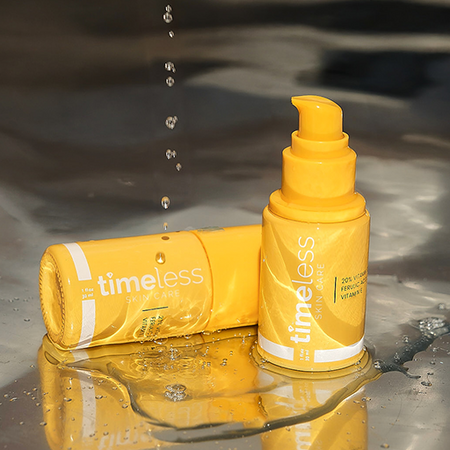
Examples by category include our 20% Vitamin C + E Ferulic Acid Serum in vitamin C and our Hyaluronic Acid 100% Pure in hydration.
Active Ingredient Compatibility
When combining ingredients in the morning, consider how they interact on your skin surface:
- Vitamin C and Peptides: Both can fit into daytime routines. If your vitamin C serum uses acidic L-ascorbic acid, apply it first, let it absorb fully, and then apply your peptide serum.
- Vitamin B5 and Humectants: Vitamin B5 supports the skin barrier and helps the skin retain moisture. It may be used alongside humectants, antioxidants, and moisturizers.
- Exfoliating Acids and Retinoids: While chemical exfoliants, like glycolic or salicylic acid, and retinoids are popular in skincare, they are generally best reserved for your evening routine. Using them in the morning can increase skin sensitivity to sunlight.
Individual skin tolerance varies significantly. Anyone with a known sensitivity or diagnosed skin condition may want to check with their dermatologist before combining strong active formulas.
Customizing Your AM Skincare Order by Skin Type
Every complexion has unique requirements. You can customize the standard morning steps to fit your specific skin profile.
- Oily Skin: Gentle Gel Cleanser, then Light Antioxidant Serum, then Gel Moisturizer (Optional), then Fluid SPF 30+.
- Dry Skin: Cream Cleanser, then Hydrating Toner, then Humectant Serum, then Rich Moisturizer, then Hydrating SPF 30+.
- Combination Skin: Gentle Cleanser, then Vitamin C Serum, then Lightweight Lotion on Cheeks, then Daily SPF 30+.
- Sensitive Skin: Water Rinse, then Vitamin B5 Serum, then Barrier Moisturizer, then Mineral SPF 30+.
Oily Skin
Oily skin can produce excess sebum, particularly along the forehead, nose, and chin. The goal is to deliver hydration and support the skin's antioxidant defenses without overloading the skin with heavy oils.
A gentle foaming cleanser clears away overnight oil build-up. Follow with an antioxidant fluid and a water-based humectant. Some people with very oily skin may choose to skip a traditional moisturizer if their sunscreen provides adequate hydration. Choose a sunscreen with a matte or natural finish to minimize midday shine.
Dry and Dehydrated Skin
Dry skin lacks natural lipids, while dehydrated skin lacks water in the upper layers of the epidermis. This skin type may benefit from layering humectants and emollients to maintain comfort.
Start with a hydrating cream cleanser or a simple lukewarm water rinse. While the skin is still slightly damp, apply a humectant serum that helps improve the appearance of dehydration lines. Follow with a nourishing cream that helps reduce moisture loss, and finish with a moisturizing broad-spectrum sunscreen.
Combination Skin
Combination skin features an oily T-zone paired with normal or dry cheeks. The key is targeted application.
Use a mild, balancing cleanser across the entire face. Apply your antioxidant serum evenly. When you reach the moisturizer step, apply a light lotion all over, adding a second light layer only to the drier areas of the cheeks. Finish with a lightweight daily sunscreen.
Sensitive Skin
Sensitive skin can react easily to environmental changes, fragrances, and high concentrations of active ingredients. A minimalist routine may be easier to tolerate.
Cleanse with a mild, fragrance-free formula. Choose a gentle vitamin B5 serum. Vitamin B5 supports the skin barrier and helps the skin retain moisture. Vitamin B5 helps the skin feel more comfortable. Follow with a simple, fragrance-free moisturizer and a gentle physical or mineral sunscreen.
Setting Realistic Expectations for Morning Skincare
Consistency is the foundation of any skincare routine. While a hydrating serum can improve the look of surface dryness, changes in the appearance of skin tone, texture, and firmness may require consistent use.
Changes in the appearance of fine lines, dullness, or uneven tone may become more noticeable with consistent use. Individual skin physiology, lifestyle, climate, and genetics differ, so no single routine produces identical outcomes for every person.
Focus on following your morning steps consistently rather than swapping products constantly. Pair your daily routine with cruelty-free formulas, healthy daily habits, and diligent sun protection to maintain a balanced, radiant-looking complexion over the long term.
Frequently Asked Questions
Can I skip moisturizer in the morning if my sunscreen is hydrating?
Yes. If your sunscreen contains sufficient emollients and humectants to keep your skin comfortable without feeling tight, you can skip a separate moisturizer. This approach may be helpful for individuals with oily or combination skin who want to avoid heavy layers under makeup.
How long should I wait between skincare steps in the morning?
Most water-based products often need only thirty to sixty seconds to settle before you apply the next layer. The main exception is your final step: give your moisturizer a minute or two to absorb before applying sunscreen, and allow your sunscreen three to five minutes to set before applying foundation or powder.
Should I apply hyaluronic acid on dry or damp skin?
Apply it to slightly damp skin after cleansing or misting with a hydrating toner. Hyaluronic acid helps attract, bind, and retain water in the outer layers of the skin, so follow with a moisturizer.
Is it necessary to wash my face with a cleanser every morning?
Not necessarily. While oily and combination skin types may benefit from a gentle morning cleanse to remove overnight sebum, dry or sensitive skin may only require a rinse with lukewarm water. Evaluate how your skin feels in the morning and adjust your cleansing step accordingly.