Introduction
Getting your morning skincare order right can help you use each product in an organized way. While evening routines often center on cleansing away makeup and nighttime care, your daytime regimen has a different focus. Daytime skincare focuses on surface hydration and environmental defense.
Layering products in the wrong order may make it harder for lightweight formulas to sit evenly. Heavy creams applied too early may interfere with how watery products sit, and rubbing layers together can contribute to pilling.
Here is how to structure your morning routine step by step, which ingredients belong in daylight hours, and how to adapt your regimen for your specific skin type with our skincare quiz.
Key Takeaway: Morning skincare is designed to hydrate the skin's surface and defend against daytime environmental exposure. Layer products from the thinnest liquid texture to the thickest cream, always finishing with broad-spectrum sunscreen.
Why Morning Skincare Order Matters
The skin barrier functions as a selective shield. Its job is to keep essential water in while keeping external stressors out. Because of this structure, cosmetic formulas rely on specific vehicles to distribute their ingredients across the surface layers.
When you apply a thick, emollient cream or a facial oil first, you create a conditioning layer on the surface. If you try to place a water-based liquid on top, it may not sit as evenly. Applying formulas from the thinnest, most watery consistency to the thickest helps lighter fluids reach the skin first.
| Product Type | Typical Texture | Purpose in Morning Routine |
|---|---|---|
| Water-based Cleanser | Gel, foam, or light lotion | Cleanses away overnight oil and sweat |
| Hydrating Mist or Toner | Water-light liquid | Supports surface hydration |
| Water-Soluble Serums | Fluid, light gel | Deliver targeted surface actives |
| Eye Cream | Light cream or gel-cream | Conditions the delicate eye contour |
| Moisturizer | Lotion or rich cream | Softens skin and reduces moisture loss |
| Sunscreen | Fluid, cream, or mineral lotion | Shields the skin surface from UV rays |
Proper layering also helps prevent physical pilling. Pilling happens when contrasting bases, such as heavy silicones, thick polymers, and unabsorbed oils, ball up when rubbed together. Giving each layer a moment to settle helps your morning lineup sit smoothly underneath daily makeup. For more guidance, read about how to layer multiple serums.


The Step-by-Step Morning Skincare Routine Order
Building an AM routine does not require ten complicated steps. Following a simple, structured order keeps your routine manageable. You can also use DIY Build Your Kit to organize a routine around your preferences.
- Cleanse with a gentle face wash.
- Apply a hydrating toner or essence.
- Smooth on your targeted antioxidant or peptide serum.
- Dab on your preferred eye formula.
- Apply moisturizer to soften and support the skin barrier.
- Finish with a generous layer of broad-spectrum sunscreen.
Step 1: Gentle Cleanser
Your morning cleanse removes excess sebum, sweat, and residue from your evening skincare products. Most people do not need a harsh or stripping face wash in the morning. A mild, water-based gel or foaming cleanser with a neutral pH is usually enough to refresh the skin without leaving it feeling tight. If your skin is exceptionally dry, rinsing thoroughly with lukewarm water may be sufficient.
Step 2: Hydrating Toner or Mist
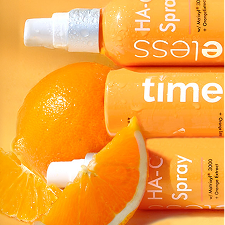
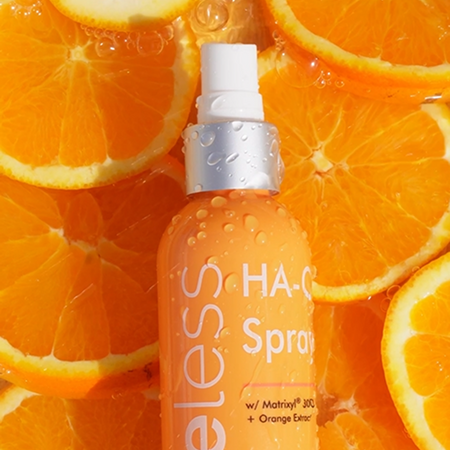
After cleansing, a light toner or facial mist helps prepare the skin for subsequent serums. Ingredients like hyaluronic acid may work well on slightly damp skin. Hyaluronic acid helps attract, bind, and retain water in the outer layers of the skin. A water-light mist can leave the skin slightly damp before serum application.
Step 3: Targeted Serums
Serums are lightweight, fluid treatments designed to deliver active ingredients to the skin surface. Morning can be a useful time to focus on environmental defense.
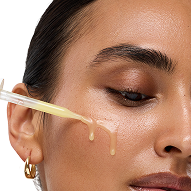
Applying an antioxidant serum, such as a formula containing vitamin C, helps defend against oxidative stress caused by environmental factors such as UV exposure and pollution. Vitamin C also helps brighten the look of dullness and uneven tone. If you are layering multiple serums, apply water-soluble fluids before lipid-based formulas.
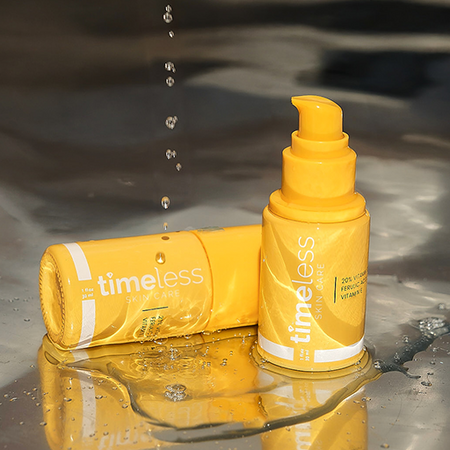
The 20% Vitamin C + E Ferulic Acid Serum is a Timeless Skin Care serum.
Step 4: Eye Cream
The skin surrounding the eyes is naturally thinner and shows signs of fatigue easily. A small amount of eye cream helps smooth the look of the eye contour. Using your ring finger, gently pat a pea-sized amount around the orbital bone. Applying eye cream before your all-over facial moisturizer allows its specific formulation to contact the eye area directly. Explore the eye creams collection to review available options.
Step 5: Moisturizer
A daily moisturizer helps soften the skin. Moisturizers combine humectants with emollient or occlusive agents. A daily cream helps reduce transepidermal water loss (TEWL), the water that evaporates from the skin's surface.
Choose a texture that aligns with your environment and skin type. Light lotions or oil-free gel creams may work well for oily skin, while richer creams may suit dry skin types.
Step 6: Broad-Spectrum Sunscreen
Sunscreen is an important step in your morning skincare order. UV radiation reaches your skin even on cloudy days and through window glass. Broad-spectrum sunscreen rated SPF 30 or higher is a key part of morning care.
Apply sunscreen liberally across your entire face, neck, and ears as your final skincare step. Never mix your sunscreen directly into your moisturizer or foundation, as diluting the formula disrupts the protective film it forms on your skin.
Quick Answer: Always apply your broad-spectrum sunscreen as the very last step in your morning skincare routine, right before applying makeup.
Choosing the Right Morning Active Ingredients
Selecting which ingredients to apply in the morning depends on what your skin needs during the day. Daytime is about protection and surface hydration, while potent resurfacing actives like retinoids and exfoliating acids are generally better suited for evening routines.
Vitamin C (L-Ascorbic Acid)
L-ascorbic acid is the most researched form of topical vitamin C. As a water-soluble antioxidant, it helps neutralize free radicals generated by UV exposure. Its performance depends heavily on formulation quality, acidic pH, packaging, and stability.
Over time, vitamin C formulations naturally undergo gradual oxidation. An oxidized serum may lose potency and may be more likely to cause irritation for some people. Morning use is common, but it is not the only option. When used in the morning, vitamin C should be paired with broad-spectrum sunscreen.
Peptides
Peptides are amino acid chains commonly included in morning regimens. Topically applied peptide serums may help support the appearance of firmness.
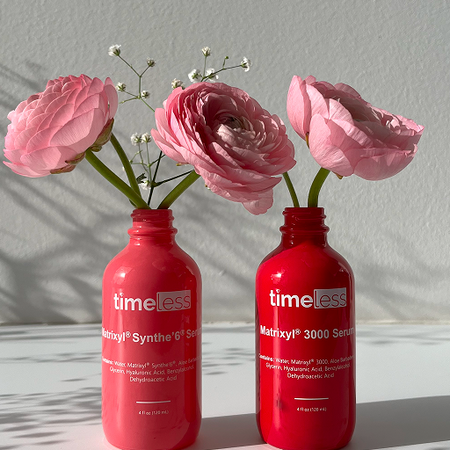
The Matrixyl® 3000 Serum is listed in the anti-wrinkle serums collection.
Coenzyme Q10 (CoQ10)
Coenzyme Q10 is a lipid-soluble antioxidant naturally found in the skin. Because natural levels drop over time, topical ubiquinone provides antioxidant support as the skin's natural CoQ10 levels decline with age. It helps improve the appearance of fine lines and supports firmer-looking skin.
If you have vitiligo, check with your dermatologist before using a CoQ10 product.
Vitamin B5
Vitamin B5 supports the skin barrier and helps the skin retain moisture. It also helps the skin feel more comfortable throughout the day.
How to Customize Your Morning Routine by Skin Type
A standard morning framework can be adjusted, and your exact product textures can reflect your skin profile.
| Skin Type | Recommended Morning Adjustments | Texture Preferences |
|---|---|---|
| Dry | Focus on humectants and emollients | Creamy cleansers, rich creams |
| Oily | Minimize heavy occlusives | Foaming cleansers, light gel-lotions |
| Combination | Zone-specific hydration | Balancing cleansers, light fluids |
| Sensitive | Minimalist ingredient profiles | Fragrance-free, simple lotions |
Dry Skin
Dry skin lacks sufficient natural surface oils and often feels tight. Start with a non-foaming, creamy cleanser or a water rinse. Follow with a generous layer of hyaluronic acid on damp skin, which helps support hydration in the upper layers of the epidermis. Layer on an antioxidant serum, followed by a rich moisturizer that helps reduce moisture loss before applying sunscreen.
Oily Skin
Oily skin produces excess sebum, meaning heavy creams can feel suffocating. Use a gentle foaming gel cleanser to wash away overnight oil. Follow with a lightweight, water-soluble antioxidant serum. You may choose to skip a traditional heavy moisturizer and instead use a lightweight gel-lotion, or go straight to a broad-spectrum, mattifying sunscreen that provides light hydration.
Combination Skin
Combination skin presents an oily T-zone, including the forehead, nose, and chin, alongside dry cheeks. A gentle balancing cleanser cleanses the oily zones without stripping the drier areas. Apply your hydrating serums across the entire face, then use a light lotion on the T-zone and a slightly richer moisturizer only where the cheeks need extra care.
Sensitive Skin
If your skin is easily reactive, keep your morning steps simple and avoid formulas with artificial fragrances. Stick to gentle hydrators that support barrier comfort. Individual reactions vary, and anyone with a known sensitivity or diagnosed skin condition should check with their dermatologist before introducing new active formulas.
Understanding Skincare Results and Realistic Expectations
Improving the visible appearance of your skin often takes patience and daily consistency. Visible changes may take consistent routine use.
Skincare products operate within the surface layers of the epidermis. Hydrating ingredients can help improve the appearance of dehydration lines. Continued use may support visible improvements in tone and texture.
Avoid jumping between new products every few days. Introducing multiple concentrated products at the same time makes it difficult to see what is helping your skin and increases the chance of surface irritation. Stick to your chosen morning routine consistently, and apply broad-spectrum sunscreen each morning.
Frequently Asked Questions
Can I use vitamin C and sunscreen together in the morning?
Yes, pairing a topical vitamin C serum with a broad-spectrum sunscreen is a standard morning skincare recommendation. Vitamin C supports the skin's antioxidant defenses, while broad-spectrum sunscreen shields the skin surface from UV radiation. Always let your vitamin C serum absorb fully before applying your sunscreen. Learn more about using hyaluronic acid and vitamin C together.
How long should I wait between morning skincare steps?
You do not need to wait long periods between every step. Liquid toners and hydrating serums can be applied to slightly damp skin one after another. However, give your moisturizer time to absorb before applying your sunscreen, and allow your sunscreen time to set into a uniform film before applying base makeup.
Should I wash my face with cleanser every morning?
It depends on your skin type. If you have oily or combination skin, a gentle water-based cleanser can help remove overnight sebum and product residue. If you have very dry or sensitive skin, rinsing thoroughly with lukewarm water may be enough to prepare your skin for your morning serums and hydrators.
Can I use facial oils in my morning skincare order?
Facial oils can be used in the morning if you have very dry skin, but they must be positioned carefully. Apply oils in very small amounts after your water-based serums and either right before or mixed with your moisturizer. Make sure the oil absorbs completely before applying your broad-spectrum sunscreen, as heavy oils on the surface can interfere with sunscreen film formation.