Introduction
Layering skincare products in a considered sequence can help formulas layer comfortably and perform as intended. Many people invest in quality serums, moisturizers, and treatments only to apply them out of order. When you place a heavy cream underneath a lightweight liquid, the thicker formula may make it harder for the lighter product to reach the skin surface.
The fundamental rule of skincare application is straightforward: apply products from thinnest consistency to thickest consistency, moving from water-based liquids to rich oils and creams, with broad-spectrum sunscreen as the final morning step. Understanding why this sequence works allows you to customize a daily regimen that supports your skin barrier, delivers targeted hydration, and fits your specific cosmetic goals. Our skincare quiz can help organize routine-building decisions.
Quick Answer: Apply skincare products from thinnest to thickest texture. Start with cleansing, follow with water-based serums and targeted treatments, layer on your moisturizer, and finish with a broad-spectrum sunscreen every morning.
Founded in 2009 by Veronica Pedersen, Timeless Skin Care focuses on clean, concentrated formulas made in the USA in small batches to help you build an effective daily routine.
Core Principles of Skincare Layering
Applying skincare effectively requires an understanding of basic formulation textures and skin biology. Skincare products are designed with different molecular sizes, base carriers, and cosmetic functions.
The Thinnest to Thickest Rule
Liquid formulas have lower viscosity and absorb rapidly into the surface of the skin. If you apply a dense moisturizer or facial oil first, the occlusive nature of those products forms a physical layer. Water-soluble ingredients applied over that layer may remain on the surface rather than reach the outer layers of the epidermis.
To organize your routine, use this progression:
- Water-based liquids and toners.
- Light water-based serums.
- Moderately viscous serums and gels.
- Emulsions and lightweight lotions.
- Rich creams and balms.
- Facial oils.
- Daily broad-spectrum sunscreen in the morning.
Water Versus Oil Formulations
Water and oil naturally repel each other. Skincare formulations use water bases, oil bases, or emulsions that blend both.
Water-based serums hydrate the surface layers. Anhydrous serums and facial oils create a lipid layer on the skin. Applying a water-based humectant on top of a facial oil may cause the water to bead up and evaporate rather than absorb. Apply water-based treatments first, allow them a few moments to settle, and then follow with lipid-rich creams or oils.
For definitions of common skincare ingredients and formulation terms, visit our ingredient glossary.
Timing and Absorption
You do not need to wait five or ten minutes between every step of your skincare routine. Most water-based formulas absorb within 30 to 60 seconds.
However, some ingredients benefit from brief pauses:
- Give exfoliating acids and vitamin C serums roughly one minute to settle before applying neutral hydrators.
- Allow your moisturizer to absorb before applying broad-spectrum sunscreen so you do not dilute the sunscreen formula.
- Let your daily sunscreen dry completely before applying makeup to avoid disrupting the protective film.


Step-by-Step Morning Routine Order
A morning skincare routine focuses on surface hydration and environmental defense. During the day, your skin faces exposure to sunlight, air pollutants, and changing humidity levels.
Key Takeaway: Morning skincare emphasizes hydration and antioxidant support, culminating in a broad-spectrum sunscreen rated SPF 30 or higher to defend against daily UV exposure.
Step 1: Gentle Cleanser
Morning cleansing removes sweat, excess sebum, and residual nighttime products. A gentle, non-stripping water-based cleanser leaves the skin surface clean and balanced without compromising the skin barrier. If your skin is particularly dry in the morning, a simple lukewarm water rinse may be sufficient.
Step 2: Hydrating Toner or Mist (Optional)
A toner provides immediate surface hydration right after cleansing. Modern toners are lightweight liquids that prepare the skin for subsequent treatments. Look for formulas containing humectants rather than alcohol-based astringents, which can cause dryness.
Step 3: Antioxidant Serums
Antioxidants are well suited for morning use. An antioxidant helps defend against oxidative stress caused by environmental factors such as UV exposure and pollution. Applying an antioxidant serum in the morning also helps neutralize free radicals generated by UV exposure.
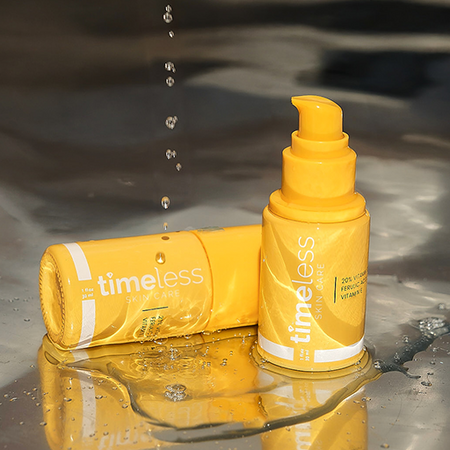
Vitamin C is one of the most widely researched topical antioxidants. Topically, vitamin C helps brighten the look of dullness and uneven tone. In the Timeless Skin Care collection, the 20% Vitamin C + E Ferulic Acid Serum represents this targeted antioxidant serum category.
If you prefer alternative daytime antioxidants, coenzyme Q10 provides antioxidant support as the skin's natural CoQ10 levels decline with age. Ubiquinone also helps improve the appearance of fine lines and supports firmer-looking skin. If you have vitiligo, check with your dermatologist before using a CoQ10 product.
For additional information about this ingredient, read coenzyme Q10.
Step 4: Hydrating and Peptide Serums
After your antioxidant step, layer any additional water-based hydrators or peptide treatments. Humectants like hyaluronic acid and sodium hyaluronate serve as water-binding agents. Hyaluronic acid helps attract, bind, and retain water in the outer layers of the skin. It helps improve the appearance of dehydration lines.
For targeted hydration, the Hyaluronic Acid 100% Pure is a hydration serum option.
Peptide serums also fit into this step. Topical peptides, such as palmitoyl tripeptide-1, palmitoyl tetrapeptide-7, and palmitoyl tripeptide-38, may help support the appearance of firmness.
Step 5: Eye Cream (Optional)
The skin around the orbital area is thin and delicate. If you choose to use an eye treatment, apply it before your heavier facial moisturizer. Applying eye cream early allows targeted ingredients to absorb without fighting through thick facial lotions. For this step, the Dark Circle Peptide Complex Eye Cream serves as a dedicated eye cream option.
Step 6: Daily Moisturizer
Moisturizers combine humectants, emollients, and occlusive agents. A moisturizer helps reduce transepidermal water loss (TEWL), the water that evaporates from the skin's surface.
Choose a texture that suits your environment and personal comfort:
- Gel-creams and light lotions work well for oily or combination skin.
- Medium-weight creams provide balanced comfort for normal skin.
- Richer cream formulas support dry skin experiencing surface flakiness.
Step 7: Broad-Spectrum Sunscreen
Daily broad-spectrum sunscreen is an important step in any morning skincare routine. UV radiation is present year-round, even on cloudy days and through window glass.
Apply a generous layer of broad-spectrum sunscreen with an SPF rating of 30 or higher as your final skincare step. Sunscreen must form an even, uninterrupted film across the skin. Never mix your sunscreen directly into your moisturizer or foundation, as altering the formula compromises its protective capability.
| Morning Step | Primary Purpose | Key Formulation Types |
|---|---|---|
| 1. Cleanser | Removes overnight oils and debris | Gel, cream, or water rinse |
| 2. Toner / Mist | Preps surface hydration | Water-based liquid |
| 3. Antioxidant Serum | Defends against environmental oxidative stress | Liquid or light gel, such as Vitamin C or CoQ10 |
| 4. Hydrating Serum | Binds water to outer skin layers | Lightweight humectant serum |
| 5. Eye Cream | Delivers targeted hydration to the eye area | Light cream or fluid |
| 6. Moisturizer | Helps reduce moisture loss | Lotion or light cream |
| 7. Sunscreen | Defends against UV rays | Broad-spectrum lotion rated SPF 30+ |
Step-by-Step Evening Routine Order
Your nighttime skincare routine focuses on thorough cleansing, consistent moisturization, and targeted cosmetic care. While you sleep, the skin loses water at a higher rate, making evening moisturizing especially helpful.
Step 1: First Cleanse (Makeup and Sunscreen Removal)
Throughout the day, sunscreen, makeup, airborne pollutants, and natural oils build up on the face. An oil-based cleanser, cleansing balm, or micellar water can help break down water-resistant sunscreen filters and long-wearing pigments. Massage the oil cleanser onto dry skin, emulsify with warm water, and rinse thoroughly.
Step 2: Second Cleanse
Follow your makeup remover with a gentle water-based facial cleanser. This second wash removes any remaining residue, sweat, and impurities, leaving the skin clean and ready for nighttime treatments.
Step 3: Chemical Exfoliation (1 to 3 Times Weekly)
Exfoliating acids remove loose, dead skin cells from the stratum corneum, smoothing rough texture and helping dull skin look renewed.
- Alpha Hydroxy Acids (AHAs) such as glycolic acid and lactic acid work on the skin surface to improve the look of uneven texture.
- Beta Hydroxy Acids (BHAs) like salicylic acid are oil-soluble and help clear pore congestion.
Use exfoliating treatments on clean, dry skin. Limit chemical exfoliants to one to three nights per week to avoid over-exfoliation and irritation.
Step 4: Hydrating and Barrier Support Serums
Nighttime is an ideal opportunity to layer soothing hydration. Calcium Pantothenate (vitamin B5) supports the skin barrier and helps the skin retain moisture. Hyaluronic acid helps support hydration in the upper layers of the epidermis.
If you apply multiple serums in the evening:
- Apply the lowest viscosity water-based formula first.
- Follow with moderately thicker or milky serums.
- Allow each layer to settle before moving to creams.
Step 5: Retinoids or Targeted Night Treatments
Retinoids, including over-the-counter retinol and retinal, are popular evening treatments for improving the appearance of fine lines, uneven tone, and skin texture. Because retinoids break down in sunlight and can cause sensitivity, reserve them for evening use.
If you experience dryness from retinoids, you can use the buffering method: apply a light layer of moisturizer first, apply your retinoid, and finish with a second layer of moisturizer.
Step 6: Night Moisturizer
An evening moisturizer is often richer than daytime formulas. Night creams can help reduce transepidermal water loss (TEWL), the water that evaporates from the skin's surface overnight.
Step 7: Facial Oil (Optional)
If your skin feels dry or you live in an arid climate, a few drops of facial oil applied over your moisturizer can provide an extra layer of comfort. Squalane, jojoba oil, and rosehip seed oil may help reduce moisture loss.
| Evening Step | Primary Purpose | Frequency |
|---|---|---|
| 1. Oil Cleanse | Dissolves sunscreen, sebum, and makeup | Daily |
| 2. Water Cleanse | Cleanses the skin surface thoroughly | Daily |
| 3. Exfoliant | Loosens dead surface skin cells | 1 to 3 times per week |
| 4. Hydrating Serums | Supports hydration | Daily |
| 5. Retinoid / Active | Targets fine lines and uneven texture | 2 to 5 nights per week |
| 6. Night Cream | Helps reduce TEWL | Daily |
| 7. Facial Oil | Provides surface comfort | As needed for dryness |
Managing Active Ingredients and Product Interactions
Building an effective skincare routine involves more than just stacking bottles. Combining too many potent ingredients in a single routine can overwhelm the skin, leading to redness, flaking, or barrier discomfort.
Bottom line: Separate potent active ingredients across your morning and evening routines or alternate them by night to maintain skin comfort while achieving cosmetic benefits.
Strategic Ingredient Separation
Certain ingredients perform best when used at different times of day:
- Vitamin C and Direct Acids: While stable derivatives can sometimes be combined, using an L-ascorbic acid serum alongside strong AHA or BHA exfoliants in the same session may increase the likelihood of irritation for sensitive skin types. Use vitamin C in the morning with broad-spectrum sunscreen and reserve chemical exfoliants for evening use.
- Retinoids and Chemical Exfoliants: Using a retinoid and an exfoliating acid on the same evening can stress the skin barrier. Alternate these products across different nights. For example, use an AHA exfoliant on Monday and Thursday, and use your retinoid on Tuesday, Friday, and Sunday.
- Antioxidants and Peptides: Most peptide formulas layer comfortably alongside hydrators and antioxidants. However, highly acidic formulations with low pH levels may alter the stability of certain peptide complexes. Apply low-pH acidic serums first, wait a moment, and follow with neutral peptide serums.
Handling Potential Irritation
Individual skin tolerance varies significantly. Factors such as climate, genetics, barrier health, and ingredient concentrations all influence how your skin responds to topical formulas.
If you notice tightness, flaking, or stinging when applying gentle hydrators, pause your use of exfoliating acids, potent vitamin C, and retinoids. Strip your routine back to three essentials: a gentle cleanser, a barrier-supporting moisturizer, and a daily broad-spectrum sunscreen. Once your skin feels comfortable, reintroduce targeted treatments one at a time. Anyone with a known sensitivity or a diagnosed skin condition should check with their dermatologist before starting new active ingredients.
Realistic Expectations for Skincare Results
Achieving visible improvements in skin texture, radiance, and firmness requires consistency, proper application order, and patience. Skincare products are cosmetic formulations designed to support the skin's natural functions and improve outward appearance. They do not produce instant, permanent transformations overnight.
When you apply humectants like hyaluronic acid and follow them with an emollient moisturizer, the skin may look temporarily plumper and smoother because water is retained in the upper layers of the epidermis.
Visible improvements in uneven tone, firm appearance, and fine lines require consistent use over time. Many topical treatments, such as vitamin C, peptides, and retinoids, require continued application before noticeable cosmetic shifts occur. For additional information about vitamin C serum storage and longevity, see how long vitamin C and ferulic acid serum lasts.
Individual results will always vary based on baseline skin condition, sun exposure habits, daily sunscreen compliance, and lifestyle factors. Establishing a balanced, steady routine that you can maintain every day is far more effective than frequently swapping products or using high concentrations inconsistently.
Frequently Asked Questions
What is the most important rule for the skincare order of application?
The most critical guideline is to layer your products from thinnest consistency to thickest consistency. Start with low-viscosity, water-based formulas such as toners and serums, follow with emulsions and heavier moisturizing creams, and always finish your morning routine with a broad-spectrum sunscreen. This sequence can help lightweight active ingredients layer comfortably before heavier occlusive products.
Can I apply my serum after my moisturizer?
Applying a water-based serum after a moisturizer may be less effective. Moisturizers contain emollients and occlusive ingredients designed to help reduce moisture loss and form a protective layer on the skin surface. If you apply a lightweight, water-soluble serum over a cream, the serum may remain on the surface. When using a water-based serum, apply it to clean skin before your moisturizer.
Do I need to wait between applying different skincare products?
Most skincare steps do not require long waiting periods. You can apply the next product as soon as the previous layer feels mostly absorbed and no longer wet, which typically takes 30 to 60 seconds. However, it is beneficial to give broad-spectrum sunscreen one to two minutes to set into an even film before applying makeup, and to allow targeted treatments like L-ascorbic acid a moment to settle before layering neutral creams over them.
How do I know if a product is water-based or oil-based?
To determine whether a product is water-based or oil-based, check the ingredient list on the product packaging. If water, aqua, or an aloe leaf juice is listed as the first ingredient, the formula is water-based. If the ingredient list consists primarily of plant oils, mineral oils, or squalane with no water content, it is an anhydrous, oil-based formula. Water-based formulas should generally precede oil-based products in your routine.