Introduction
Face masks are among the most popular targeted steps in modern beauty routines. Whether you reach for a clarifying clay formula, a soaked sheet mask, or a rich overnight treatment, figuring out the exact skincare order with face mask applications can feel confusing.
In general, face masks belong on clean skin, but their position in your sequence depends on their format. Rinse-off masks generally sit near the beginning of your regimen, leave-on serum sheets fit in the middle, and overnight sleeping masks go at the end.
Understanding how to layer around your mask can help you use each step without wasting product. For additional guidance, see our article on layering multiple serums.
How to Determine Your Mask Placement by Format
A practical way to decide when to apply a mask is to identify whether it is rinsed away, used like a serum, or applied as a final emollient step.
Wash-Off and Clay Masks
Rinse-off formulas include bentonite or kaolin clay, gentle exfoliating gels, and cream rinse treatments. Because these are rinsed away with lukewarm water, they generally follow your initial wash.
- Cleanse thoroughly to lift daily grime, makeup, and sunscreen.
- Apply an even layer of your rinse-off mask.
- Leave it on for the duration specified on the container.
- Rinse with lukewarm water and pat your skin dry.
- Continue with your remaining leave-on products, such as toners, serums, and facial moisturizers.
Leaving clay formulas on until they crack can strip your surface lipids. Remove them while they are still slightly tacky to avoid unwanted tightness.
Sheet Masks and Hydrogel Masks
Sheet masks consist of fabric or hydrogel drenched in concentrated liquid essences. These formulas are generally leave-on treatments.
- Cleanse your skin.
- Apply a hydrating toner or light liquid essence if desired.
- Place the sheet mask smoothly across your facial contours.
- Keep the mask on for 10 to 20 minutes according to label directions.
- Remove the sheet and pat the residual liquid into your face and neck without rinsing.
- Follow with your standard moisturizer to complete the sequence.
Quick Answer: For most sheet masks, avoid rinsing the residue. The remaining essence can function as a serum step, so pat it in gently before applying your moisturizer.
Overnight and Sleeping Masks
Overnight masks are designed to stay on your skin for seven to nine hours while you rest. These formulas are typically rich creams or occlusive gel textures.
- Cleanse your face thoroughly.
- Apply your targeted water-based serums.
- Apply your daily moisturizer if your skin is particularly dry, or skip straight to the sleeping mask.
- Smooth the overnight mask across your face as your final evening step.
- Wash your face as normal the following morning.
Some overnight formulas replace your evening cream entirely, while others can be layered over lighter lotions. Check your specific jar directions for guidance.


Step-by-Step Routines for Morning and Evening
Here is how to fit different mask types into practical daily regimens.
Morning Routine with a Quick Rinse-Off Mask
A morning clay or clarifying mask can help smooth surface texture before daily activities:
- Gentle water-based cleanser.
- Rinse-off clay or enzyme mask. Leave it on for 5 to 10 minutes, then rinse.
- Hydrating toner or facial mist.
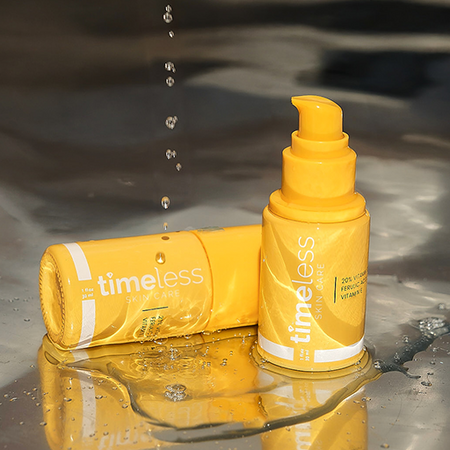
- Dedicated antioxidant serum, such as our 20% Vitamin C + E Ferulic Acid Serum.
- Lightweight morning lotion.
- Broad-spectrum daily sunscreen.
Key Takeaway: Daily broad-spectrum sunscreen is essential every morning. An antioxidant serum supports the skin's antioxidant defenses, but it does not replace broad-spectrum sunscreen.
Evening Routine with a Hydrating Sheet Mask
Evenings provide an opportunity to add moisture before bed:
- First cleanse to remove cosmetics and SPF.
- Second water-based cleanse.
- Balancing toner.
- Soaked sheet or hydrogel mask. Wear it for 15 minutes, then remove.
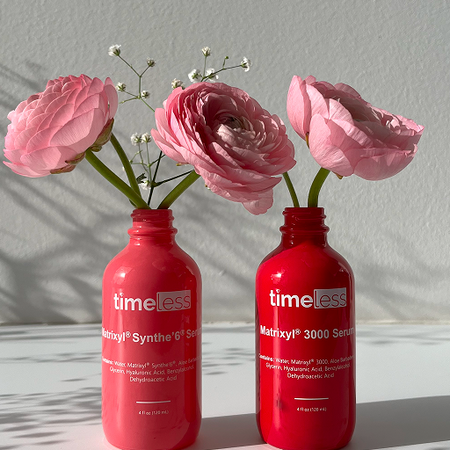
- Facial serum containing targeted peptides, such as our Matrixyl 3000 Serum.
- Nourishing night cream to help reduce moisture loss.
Evening Routine with an Overnight Sleeping Pack
When you want an effortless leave-on step at night:
- Comprehensive evening cleanse.
- Exfoliating toner or hydrating essence.
- Concentrated hydrating serum, like our Hyaluronic Acid 100% Pure.
- Targeted eye cream.
- Rich overnight mask applied as the final barrier step.
Navigating Specific Active Ingredients Around Masks
Mask days require careful attention to the specific ingredients in the rest of your routine. Stacking too many strong ingredients at once can stress the moisture barrier.
For more information about ingredient terminology, visit our ingredient glossary.
| Mask Type | Best Companion Steps | Steps to Skip or Separate |
|---|---|---|
| Exfoliating Acid Mask | Gentle humectants, barrier support creams, simple hydrators | Retinoids, strong L-ascorbic acid, physical facial scrubs |
| Kaolin / Bentonite Clay | Hydrating toners, light barrier serums, rich moisturizers | Strong chemical peeling solutions, astringent alcohol toners |
| Hydrating Sheet Mask | Peptide serums, antioxidant solutions, facial oils | Harsh clarifying scrubs immediately beforehand |
| Overnight Cream Mask | Water-soluble hydrators, gentle peptide solutions | Heavy layers of facial oils placed underneath |
When using strong chemical exfoliating masks containing alpha or beta hydroxy acids, keep the rest of that evening's routine simple. Use non-irritating humectants and a comfortable moisturizer. Individual reactions vary, so anyone with a known sensitivity or diagnosed skin condition should check with their dermatologist before combining multiple active formulas.
How Mask Ingredients Support the Skin
The ingredients inside masks and companion serums can contribute to cosmetic results.
Humectants and Surface Hydration
Many sheet masks and hydrating gels feature sodium hyaluronate, which is the sodium salt of hyaluronic acid. Hyaluronic acid is a humectant, not a moisturizer. It helps support hydration in the upper layers of the epidermis and helps improve the appearance of dehydration lines.
A moisturizer helps reduce transepidermal water loss (TEWL).
Antioxidants and Environmental Support
Antioxidants are frequently added to daytime masks and brightening treatments. L-ascorbic acid is a water-soluble antioxidant. It helps defend against oxidative stress caused by environmental factors such as UV exposure and pollution. Vitamin C helps brighten the look of dullness and uneven tone.
Ubiquinone, also known as CoQ10, is a lipid-soluble antioxidant naturally found in skin. It provides antioxidant support as the skin's natural CoQ10 levels decline with age. It helps improve the appearance of fine lines. It supports firmer-looking skin.
If you have vitiligo, check with your dermatologist before using a CoQ10 product. For a product example, see our Coenzyme Q10 Serum.
Managing Your Routine and Realistic Expectations
Achieving visibly balanced, glowing skin can take patience and consistent daily habits. Face masks offer concentrated cosmetic support, but they are not an overnight solution for persistent concerns. Visible changes in tone, texture, and smoothness may develop with consistent use.
Skin can respond differently from person to person. What gives one person a glow might cause mild flushing in another. Start new products gradually, observe how your complexion responds over several days, and adjust your routine as needed.
Frequently Asked Questions
Should I apply serum before or after my face mask?
For wash-off masks, apply your serum after you have completely rinsed and dried your skin. For sheet masks, you can pat the leftover liquid from the mask into your skin and then apply any additional lightweight serum before your moisturizer. For overnight sleeping masks, apply your water-based serums first so they rest directly against clean skin beneath the mask.
Do I need to wash my face after taking off a sheet mask?
Usually, no. For most sheet masks, avoid rinsing your face after removing the mask. The liquid remaining on your skin can be patted into your face, neck, and chest, then followed with a face cream to help reduce moisture loss.
Can I use a face mask every single day?
Hydrating sheet masks and gentle moisture masks are generally fine for frequent use if your skin tolerates them well. However, clay masks, pore-clearing formulas, and acid-based exfoliating masks should typically be limited to once or twice a week to avoid stripping your surface lipids or causing unnecessary irritation.
Where does eye cream go when using a face mask?
If you are using a wash-off or clay mask, avoid the immediate eye area entirely and apply your eye cream after you have rinsed the mask away. If you are using a sheet mask or an overnight mask, you can apply your eye cream either immediately before or right after your mask step, depending on your personal texture preference.