Introduction
Retinol is a vitamin A derivative that may help improve the look of fine lines and uneven texture. However, retinol products may cause visible dryness, flaking, or irritation if applied incorrectly.
Knowing a practical skincare order with retinol can help organize your products without overwhelming your skin barrier. Skincare layering generally follows a practical rule of thumb: apply products from thinnest to thickest consistency. Water-based liquids and lightweight serums typically go first, followed by heavier creams and facial oils.
When introducing an active like retinol, texture is not the only variable. Skin dampness, the timing of other active ingredients, and individual tolerance can influence how your routine should be structured. Applying retinol to freshly cleansed, completely dry skin may help reduce the chance of unwanted sensitivity. Pairing your evening routine with hydrating humectants and moisturizers that help reduce moisture loss can support comfort.
Quick Answer: Apply your retinol during your evening routine after cleansing and light hydration, but before your final moisturizer. If your skin is sensitive, you can apply your moisturizer first to buffer the active ingredient.
The Correct Evening Skincare Order With Retinol
Nighttime is the standard window for retinol application. Your evening routine should focus on gentle cleansing, targeted treatment, and moisture retention.
Here is the step-by-step evening sequence:
- Gentle Cleanser: Wash your face with a mild, non-stripping facial cleanser to remove dirt, makeup, and sunscreen.
- Hydrating Serum or Essence: Apply a lightweight water-based serum while skin is slightly damp. Hyaluronic acid helps attract, bind, and retain water in the outer layers of the skin.
- Complete Drying Step: Allow your skin to dry completely for several minutes. Applying retinoids to damp skin may increase the chance of irritation.
- Retinol Product: Dispense a pea-sized amount of your retinol serum or cream. Smooth it evenly across your forehead, cheeks, and chin, taking care to avoid the delicate eye area and lips.
- Moisturizer: Finish with a moisturizer that helps reduce transepidermal water loss (TEWL).
The Sandwich Technique for Sensitive Skin
If your skin experiences redness or flaking during the initial weeks of retinol use, the sandwich method may provide a buffer. This technique places your active ingredient between two layers of moisturizer.
To use this method, apply a light layer of moisturizer immediately after cleansing. Wait a few minutes until the moisturizer dries down completely. Next, apply your retinol over the base cream. Finally, apply a second layer of moisturizer over it.
This approach may make retinol application more comfortable.
Key Takeaway: The sandwich technique places retinol between two applications of moisturizer and may help support comfort.


Layering Retinol With Other Popular Ingredients
Building a well-rounded routine often means balancing multiple active ingredients throughout the week. Some ingredients can be used alongside retinol, while others are better spaced apart.
Hyaluronic Acid and Retinol
Hyaluronic acid is a humectant that helps support hydration in the upper layers of the epidermis. It can be used alongside vitamin A derivatives. Applying a hydrating serum before retinol may help improve the appearance of dehydration lines. A product such as Hyaluronic Acid 100% Pure is a hyaluronic acid serum.
Peptides and Retinol
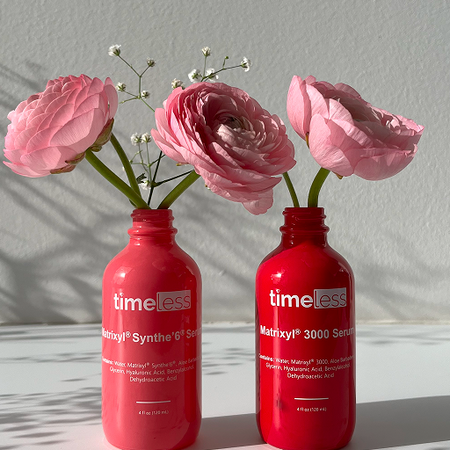
Peptides may help support the appearance of firmness. A peptide serum can be layered either right before or right after retinol, depending on the relative thickness of each formula. A product such as Matrixyl® 3000 Serum is a peptide serum.
Chemical Exfoliants (AHAs and BHAs)
Alpha hydroxy acids like glycolic acid and beta hydroxy acids like salicylic acid are exfoliating acids. Using direct chemical exfoliants in the same application as retinol may increase the chance of redness or tightness. Instead of stacking them together, alternate your evenings. Use your exfoliant one or two nights per week, and reserve your retinol for separate nights.
Retinol and Vitamin C
Both ingredients can be part of a skincare routine, but using them at the exact same moment may feel irritating for some people. Vitamin C helps brighten the look of dullness and uneven tone. Vitamin C helps defend against oxidative stress caused by environmental factors such as UV exposure and pollution. To use them at separate times, apply your vitamin C serum in the morning and your retinol at night. Pair morning vitamin C with broad-spectrum sunscreen.
| Ingredient | Morning or Evening | Routine Role | Compatibility With Retinol |
|---|---|---|---|
| Hyaluronic Acid | Morning and Evening | Helps support hydration in the upper layers of the epidermis | May be layered in the same session |
| Peptides | Morning and Evening | May help support the appearance of firmness | May be used alongside retinol |
| Vitamin C | Morning | Helps brighten the look of dullness and uneven tone | Use vitamin C in the morning and retinol in the evening |
| AHA / BHA Acids | Evening, on alternate nights | Surface smoothing | Alternate evenings |
| Ceramides & Fatty Acids | Morning and Evening | Helps reduce moisture loss | Can be used in a post-retinol moisturizer |
Managing the Retinization Process and Realistic Expectations
Starting a retinol product requires patience and steady consistency. When you first introduce topical vitamin A, your skin may go through an adjustment period known as retinization. During this phase, you may notice temporary dryness, light peeling, or mild sensitivity.
To ease this transition, follow a gradual introduction schedule:
- Week 1: Apply retinol once per week.
- Weeks 2 and 3: Apply retinol two nights per week, spaced evenly apart.
- Weeks 4 through 6: Increase application to three nights per week.
- Ongoing: Move to every other night or nightly use as your comfort allows.
If you encounter persistent flaking or sensitivity, reduce your weekly frequency for a week or two. Skincare progress is not a race. Individual reactions vary, and anyone with a known sensitivity or diagnosed skin condition should check with their dermatologist.
Setting Realistic Expectations for Cosmetic Results
Cosmetic changes from topical skincare can take time. Retinol is not an overnight solution. Hydrating ingredients can support the look of a smoother surface, while visible changes in smoothness, fine lines, wrinkles, and uneven tone vary by person.
Consistent use and gradual introduction may be more comfortable than rushing into daily use. Adjust your routine based on how your skin responds.
Bottom line: Visible improvements from retinol may take time. Consistency, gradual introduction, and a moisturizer that helps reduce moisture loss can support a comfortable routine.
The Critical Role of Morning Sunscreen and Daytime Protection
Retinol routines are commonly paired with daytime sun protection. Using retinol at night does not replace daytime sun protection.
Every morning following an evening retinol application, use this daytime sequence:
- Cleanse or Rinse: Cleanse gently with water or a mild foaming wash to remove nighttime oils and residue.
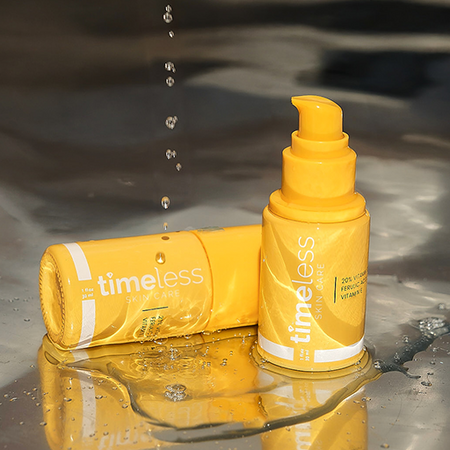
- Antioxidant Serum: Apply a water-soluble antioxidant. Vitamin C helps defend against oxidative stress caused by environmental factors such as UV exposure and pollution. A product such as 20% Vitamin C + E Ferulic Acid Serum is a vitamin C serum. Vitamin C helps neutralize free radicals generated by UV exposure.
- Daily Moisturizer: Apply a moisturizer that helps reduce moisture loss.
- Broad-Spectrum Sunscreen: Apply a generous amount of broad-spectrum SPF 30 or higher as your final skincare step. Reapply every two hours when outdoors.
Use broad-spectrum sunscreen every morning, including after an evening retinol application.
Troubleshooting Common Retinol Layering Mistakes
Small changes to your routine order can improve your overall experience with retinol.
Mistake 1: Applying Retinol to Damp Skin
Applying retinol to damp skin may increase the chance of stinging or redness. Allow your skin to dry completely after cleansing or using a water-based toner before applying retinol.
Mistake 2: Using Too Much Product
A larger amount may increase the chance of irritation. A pea-sized amount is generally enough to apply a thin, even layer across the face.
Mistake 3: Applying Retinol to the Neck and Décolleté
The neck and décolleté may be more sensitive than facial skin. If you choose to apply retinol to these areas, use a smaller amount and buffer it with moisturizer to support comfort.
Mistake 4: Overloading on Strong Actives
Layering retinol directly on top of direct exfoliating toners, benzoyl peroxide, or strong astringents in the same evening may increase the chance of irritation. Keep your evening retinol steps minimal: cleanse, hydrate, treat with retinol, and moisturize.
Frequently Asked Questions
Should I put retinol on before or after my moisturizer?
For the usual routine order, apply retinol to clean, dry skin before your moisturizer. If you have sensitive skin or are new to retinoids, applying moisturizer first can make the routine more comfortable.
Can I use hyaluronic acid and retinol at the same time?
Yes, hyaluronic acid and retinol can be used in the same routine. Apply your hyaluronic acid serum to slightly damp skin. Hyaluronic acid helps attract, bind, and retain water in the outer layers of the skin. Let the surface dry before applying retinol and moisturizer.
What should I do if my skin starts flaking after using retinol?
If flaking occurs, reduce your application frequency temporarily. Use the sandwich method by applying a layer of moisturizer before and after your retinol. Use a moisturizer that helps reduce transepidermal water loss (TEWL) to support skin comfort.
Can I apply retinol in the morning if I wear sunscreen?
Apply retinol in the evening and use broad-spectrum sunscreen every morning. Morning routines can include antioxidant serums followed by broad-spectrum sunscreen.