Introduction
Starting a skincare regimen can feel overwhelming when faced with crowded beauty aisles and multi-step trends. Many people purchase various formulas without knowing when or how to apply them.
Building an effective daily habit does not require a dozen steps. A beginner routine focuses on three main goals: cleansing, hydrating, and protecting. Once you establish the fundamentals, you can introduce targeted treatments based on your individual cosmetic goals.
Timeless Skin Care was founded in 2009 by Veronica Pedersen. Learning the basics of product layering can help you give each step a distinct cosmetic purpose.
Quick Answer: A common approach is to apply products from thinnest to thickest consistency. Cleanse first, follow with water-based serums, apply moisturizer to reduce moisture loss, and always finish with broad-spectrum sunscreen in the morning.
The Core Principle: Layering from Thinnest to Thickest
A common approach to skincare application is to consider texture. Water-based formulas are often lightweight, while heavier creams and facial oils are generally applied later.
Following the thinnest-to-thickest approach may help keep each layer organized without making a beginner routine unnecessarily complicated.
| Step | Product Type | Primary Role | Texture Category |
|---|---|---|---|
| 1 | Cleanser | Clears debris, oil, and surface impurities | Water or oil-based rinse |
| 2 | Water-based Serum | Delivers concentrated cosmetic ingredients | Lightweight liquid or gel |
| 3 | Moisturizer | Helps reduce transepidermal water loss (TEWL) | Emulsion, lotion, or cream |
| 4 (AM) | Sunscreen | Defends against UV rays | Lotion, fluid, or mineral cream |
Water-Based vs. Oil-Based Layers
Water-based serums are often lightweight and may feature humectants like hyaluronic acid. Hyaluronic acid helps attract, bind, and retain water in the outer layers of the skin.
Oil-based formulas and rich creams contain emollients and occlusives. A moisturizer helps reduce transepidermal water loss (TEWL), the water that evaporates from the skin's surface. Applying these products after hydrating serums is a common way to organize a routine.
Key Takeaway: Thin liquids and water-soluble actives are commonly applied first. Thicker lotions, creams, and oils are generally applied later to support the skin surface.


The Essential Morning Skincare Routine Order
Your morning routine focuses on daytime defense and hydration. Throughout the day, your skin encounters environmental factors such as sunlight, wind, and ambient pollution. A simple four-step morning sequence prepares your complexion for the day ahead.
- Cleanse with a gentle face wash.
- Apply an antioxidant or hydrating serum.
- Apply a lightweight daily moisturizer.
- Finish with a broad-spectrum sunscreen rated SPF 30 or higher.
Step 1: Gentle Cleansing
Morning cleansing removes overnight oil production, dead surface skin cells, and residue from nighttime products. Use lukewarm water and a gentle cleanser that rinses clean without leaving your face feeling tight or dry. Those with exceptionally dry skin can choose a simple water rinse instead.
Step 2: Morning Serums and Antioxidants
After cleansing, pat your face dry with a clean towel. Apply your active daytime serum while skin is fresh. Morning is the most common time to apply an antioxidant serum because it helps defend against oxidative stress caused by environmental factors such as UV exposure and pollution.
Vitamin C is a popular choice for this step. As a cosmetic ingredient, vitamin C helps brighten the look of dullness and uneven tone. Options in our Vitamin C category may be considered for this step.
If you experience dry or flaky skin, you can layer a humectant serum next. Hyaluronic acid helps support hydration in the upper layers of the epidermis and helps improve the appearance of dehydration lines.
Step 3: Daily Moisturizer
A light lotion helps reduce moisture loss throughout the day. Apply moisturizer across your face and neck before applying your final layer.
Step 4: Broad-Spectrum Sunscreen
Daily sun protection is an important step for healthy-looking skin. UV radiation causes cosmetic damage, including uneven tone, fine lines, and roughness. Apply a generous amount of broad-spectrum sunscreen with an SPF of at least 30 every morning. Sunscreen must always be the final step of your skincare routine before applying any makeup.
The Essential Evening Skincare Routine Order
Your evening routine focuses on thorough cleansing and surface comfort. Evening can be a convenient time for richer hydrators or targeted nighttime actives.
- Remove makeup and surface buildup.
- Cleanse thoroughly with a water-based wash.
- Apply targeted serums or peptide treatments.
- Apply an evening moisturizer or night cream.
Step 1 and Step 2: The Evening Cleanse
Throughout the day, sunscreen, makeup, sebum, and airborne dirt settle onto the surface of your skin. A thorough cleansing routine can help remove these impurities from the surface.
Some beginners may prefer a two-step cleansing method in the evening. First, use an oil-based balm or micellar water to break down stubborn cosmetic pigments and water-resistant sunscreen. Second, wash your face with your gentle water-based cleanser to leave the surface clean and refreshed.
Step 3: Nighttime Treatment Serums
The serum step in the evening allows you to target specific cosmetic concerns like uneven texture or the visible signs of aging.
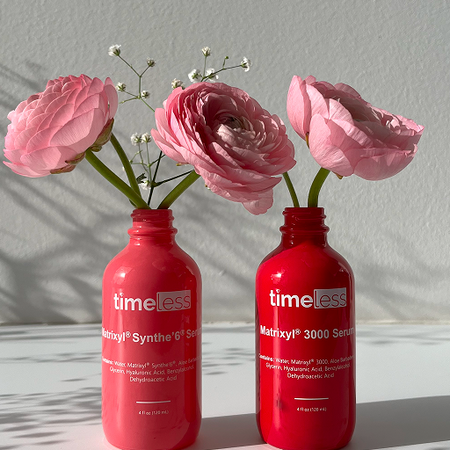
Peptide formulas are commonly applied at night. Peptides are short chains of amino acids that may help support the appearance of firmness. The Matrixyl® 3000 Serum is listed in our Peptides category.
If your primary goal is hydration, you can apply a humectant serum to clean skin. Hyaluronic acid is a humectant, not a moisturizer, making it an option for the first layer under your evening cream. The Hyaluronic Acid 100% Pure is listed in our Hydration category.
Step 4: Night Cream or Rich Moisturizer
Nighttime moisturizers often contain slightly richer emollient blends than daytime lotions. A nourishing cream helps reduce moisture loss while you sleep. Smooth the product over your face, neck, and chest in gentle upward motions.
Targeted Serums: How to Incorporate Key Ingredients
Once you feel comfortable with basic cleansing, moisturizing, and sun protection, you can explore targeted ingredients. Knowing what each ingredient does helps you choose the right options for your specific aesthetic goals.
Hyaluronic Acid and Sodium Hyaluronate
Hyaluronic acid is a humectant. Sodium hyaluronate is the sodium salt of hyaluronic acid. Hydrolyzed hyaluronic acid is hyaluronic acid broken into smaller fragments.
Hyaluronic acid helps attract, bind, and retain water in the outer layers of the skin. Apply humectant serums after cleansing. Follow with a moisturizer, which helps reduce moisture loss.
Antioxidants: Vitamin C and CoQ10
An antioxidant helps neutralize free radicals generated by UV exposure.
L-ascorbic acid is water-soluble and acidic, making it sensitive to air, light, and heat. Packaging in opaque, airless bottles helps maintain its potency over time.
Coenzyme Q10 (CoQ10) is a lipid-soluble antioxidant naturally found in skin. It provides antioxidant support as the skin's natural CoQ10 levels decline with age. It helps improve the appearance of fine lines and supports firmer-looking skin. CoQ10 is generally used once daily. Never apply CoQ10 under the eyes. If you have vitiligo, check with your dermatologist before using a CoQ10 product.
Peptides for Firmness and Texture
In topical skincare, specific blends such as palmitoyl tripeptide-1, palmitoyl tetrapeptide-7, and palmitoyl tripeptide-38 are used in cosmetic formulations. These ingredients may help support the appearance of firmness and visibly soften the look of fine lines.
Vitamin B5 for Barrier Comfort
Vitamin B5, often listed as calcium pantothenate in cosmetic formulations, supports the skin barrier and helps the skin retain moisture. This ingredient helps the skin feel more comfortable when environmental stressors leave your complexion feeling tight or dry.
Note: Individual reactions vary with any cosmetic formula. Anyone with a known sensitivity or diagnosed skin condition should check with their dermatologist before introducing new cosmetic ingredients.
Building Consistency and Setting Realistic Expectations
Skincare habits work best when they are simple enough to maintain. Cosmetic changes in texture, tone, and hydration can develop gradually, so consistency matters more than adding many steps.
What to Expect From Consistent Use
Hyaluronic acid helps support hydration in the upper layers of the epidermis and helps improve the appearance of dehydration lines. This may contribute to a more supple-looking complexion.
Targeted ingredients like vitamin C, peptides, and CoQ10 may show gradual cosmetic changes with consistent use. Changes such as a brighter-looking tone, smoother-looking skin, and a softer appearance of fine lines can develop over time.
Introduce only one new active product at a time so you can observe how your complexion responds.
Common Beginner Mistakes to Avoid
- Overcomplicating the routine too early by buying too many active serums at once.
- Skipping daily sunscreen because the weather is cloudy or cold.
- Applying thick facial oils before water-based serums.
- Scrubbing the face aggressively with harsh physical exfoliants.
- Applying products inconsistently.
For more information about the brand, visit Timeless Skin Care products.
Frequently Asked Questions
How long should I wait between applying skincare steps?
Most water-based serums do not require a long wait between steps. Once a serum no longer feels wet on your skin, you can apply your moisturizer. The main exception is broad-spectrum sunscreen: let your moisturizer set completely before applying SPF so the sun protection forms an even film over the skin.
Can I use the same moisturizer for morning and night?
Some people use a basic lotion in both routines. Others prefer a lightweight lotion or gel under daytime sunscreen and a richer cream before bed. A moisturizer without SPF may also be used in the evening.
Do I need to use an eye cream in a beginner routine?
An eye cream is an optional step. Some facial serums and moisturizers may be suitable around the orbital bone when they are fragrance-free and gentle. Dedicated eye formulas may be useful if you want targeted ingredients specifically formulated for the thinner skin around the eye area.
Should I apply serums to damp or dry skin?
Humectant serums containing hyaluronic acid or glycerin may be applied to slightly damp skin directly after cleansing. Hyaluronic acid helps attract, bind, and retain water in the outer layers of the skin. Low-pH L-ascorbic acid serums may be applied to clean, dry skin to minimize the potential for tingling.