Introduction
Skincare works best when applied in an intentional sequence based on product texture. A well-structured routine does not need a dozen steps, but it does require an order that fits your skin's daily needs.
Key Takeaway: Skincare routines generally follow a texture rule: apply formulas from thinnest to thickest, reserving broad-spectrum sunscreen for daytime and rich moisturizers for nighttime.
Understanding how to structure your morning and evening regimens can help you use the products on your shelf consistently. Founded in 2009 by Veronica Pedersen, Timeless Skin Care focuses on clean, simple formulas that make building a reliable daily routine straightforward.
Why Skincare Routine Order Matters
The general rule for layering is simple: apply products from thinnest consistency to thickest consistency. Water-based liquids and lightweight serums go on first, followed by lotions, creams, and face oils.
Applying a thick, occlusive cream first can make thinner products harder to layer and may contribute to pilling or a greasy residue. Applying products in sequence can help keep the routine comfortable and consistent. For additional guidance, see how to layer multiple serums.
Core Routine Progression
- AM Routine: Cleanse, serum, moisturize, and SPF.
- PM Routine: Double cleanse, exfoliate or treat, serum, eye cream, and moisturize.


Morning Skincare Routine Order: Defense and Hydration
Your morning routine prepares your face for daytime environmental exposure. Throughout the day, skin encounters ultraviolet light, dry indoor air, and city pollution. A daytime sequence emphasizes hydration, antioxidant defense, and sun protection.
Step 1: Gentle Cleanser
Morning cleansing removes overnight oils, dead skin cells, and residue from evening treatments. A mild, sulfate-free cleanser refreshes the skin without stripping away essential surface lipids. If your skin is exceptionally dry or sensitive, a quick rinse with lukewarm water may be sufficient.
Step 2: Hydrating or Treatment Toner
Toners and essences deliver lightweight surface hydration after cleansing. Apply toners with clean hands by patting the liquid directly across the face and neck.
Step 3: Targeted Morning Serum
Morning use is common for formulas focused on brightening and environmental support, but it is not the only option. Applying an antioxidant serum helps defend against oxidative stress caused by environmental factors such as UV exposure and pollution.
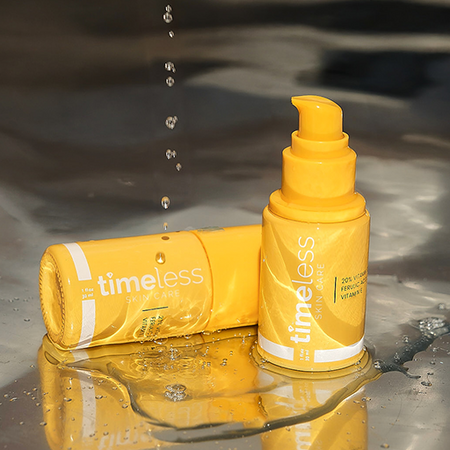
The 20% Vitamin C + E Ferulic Acid Serum is a serum from Timeless Skin Care. Vitamin C is a common choice for daytime regimens. L-ascorbic acid helps brighten the look of dullness and uneven tone. Vitamin C supports the skin's antioxidant defenses. Because L-ascorbic acid is a water-soluble antioxidant sensitive to air, light, and heat, keep packaging and storage in mind. Pair morning use with broad-spectrum sunscreen.
A humectant layer can also be included. Hyaluronic acid helps attract, bind, and retain water in the outer layers of the skin. Hyaluronic acid helps improve the appearance of dehydration lines. Hyaluronic acid is a humectant, not a moisturizer.
Step 4: Eye Cream
The skin around the orbital bone is thinner than the rest of the face. A lightweight eye cream applied before heavy face creams can support hydration in this delicate area. Use your ring finger to tap a small amount gently along the orbital bone.
Step 5: Daytime Moisturizer
A light lotion or gel-cream helps reduce transepidermal water loss (TEWL). Moisturizers combine humectants and emollients to keep the complexion smooth and comfortable beneath makeup or sunscreen. Those with oilier skin may choose a lightweight emulsion, while dry skin types may prefer richer textures.
Step 6: Broad-Spectrum Sunscreen (SPF 30+)
Sunscreen is the final step of every morning skincare routine. Apply broad-spectrum SPF 30 or higher to protect against UVA and UVB rays that contribute to visible premature aging. Keep serums and moisturizers under your sunscreen so sunscreen remains the final step.
Nighttime Skincare Routine Order: Recovery and Nourishment
Nighttime routines often emphasize hydration and barrier support. Some treatment actives are commonly used at night, including formulas that may increase photosensitivity.
Step 1: First Cleanse (Makeup and SPF Removal)
An oil-based cleanser, cleansing balm, or micellar water dissolves water-resistant sunscreen, long-wear foundation, and excess sebum accumulated throughout the day. Massaging an oil cleanser onto dry skin breaks down stubborn debris without harsh rubbing.
Step 2: Second Cleanse
Follow your oil cleanser with a water-based gel or cream cleanser. This second wash removes remaining residue, sweat, and surface impurities.
Step 3: Chemical Exfoliation (1–3 Nights Weekly)
Chemical exfoliants, such as alpha hydroxy acids (glycolic or lactic acid) and beta hydroxy acids (salicylic acid), can help improve the appearance of surface texture. Limit exfoliating acids to a few nights a week to avoid stressing the skin barrier.
Step 4: Evening Treatment Serums
Nighttime allows you to target specific cosmetic concerns using concentrated formulas:
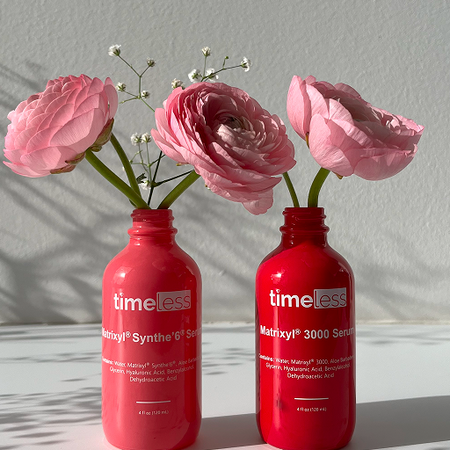
- Peptides: The Matrixyl® 3000 Serum is a peptide serum. Peptides may help support the appearance of firmness.
- Retinoids: Retinol and retinal may help improve the appearance of uneven texture and fine lines. Apply retinoids to dry skin to reduce the likelihood of irritation.
- Barrier Support: Vitamin B5 supports the skin barrier and helps the skin retain moisture. Vitamin B5 helps the skin feel more comfortable.
- Coenzyme Q10: The Coenzyme Q10 Serum is a serum. Ubiquinone is a lipid-soluble antioxidant naturally found in skin. CoQ10 provides antioxidant support as the skin's natural CoQ10 levels decline with age. CoQ10 helps improve the appearance of fine lines. CoQ10 supports firmer-looking skin. CoQ10 is generally used once daily. If you have vitiligo, check with your dermatologist before using a CoQ10 product.
Step 5: Eye Cream
An evening eye cream can provide hydration around the orbital area. Tap a small amount around the eye contour. Avoid placing active retinoids or strong direct acids too close to the lash line.
Step 6: Night Cream or Barrier Moisturizer
A nourishing night cream helps reduce moisture loss. Evening moisturizers often contain emollients and ceramides to support the skin barrier. Smooth an even layer over the face, neck, and chest.
Step 7: Optional Facial Oil
For very dry skin or during harsh winter months, pressing two to three drops of face oil over your moisturizer provides an extra emollient layer to soften skin and reduce surface dryness.
Morning vs. Night Routines: Quick Reference
The following comparison clarifies how product choices can shift between morning and evening applications:
| Step | Morning Focus | Evening Focus |
|---|---|---|
| Cleansing | Single cleanse with a mild, water-based wash | Double cleanse with an oil cleanser followed by a water cleanser |
| Toning | Hydrating essence or balancing mist | Hydrating toner or liquid exfoliant |
| Serums | Antioxidants such as Vitamin C and CoQ10, followed by broad-spectrum sunscreen | Peptides, retinoids, or barrier-support serums |
| Moisturizer | Lightweight lotion or hydrating gel | Rich barrier cream or nourishing night moisturizer |
| Final Step | Broad-spectrum sunscreen (SPF 30+) | Optional facial oil or overnight moisture mask |
Realistic Expectations for Skincare Results
Cosmetic skincare requires patience, consistency, and realistic expectations. Skincare products do not produce instant overnight transformations. Visible improvements in skin hydration and surface smoothness may appear with consistent use, while changes in the appearance of fine lines, firmness, and uneven skin tone develop gradually.
Individual skin biology varies. Factors like genetics, climate, sleep, stress, and lifestyle influence how your complexion responds to topical products. Introduce new formulas one at a time so you can observe how your skin adjusts. Individual reactions vary, and anyone with a known sensitivity or diagnosed skin condition should check with their dermatologist before starting an intensive regimen.
Frequently Asked Questions
Can I use the same moisturizer for morning and night?
Often, a basic hydrating moisturizer free of sunscreen filters can serve both morning and evening routines. However, many people prefer a lightweight lotion under daytime sunscreen and a richer, more emollient cream at night to help reduce moisture loss during sleep.
How long should I wait between applying each skincare step?
Most serums and moisturizers can be layered as soon as the previous product feels absorbed and no longer tacky, which usually takes thirty to sixty seconds. If you are applying broad-spectrum sunscreen in the morning, let your moisturizer set for two to three minutes so the sunscreen creates a uniform protective layer.
Should I apply hyaluronic acid to wet or dry skin?
Hyaluronic acid may be applied to slightly damp skin straight after cleansing or misting. Hyaluronic acid helps attract, bind, and retain water in the outer layers of the skin. Hyaluronic acid is a humectant, not a moisturizer.
Can I layer multiple serums in a single routine?
You can layer multiple serums if you follow the thinnest-to-thickest texture rule. Apply thin, water-based solutions first, followed by thicker or oil-based serums. To keep your routine manageable and reduce the risk of sensitivity, limiting your routine to one or two targeted serums per session may be helpful. The DIY Build Your Kit is a collection.