Introduction
Adding retinol to your evening regimen may help improve the appearance of visible signs of aging and uneven texture. Retinol belongs to the vitamin A family and is used in routines focused on the appearance of fine lines and uneven tone. However, knowing how to layer retinol within your broader skincare routine can affect both comfort and visible results.
Many people experience dryness, peeling, or surface irritation when they first start using a retinoid. These issues often happen because of incorrect layering, applying products to damp skin, or combining too many potent active ingredients at the same time.
Founded in 2009 by Veronica Pedersen, Timeless Skin Care focuses on simple formulas. Understanding the correct skincare routine order with retinol can help you use it while supporting skin comfort. This guide explains how to layer retinol step by step in both your evening and morning routines.
Key Takeaway: Retinol belongs in your evening routine on clean, completely dry skin. Layer lightweight water-based formulas first, apply your retinol, and finish with a moisturizer to help reduce moisture loss.
Understanding How Retinol Fits Into Your Skincare Order
The general rule for layering skincare is straightforward: apply products from thinnest to thickest consistency. Water-based liquids and lightweight serums go on first, followed by heavier creams, lotions, and facial oils. This sequence provides a practical order for layering.
Retinol is primarily used in evening routines. Nighttime application is the standard choice for ease and routine separation. Using retinol at night can help avoid overlap with daytime actives like L-ascorbic acid.
One crucial factor sets retinol apart from simple hydrating serums: the moisture level of your skin during application. For humectants like hyaluronic acid, damp skin is ideal because the ingredient helps attract, bind, and retain water in the outer layers of the skin. Retinol works differently. Applying retinol to damp skin can lead to unwanted irritation and flaking. For this reason, allow your face to dry completely after cleansing before applying any retinoid.
| Factor | Standard Hydrating Serums | Retinol Treatments |
|---|---|---|
| Time of Day | Morning and evening | Evening only |
| Skin Moisture Level | Apply to damp skin | Apply to completely dry skin |
| Primary Role | Hydration support | Texture, tone, and fine lines |
| Layering Position | Early in routine | Middle of evening routine |
| Frequency | Daily, up to twice daily | 1 to 2 nights weekly to start |


Step-by-Step Evening Skincare Routine With Retinol
Your evening routine should focus on gentle cleansing, targeted treatment, and barrier support. When you apply retinol, keeping the surrounding routine simple can help support skin comfort.
Here is the correct order for an evening routine with retinol:
- Cleanse thoroughly: Use a gentle, non-stripping cleanser to remove makeup, sunscreen, and daily debris. If you wear heavy makeup or water-resistant sunscreen, use an oil-based cleanser first, followed by a gentle water-based wash.
- Pat dry and wait: Gently pat your face with a clean towel. Wait two to three minutes until your skin is completely dry to the touch before proceeding to the next step.
- Apply a hydrating serum (optional): If you use a basic water-based hydrating serum, apply it now. Allow it to absorb fully so the skin surface is dry again before applying your retinoid.
- Apply your retinol: Dispense a pea-sized amount of retinol serum or cream. Smooth it evenly across your forehead, cheeks, chin, and jawline, avoiding the immediate eye area and the corners of your mouth.
- Apply moisturizer: Finish with a moisturizer. A moisturizer helps reduce transepidermal water loss (TEWL), the water that evaporates from the skin's surface, while keeping the skin comfortable overnight.
The Sandwich Method for Sensitive Skin
If you have sensitive skin or are new to vitamin A derivatives, the sandwich method can help minimize irritation. This technique places a buffering layer between your skin and the retinoid.
- Cleanse your skin and pat dry.
- Apply a thin layer of basic moisturizer.
- Wait five minutes for the moisturizer to absorb and dry.
- Apply your pea-sized amount of retinol over the moisturizer.
- Apply a second layer of moisturizer over the retinol.
For some people, this approach may help reduce peeling, dryness, and redness.
How to use: For beginners, start by using retinol one or two nights per week. Maintain this schedule for two weeks before gradually increasing frequency as your skin tolerates it.
Morning Skincare Routine: Complementing Your Evening Retinol
What you do in the morning supports the routine you use at night. Daily sun protection is important when using retinol.
Your morning routine should focus on an antioxidant serum, upper-layer hydration, and broad-spectrum sun protection.
Here is the recommended morning sequence:
- Cleanse or rinse: Wash your face with a gentle cleanser, or simply rinse with lukewarm water if your skin feels dry from the night before.
- Apply an antioxidant serum: An antioxidant serum helps defend against oxidative stress caused by environmental factors such as UV exposure and pollution. Vitamin C is a common morning choice because it helps brighten the look of dullness and uneven tone.
- Apply a peptide or hydrating serum: Peptides may help support the appearance of firmness. Hyaluronic acid helps support hydration in the upper layers of the epidermis.
- Apply a lightweight moisturizer: If your skin needs extra comfort, apply a daytime moisturizer that helps reduce moisture loss.
- Finish with broad-spectrum sunscreen: Apply a generous amount of broad-spectrum sunscreen with an SPF of 30 or higher. This step is non-negotiable when using retinol in your routine.
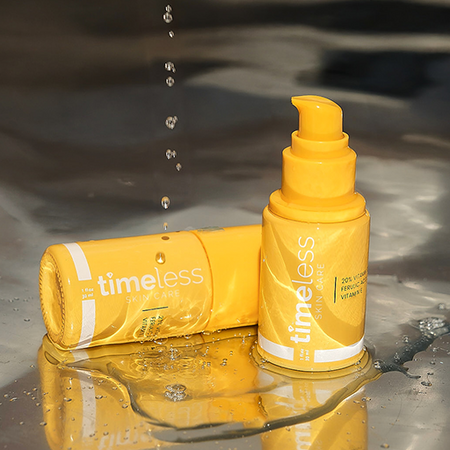
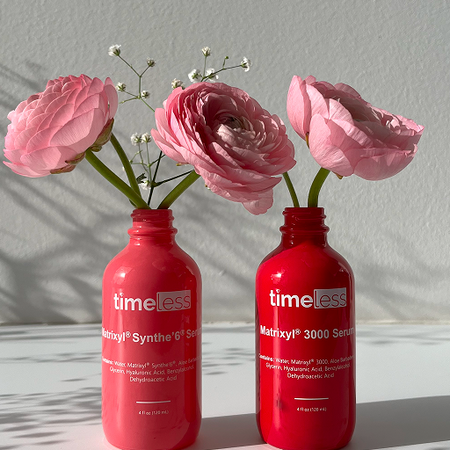
Timeless Skin Care's Vitamin C collection includes the 20% Vitamin C + E Ferulic Acid Serum. Timeless Skin Care's peptide category includes the Matrixyl® 3000 Serum, and its hydration lineup includes Hyaluronic Acid 100% Pure.
Key Takeaway: Keep your retinol for nighttime and use your morning routine for hydration and broad-spectrum sun protection.
What Ingredients to Pair and What to Avoid With Retinol
Retinol does not need to do everything alone. Combining it with supportive ingredients can help maintain comfort and hydration, while avoiding conflicting actives can help reduce the chance of surface irritation.
Ingredients That Pair Well With Retinol
- Hyaluronic Acid: Hyaluronic acid is a humectant that helps support hydration in the upper layers of the epidermis. It provides lightweight hydration that can help with the surface dryness sometimes associated with retinoids.
- Vitamin B5: Vitamin B5 supports the skin barrier and helps the skin retain moisture. It also helps the skin feel more comfortable when adjusting to a new active. Learn more in What Are the 3 Benefits of Vitamin B5?.
- Peptides: Peptides may help support the appearance of firmness.
- Ceramides and Squalane: These ingredients help reduce moisture loss.
Ingredients to Separate From Retinol
- Alpha Hydroxy Acids (AHAs): Glycolic, lactic, and mandelic acids are exfoliating acids. Using AHAs in the same evening routine as retinol can overwhelm your skin and lead to redness or flaking.
- Beta Hydroxy Acids (BHAs): Salicylic acid can add to dryness when combined with retinol. To avoid barrier stress, use salicylic acid in the morning or on alternating nights when you are not using retinol.
- Benzoyl Peroxide: Benzoyl peroxide can cause significant dryness when layered directly with retinol. It is best used in a separate morning wash or on non-retinol evenings.
- L-Ascorbic Acid: While both vitamin C and retinol offer cosmetic benefits, using them at the same time in the evening may cause irritation. Use vitamin C in the morning and retinol at night.
| Ingredient | Morning or Evening? | Can It Be Layered in the Same Step? |
|---|---|---|
| Hyaluronic Acid | Morning and Evening | Yes, apply before retinol after the skin dries, or after |
| Peptides | Morning and Evening | Yes, compatible in both routines |
| Vitamin B5 | Morning and Evening | Yes |
| Vitamin C (L-Ascorbic Acid) | Morning | No, separate by time of day |
| AHA / BHA Chemical Exfoliants | Evening, alternate nights | No, use on alternate evenings |
| Broad-Spectrum Sunscreen | Morning | Mandatory every morning |
Setting Realistic Expectations and Managing Sensitivity
Skincare results require patience, consistency, and realistic expectations. Retinol is not expected to transform the appearance of skin overnight. Visible changes may develop gradually over time as you use it consistently, and individual experiences vary.
Cosmetic improvements may develop progressively, and timing varies among individuals.
If you have a known sensitivity or diagnosed skin condition, check with your dermatologist before introducing a new retinoid.
During the first few weeks, some users experience an adjustment phase known as purging, with mild breakouts or slight flaking. This differs from an allergic reaction or severe barrier damage. If your skin develops persistent stinging, redness, or burning with basic moisturizers, pause your retinol use for several days and focus on gentle hydration and comfort.
Timeless Skin Care manufactures its products in the USA in small batches. Introducing active ingredients gradually can help you build a routine that respects your skin's tolerance.
Frequently Asked Questions
Can I apply retinol immediately after washing my face?
It is best to wait two to three minutes after cleansing until your skin is completely dry before applying retinol. Applying retinoids to damp skin can lead to unnecessary peeling, redness, and irritation.
Should I apply retinol before or after my moisturizer?
Most people apply retinol before moisturizer. However, if you have sensitive skin or are new to retinoids, applying your moisturizer first can act as a buffer and may help minimize irritation.
Can I use retinol and vitamin C on the same day?
Yes, you can use both ingredients on the same day, but you should separate them by time of day. Use your vitamin C serum in the morning with broad-spectrum sunscreen. Vitamin C helps defend against oxidative stress caused by environmental factors such as UV exposure and pollution, and you can apply your retinol in the evening.
How many nights a week should I apply retinol?
Beginners should start by using retinol one to two nights per week for the first two weeks. If your skin remains comfortable with no flaking or persistent tightness, you may consider increasing to every other night based on your skin's tolerance.