Introduction
Building an effective daily regimen often feels more complicated than it needs to be. With endless steps, trending ingredients, and conflicting advice online, figuring out what goes first can quickly become overwhelming. Getting the order right can make a routine easier to follow and more comfortable to use.
Applying formulas out of sequence may make layering less comfortable. A heavy cream applied before a watery serum, for instance, may make the lighter product harder to spread.
At Timeless Skin Care, founded in 2009 by Veronica Pedersen, this guide explains skincare routine steps in order for morning and evening, along with general layering principles.
The Core Principles of Skincare Layering
Before diving into individual steps, it helps to understand the basic rules governing skincare application. Skincare products are formulated with varying molecular sizes, bases, and textures. Following a few foundational principles can help each product layer comfortably.
1. Layer from Thinnest to Thickest Consistency
The most important rule in skincare layering is to move from the lightest, most fluid textures to the richest, densest textures. Water-based liquids like toners and lightweight serums go on first. Emulsions, lotions, creams, and facial oils come later.
Thicker creams and facial oils contain occlusive agents. Applying a dense moisturizing cream first may make a lightweight water-based serum more difficult to spread evenly. Starting with thin textures can help lighter formulas sit comfortably on the outer layers of the skin.
2. Water-Based Formulas Precede Oil-Based Formulas
Water and oil naturally repel each other. Water-based serums and essences are generally applied to clean skin before oil-rich products. Applying an oil first may create a film on the skin surface, and a water-soluble product applied on top may pool or roll off.
3. Protection for Day, Renewal for Night
Your morning and evening routines serve two distinct purposes. Daytime routines center on environmental defense and sun protection. Your evening steps focus on thorough cleansing, hydration, and appearance-focused care.
Key Takeaway: Apply products starting with the lightest, water-based textures and finish with richer, oil-based formulas to support comfortable layering.
| Product Type | Base Consistency | Primary Role in Routine | Routine Placement |
|---|---|---|---|
| Cleanser | Water or oil surfactant | Removes dirt, excess sebum, and impurities | Step 1 (AM & PM) |
| Toner / Essence | Thin liquid | Balances the surface and preps skin | Step 2 (AM & PM) |
| Active Serum | Fluid to light gel | Delivers concentrated target ingredients | Step 3 (AM & PM) |
| Eye Cream | Light cream or gel | Hydrates the delicate eye contour | Step 4 (AM & PM) |
| Moisturizer | Cream, lotion, or gel-cream | Helps reduce moisture loss | Step 5 (AM & PM) |
| Facial Oil | Dense lipid liquid | Conditions dry skin and adds nourishment | Optional Step 6 (PM) |
| Broad-Spectrum Sunscreen | Mineral or chemical lotion | Shields skin from damaging UV rays | Final Step (AM only) |


Morning Skincare Routine: Step-by-Step Order
A morning routine prepares your face for the day ahead. During daylight hours, your skin encounters UV rays, pollution, and variable weather. The goal of your morning routine is to provide antioxidant defense, maintain hydration in the upper layers of the epidermis, and shield your skin from ultraviolet exposure.
Step 1: Gentle Cleanser
Cleansing in the morning removes any sweat, excess oil, and residual nighttime products from your skin.
- For oily or combination skin: Use a gentle foaming or gel-based cleanser to lift surface oils without stripping the skin.
- For normal to dry skin: A mild, non-foaming cream cleanser or a quick rinse with lukewarm water may be sufficient.
Massage the cleanser gently over wet skin for about thirty seconds, rinse thoroughly with lukewarm water, and pat your face dry with a clean towel.
Step 2: Hydrating Toner or Treatment Essence (Optional)
Toners are not mandatory, but modern hydrating formulas offer a way to replenish hydration right after cleansing. Unlike older alcohol-based astringents, today's toners use humectants to prep the skin surface.
Pour a few drops into your palms and pat gently across your face and neck. Applying subsequent serums to slightly damp skin can make layering more comfortable.
Step 3: Targeted Antioxidant Serum
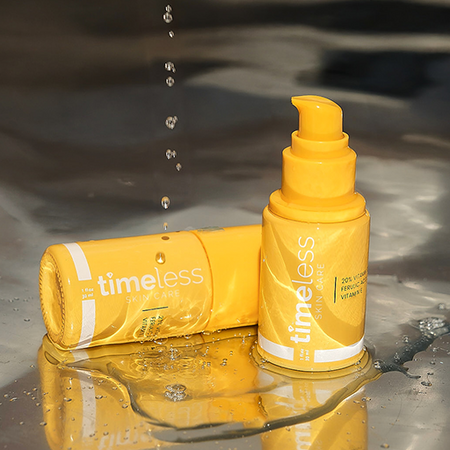
An antioxidant serum can be one option for this step. Our 20% Vitamin C + E Ferulic Acid Serum is an antioxidant serum.
Morning use is common for vitamin C, but it is not the only option. If you use vitamin C in the morning, pair it with a standalone broad-spectrum sunscreen.
An antioxidant formula supports the skin's antioxidant defenses. It helps defend against oxidative stress caused by environmental factors such as UV exposure and pollution.
L-ascorbic acid is the most researched form of vitamin C. It helps brighten the look of dullness and uneven tone. L-ascorbic acid formulations are acidic and sensitive to air, light, and heat. Vitamin E and ferulic acid may support formulation stability. Over time, vitamin C serums may oxidize, losing potency and potentially causing irritation for reactive skin types.
Another option is Coenzyme Q10, or ubiquinone. CoQ10 is a lipid-soluble antioxidant naturally found in skin. It provides antioxidant support as the skin's natural CoQ10 levels decline with age. It helps improve the appearance of fine lines. It supports firmer-looking skin.
If you choose a CoQ10 product, use it once daily across the face and neck, avoiding the immediate under-eye area. If you have vitiligo, check with your dermatologist before using a CoQ10 product.
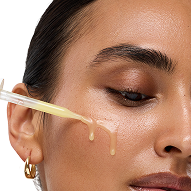
Apply two to three drops of your chosen antioxidant serum to clean, dry or slightly damp skin, smoothing it evenly over your face and neck.
Step 4: Eye Cream (Optional)
The skin surrounding the eyes is thinner than the rest of the face and often shows early signs of dehydration or fatigue. If you use a dedicated eye product, apply it after your lightweight facial serums and before your facial moisturizer.
Gently tap a pea-sized amount around the orbital bone using your ring finger. Take care to avoid dragging or pulling the delicate skin around the eye socket.
Step 5: Lightweight Daily Moisturizer
Moisturizers can support daily moisture. While serums supply concentrated active ingredients, moisturizers contain emollient and occlusive compounds. A moisturizer helps reduce transepidermal water loss (TEWL).
- Dry skin: Opt for a cream enriched with ceramides and plant lipids.
- Oily or breakout-prone skin: Choose a lightweight, oil-free gel or lotion that absorbs quickly without feeling heavy.
Smooth a nickel-sized amount evenly across your face and neck, allowing it a minute to absorb before moving to your final morning step.
Step 6: Broad-Spectrum Sunscreen
Sunscreen is the essential final step in every morning skincare routine. UV radiation contributes to visible premature skin aging and uneven pigmentation.
Antioxidants support the skin's antioxidant defenses, but they do not replace sunscreen, raise SPF, or block UV rays. You must apply a standalone broad-spectrum sunscreen with an SPF of 30 or higher every morning, regardless of whether it is sunny or cloudy outside.
Note: Apply approximately two finger-lengths of sunscreen to your face and neck as the final skincare step. Allow it to set completely before applying any makeup or foundation.
AM Routine Sequence
- Cleanser
- Toner or Essence (Optional)
- Antioxidant Serum
- Eye Cream (Optional)
- Moisturizer
- Broad-Spectrum Sunscreen (SPF 30+)
Evening Skincare Routine: Step-by-Step Order
While your morning routine focuses on defense, your evening routine centers on restorative care. At night, you remove accumulated grime, sunscreen, and makeup from the day, then apply hydrating and texture-refining ingredients.
Step 1: First Cleanse (Makeup and Sunscreen Removal)
If you wear makeup, water-resistant sunscreen, or work in an urban environment, a single cleanse may not fully remove surface buildup. An initial cleanse using an oil-based balm, cleansing oil, or micellar water breaks down lipid-soluble impurities, sebum, and pigments.
Apply your oil cleanser to dry skin, massaging thoroughly across the face to dissolve makeup and sunscreen. Add a splash of lukewarm water to emulsify the formula, then rinse.
Step 2: Second Cleanse (Water-Based Cleanser)
Follow your first cleanse immediately with a gentle water-based cleanser. This step clears away any remaining residue, sweat, and loosened debris, leaving your skin surface ready for treatment products.
Gently massage onto damp skin and rinse cleanly. After rinsing, pat your skin with a soft towel, leaving it slightly damp if you plan to apply humectant serums next.
Step 3: Exfoliant or Clarifying Toner (1 to 3 Nights Weekly)
Chemical exfoliants, such as alpha hydroxy acids, including glycolic or lactic acid, and beta hydroxy acids, including salicylic acid, help dissolve dead surface cell buildup. Regular gentle exfoliation reveals smoother texture.
Many exfoliating products are not intended for every night. Limiting chemical exfoliants to one to three nights per week can help support barrier comfort.
Apply your liquid exfoliant with a cotton pad or your fingers, allowing it to dry before applying your next layer.
Step 4: Hydrating and Peptide Serums
Nighttime is a useful opportunity to layer water-based hydrators and peptide treatments. For additional guidance, see how to layer multiple serums.
Hyaluronic Acid
Our Hyaluronic Acid 100% Pure is a hyaluronic acid serum.
Hyaluronic acid is a humectant, not a moisturizer. It helps attract, bind, and retain water in the outer layers of the skin. It helps support hydration in the upper layers of the epidermis. It helps improve the appearance of dehydration lines.
Sodium hyaluronate is the sodium salt of hyaluronic acid. Hydrolyzed hyaluronic acid is hyaluronic acid broken into smaller fragments.
Peptides
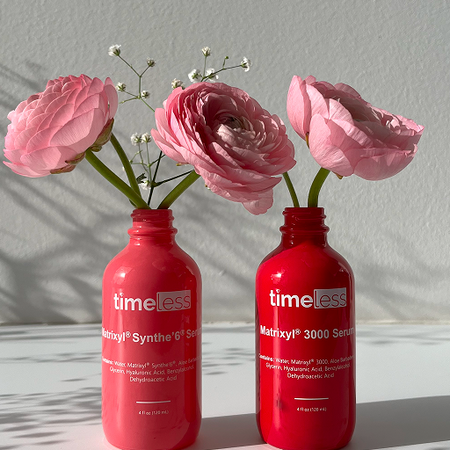
Our Matrixyl® 3000 Serum is a peptide serum.
Peptides may help support the appearance of firmness. Matrixyl 3000 contains Palmitoyl Tripeptide-1 and Palmitoyl Tetrapeptide-7.
Vitamin B5
Vitamin B5, listed as Calcium Pantothenate in select formulas, supports the skin barrier and helps the skin retain moisture. It helps the skin feel more comfortable, especially when you are introducing active treatments into your regimen.
When using multiple serums, apply the thinnest, most watery texture first. Allow each serum twenty to thirty seconds to absorb before applying the next.
Step 5: Targeted Night Treatments (Retinoids or Spot Treatments)
If you use topical retinoids, such as retinol, retinal, or prescription tretinoin, apply them during this stage of your nighttime routine. Retinoids can help improve the look of fine lines, uneven tone, and rough texture.
Because retinoids can cause dryness or peeling, apply a pea-sized amount to completely dry skin. If your skin is prone to sensitivity, you can apply your moisturizer first, or sandwich your retinoid between two light layers of lotion to buffer its strength.
Step 6: Rich Night Moisturizer
Finish your evening serums with a nighttime moisturizer.
A moisturizer helps reduce moisture loss while you rest. Smooth a generous layer over your entire face, neck, and chest.
Step 7: Facial Oil (Optional)
If your skin feels chronically dry or flaky, you can finish your evening routine with a few drops of facial oil, such as squalane or argan oil. A facial oil can be the last step over your moisturizer.
PM Routine Sequence
- First Cleanse (Oil-Based / Micellar Water)
- Second Cleanse (Water-Based Cleanser)
- Exfoliant (1 to 3 Nights Weekly)
- Hydrating or Peptide Serums
- Retinoids or Targeted Night Treatments
- Nourishing Night Moisturizer
- Facial Oil (Optional for Dry Skin)
How to Customize Your Skincare Routine by Skin Concern
While the foundational sequence remains the same, the ingredients you choose within each step should reflect your primary skin concerns. For help selecting products and organizing a routine, use our skincare quiz.
Skincare Routine for Dry Skin
Dry skin often struggles with rough texture or tightness. The goal is to support hydration and reinforce the surface barrier while helping reduce moisture loss.
- Cleanse with a non-foaming, hydrating cream cleanser.
- Pat on a hydrating toner rich in humectants.
- Apply a hyaluronic acid serum to slightly damp skin. It helps attract, bind, and retain water in the outer layers of the skin.
- Layer a peptide serum. Peptides may help support the appearance of firmness.
- Apply a lipid-rich cream containing ceramides, shea butter, or squalane.
- In the morning, finish with a moisturizing broad-spectrum SPF 30+. At night, top with a face oil.
Skincare Routine for Oily and Blemish-Prone Skin
Oily skin produces excess sebum, which can mix with dead skin cells and lead to clogged pores and shine. The focus should be on gentle balance without stripping the skin surface.
- Cleanse morning and night with a gentle gel-based, sulfate-free cleanser.
- Incorporate a gentle BHA, such as salicylic acid, two to three nights per week to clear surface debris.
- Use a lightweight antioxidant serum in the morning, such as a water-based vitamin C formula. It helps brighten the look of dullness and uneven tone.
- Hydrate with a lightweight hyaluronic acid or vitamin B5 serum. Vitamin B5 supports the skin barrier and helps the skin retain moisture.
- Moisturize with an oil-free, non-comedogenic gel-cream.
- Finish your morning routine with a matte-finish broad-spectrum sunscreen.
Skincare Routine for Mature Skin
As skin matures, natural CoQ10 levels decline and moisture loss can increase. The focus shifts toward antioxidant support, barrier nourishment, and the appearance of firmness.
- Cleanse gently using a creamy, barrier-respecting face wash.
- In the morning, apply a CoQ10 serum. It provides antioxidant support as the skin's natural CoQ10 levels decline with age. It helps improve the appearance of fine lines. It supports firmer-looking skin.
- In the evening, apply a peptide serum featuring Matrixyl 3000. Peptides may help support the appearance of firmness and improve the appearance of fine lines.
- Incorporate a gentle retinoid product at night two to three times weekly.
- Finish your layers with a rich emollient night cream that helps reduce transepidermal water loss (TEWL).
- Apply a daily broad-spectrum sunscreen every morning.
How to use: When introducing new active ingredients into your routine, add only one product at a time. Use it consistently for two weeks before introducing another formula to monitor your skin comfort.
Realistic Expectations and Building Consistency
Visible changes in skin tone, hydration, and firmness can require patience and regular practice. Results vary significantly from person to person.
Immediate changes after applying a routine are usually related to surface hydration. Hyaluronic acid helps attract, bind, and retain water in the outer layers of the skin. It helps improve the appearance of dehydration lines.
Visible changes, such as brightening the look of uneven tone, smoothing the look of wrinkles, and supporting firmer-looking skin, may require consistent use. Changing products frequently can make it harder to assess your routine.
Individual skin reactions vary. If you have known skin sensitivities or a diagnosed dermatological condition, check with your dermatologist before introducing concentrated active serums into your routine.
Frequently Asked Questions
How long should I wait between skincare steps?
For most products, you do not need to wait long between layers. As soon as a serum or toner feels absorbed and your skin is no longer dripping wet, you can apply your next product. The main exceptions are chemical exfoliants, retinoids, and sunscreens. Allow exfoliants and retinoids a minute or two to dry fully to minimize irritation. After applying your morning moisturizer, wait one to two minutes before applying your broad-spectrum sunscreen so the sunscreen film forms an even layer.
Can I mix my serum into my moisturizer to save time?
It is generally best to layer products separately rather than cocktailing them in your hands. Mixing a concentrated active serum into a thick moisturizer can dilute the active ingredients, alter the intended pH of the formula, and disrupt the emulsification system. Applying your serum directly to clean skin keeps the layers separate, after which your moisturizer can help reduce moisture loss.
Do I really need different skincare products for morning and night?
Your core cleanser and basic moisturizer can often be used both morning and night, while targeted products can be useful at different times of day. Morning routines require broad-spectrum sunscreen. Antioxidant serums can support the skin's antioxidant defenses. Evening routines provide a separate time for retinoids, exfoliating acids, and richer barrier creams.
Can I use more than one serum in the same routine?
Yes, you can layer multiple serums in a single routine, provided they address different concerns and do not cause irritation when combined. Follow the thinnest-to-thickest rule, applying water-based formulas before thicker gels or lipid-based serums. For most routines, using one to two targeted serums per routine can be enough, as applying too many active ingredients at once may contribute to sensitivity.