Introduction
Building a skincare collection is exciting, but knowing how to apply each product can feel confusing. Many people purchase serums, toners, and moisturizers without knowing the correct sequence. Applying formulas out of order may make layering less comfortable or reduce their visible benefits.
The order of application can affect how products layer on your skin. Rich creams applied before thin liquids may make layering less comfortable. Stacking too many strong ingredients at once may also contribute to visible redness or flaking.
Timeless Skin Care was founded in 2009 by Veronica Pedersen and focuses on simple, high-concentration formulas. A structured daily regimen can make each step easier to follow. This guide covers how to layer your morning and evening products, how to combine popular ingredients, and how to build a routine that fits your skin goals.
Quick Takeaway: Skincare should generally be applied from the thinnest consistency to the thickest consistency. This can help lightweight, water-based solutions absorb before heavier creams and oils settle on the surface.
The Core Principles of Product Layering
Understanding a few basic guidelines makes organizing any collection straightforward. You do not need to memorize every single product combination if you follow standard formulation rules.
1. Thinnest to Thickest Texture
The most reliable rule in skincare is layering by viscosity. Water-based mists and toners go on first. Thin, watery serums come next, followed by viscous serums, lotions, creams, and finally dense facial oils.
Apply rich face creams after lighter formulas.
2. Water-Based Before Oil-Based
Water and oil naturally repel each other. When organizing multiple serums of similar weights, check their base. Apply water-soluble solutions first. Anhydrous or oil-based solutions should follow water-based treatments. This order places water-based hydration under emollient ingredients.
3. Daytime and Evening Focus
Your skin faces different demands depending on the time of day. Daytime routines focus on daytime defense and hydration. Environmental stressors like ultraviolet radiation and pollution interact with skin throughout the day. Morning steps should prepare you for those factors.
Nighttime routines focus on removing buildup and applying targeted ingredients. Your evening sequence should focus on thorough cleansing, hydration replenishment, and concentrated leave-on treatments.
| Step Phase | Main Purpose | Key Textures | Primary Focus |
|---|---|---|---|
| Prep | Cleanse and balance | Liquids, foams, light mists | Removing impurities and preparing the surface |
| Treat | Address specific concerns | Water serums, gel fluids | Delivering concentrated active ingredients |
| Finish | Condition and defend | Creams, balms, SPF | Supporting moisture retention and surface protection |


Step-by-Step Morning Routine Order
A morning routine should feel light, protect the skin, and prepare your face for the day ahead. For help organizing your products, use our skincare quiz.
-
Cleanser
Start with a gentle rinse or a mild water-based cleanser. Morning cleansing removes sweat, excess sebum, and overnight product residue. If your skin is on the drier side, a splash of lukewarm water may be sufficient. Oily skin types often benefit from a light foaming or gel wash. -
Hydrating Toner or Mist
A liquid toner or facial mist provides immediate surface hydration after cleansing. Look for formulas with humectants. Apply toners directly with clean hands or sweep gently across the skin with a cotton round. -
Antioxidant Serum
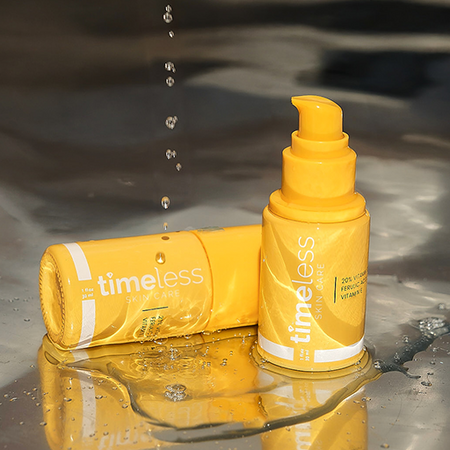
Our product range includes the 20% Vitamin C + E Ferulic Acid Serum, which is listed in the Vitamin C category.Antioxidants can be a useful morning step. An antioxidant serum supports the skin's antioxidant defenses. Vitamin C is one of the most widely researched options for morning use. It helps brighten the look of dullness and uneven tone. -
Hydrating or Peptide Serums
After your antioxidant treatment, apply any additional lightweight hydrators. Hyaluronic acid helps attract, bind, and retain water in the outer layers of the skin. Water-based peptide formulas also fit into this step. Peptides may help support the appearance of firmness over time. -
Eye Cream
The skin around the orbital bone is thin and delicate. Apply a small amount of eye cream by tapping gently with your ring finger. Applying eye cream before your facial moisturizer helps the targeted formula absorb without competing against heavier face creams. -
Moisturizer
A daytime moisturizer helps reduce transepidermal water loss (TEWL). Choose a gel-cream if you have oily skin, or a richer lotion if your skin tends to feel dry. -
Broad-Spectrum Sunscreen
Sunscreen is the final step of every morning skincare routine. Always apply a broad-spectrum sunscreen with SPF 30 or higher every single day, regardless of weather. Apply it liberally to your face, neck, and ears 15 minutes before heading outdoors. Reapply every two hours when exposed to direct sunlight.
Key Takeaway: Never apply serums or moisturizers over your sunscreen. Sunscreen must form an even, uninterrupted film across the surface of the skin to provide proper protection.
Step-by-Step Evening Routine Order
Your nighttime routine allows you to focus on thorough cleansing and richer textures. The evening is also the best time for resurfacing treatments or sensitive actives. For additional layering guidance, read How to Layer Multiple Serums.
-
First Cleanse (Makeup and Sunscreen Removal)
If you wear makeup or water-resistant sunscreen, start with an oil cleanser, cleansing balm, or micellar water. Oil-based cleansers dissolve stubborn surface oils, silicones, and pigments without requiring aggressive scrubbing. -
Second Cleanse
Follow your oil cleanser with a water-based face wash. This ensures that sweat, environmental grime, and leftover makeup are completely removed. A clean surface allows your leave-on treatments to perform as intended. -
Exfoliant or Clarifying Toner (2 to 3 Times Weekly)
Chemical exfoliants like alpha hydroxy acids (AHAs) or beta hydroxy acids (BHAs) sweep away built-up dead surface cells. Limit chemical exfoliation to two or three nights per week to prevent over-stripping the surface. On nights you exfoliate, skip other strong targeted treatments. -
Targeted Treatment Serums
For hydration, our selection offers Hyaluronic Acid 100% Pure in the hydration category.Apply your concentrated nighttime serums in order from thinnest to thickest. This step can include hydrating solutions, peptides, or retinoids. Hyaluronic acid helps support hydration in the upper layers of the epidermis. Hyaluronic acid helps improve the appearance of dehydration lines. -
Eye Cream
Dab your evening eye cream around the orbital area. Evening formulas often focus on rich hydration or peptides to soften the look of tiredness around the eyes. -
Night Moisturizer or Barrier Cream
Finish with a night cream. Evening moisturizers tend to be slightly richer than daytime lotions. A night moisturizer helps reduce moisture loss.
Layering Common Skincare Actives
Understanding how specific ingredients function makes it easy to build a customized sequence without causing visible irritation. Definitions for common skincare ingredients are available in our Ingredient Glossary.
Vitamin C
Vitamin C is a water-soluble antioxidant. In its L-ascorbic acid form, it requires an acidic environment to remain effective. Because of this, it is best applied directly to clean, dry skin right after cleansing or toning.
Vitamin C helps defend against oxidative stress caused by environmental factors such as UV exposure and pollution. Vitamin C helps neutralize free radicals generated by UV exposure. Morning use is most common. If used in the morning, pair vitamin C with broad-spectrum sunscreen. It can also be used in the evening if you prefer.
Hyaluronic Acid
Hyaluronic acid is a humectant, not a moisturizer. Hyaluronic acid helps attract, bind, and retain water in the outer layers of the skin.
Apply hyaluronic acid to slightly damp skin, such as immediately after a hydrating mist. Follow with a moisturizer. A moisturizer helps reduce moisture loss.
Coenzyme Q10
The antioxidant category includes Coenzyme Q10 Serum.
Coenzyme Q10, also known as ubiquinone, is a lipid-soluble antioxidant naturally found in the skin. CoQ10 provides antioxidant support as the skin's natural CoQ10 levels decline with age. CoQ10 helps improve the appearance of fine lines. CoQ10 supports firmer-looking skin. CoQ10 is generally used once daily. If you have vitiligo, check with your dermatologist before using a CoQ10 product.
Peptides
Peptides may help support the appearance of firmness. Peptides pair well with hydrating ingredients like hyaluronic acid and vitamin B5. Vitamin B5 supports the skin barrier and helps the skin retain moisture. Vitamin B5 helps the skin feel more comfortable.
Combining Actives Safely
You do not need to layer every active ingredient in a single session. In fact, alternating your treatments between morning and night, or across different days of the week, often yields the most comfortable experience. The DIY Build Your Kit collection is also available.
| Ingredient | Primary Focus | Best Time of Day | Pairs Well With |
|---|---|---|---|
| Vitamin C | Helps brighten the look of dullness and uneven tone | Morning | Hyaluronic Acid, Vitamin E, Sunscreen |
| Hyaluronic Acid | Helps support hydration in the upper layers of the epidermis | Morning and Evening | Peptides, Vitamin B5, Face Oils |
| CoQ10 | Helps improve the appearance of fine lines | Morning or Evening | Hydrating Serums, Squalane, Moisturizer |
| Exfoliating Acids | Smoothing texture and unclogging pores | Evening (2-3x weekly) | Basic Moisturizers, Hydrating Mists |
How to Adjust Your Routine for Your Skin Type
Every skin type requires a thoughtful approach to layering. Adjusting texture and step count ensures your routine remains practical and comfortable.
Dry Skin
Dry skin lacks natural oils and struggles to maintain surface comfort.
- Focus on rich, nourishing textures and multiple hydrating layers.
- Apply a hydrating mist, followed by a humectant serum, a peptide serum, and a rich moisturizer.
- Adding a lightweight facial oil over your moisturizer at night can provide extra surface comfort.
Oily Skin
Oily skin produces excess sebum but can still experience dehydration in the outer layers.
- Keep your routine lightweight to avoid feeling heavy on the skin.
- Use a gentle gel cleanser, a balancing water-based toner, and a light antioxidant or hydrating serum.
- Choose an oil-free gel moisturizer that hydrates without adding shine.
- Do not skip broad-spectrum sunscreen. Look for lightweight, matte fluid SPF formulas.
Combination Skin
Combination skin features an oily T-zone, including the forehead, nose, and chin, alongside normal or dry cheeks.
- Zone-specific layering works exceptionally well for combination skin.
- Apply lightweight hydrating serums all over the face.
- Use a medium lotion across the entire face, or apply slightly more cream to dry cheeks while keeping the T-zone light.
Sensitive Skin
Sensitive skin tends to react quickly to changes, fragrances, or strong formulations.
- Keep your routine minimal with fewer overall steps.
- Focus on barrier support and gentle humectants.
- Individual reactions vary, so anyone with a known sensitivity or diagnosed skin condition should check with their dermatologist before introducing new active formulas.
Note: If you ever experience redness, stinging, or peeling, scale your routine back to the three foundational basics: a gentle cleanser, a simple moisturizer, and daily broad-spectrum sunscreen.
Realistic Expectations for Skincare Results
Cosmetic changes take time, patience, and daily consistency. Hyaluronic acid helps improve the appearance of dehydration lines. Other cosmetic changes may develop gradually with consistent use.
Skin cells renew over an ongoing cycle that varies from person to person. Changes in the look of uneven tone, firmness, or fine lines may develop gradually with continuous use.
Sticking to a manageable routine every single day is far more beneficial than doing an elaborate ten-step sequence once a week. Give new products time to show their cosmetic value, and avoid switching up your entire collection all at once.
Frequently Asked Questions
How long should I wait between applying skincare steps?
For most products, you do not need to wait long between layers. You can apply the next formula as soon as the previous layer feels absorbed and no longer tacky. The main exception is broad-spectrum sunscreen. Allow your moisturizer to set into the skin for one to two minutes before applying sunscreen so the protective film settles evenly.
Can I mix my serum into my moisturizer to save time?
It is generally better to apply products separately. Mixing serums directly into a cream can alter the formulation balance and dilute the active concentration. Layering thin products first ensures they make direct contact with the skin before being followed with a moisturizer.
Do I really need to wash my face in the morning?
Morning cleansing depends on your skin type. If you have oily skin, a morning cleanse removes overnight oil and sweat. If your skin is very dry or sensitive, rinsing with lukewarm water may be sufficient before applying your toner and morning serums.
What should I do if my products start pilling?
Pilling happens when products ball up into tiny flakes on the skin instead of absorbing. This usually occurs when you apply products too quickly, use too much formula, or layer incompatible silicone and water textures. To prevent pilling, use smaller amounts, pat products into the skin instead of rubbing vigorously, and let each layer settle before applying the next.