Introduction
Building an effective skincare routine involves more than collecting high-quality formulas. The sequence in which you apply your products can affect how they apply to the skin. When applied haphazardly, even well-formulated products may pill or cause unnecessary irritation.
The primary rule of product layering comes down to texture and formulation weight. Applying light, fluid textures first allows them to absorb without fighting through heavy creams. Following with richer emulsions can help keep lighter layers in place. A structured sequence also creates a dependable baseline, making it easier to identify what works for your complexion.
Whether you prefer a minimal three-step lineup or a comprehensive regimen, following a consistent skincare step order helps you get more from every bottle on your shelf. A skincare quiz can help you organize a routine around your preferences.
Quick Answer: Apply your products from thinnest to thickest consistency. Cleanse first, apply watery toners and lightweight serums next, follow with creams, and finish with a broad-spectrum sunscreen in the morning or a facial oil at night.
The Core Rules of Skincare Layering
Layering products correctly relies on basic chemistry. Skincare formulas range from watery liquids to dense, occlusive balms. Understanding how these textures interact helps you arrange any routine with confidence.
Thinnest to Thickest Consistency
The most reliable guideline for product application is moving from the thinnest viscosity to the thickest. Lightweight liquids may absorb rapidly through the skin surface. Heavier creams contain larger molecules, emollients, and occlusives designed to create a conditioning surface layer.
If you apply a rich moisturizer first, a lightweight serum placed on top may not easily reach the skin surface. The heavy lipids can make it harder for water-based treatments to spread evenly. Sticking to a thin-to-thick order helps each layer contact the skin as intended.
Water-Based Before Oil-Based
When layering serums or treatments of similar weights, evaluate the base carrier of the formula. Water-based formulas generally precede oil-based treatments.
Water and oil do not mix naturally. If an oil-based product is applied first, it leaves a hydrophobic film on the skin. Any water-based product applied afterward may pool on the surface and struggle to absorb.
| Step Type | Typical Texture | Carrier Base | Primary Function |
|---|---|---|---|
| Cleanser | Gel, foam, or cream | Water or oil | Removes debris and surface oil |
| Toner / Mist | Water-light liquid | Water | Hydrates surface layers |
| Treatment Serum | Fluid to light gel | Water | Delivers concentrated actives |
| Eye Cream | Light lotion to cream | Water and oil emulsion | Conditions delicate orbital area |
| Moisturizer | Lotion, cream, or balm | Emulsion | Helps reduce moisture loss |
| Facial Oil | Rich liquid | Lipid / oil | Conditions outer surface |
| Sunscreen | Lotion or fluid | Emulsion | Shields against UV radiation |
pH Dependency and Wait Times
Certain active ingredients function best within specific pH ranges. For example, L-ascorbic acid is used in acidic formulations, and pH is one consideration when layering products. Applying a high-pH product immediately over an acidic treatment may alter the local environment on the skin.
You do not need to wait ten minutes between every step. Allowing each layer thirty to sixty seconds to settle may help reduce pilling and support a clean application.
Key Takeaway: Layering from low viscosity to high viscosity helps prevent heavier lipids from blocking the absorption of lighter, water-based actives.


The Morning Skincare Step Order
Daytime routines focus on environmental defense and maintaining surface hydration throughout your daily activities. Exposure to sunlight, pollution, and climate shifts can make a routine that supports the skin barrier useful.
- Cleanser
- Hydrating Toner or Essence
- Targeted Antioxidant Serum
- Eye Cream
- Moisturizer
- Broad-Spectrum Sunscreen
Step 1: Cleanser
Cleansing in the morning clears away overnight oil production, sweat, and residue from evening treatments. A gentle, non-stripping cleanser prepares the skin without leaving it feeling tight or dry.
If your skin leans dry or sensitive, a lukewarm water rinse may be sufficient. Those with oily or combination skin typically benefit from a mild foaming or gel cleanser to remove surface sebum.
Step 2: Hydrating Toner or Essence
Toners have evolved beyond the harsh, alcohol-based formulas of the past. Modern toners and essences are designed to supply water to the upper layers of the epidermis.
Applying a hydrating toner to clean skin preps the surface for serums. It provides a damp foundation, which is especially useful when applying humectant-based products.
Step 3: Targeted Antioxidant Serum
Morning is a common time for an antioxidant serum. A well-formulated antioxidant serum helps defend against oxidative stress caused by environmental factors such as UV exposure and pollution.
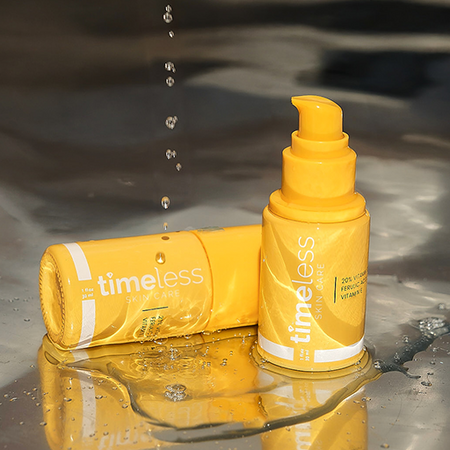
The 20% Vitamin C + E Ferulic Acid Serum is a vitamin C serum. Vitamin C is often included in morning routines because it helps brighten the look of dullness and uneven tone. See the vitamin C collection for vitamin C products. Always pair morning vitamin C use with broad-spectrum sunscreen.
If you choose a peptide serum or a formula with CoQ10, apply it during this step. The Coenzyme Q10 Serum is a CoQ10 serum. CoQ10 provides antioxidant support as the skin's natural CoQ10 levels decline with age. If you have vitiligo, check with your dermatologist before using a CoQ10 product.
Step 4: Eye Cream
An eye cream provides targeted conditioning without placing heavy, pore-clogging formulas too close to the lash line.
Dab a small amount along the orbital bone using your ring finger. Applying eye treatments before your all-over facial moisturizer ensures the delicate skin receives its specific ingredients first.
Step 5: Moisturizer
Moisturizers supply a blend of humectants, emollients, and occlusive agents. This step helps reduce transepidermal water loss (TEWL), the water that evaporates from the skin's surface.
For daytime wear, choose a lotion or gel-cream that absorbs cleanly without leaving a greasy residue. If your skin is oily, you might opt for a lightweight fluid. Drier skin types may prefer a richer cream to maintain surface comfort.
Step 6: Broad-Spectrum Sunscreen
Sunscreen is the mandatory final step of every morning routine. Daily broad-spectrum sunscreen protects against UVA and UVB rays, helping prevent premature signs of aging and serious sun damage.
Apply your sunscreen generously to the face, neck, and ears as the last skincare step before applying makeup. Applying other skincare products on top of your sunscreen can dilute the formula and disrupt its protective film. Reapply every two hours when outdoors.
The Evening Skincare Step Order
Evening routines focus on thorough cleansing, hydration, and comfort. As you rest, your skin is free from external environmental stressors like direct sunlight and pollution.
- First Cleanse (Makeup and Sunscreen Removal)
- Second Cleanse (Water-Based Wash)
- Exfoliator or Clarifying Toner (2 to 3 times weekly)
- Hydrating and Treatment Serums
- Eye Cream
- Moisturizer
- Facial Oil (Optional)
Step 1 and 2: The Double Cleanse
A single wash often fails to break down stubborn waterproof sunscreen, long-wear makeup, and daily grime. Double cleansing can help create a clean canvas without harsh scrubbing.
Begin with an oil-based cleanser, cleansing balm, or micellar water on dry skin. Massage it gently to dissolve lipids, pigments, and sunscreens. Rinse with lukewarm water, then follow with your regular water-based cleanser to remove sweat, residual debris, and surface impurities.
Step 3: Chemical Exfoliator (Periodic)
Exfoliation removes built-up dead skin cells from the skin surface, improving the look of rough texture and uneven tone. Chemical exfoliants like alpha hydroxy acids (AHAs) and beta hydroxy acids (BHAs) are preferable to rough physical scrubs.
Limit exfoliation to two or three nights per week. Over-exfoliating can compromise the skin barrier and lead to redness or flaking. Apply your liquid or gel exfoliant immediately after cleansing, and allow it to dry before proceeding.
Step 4: Hydrating and Treatment Serums
Nighttime is ideal for applying hydrating serums and active ingredients. The Hyaluronic Acid 100% Pure is a hyaluronic acid serum. Hyaluronic acid is a humectant, not a moisturizer. Hyaluronic acid helps attract, bind, and retain water in the outer layers of the skin. Hyaluronic acid helps improve the appearance of dehydration lines.
When using multiple serums, apply the thinnest formula first. How to layer multiple serums provides additional guidance for arranging multiple formulas.
Vitamin B5 supports the skin barrier and helps the skin retain moisture. It helps the skin feel more comfortable.
Peptides may help support the appearance of firmness. If your evening includes Palmitoyl Tripeptide-1, Palmitoyl Tetrapeptide-7, or Palmitoyl Tripeptide-38, you can review ingredient definitions in the ingredient glossary.
Step 5: Eye Cream
The Dark Circle Peptide Complex Eye Cream is an eye cream. Evening eye creams are used as a separate conditioning step before face creams.
Step 6: Moisturizer
Your nighttime moisturizer can be richer than your daytime formula. A conditioning night cream helps reduce moisture loss while you sleep.
Look for formulas rich in ceramides, fatty acids, and squalane. Spread the cream evenly over your face, neck, and décolletage in gentle upward motions.
Step 7: Facial Oil (Optional)
For dry or mature skin, a facial oil may provide an extra layer of nourishment. Plant oils sit at the top of the thickness spectrum.
Press two to three drops of face oil over your moisturizer to soften dry patches and provide emollient support. You may choose to skip this step if you have naturally oily or breakout-prone skin.
Navigating Specific Active Ingredients and Routines
Layering multiple active ingredients requires thoughtful planning. Combining too many potent treatments in a single session can overwhelm the skin and lead to irritation.
How to use: Separate strong actives between morning and evening routines. Use your antioxidant serums during the day with broad-spectrum sunscreen, and reserve chemical exfoliants or retinoids for nighttime use.
Vitamin C Application Details
L-ascorbic acid is water-soluble and is the most researched form of vitamin C. Apply it to clean, bare skin directly after cleansing or water-light toning. Its stability depends heavily on formulation pH, packaging, and exposure to air and light.
Over time, L-ascorbic acid oxidizes gradually. An oxidized serum turns dark amber and loses potency, which may increase the likelihood of irritation for some individuals. Keep your Vitamin C serum tightly closed in an opaque or UV-protected bottle and store it in a cool, dark place. How long a skincare serum with vitamin C and ferulic acid lasts covers related storage considerations.
Peptide and Humectant Layering
Peptides are versatile and layer comfortably with most hydrators. Because peptide serums are generally formulated in water-based gels or fluids, they apply smoothly before moisturizers.
Apply hyaluronic acid to damp skin. Hyaluronic acid helps support hydration in the upper layers of the epidermis. Always follow with a moisturizer to help reduce transepidermal water loss (TEWL).
Managing Skin Sensitivity
Every complexion reacts uniquely to topical formulas. Introducing multiple new products at the exact same time makes it difficult to pinpoint which formula causes a reaction.
If you have a known sensitivity or a diagnosed skin condition, check with your dermatologist before introducing concentrated active serums into your routine. Introduce new steps one at a time, spacing them a few weeks apart to observe how your skin adjusts.
Setting Realistic Expectations for Your Routine
A consistent skincare routine provides visible improvements in skin smoothness, hydration, and clarity, but change takes time.
Hydration changes may be noticeable. Hyaluronic acid helps improve the appearance of dehydration lines.
Changes in the appearance of firmness, skin tone balance, and fine lines may develop with ongoing consistency. An antioxidant serum supports the skin's antioxidant defenses. Vitamin C helps brighten the look of dullness and uneven tone.
Cosmetic changes may take time. Consistent morning and evening habits, paired with daily broad-spectrum sun protection, can support gradual cosmetic improvements.
Frequently Asked Questions
Can I apply my serum after my moisturizer?
Applying a serum after a moisturizer may be less effective for water-based formulas. Moisturizers contain emollients and occlusive ingredients designed to create a conditioning surface layer. This layer may make it harder for thinner, water-based serums to absorb at the skin surface. Apply your lightweight serums first, then follow with moisturizer.
How long should I wait between skincare steps?
You do not need to wait several minutes between every application. For most hydrating toners, serums, and creams, waiting thirty to sixty seconds may help reduce pilling. When applying broad-spectrum sunscreen, let your moisturizer set completely so the sunscreen forms an even, protective film across the skin.
Do I need to use the exact same products morning and night?
Your morning and evening routines serve different purposes and do not need to match. Morning routines focus on environmental defense with antioxidants and broad-spectrum sunscreen. Evening routines prioritize makeup removal, periodic exfoliation, and richer moisturizers to support the skin while you rest.
What should I do if my skincare products start pilling?
Pilling occurs when products fail to absorb and ball up on the surface. This can happen when you apply products out of order, layer silicone-heavy formulas over oil-based products, or apply too much product at once. To help prevent pilling, apply from thinnest to thickest consistency, use smaller amounts, and allow each layer a minute to settle before applying the next.