Introduction
Building an effective daily regimen often comes down to one fundamental concept: applying skincare steps in order. Even when you select high-quality formulas, improper layering can make application less straightforward. Skincare products can differ in physical weight, solubility, and intended target zones across the skin surface.
Understanding how to structure both morning and evening routines eliminates confusion. You do not need an overwhelming ten-step process to maintain healthy skin. A focused routine built around appropriate layering principles can keep the process manageable while supporting the skin barrier.
Timeless Skin Care was founded in 2009 by Veronica Pedersen to focus on simple formulations. Our products are made in the USA in small batches to maintain quality and freshness. In this guide, we break down the principles of application order, explain the differences between day and night care, and provide practical layering structures for different skin types.
Key Takeaway: Proper product layering generally moves from thinnest to thickest texture, with water-based solutions applied before heavier emollient creams or oils.
The Core Principles of Product Layering
The overarching rule of cosmetic formulation sequencing is straightforward: apply products from thinnest consistency to thickest consistency. Water-based products are generally lighter, while heavy creams and facial oils often contain occlusive agents that create a film over the surface.
If you apply a thick moisturizing cream before a light water-based liquid, the lighter product may sit on top, leading to pilling and wasted formula. Applying products in the proper sequence can help each layer spread evenly.
Texture and Base Compatibility
Skincare formulas generally fall into three categories:
- Water-based solutions: Toners, watery essences, and light humectant serums.
- Anhydrous solutions and light emulsions: Lipid-soluble treatments, lightweight facial fluids, and suspension serums.
- Emollient creams and occlusives: Lotions, lipid-rich moisturizers, and facial oils.
Water-based products should generally contact clean skin directly. Once water-soluble ingredients settle into the surface layers, oil-soluble treatments and lipid emulsions follow. The final step in a basic moisturizing routine is generally an emollient or cream that helps reduce transepidermal water loss (TEWL), the water that evaporates from the skin's surface.
Formulation pH and Timing
Certain ingredients require specific acidic environments to remain stable and functional. L-ascorbic acid, for example, is used in an acidic formulation. When applying low-pH active treatments, place them immediately after cleansing on clean, dry skin.
You do not need to pause for extended periods between steps. Once the skin feels dry to the touch rather than wet or sticky, you can proceed to the next formula.
| Product Type | Primary Base | Typical Placement |
|---|---|---|
| Cleanser | Water or Oil Surfactant | Step 1 (AM and PM) |
| Toner or Mist | Water | Step 2 (Directly after cleansing) |
| Water-Based Serum | Water | Step 3 (First treatment layer) |
| Emulsion or Oil-Based Serum | Lipid / Anhydrous | Step 4 (Targeted treatment) |
| Eye Cream | Emulsion | Step 5 (Orbital area) |
| Moisturizer | Water-in-Oil or Oil-in-Water | Step 6 (Surface barrier support) |
| Sunscreen | Chemical or Mineral Dispersion | Step 7 (Final morning step) |


Morning Skincare Steps in Order
Morning skincare centers on daytime readiness and defense. While you sleep, the skin loses water through evaporation and produces sebum. During the day, skin encounters outdoor conditions, sunlight, and airborne debris.
A structured morning sequence brings antioxidant products and sunscreen into the routine. Daytime steps should remain light and breathable under daily activities or makeup.
Step 1: Cleansing
Start your day with a gentle, non-stripping cleanser. Oily and combination skin types may benefit from a mild foaming or gel cleanser to remove overnight sebum. Dry and sensitive skin types can use a gentle cream wash or lukewarm water rinse to refresh the surface without depleting natural lipids.
Step 2: Hydrating Toner or Mist
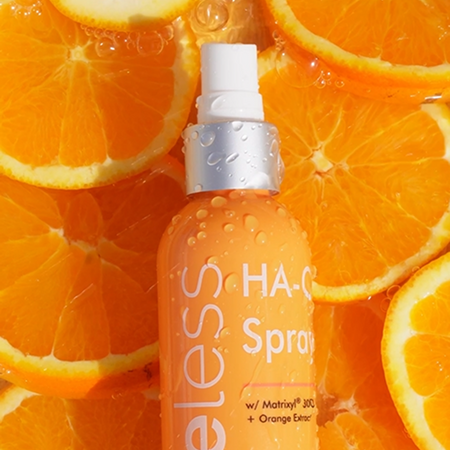
A hydrating toner or mist adds surface moisture after washing. Look for formulas containing humectants rather than alcohol astringents. Sodium hyaluronate is the sodium salt of hyaluronic acid.
Hyaluronic acid helps attract, bind, and retain water in the outer layers of the skin.
Step 3: Vitamin C and Antioxidant Serums
Morning use is a common recommendation for topical vitamin C, and it should always be paired with broad-spectrum sunscreen. L-ascorbic acid is the most researched form of vitamin C. It helps brighten the look of dullness and uneven tone. Vitamin C supports the skin's antioxidant defenses.
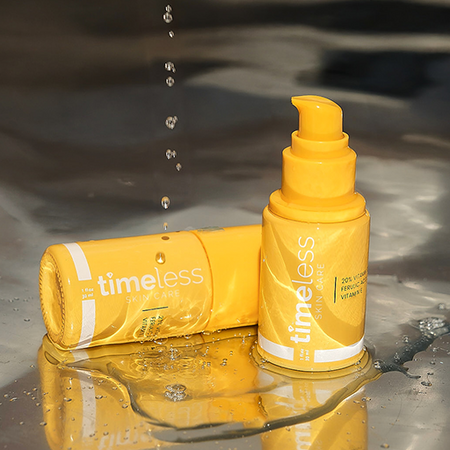
Performance can vary with form, formulation, pH for L-ascorbic acid, stability, and packaging. Because L-ascorbic acid is sensitive to light and air, airtight packaging is important. Oxidation is gradual, and an oxidized serum loses potency over time and may increase the likelihood of irritation for some people. Timeless Skin Care offers the 20% Vitamin C + E Ferulic Acid Serum within its specialized vitamin C category.
Note: Morning use is a common recommendation for vitamin C and should always be paired with broad-spectrum sunscreen. Evening use is also an option depending on personal preference.
Step 4: Hydrating and Peptide Serums
After applying your primary antioxidant, layer targeted water-based serums. Hyaluronic acid helps support hydration in the upper layers of the epidermis. Hydrolyzed hyaluronic acid is hyaluronic acid broken into smaller fragments.
If you choose to use peptide treatments, apply them in this step. Peptides may help support the appearance of firmness. For general hydration needs, Timeless Skin Care features Hyaluronic Acid 100% Pure within its hydration collection.
Step 5: Eye Cream
The skin surrounding the eyes can feel more delicate than the rest of the face. An eye cream provides conditioning for this area without creeping into the eyes. Dab a pea-sized amount along the orbital bone using your ring finger.
Timeless Skin Care includes Dark Circle Peptide Complex Eye Cream in its targeted eye care range.
Step 6: Daily Moisturizer
Moisturizer supports the routine after active serums. A balanced daily lotion contains humectants, emollients, and light occlusives. A moisturizer helps reduce moisture loss throughout the day. Choose a lightweight gel-cream for oily skin or a richer lipid lotion for dry skin types.
Step 7: Broad-Spectrum Sunscreen
Daily broad-spectrum sunscreen is the essential final step of every morning skincare routine. Sunscreen creates a protective shield over the skin to defend against UVA and UVB radiation. UV exposure is a primary contributor to visible premature aging, fine lines, and uneven pigmentation.
Apply an adequate amount of broad-spectrum SPF 30 or higher roughly fifteen minutes before sun exposure. Sunscreen must always be the final skincare product applied; layering moisturizers or oils over sunscreen may dilute the protective film and compromise coverage.
- Gentle Cleanser.
- Hydrating Toner.
- Vitamin C or antioxidant serum.
- Hydrating or peptide serum.
- Eye cream.
- Daily moisturizer.
- Broad-spectrum sunscreen (SPF 30+).
Evening Skincare Steps in Order
While morning routines emphasize protection, nighttime routines focus on thorough cleansing, hydration, and skin comfort. Evening formulas are often richer and can incorporate ingredients that are best kept away from direct daytime sunlight.
Step 1: First Cleanser (Makeup and Sunscreen Removal)
The first evening step removes long-wear makeup, silicones, and water-resistant sunscreen filters. Cleansing oils, lipid-rich balms, or micellar solutions can break down makeup and sunscreen without excessive rubbing. Massage the oil cleanser onto dry skin, emulsify with warm water, and rinse thoroughly.
Step 2: Second Cleanser (Water-Based Wash)
Follow your oil cleanser with a water-based facial cleanser. This second wash removes residual sweat, surface buildup, and water-soluble impurities. This two-step process leaves the skin clear and receptive to treatment products.
Step 3: Chemical Exfoliants (1 to 3 Times Weekly)
Chemical exfoliants such as alpha hydroxy acids, including glycolic or lactic acid, and beta hydroxy acids, including salicylic acid, can help improve the look of uneven texture and dullness.
Limit chemical exfoliation to one to three nights per week. Over-exfoliating can disrupt surface balance and induce redness. On nights when you exfoliate, omit other strong leave-on active treatments to avoid adding too many strong formulas at once.
Step 4: Hydrating Toners and Barrier Serums
Replenish surface moisture after cleansing or exfoliating. Humectants are often used in toners to support surface moisture.
Serums containing Vitamin B5 (calcium pantothenate) fit naturally into this stage. Vitamin B5 supports the skin barrier and helps the skin retain moisture. Vitamin B5 helps the skin feel more comfortable.
Step 5: Nighttime Targeted Treatments and Retinoids
Night can be a suitable time for targeted ingredients such as retinoids or specialized antioxidant compounds. Coenzyme Q10 is a lipid-soluble antioxidant naturally found in skin. CoQ10 provides antioxidant support as the skin's natural CoQ10 levels decline with age. CoQ10 helps improve the appearance of fine lines and supports firmer-looking skin.
CoQ10 is generally used once daily. When using CoQ10, apply it across the face and neck. Never apply CoQ10 products directly under the eyes. If you have vitiligo, check with your dermatologist before using a CoQ10 product.
If you are using retinoids, apply a pea-sized amount across dry skin. Retinoids may help improve the look of fine lines, uneven tone, and rough texture.
Step 6: Nighttime Eye Cream
Apply eye cream in the evening to condition the orbital zone. A night eye formula can support a smoother-looking eye contour.
Step 7: Night Cream and Facial Oils
Finish your evening routine with a nourishing night cream. Evening moisturizers often contain higher proportions of ceramides, fatty acids, and squalane. A nighttime moisturizer helps reduce transepidermal water loss (TEWL), the water that evaporates from the skin's surface during sleep.
If your skin is very dry, you may prefer a few drops of facial oil patted on top of your moisturizer for an extra emollient cushion.
- Oil-based cleanser (or micellar water).
- Water-based gel or cream cleanser.
- Exfoliating toner or liquid (1 to 3 nights weekly).
- Hydrating mist or barrier support serum.
- Targeted treatment (retinoid or CoQ10 serum).
- Nourishing eye cream.
- Night cream and optional facial oil.
Active Ingredients and Formulation Timing
Managing active ingredients requires strategic planning. Applying too many concentrated formulas simultaneously does not accelerate visible results. Combining multiple strong active ingredients can lead to surface irritation and compromise the skin barrier.
Separating Ingredients by Routine
Pairing ingredients thoughtfully can help limit unnecessary sensitivity:
- Vitamin C is commonly used in the morning and should be paired with broad-spectrum sunscreen. Vitamin C helps neutralize free radicals generated by UV exposure.
- Chemical exfoliants (AHAs/BHAs) are often reserved for evening use, alternating nights with other strong treatments.
- Retinoids are often recommended for evening routines due to light sensitivity and their focus on overnight skin turnover.
- Peptides and humectants are versatile building blocks that can be incorporated into both morning and evening routines.
Quick Answer: You do not need to layer every active ingredient in a single session. Alternating strong ingredients between your morning and evening routines can help limit the number of strong formulas used at once.
Addressing Individual Skin Sensitivity
Individual skin reactions vary significantly based on baseline skin type, environmental humidity, and barrier health. One ingredient does not enhance, boost, activate, or improve another ingredient's performance. Instead, ingredients work via their own distinct chemical properties.
If you have a known sensitivity, allergy, or diagnosed skin condition, check with your dermatologist before introducing concentrated active serums into your regimen. Introduce only one new formula at a time, spacing additions so you can evaluate how your skin responds.
Managing Expectations and Skin Changes Over Time
Achieving a balanced complexion requires consistent daily habits rather than overnight transformations. Cosmetic improvements develop gradually over extended periods of regular use.
Hyaluronic acid helps improve the appearance of dehydration lines. Other appearance concerns, such as uneven tone, skin firmness, or expression lines, may require consistent use over time.
Cosmetic results vary from person to person. Factors such as genetics, lifestyle habits, stress, diet, sleep, and consistent sun protection all influence how your skin appears. Adjust your skincare routine seasonally; you may prefer lighter gel hydrators in humid summer months and richer emollient creams during cold winter weather.
Frequently Asked Questions
What is the most important rule when applying skincare steps in order?
The main guideline is to apply products from the thinnest, water-based textures to the thickest, oil-rich formulas. Water cannot easily penetrate heavy oils and waxes. Cleansing first ensures impurities are removed, followed by watery toners, lightweight serums, eye creams, emollient moisturizers, and morning sunscreen.
Can I layer multiple serums during the same routine?
You can layer multiple serums, provided you follow the thinnest-to-thickest rule. Apply light, watery serums before viscous, lipid-rich fluids. However, avoid layering multiple potent exfoliating acids or high-strength treatments in the same session, as this may cause skin sensitivity.
Should facial oil be applied before or after moisturizer?
Facial oil should generally be applied after your water-based moisturizer or mixed directly into it. Oils act as emollients and light occlusives. If applied underneath a water-based lotion, the oil layer may keep the moisturizer's water and humectant ingredients from properly reaching the skin surface.
Do I need to wash my face with a cleanser in the morning?
Cleansing in the morning depends largely on your skin type. Oily skin types may benefit from a gentle water-based cleanser to remove overnight sebum and product residue. Those with very dry or sensitive skin may prefer rinsing with lukewarm water alone to refresh the surface without removing natural lipids.