Introduction
Retinol remains one of the most thoroughly researched ingredients in modern skin care. As a derivative of vitamin A, it helps improve the visible look of uneven texture, dark spots, and surface lines. Because of its potency, knowing where to place it within a daily regimen can affect how your skin responds.
Layering your products correctly helps your skin tolerate active ingredients while keeping surface hydration balanced. When products are applied out of sequence, you may experience unnecessary dryness, flaking, or reduced cosmetic performance.
This guide breaks down the skincare steps in order with retinol, explains how to combine supporting ingredients like humectants and moisturizers, and provides practical advice for building a balanced routine.
Key Takeaway: Retinol is commonly used in an evening routine on clean, dry skin, followed by a moisturizer that helps reduce moisture loss.
Why Layering Retinol in the Right Order Matters
Skincare products follow a simple foundational rule: apply formulations from the thinnest consistency to the thickest consistency. This allows lightweight, water-based solutions to reach the surface before heavier creams and facial oils create an emollient layer.
Retinol is available in several forms, including lightweight water-based serums, emulsion lotions, and rich night creams. Understanding where your specific formula sits in the texture lineup can help you build a manageable routine.
Timing and skin moisture also play important roles during application. Applying retinol to damp skin may increase the chance of visible redness or irritation. Allowing your face to dry completely after cleansing can provide a more controlled, comfortable experience.
| Step Position | Product Type | Primary Role in Routine |
|---|---|---|
| Step 1 | Gentle Cleanser | Clears surface oil, makeup, and daily debris |
| Step 2 | Hydrating Toner or Mist | Adds lightweight water-based hydration |
| Step 3 | Humectant Serum (Optional) | Helps support hydration in the upper layers of the epidermis |
| Step 4 | Retinol Product | Targets the appearance of fine lines and uneven tone |
| Step 5 | Nourishing Moisturizer | Helps reduce transepidermal water loss (TEWL) |
| Step 6 | Facial Oil (Optional) | Provides rich surface emollience for dry skin types |


Step-by-Step Evening Routine: Skincare Steps in Order With Retinol
Retinol is often used at night. An evening regimen provides a consistent window for application.
Follow these numbered steps for a standard nighttime application.
-
Cleanse thoroughly. Start with a gentle, non-stripping facial cleanser. If you wear sunscreen or makeup during the day, you may use an oil-based cleanser first, followed by a water-based gel or cream cleanser. Rinse with lukewarm water.
-
Pat dry and wait. Gently press your face dry with a clean towel. Wait until your skin is completely dry to the touch.
-
Apply a humectant serum (optional). If you use a dedicated humectant, apply it now. Hyaluronic Acid 100% Pure is a product in this category. Hyaluronic acid helps attract, bind, and retain water in the outer layers of the skin. Allow your skin to dry before applying retinol.
-
Apply an eye cream along the orbital bone.
-
Apply a pea-sized amount of retinol. Dispense a small amount onto your fingertips. Dot the product across your forehead, cheeks, and chin. Smooth it outward using gentle motions, avoiding your eyelids, the corners of your nose, and your lips.
-
Allow the treatment to settle. Give the retinol time to settle on the surface of your skin.
-
Finish with your moisturizer. Smooth a layer of night cream over your face and neck. A moisturizer helps reduce transepidermal water loss (TEWL), the water that evaporates from the skin's surface, and helps keep your skin comfortable overnight.
How to use: Use a pea-sized amount of retinol for your entire face. Applying more product does not accelerate cosmetic benefits, but it can increase the likelihood of dryness and flaking.
How to Buffer Retinol for Sensitive Skin
If your skin is prone to sensitivity, or if you are introducing retinol for the first time, buffering offers a practical way to make your routine more comfortable.
There are two primary methods for buffering:
- The Sandwich Method: Apply a lightweight layer of moisturizer first after cleansing. Wait a few minutes for it to dry, apply your retinol, and then follow with a second layer of moisturizer.
- The Mixing Method: Blend a pea-sized drop of retinol directly into a dollop of your evening moisturizer in the palm of your hand before smoothing it across your face.
When your skin feels comfortable with the routine, you can return to applying your retinol directly onto dry skin before your cream.
AM Routine: Ingredients to Pair and Sun Protection
What you do the morning after applying retinol is important. Daily sun protection is especially important while using retinol.
A balanced morning routine focuses on hydration, environmental defense, and sun protection.
-
Cleanse with water or a mild morning wash. You do not need an aggressive cleanser in the morning. A quick splash of water or a mild foaming wash removes nighttime residue.
-
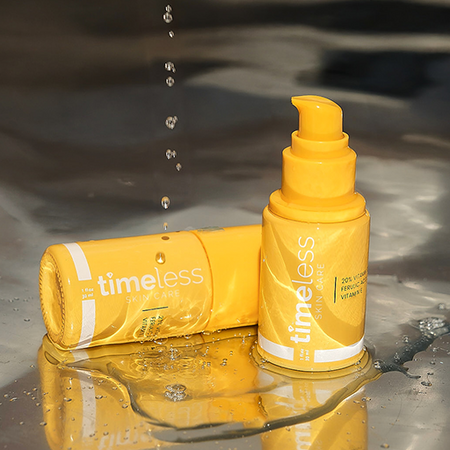
Apply an antioxidant serum. Apply a vitamin C treatment in this step. Examples of vitamin C products include 20% Vitamin C + E Ferulic Acid Serum. A topical antioxidant helps defend against oxidative stress caused by environmental factors such as UV exposure and pollution. Vitamin C also helps brighten the look of dullness and uneven tone.
-
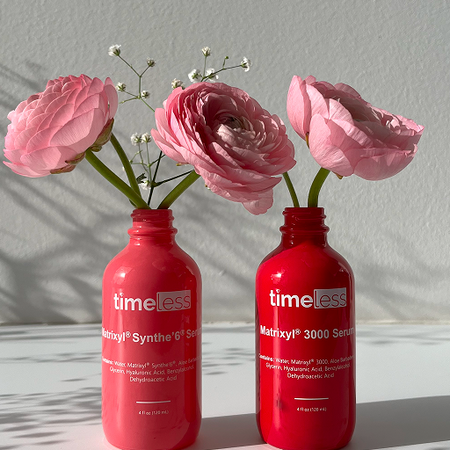
Layer supporting peptides or humectants. Peptides may help support the appearance of firmness. Examples of peptide products include Matrixyl® 3000 Serum.
-
Moisturize as needed. If your daily sunscreen is not hydrating enough on its own, apply a lightweight lotion to keep your skin smooth.
-
Finish with broad-spectrum sunscreen. Apply broad-spectrum sunscreen with an SPF rating of 30 or higher every morning. Daily broad-spectrum sunscreen application is important while using retinol.
Note: While morning use of vitamin C is popular because it supports the skin's antioxidant defenses during daytime hours, keep direct exfoliating acids and strong actives separated from your retinol nights to prevent unnecessary irritation.
Realistic Expectations and Managing the Adjustment Period
Starting a retinoid is a long-term commitment. Cosmetic changes to skin texture, clarity, and tone develop gradually over time rather than overnight.
During the adjustment phase, you may experience mild flaking or temporary dryness. These effects can occur during adjustment but should remain manageable.
To support a steady routine without overwhelming your skin, keep the following principles in mind:
- Frequency over intensity: Start by applying retinol one or two nights per week. If your skin remains calm after two weeks, move to every other night.
- Skip physical scrubs: Avoid harsh facial brushes, walnut scrubs, and high-strength exfoliating acids while your skin adjusts to retinol.
- Hydrate consistently: Hyaluronic acid helps improve the appearance of dehydration lines.
- Listen to your skin: If you notice persistent redness or tightness, reduce your application frequency for a week and focus on moisturizers that help reduce moisture loss.
Individual reactions vary based on genetics, climate, and barrier health. If you have a known sensitivity or diagnosed skin condition, check with your dermatologist before starting a potent active regimen. If you have vitiligo, check with your dermatologist before using a CoQ10 product.
Frequently Asked Questions
Can I use hyaluronic acid and retinol in the same skincare routine?
Yes, hyaluronic acid can be used in the same routine as retinol. Hyaluronic acid is a humectant. It helps attract, bind, and retain water in the outer layers of the skin. You can apply your hyaluronic acid serum before your retinol if you allow the skin to dry completely first, or you can apply a hyaluronic acid formula after your retinol step.
Should I apply retinol before or after my moisturizer?
In a standard routine, apply retinol to dry, cleansed skin before your moisturizer. If your skin is dry, sensitive, or new to retinoids, applying your moisturizer before retinol or using the sandwich technique may offer a gentler buffer.
Can I apply vitamin C and retinol at the same time?
Separating these two ingredients by time of day is a common approach. Use your vitamin C serum in the morning with broad-spectrum sunscreen. It helps defend against oxidative stress caused by environmental factors such as UV exposure and pollution. Reserve your retinol treatment for your nighttime routine.
What should I do if my skin starts peeling or flaking from retinol?
If your skin begins to peel or flake, pause your retinol use temporarily to allow your skin to recover. Focus on gentle cleansing and apply a rich moisturizer that helps reduce moisture loss. When you reintroduce retinol, reduce your frequency to once or twice a week and consider buffering it with your moisturizer until your skin feels comfortable.