Introduction
Building a daily skincare regimen often brings up a simple question: in what order should you apply your products? You might have a cleanser, a hydrator, an antioxidant serum, and a moisturizer sitting on your counter. Using them in a random sequence can make your routine less orderly. When formulas are applied out of sequence, heavier creams may make it less practical to layer lighter liquids comfortably.
The primary goal of a structured routine is to organize products in a consistent sequence. Skincare layering follows physical and chemical principles based on product density, water content, and oil solubility. Understanding the proper skincare steps order can help organize a routine.
Key Takeaway: Applying products from thinnest to thickest consistency allows lighter, water-based formulations to contact the skin before heavier creams or oils.
Whether your routine includes three basic steps or several targeted treatments, the underlying rules remain the same. This guide breaks down the core principles of layering, outlines step-by-step morning and evening sequences, and explains how to organize active ingredients for daily care. For help organizing a personalized routine, visit our skincare quiz.
The Core Rule of Skincare Layering: Texture and Density
A useful guideline for layering skincare is to apply products from thinnest to thickest consistency. Water-based formulas with fluid textures should go on clean skin first. Thicker, oil-rich formulas follow later in the sequence. For more guidance, read about how to layer multiple serums.
Water and oil do not mix easily on the skin. If you apply a rich, lipid-heavy face cream first, layering a lightweight, watery serum afterward may be less practical. Texture is not the only factor. Molecular weight and vehicle formulation also matter. Liquid toners and watery serums spread rapidly and dry down quickly. Emulsions, lotions, and heavier creams may contain occlusive agents. A moisturizer helps reduce transepidermal water loss (TEWL), the water that evaporates from the skin's surface. Moisturizers usually belong near the end of your routine, right before your daily sun protection.
| Product Category | Typical Texture | Routine Placement | Primary Purpose |
|---|---|---|---|
| Cleanser | Gel, foam, cream, or oil | Step 1 (AM & PM) | Clears away dirt, excess sebum, and makeup |
| Toner or Essence | Watery liquid | Step 2 (AM & PM) | Prepares skin and provides light surface hydration |
| Water-Based Serum | Thin liquid or light gel | Step 3 (AM & PM) | Delivers targeted cosmetic ingredients |
| Eye Cream | Light lotion or gel-cream | Step 4 (AM & PM) | Hydrates and conditions the delicate eye area |
| Moisturizer | Lotion, emulsion, or cream | Step 5 (AM & PM) | Helps reduce moisture loss |
| Face Oil | Lipid-rich liquid | Step 6 (PM or dry skin AM) | Softens skin |
| Sunscreen | Mineral or chemical lotion | Final Step (AM only) | Defends against UV rays |
If you use multiple serums with similar fluid consistencies, base your order on your primary visual goal. You can apply the product addressing your main concern first, then follow with additional lightweight layers once the initial product has settled.


Complete Morning Skincare Steps Order
A daytime skincare routine focuses on defense, hydration, and comfort. During the day, your skin encounters ambient dust, changing humidity levels, and ultraviolet radiation. Your morning steps should prepare your complexion for these environmental variables while maintaining a fresh appearance.
How to use: Apply your morning products starting with a water-based wash, moving through watery serums, and finishing with broad-spectrum sunscreen as your final step before makeup.
-
Cleanser
Start by washing your face with lukewarm water and a gentle cleanser. A morning cleanse removes overnight oil, sweat, and residue from nighttime creams. If your skin feels particularly dry upon waking, rinsing thoroughly with water alone may be sufficient for your needs. -
Hydrating Toner or Mist
Applying a fluid toner or mist right after cleansing dampens the skin surface. This step helps support hydration in the upper layers of the epidermis and prepares the skin to receive subsequent leave-on products. Pat the liquid gently over your face and neck rather than rubbing aggressively. -
Antioxidant and Hydrating Serums
Morning is a common time to use formulas that provide environmental defense. An antioxidant serum helps defend against oxidative stress caused by environmental factors such as UV exposure and pollution. Vitamin C is often used in the morning because it helps brighten the look of dullness and uneven tone. The vitamin C collection includes options for this routine step.
If you also use a humectant serum, such as one containing hyaluronic acid, apply it during this step. Hyaluronic acid is a humectant, not a moisturizer. It helps attract, bind, and retain water in the outer layers of the skin. When using a water-soluble vitamin C alongside a hyaluronic acid serum, apply the lighter vitamin C first, let it absorb for a moment, and then layer your hydrating serum. -
Eye Cream
The skin surrounding the orbital bone is thinner than the rest of the face. A targeted eye cream provides focused hydration to this area. Using your ring finger, gently tap a small amount along the orbital bone, avoiding direct contact with the eyelids and inner corners of the eyes. Timeless Skin Care’s eye creams provide a dedicated category for this routine step. -
Daytime Moisturizer
Apply a lightweight cream or lotion to your entire face and neck. A moisturizer helps reduce moisture loss throughout the day and keeps the skin feeling soft. Look for formulas containing ceramides, glycerin, or fatty acids to maintain comfort without feeling greasy under daytime conditions. -
Broad-Spectrum Sunscreen
Sunscreen is the final step of every morning skincare routine. Use a broad-spectrum formula with an SPF rating of 30 or higher to shield your skin from UVA and UVB radiation. Never mix your sunscreen directly into your moisturizer or serum, as diluting the formula can compromise its protective film. Allow your moisturizer to settle for a minute or two, then apply sunscreen generously over your entire face, neck, and ears.
Complete Evening Skincare Steps Order
Your evening routine prioritizes thorough cleansing, moisture support, and visual texture refinement. At the end of the day, removing accumulated debris, makeup, and sunscreen can be useful before applying richer leave-on treatments.
-
First Cleanse (Makeup and Sunscreen Removal)
If you wear makeup or water-resistant sunscreen, an oil-based cleanser, cleansing balm, or micellar water can serve as an effective first step. Oil-based cleansers break down surface lipids, sebum, and stubborn pigments without excessive friction. Massage the oil cleanser onto dry skin, emulsify with a small amount of warm water, and rinse thoroughly. -
Second Cleanse (Water-Based Wash)
Follow your first cleanse with a gentle, water-based gel or cream cleanser. This second wash removes remaining surface impurities, sweat, and residue, leaving the skin clean and ready for treatment products. -
Exfoliation or Clarifying Toner (1 to 3 Times Weekly)
Chemical exfoliants containing alpha hydroxy acids, like glycolic or lactic acid, or beta hydroxy acids, like salicylic acid, help remove dead skin cell buildup from the surface. Because frequent exfoliation can lead to irritation, limit this step to a few evenings per week rather than daily use. Avoid applying strong exfoliants on the same night you use other potent active treatments. -
Targeted Treatment Serums
Nighttime can be an opportunity to focus on texture, elasticity, and visible firmness. Peptides are popular evening ingredients that may help support the appearance of firmness. Other options include CoQ10, which provides antioxidant support as the skin's natural CoQ10 levels decline with age, or vitamin B5, which supports the skin barrier and helps the skin retain moisture. Layer your chosen serums from the most watery texture to the slightly more viscous gel or lotion textures. -
Night Moisturizer or Rich Cream
Evening moisturizers are often richer than daytime lotions. Applying a nourishing cream helps reduce transepidermal water loss (TEWL), the water that evaporates from the skin's surface, while you rest. Smooth the cream evenly over your face, neck, and chest. -
Facial Oil (Optional Final Step)
For individuals with very dry skin or those living in arid climates, a plant oil or squalane can be layered as the final step over your evening moisturizer. A few drops of face oil pressed gently onto the skin can soften dry, flaky areas overnight.
How to Pair Active Ingredients Without Overloading the Skin
Combining multiple concentrated ingredients requires a balanced approach. While layering allows you to address several cosmetic goals at once, using too many strong products in a single session may be uncomfortable.
Morning Routine
- Cleanse.
- Tone.
- Apply vitamin C serum.
- Apply eye cream.
- Apply moisturizer.
- Apply sunscreen.
Evening Routine
- Double cleanse.
- Apply peptide or humectant serum.
- Apply eye cream.
- Apply night cream.
Understanding how different ingredients function helps you organize them across your weekly schedule:
- Vitamin C (L-Ascorbic Acid): Water-soluble antioxidant that is sensitive to air, light, and heat. Formulation, pH, packaging, and stability affect performance. Morning use is common because it helps defend against oxidative stress caused by environmental factors such as UV exposure and pollution, but it can also be used in the evening.
- Hyaluronic Acid and Sodium Hyaluronate: Sodium hyaluronate is the sodium salt of hyaluronic acid, while hydrolyzed hyaluronic acid consists of smaller molecular fragments. These ingredients help attract, bind, and retain water in the outer layers of the skin. They can be used in both morning and evening routines.
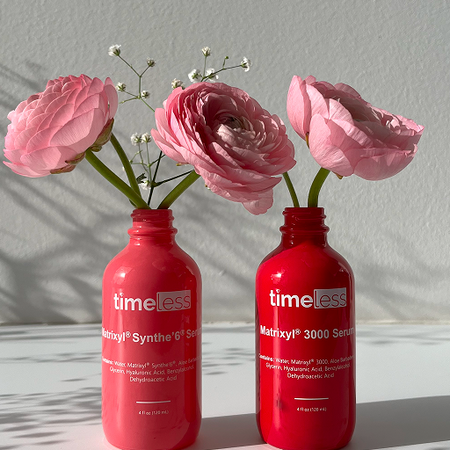
- Peptides: Ingredients like Matrixyl 3000, a combination of Palmitoyl Tripeptide-1 and Palmitoyl Tetrapeptide-7, or Matrixyl Synthe'6, Palmitoyl Tripeptide-38, may help support the appearance of firmness. They can be used morning or night. Learn more in the comparison of Matrixyl Synthe'6 and Matrixyl 3000.
- Coenzyme Q10 (Ubiquinone): A lipid-soluble antioxidant naturally found in skin that provides antioxidant support as the skin's natural CoQ10 levels decline with age. CoQ10 is generally used once daily on the face and neck. If you have vitiligo, check with your dermatologist before using a CoQ10 product.
- Vitamin B5 (Calcium Pantothenate): Supports the skin barrier and helps the skin retain moisture. It helps the skin feel more comfortable. See the discussion of vitamin B5.
Note: Individual reactions vary. Anyone with a known sensitivity or diagnosed skin condition should check with their dermatologist before combining multiple concentrated formulas.
When introducing a new ingredient into your routine, integrate one product at a time. Using a single new formula before adding another allows you to observe how your skin responds.
Realistic Expectations for Visible Changes
Building a consistent skincare routine takes patience. Cosmetic products can support the appearance of texture, tone, and hydration over time, but they do not produce permanent alterations overnight.
Surface hydration can often be felt quickly. A humectant helps improve the appearance of dehydration lines. Visible changes in tone, dark spot brightness, and firm-looking contours can develop gradually.
Consistency in your routine order can make a routine easier to maintain than a lengthy product list. A simple, well-ordered routine applied regularly may be easier to maintain than an irregular 10-step regimen used only occasionally.
Timeless Skin Care was founded in 2009 by Veronica Pedersen with a commitment to straightforward formulations and accessible skincare education. In keeping with this practical philosophy, all products from Timeless Skin Care are cruelty-free and designed to fit easily into a structured daily routine. Learn more on the About page.
If you are looking to navigate specific product categories for your routine steps:
- In the vitamin C category, Timeless Skin Care offers 20% Vitamin C + E Ferulic Acid Serum.
- In the peptide category, Matrixyl® 3000 Serum is an available option.
- In the hydration category, Hyaluronic Acid 100% Pure represents another option.
Focus on maintaining a gentle cleansing step, targeted serum application, steady moisturization, and daily broad-spectrum sun protection. Paying attention to how your skin feels each day will help you fine-tune your regimen over time.
Frequently Asked Questions
How long should I wait between applying skincare steps?
For most hydrating toners, serums, and moisturizers, you do not need an extended waiting period. You can apply the next step as soon as the previous layer has absorbed and feels set on your skin. When applying broad-spectrum sunscreen in the morning, let your moisturizer fully absorb before smoothing the sunscreen over your face to ensure even coverage.
Can I use the same moisturizer for both morning and night?
Yes, a simple, well-formulated moisturizer that suits your skin type can be used in both your morning and evening routines. Some people prefer a lighter lotion or gel-cream under their daytime sunscreen to prevent excess shine, choosing a slightly richer cream at night to support overnight comfort and reduce moisture loss.
Where do spot treatments fit into the skincare steps order?
Spot treatments for blemishes should generally be applied after cleansing and toning, directly onto the targeted area of clean skin. Applying the treatment before heavy moisturizers allows the formula to contact the skin directly. Allow the spot treatment to dry down before gently smoothing your moisturizer over the rest of your face.
Do I need to wash my face with cleanser twice a day?
Washing your face at night is important to remove makeup, sunscreen, pollution particles, and daily sebum accumulation. In the morning, a full cleanse with a water-based face wash helps remove overnight oils. However, if you have dry or sensitive skin, rinsing your face thoroughly with lukewarm water in the morning may be sufficient before proceeding with your toner, serums, and sunscreen.