Introduction
Layering skincare products in a consistent order may help each formula spread evenly across the skin. Thick creams may make it harder for lighter liquids to spread evenly when applied first. A thoughtful application sequence can help you use each product comfortably.
Building an effective regimen does not require a dozen steps. A core routine relies on basic principles of formulation weight, vehicle type, and daily skin needs. Understanding how water-based serums, lipid-based creams, and sun protection fit together allows you to customize your routine with confidence.
Founded in 2009 by Veronica Pedersen, Timeless Skin Care keeps daily routines straightforward and practical.
Key Takeaway: Apply products from the thinnest texture to the thickest texture, finishing with daily broad-spectrum sunscreen in the morning.
The Core Principle: Layering by Texture and Vehicle
To decide where a product belongs in your sequence, look at its physical consistency and base formulation. Skincare products generally fall along a spectrum from watery liquids to dense, occlusive creams and oils.
Light, water-based solutions spread easily across clean skin. If you apply a dense oil or heavy cream first, it may make it harder for lighter, water-based products to spread evenly across the skin.
Markdown tables help clarify how different vehicle types fit into a routine:
| Product Texture | Vehicle Base | Routine Placement | Primary Function |
|---|---|---|---|
| Liquid / Mist | Water | Immediately after cleansing | Balances and prepares surface hydration |
| Fluid / Gel Serum | Water or light glycol | Before creams and lotions | Delivers concentrated active ingredients |
| Lotion / Cream | Emulsion (water and oil) | After serums | Softens skin and provides moisture retention |
| Facial Oil | Lipid | After or mixed with moisturizer | Softens surface and adds emollience |
| Mineral / Chemical SPF | Emulsion suspension | Final morning step | Defends against UV rays |
Water and oil naturally separate. Layering skincare products correctly allows water-rich solutions before rich emulsions so each layer can settle properly. Moving from low viscosity to high viscosity may help reduce unwanted pilling.


The Step-by-Step Morning Skincare Routine
Your morning regimen focuses on surface hydration and environmental defense. During the day, your skin encounters ultraviolet radiation, ambient dust, and dry air. The morning sequence prepares your skin for these daily conditions.
-
Gentle Cleanser
Start by washing your face with lukewarm water and a gentle, non-stripping cleanser. A mild wash removes nighttime sebum, sweat, and residual evening products. If your skin feels particularly dry upon waking, a simple splash of cool water may suffice. -
Hydrating Toner or Water-Based Mist
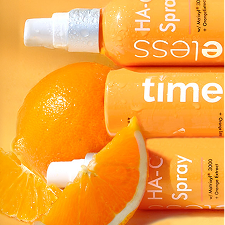
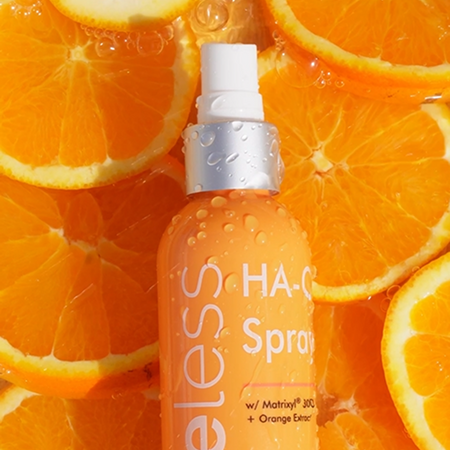
A hydrating mist provides an initial layer of water to the skin surface. Humectants like hyaluronic acid perform well when applied to slightly damp skin. Hyaluronic acid helps attract, bind, and retain water in the outer layers of the skin. This step helps support hydration in the upper layers of the epidermis before heavier products follow. -
Daytime Antioxidant Treatment
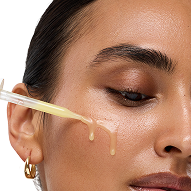
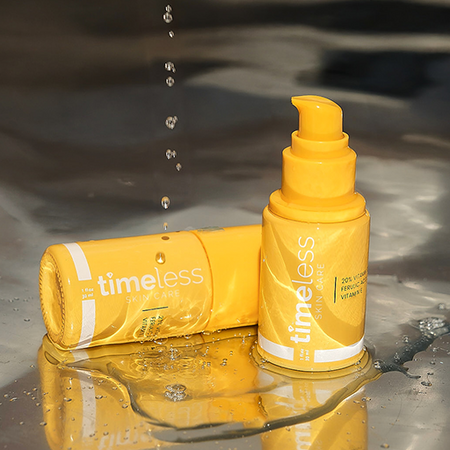
The 20% Vitamin C + E Ferulic Acid Serum is a Vitamin C serum. Morning application is a common approach for topical antioxidants. Vitamin C is a popular choice for this step. Vitamin C helps brighten the look of dullness and uneven tone. It also helps defend against oxidative stress caused by environmental factors such as UV exposure and pollution. -
Targeted Peptide or Lightweight Support Serum
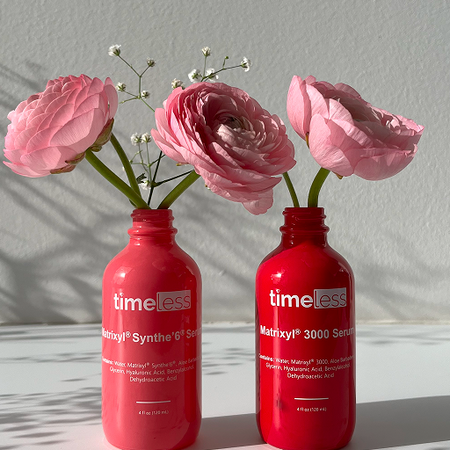
The Matrixyl® 3000 Serum collection and Matrixyl® 3000 Serum are peptide-serum references. If you use multiple serums, apply the thinnest formula first. Peptides are amino acid chains that may help support the appearance of firmness. -
Eye Cream
The Dark Circle Peptide Complex Eye Cream is an eye cream. The skin around the orbital bone is delicate and contains fewer oil glands than the rest of the face. An eye cream can help soften this area without migrating into the eyes. -
Daytime Moisturizer
A lightweight lotion or gel cream supports daytime hydration. Emollients and barrier-supporting agents can help keep the skin surface smooth throughout your daily activities. A daytime moisturizer helps reduce moisture loss while keeping the skin comfortable under makeup or daily wear. -
Broad-Spectrum Sunscreen
Daily broad-spectrum sunscreen is the essential final step of every morning skincare routine. Apply an adequate amount to your face, neck, and ears at least fifteen minutes before sun exposure. Sunscreen should sit as the outermost layer on your skin. Applying serums or moisturizers over sunscreen may disturb its protective film and reduce its ability to shield your skin from UV radiation.
Note: Morning antioxidant use should always be paired with a daily broad-spectrum sunscreen rated SPF 30 or higher for daily sun protection.
The Step-by-Step Evening Skincare Routine
Nighttime is often a useful window to cleanse away the residue of the day and apply richer textures. Your evening routine focuses on cleansing, surface conditioning, and barrier support.
-
Makeup Removal and First Cleanse
If you wear makeup or water-resistant sunscreen, begin with an oil cleanser, cleansing balm, or micellar water. These formulas can help break down surface oils, pigments, and stubborn sunscreens without harsh scrubbing. Massage the product across dry skin, then rinse with lukewarm water. -
Water-Based Second Cleanse
Follow with a gentle, water-based cleanser to lift away remaining sweat, debris, and cleanser residue. This double-cleansing process helps leave your skin surface clean and ready for your evening treatments. Avoid aggressive scrubbing tools that can disrupt the skin barrier. -
Exfoliating Acids or Retinoids
Nighttime is a common time to apply chemical exfoliants like alpha hydroxy acids (AHAs) or retinoids. These ingredients may help improve the appearance of rough texture. Because these ingredients can increase skin sensitivity to sunlight, keep them in your PM routine. Never combine strong exfoliating acids and retinoids in the exact same evening application unless advised by a professional. -
Hydrating and Barrier-Supporting Serums
Evening serums support surface moisture and add hydrating care. Vitamin B5 supports the skin barrier and helps the skin retain moisture. It also helps the skin feel more comfortable after exposure to harsh weather or active ingredients. Hyaluronic acid helps improve the appearance of dehydration lines. -
Night Cream or Rich Moisturizer
Evening is the time to reach for slightly heavier creams. A richer moisturizer can support a comfortable skin feel while you rest. A rich moisturizer helps reduce transepidermal water loss (TEWL), the water that evaporates from the skin's surface during the night. -
Optional Facial Oil
For individuals with dry skin, a few drops of plant oil can be pressed over your moisturizer. Oils add emollience and soften dry, flaky patches. Those with oily or breakout-prone skin may choose to skip facial oils entirely to avoid excess heaviness.
Managing Active Ingredients and Special Steps
Layering multiple active ingredients requires balance. Combining too many potent products in a single application may contribute to redness or surface peeling.
Understanding Antioxidants and CoQ10
An antioxidant helps neutralize free radicals generated by UV exposure. Coenzyme Q10 is a lipid-soluble antioxidant naturally found in the skin that provides antioxidant support as the skin's natural CoQ10 levels decline with age. It helps improve the appearance of fine lines and supports firmer-looking skin.
CoQ10 is generally used once daily in either the morning or evening. It should not be applied under the eyes. If you have vitiligo, check with your dermatologist before using a CoQ10 product.
Working with Vitamin C Formulations
L-ascorbic acid is the most researched form, not automatically the best form. Its performance depends heavily on formulation quality, stability, packaging, and an acidic pH balance. Vitamin C oxidizes gradually when exposed to air, light, and heat. An oxidized serum changes color to dark amber, loses potency over time, and may increase the likelihood of irritation for some people.
Store your Vitamin C in a cool, dark location to prolong its freshness. While morning application provides antioxidant support during daylight hours, evening application remains a valid personal choice.
Safe Ingredient Combinations
When structuring your routine, keep these ingredient interaction guidelines in mind:
- Alternate nights when using strong direct acids, such as glycolic or salicylic acid, and retinoids.
- Hyaluronic acid helps support hydration in the upper layers of the epidermis.
- Vitamin B5 supports the skin barrier and helps the skin retain moisture.
- Let lightweight serums absorb for thirty to sixty seconds before applying thicker creams to minimize pilling.
- Introduce only one new active ingredient at a time to monitor your skin's response clearly.
Individual reactions vary with active ingredients. Anyone with a known sensitivity or diagnosed skin condition should check with their dermatologist before introducing new concentrated treatments.
Realistic Expectations and Building Consistency
Skincare products do not transform your appearance overnight. Visible cosmetic results require patience, regular application, and steady consistency.
Hyaluronic acid helps attract, bind, and retain water in the outer layers of the skin. This may support a smoother-looking surface. Cosmetic changes in radiance, tone, firmness, and fine-line appearance can take longer to become noticeable.
Expectations must remain grounded:
- Surface hydration and softness may become noticeable with consistent moisturizer use.
- Improvements in visible radiance, tone clarity, and fine-line appearance develop gradually with sustained daily care.
- Skipping sunscreen can undermine cosmetic improvements supported by your serums and treatments.
- A simple routine followed consistently may be easier to maintain than an intricate ten-step regimen practiced irregularly.
Listen to your skin. If your face feels tight, looks red, or stings during product application, scale back to a basic routine of cleanser, simple moisturizer, and broad-spectrum sunscreen until your skin feels comfortable again.
Frequently Asked Questions
What is the most important step in a morning skincare routine?
The most important step in any morning routine is a broad-spectrum sunscreen. Sunscreen shields the skin from ultraviolet radiation that contributes to premature visual aging, dark spots, and moisture loss. Serums and moisturizers support skin texture, while daily sunscreen supports consistent sun protection.
How long should I wait between applying skincare layers?
Most products do not require long waiting periods between steps. Water-based toners and serums can be applied in quick succession once the liquid has spread evenly over the skin. Allow your moisturizer a minute to settle before applying your broad-spectrum sunscreen so the sunscreen can form an even, uninterrupted protective film.
Can I use the same moisturizer for both morning and night?
Yes, a gentle, fragrance-free moisturizer can serve both morning and evening needs. However, ensure that your daytime moisturizer is followed by a standalone broad-spectrum sunscreen. At night, some people prefer a richer cream to help reduce transepidermal water loss (TEWL), the water that evaporates from the skin's surface while sleeping.
Where do spot treatments go in my skincare routine?
Spot treatments for blemishes are best applied directly onto clean skin before heavy moisturizers, or immediately after your lightweight serums have absorbed. Applying a spot treatment over thick creams or facial oils can prevent the targeted ingredients from making direct contact with the blemish. Always read the specific product label for manufacturer guidance.