Introduction
Building an effective skincare regimen involves more than simply selecting quality formulations. The sequence in which you apply each product can affect how products layer on your skin. When products are applied out of sequence, heavier textures may make lighter formulas less comfortable to layer.
Skincare does not need to be complicated to deliver visible improvements. Whether your routine contains three steps or six, understanding the logic behind layering allows you to target specific concerns efficiently.
This guide breaks down the fundamental rules of product order for both morning and evening routines. You will learn how textures behave, how active ingredients fit into each step, and how to build a routine tailored to your individual skin goals.
The Core Principle: Why Skincare Layering Order Matters
A common approach to applying skincare is to layer products from thinnest to thickest consistency. This means starting with water-light liquids and finishing with denser creams or oils.
Skincare formulas use different carrier bases. Water-based treatments, like toners and lightweight serums, are often lighter in texture. Cream-based moisturizers and facial oils are richer and tend to remain on the surface. If you apply a rich cream first, a water-based serum applied on top may not layer as evenly.
Key Takeaway: Applying products from thinnest to thickest texture can help lightweight, water-based ingredients layer before heavier formulas settle on the surface.
Beyond texture, timing and skin function also dictate your steps. Morning routines emphasize environmental defense, while evening routines focus on cleansing away daily buildup and providing overnight hydration. Following a structured order can help each step fit comfortably into the routine.


The Ideal Morning Skincare Order
Your morning routine prepares your complexion for the day ahead. Daytime application focuses on refreshing the skin, supplying antioxidant support, and establishing reliable sun defense.
Here is the recommended step-by-step morning sequence:
- Cleanser
- Water-based toner or hydrating mist
- Targeted treatment serum
- Eye cream
- Daytime moisturizer
- Broad-spectrum sunscreen
Step 1: Cleanser
A gentle morning cleanse washes away overnight sweat, surface sebum, and residual evening products. Use lukewarm water and a mild, non-stripping face wash. If your skin feels particularly dry upon waking, a simple splash of water may be sufficient.
Step 2: Toner or Hydrating Mist
Toners can add lightweight hydration following cleansing. Applying a hydrating liquid gives the skin a light layer before subsequent treatments. Pat the liquid gently over your face and neck rather than rubbing aggressively with a cotton pad.
Step 3: Targeted Serum
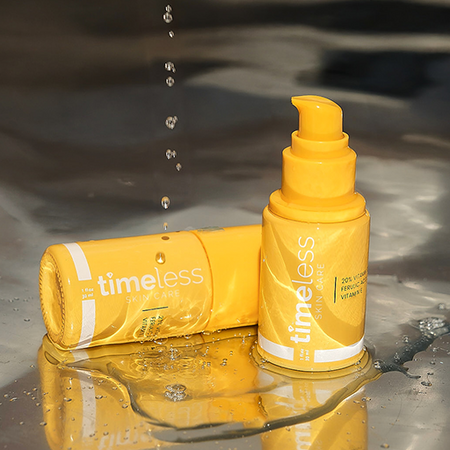
The 20% Vitamin C + E Ferulic Acid Serum is a serum.
Serums contain concentrated ingredients designed to address specific aesthetic concerns, such as uneven tone or fine lines. In the morning, antioxidant formulations are commonly used.
Antioxidants such as Vitamin C help defend against oxidative stress caused by environmental factors such as UV exposure and pollution. Vitamin C also helps brighten the look of dullness and uneven tone. L-ascorbic acid is the most researched form of Vitamin C. Morning Vitamin C use should always be paired with broad-spectrum sunscreen.
If you are using a humectant serum containing hyaluronic acid, applying it to slightly damp skin helps attract, bind, and retain water in the outer layers of the skin. Sodium hyaluronate is the sodium salt of hyaluronic acid. Hyaluronic acid helps support hydration in the upper layers of the epidermis. It helps improve the appearance of dehydration lines.
Step 4: Eye Cream
The skin surrounding the eyes is delicate and often displays early signs of fatigue or dryness. Applying eye cream before your facial moisturizer keeps it ahead of thicker face creams. Gently tap a small amount around the orbital bone using your ring finger.
Step 5: Daytime Moisturizer
A daily moisturizer helps reduce transepidermal water loss (TEWL), the water that evaporates from the skin's surface. Choose a texture that matches your skin type, such as a lightweight gel-cream for oily complexions or a richer lotion for drier skin. This layer softens the surface and helps reduce moisture loss throughout the day.
Step 6: Broad-Spectrum Sunscreen
Daily broad-spectrum sunscreen is an essential final step in every morning routine. Sunscreen creates a protective shield on the surface of the skin to block ultraviolet radiation.
Note: Always apply broad-spectrum sunscreen as the final step of your skincare routine, at least 15 minutes before sun exposure, even on cloudy days.
Never mix your sunscreen directly into your moisturizer or foundation, as diluting the formula compromises its protective rating. Allow your moisturizer to absorb before applying your SPF generously across the face, neck, and ears.
The Ideal Evening Skincare Order
Nighttime is when your skin rests from daytime environmental exposure. An evening regimen focuses on thorough cleansing, barrier replenishment, and richer hydration.
Follow this sequence for your evening routine:
- Makeup remover or oil cleanser (first cleanse)
- Water-based cleanser (second cleanse)
- Exfoliant or toner
- Treatment serums or retinoids
- Eye cream
- Night moisturizer or barrier cream
- Facial oil (optional)
Step 1 and Step 2: Double Cleansing
If you wear makeup or water-resistant sunscreen, double cleansing can help remove makeup and water-resistant sunscreen.
Start with an oil-based cleanser or cleansing balm applied to dry skin. This first step dissolves surface sebum, long-wear cosmetics, and sunscreen filters. Rinse thoroughly with lukewarm water.
Follow immediately with a gentle water-based cleanser to remove sweat, ambient grime, and any remaining residue. Clean skin provides a clean surface for evening serums and creams.
Step 3: Exfoliant or Balancing Toner
Chemical exfoliants containing alpha hydroxy acids (AHAs) or beta hydroxy acids (BHAs) help remove built-up dead skin cells. This step can improve surface texture and clarify congested pores.
Limit exfoliating treatments to two or three nights per week to avoid compromising your moisture barrier. On non-exfoliating nights, you can use a hydrating toner instead.
Step 4: Evening Treatment Serums
The Hyaluronic Acid 100% Pure is a serum.
The serum step in the evening is ideal for peptides or targeted hydrating agents. Peptides may help support the appearance of firmness.
If you use Vitamin B5 in your routine, it supports the skin barrier and helps the skin retain moisture. It helps the skin feel more comfortable.
CoQ10 is generally used once daily. When incorporating Coenzyme Q10 (CoQ10), remember that it provides antioxidant support as the skin's natural CoQ10 levels decline with age. It helps improve the appearance of fine lines. It supports firmer-looking skin. Never apply CoQ10 products directly under the eyes. If you have vitiligo, check with your dermatologist before using a CoQ10 product.
Step 5: Eye Cream
The Dark Circle Peptide Complex Eye Cream is an eye cream.
Applying an eye treatment at night delivers targeted hydration to the eye contour while you sleep. When using an eye treatment, pat the formula gently along the orbital bone, avoiding direct contact with the eyelids or waterline.
Step 6: Night Moisturizer
Evening moisturizers are often slightly richer than daytime lotions. A night cream helps reduce transepidermal water loss (TEWL), the water that evaporates from the skin's surface overnight. Look for formulas containing ceramides, fatty acids, or cholesterol.
Step 7: Facial Oil (Optional)
For individuals with dry skin, a facial oil can serve as the final step. Oils are lipid-based and have large molecular sizes. Applying a few drops over your moisturizer helps reduce moisture loss during sleep.
| Step | Morning Focus | Evening Focus |
|---|---|---|
| Step 1 | Gentle water-based cleanse | Double cleanse (oil + water cleanser) |
| Step 2 | Hydrating mist or balancing toner | Exfoliating acid or hydrating toner |
| Step 3 | Antioxidant serum (Vitamin C) | Targeted serum (peptides, B5) |
| Step 4 | Lightweight eye gel or cream | Richer eye treatment |
| Step 5 | Daytime moisturizer | Nourishing night cream |
| Step 6 | Broad-spectrum sunscreen | Facial oil (optional) |
How to Layer Active Ingredients and Serums
When incorporating multiple serums into a single routine, the order of application requires careful attention to ingredient compatibility and formula weight.
Thinnest to Thickest Formula
If you are using two serums in the same routine, compare their physical weights. Apply the more liquid, watery serum first. Allow it to absorb for 30 to 60 seconds until the skin feels slightly tacky or dry, then apply the thicker, more viscous serum.
Managing pH-Dependent Actives
Some formulas use specific pH environments. When using an acidic serum, apply it immediately after cleansing onto dry skin. Give the formula a moment to settle before applying hydrators like hyaluronic acid.
Alternating Mornings and Evenings
You do not need to apply every active ingredient at the same time. Separating ingredients between your morning and evening routines can help avoid sensory overload on the skin and keep your routine manageable.
- Morning: Dedicate this window to antioxidant serums and broad-spectrum sunscreen.
- Evening: Reserve this window for exfoliating acids, retinoids, or peptide complexes.
Spreading strong active ingredients between morning and evening applications can help maintain skin comfort and keep your routine manageable.
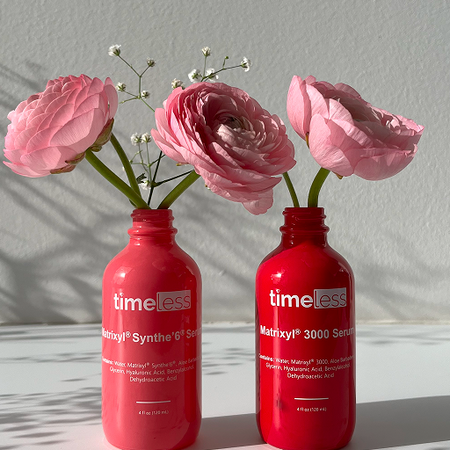
Timeless Skin Care was founded in 2009 by Veronica Pedersen. Layering uncomplicated products in a structured sequence can help keep a routine manageable.
Setting Realistic Expectations for Your Routine
Achieving visible improvements in skin tone, hydration, and texture requires patience and consistency. Skincare products support the appearance of the skin gradually over time rather than delivering instant changes.
Cosmetic formulations work within the uppermost layers of the epidermis. Hyaluronic acid helps support hydration in the upper layers of the epidermis. It helps improve the appearance of dehydration lines. Changes in the look of skin firmness, tone, and fine lines may take consistent application.
Individual reactions and timelines vary based on genetics, age, environmental exposure, and overall skin health. If you have a diagnosed skin condition or a known history of sensitivity, check with your dermatologist before introducing new active formulas into your routine. Consistent daily application and sun defense remain the foundation of any successful regimen.
Frequently Asked Questions
Can I apply my facial oil before my serum?
Generally, no. Apply water-based products first, followed by creams, and finish with facial oils. Applying an oil first may leave water-based serums sitting on the surface.
How long should I wait between skincare steps?
Most skincare steps do not require long waiting periods. You can apply the next product as soon as the previous layer feels absorbed and no longer wet on the skin, which typically takes 30 to 60 seconds. Broad-spectrum sunscreen should be applied as the final step after your moisturizer has settled and before sun exposure.
Is toner a required step in a skincare routine?
Toner is an optional step rather than a mandatory one. Modern toners can add lightweight hydration or deliver gentle exfoliating acids. However, if your cleanser is gentle and your serums provide sufficient hydration, you can skip toner without diminishing the overall effectiveness of your routine.
What should I do if my skincare products start pilling?
Pilling occurs when products ball up into small flakes on the skin instead of absorbing. This usually happens when you apply products too quickly without letting them settle, use formulas with incompatible bases such as heavy silicones over water-based treatments, or apply too much product at once. To help prevent pilling, reduce the amount of product used, pat instead of rubbing, and allow each layer a moment to absorb.