Introduction
Building a consistent morning routine sets the tone for your skin each day. While evening routines often center on targeted renewal, a daytime skincare routine order focuses on daytime hydration and environmental defense. The way you layer your products can affect how well they perform on the surface of your skin.
Applying formulas in the wrong sequence can lead to unwanted pilling, reduced product absorption, or unnecessary skin irritation. When you understand the core principles of layering your products, you can curate a daily routine that fits your skin type without unnecessary complexity. Timeless Skin Care was founded in 2009 by Veronica Pedersen to bring clean, straightforward formulas with high concentrations of active ingredients to everyday routines. All products are made in the USA in small batches, emphasizing direct and transparent skincare education.
This guide breaks down the ideal daytime skincare routine order step by step, explains the science behind proper layering, and provides practical advice to help you get the most out of your daily regimen.
Why Daytime Skincare Order Matters
Your skin encounters varying external factors throughout the day, including UV rays, dry air, and airborne pollution. A structured morning regimen supports the skin barrier so it can maintain balance throughout these daily exposures.
The primary rule of skincare layering is simple: apply products from thinnest to thickest consistency, starting with water-based formulas and finishing with heavier emollients and daily sunscreen.
Water-based serums and light liquids may not easily pass through heavy creams or face oils. If you apply a rich cream first, any lightweight product layered over it will likely sit on top of the barrier rather than absorbing properly. Sticking to a logical sequence helps each formula reach the upper layers of the epidermis.
Key Takeaway: Proper layering moves from the thinnest, water-based textures to the richest creams, always finishing with a dedicated broad-spectrum sunscreen.
Here is a quick overview of how texture dictates application order in a morning routine:
| Routine Step | Product Type | Primary Purpose | Base Formulation |
|---|---|---|---|
| Step 1 | Cleanser | Clears overnight oil and sweat | Water-based or gentle gel |
| Step 2 | Toner or Mist | Preps skin and offers light hydration | Water-based liquid |
| Step 3 | Water-Based Serums | Delivers concentrated active ingredients | Water-based fluid |
| Step 4 | Eye Cream | Nourishes the delicate eye contour | Lightweight cream or gel |
| Step 5 | Moisturizer | Supports barrier and reduces water loss | Emulsion or cream |
| Step 6 | Sunscreen | Defends against UV rays | Lotion, cream, or fluid |


The Step-by-Step Daytime Skincare Routine Order
Following a structured order helps each step complement the next. Here is the full breakdown of how to build your daytime routine from start to finish.
Step 1: Gentle Cleanser
Cleansing in the morning refreshes your skin by removing overnight sebum, sweat, and any residue from evening products. You do not need a harsh face wash to achieve clean skin. A mild, pH-balanced gel or cream cleanser is often enough to purify the surface without leaving your face feeling stripped or tight.
- Wet your face with lukewarm water.
- Massage a dime-sized amount of gentle cleanser across your face in light circular motions for about thirty seconds.
- Rinse thoroughly and pat dry with a clean towel, leaving the skin slightly damp if you plan to follow immediately with a hydrating toner.
If you have very dry or sensitive skin, some mornings may only require a thorough rinse with lukewarm water. Those with oily or combination skin usually benefit from a gentle foaming or gel wash to balance surface oil before applying active serums.
Step 2: Hydrating Toner or Facial Mist
Toners are optional, but they serve as a helpful preparation step. A hydrating toner helps balance surface pH after cleansing and preps the skin to receive water-soluble active ingredients.
Modern hydrating toners differ significantly from traditional alcohol-based astringents. Instead of drying out the surface, they provide a light layer of water to the outer layers of the skin.
- Use your hands to gently press a few drops into the skin, or lightly spritz a facial mist over your face and neck.
- Avoid formulas that contain high percentages of denatured alcohol, as they can disrupt the skin barrier and cause surface dryness.
Step 3: Water-Based Antioxidant Serums
Serums are lightweight formulas designed to supply targeted active ingredients. In the morning, antioxidants are particularly valuable. An antioxidant serum helps defend against oxidative stress caused by environmental factors such as UV exposure and pollution. It also helps neutralize free radicals generated by UV exposure. It supports the skin's antioxidant defenses.
Vitamin C is among the most popular daytime antioxidants. In topical skincare, L-ascorbic acid is the most researched form of Vitamin C. It helps brighten the look of dullness and uneven tone. Formulation details such as an acidic pH, packaging, and the presence of stabilizing ingredients like Vitamin E and ferulic acid all influence how Vitamin C performs over time.
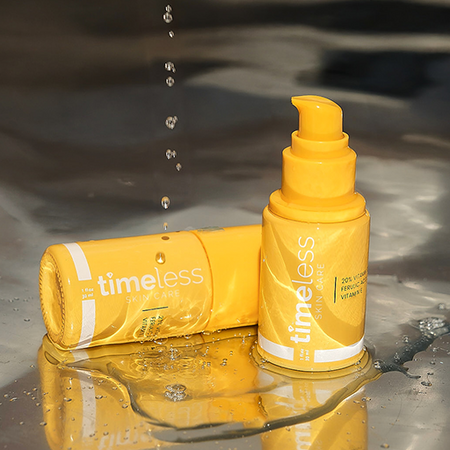
The Vitamin C category includes the 20% Vitamin C + E Ferulic Acid Serum.
When layering multiple water-based serums:
- Apply the thinnest or most acidic formula first, such as Vitamin C.
- Allow it thirty to sixty seconds to settle into the skin.
- Follow with hydrating serums, such as hyaluronic acid or peptide formulas.
Step 4: Hydrating Serums and Peptides
After your antioxidant serum has settled, you can apply hydrating and firming formulas. Ingredients like hyaluronic acid and peptides fit into this step.
Hyaluronic acid is a humectant that helps attract, bind, and retain water in the outer layers of the skin. It helps support hydration in the upper layers of the epidermis and helps improve the appearance of dehydration lines. Because it binds water, applying a hyaluronic acid serum to slightly damp skin allows it to hold onto that surface moisture effectively. The hydration category includes Hyaluronic Acid 100% Pure.
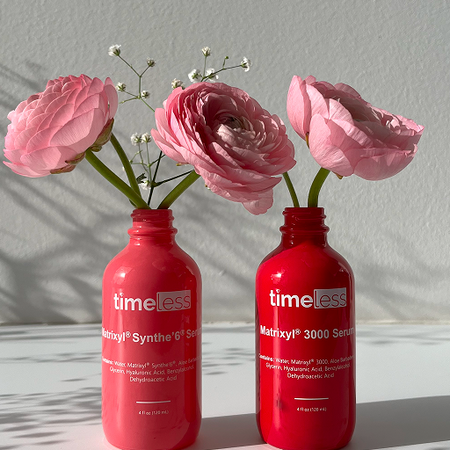
Peptide serums also belong in this step. Matrixyl 3000 contains Palmitoyl Tripeptide-1 and Palmitoyl Tetrapeptide-7, while Matrixyl Synthe'6 contains Palmitoyl Tripeptide-38. These peptides may help support the appearance of firmness.
Step 5: Eye Cream
The skin surrounding the eyes is thinner and has fewer oil glands than the rest of the face. An eye cream helps keep this delicate area hydrated and smooth throughout the day.
- Dispense a small, pea-sized amount of eye cream for both eyes.
- Using your ring finger, gently tap the cream along the orbital bone, moving from the inner corner outward.
- Avoid tugging or pulling the delicate skin around the eye area.
Formulas designed specifically for the eye area often include targeted peptide complexes to address visible puffiness and dark circles. The eye care category includes the Dark Circle Peptide Complex Eye Cream.
Note: Never apply facial serums containing strong exfoliating acids directly onto the delicate upper eyelids or close to the lower lash line.
Step 6: Moisturizer
Moisturizer can help maintain a healthy skin barrier. It helps reduce transepidermal water loss (TEWL), the water that evaporates from the skin's surface, and helps reduce moisture loss.
Selecting the right texture depends on your personal preference and skin needs:
- Gel Moisturizers: May suit oily or blemish-prone skin types that prefer a lightweight, shine-free finish.
- Lotion Moisturizers: May suit normal to combination skin, providing balanced hydration without feeling heavy.
- Rich Creams: May be preferred by dry skin that requires extra emollient support.
Take a nickel-sized amount of moisturizer and smooth it evenly over your face, neck, and chest. Allow it to absorb for one to two minutes before moving on to sun protection.
Step 7: Broad-Spectrum Sunscreen (SPF)
Sunscreen is the non-negotiable final step of every daytime skincare routine order. Broad-spectrum sunscreen protects against UVA rays, which contribute to visible signs of premature skin aging, and UVB rays, which cause sunburn.
Key Takeaway: Sunscreen should always be the last skincare product applied. Putting moisturizers, oils, or serums over your SPF can dilute its protective film and leave your skin vulnerable to sun damage.
Follow these practical guidelines for sun protection:
- Choose a broad-spectrum formula with SPF 30 or higher.
- Apply approximately one-quarter teaspoon, or about two finger lengths, to cover the entire face and neck.
- Apply your sunscreen 15 minutes before stepping outside.
- Reapply every two hours when outdoors, or immediately after sweating or swimming.
If you wear makeup, wait three to five minutes after applying sunscreen so the protective layer can set. This helps prevent your foundation or tinted moisturizer from disrupting the sunscreen barrier or causing pilling.
Understanding Active Ingredients in the Morning
Knowing how ingredients behave helps you make informed decisions when structuring your daytime skincare routine order. Here is how key skincare ingredients function during daytime application.
Antioxidants (Vitamin C and CoQ10)
Antioxidant formulas are especially suited for morning application because they assist the skin when it is exposed to daily environmental stressors.
- Vitamin C (L-Ascorbic Acid): As a water-soluble antioxidant, L-ascorbic acid helps defend against oxidative stress caused by environmental factors such as UV exposure and pollution. It also helps brighten the look of dullness and uneven tone. Over time, exposure to light and air causes Vitamin C formulas to oxidize gradually, turning yellow or amber. An oxidized serum loses potency and may increase the likelihood of irritation for some people.
- Coenzyme Q10 (Ubiquinone): CoQ10 is a lipid-soluble antioxidant naturally found in the skin. It provides antioxidant support as the skin's natural CoQ10 levels decline with age. It helps improve the appearance of fine lines and supports firmer-looking skin.
If you have vitiligo, check with your dermatologist before using a CoQ10 product.
Humectants (Hyaluronic Acid and Vitamin B5)
Humectants are water-loving molecules that bind moisture in the upper layers of the epidermis.
- Sodium Hyaluronate: This is the sodium salt form of hyaluronic acid. It helps attract, bind, and retain water in the outer layers of the skin.
- Vitamin B5 (Calcium Pantothenate): Vitamin B5 supports the skin barrier and helps the skin retain moisture. It helps the skin feel more comfortable, making it a valuable addition to routines addressing dryness or temporary barrier stress.
Peptides
Peptides may help support the appearance of firmness. They can be included in a morning routine alongside hydrating ingredients like hyaluronic acid.
Customizing Your Morning Routine by Skin Type
While the standard daytime skincare routine order remains the same, the specific formulas you choose should match your skin type. The skincare quiz can help guide routine-building decisions.
Oily and Blemish-Prone Skin
Oily skin still requires hydration. Skipping moisturizer may leave some skin feeling less comfortable.
- Cleanse: Use a gentle gel cleanser to clear excess sebum.
- Tone: Use a light, balancing water-based mist.
- Treat: Apply a lightweight Vitamin C or B5 serum.
- Moisturize: Opt for an oil-free gel or light fluid that helps reduce moisture loss without adding heaviness.
- Protect: Finish with a matte or fluid broad-spectrum SPF 30+.
Dry and Dehydrated Skin
Dry skin lacks sufficient lipids, while dehydrated skin lacks water in the stratum corneum. A routine rich in humectants and barrier-supporting emollients can support comfort.
- Cleanse: Use a creamy, non-foaming wash or a gentle water rinse.
- Tone: Apply a hydrating toner enriched with humectants.
- Treat: Layer a hyaluronic acid serum onto damp skin, followed by a peptide or antioxidant serum.
- Moisturize: Use a rich cream containing emollients that helps reduce transepidermal water loss (TEWL), the water that evaporates from the skin's surface.
- Protect: Use a nourishing, hydrating sunscreen with broad-spectrum SPF 30 or higher.
Sensitive Skin
Sensitive skin benefits from minimalist routines that focus on barrier support and avoid unnecessary potential irritants.
- Cleanse: Cleanse with a mild, fragrance-free lotion cleanser.
- Treat: Choose gentle hydrating formulas with Vitamin B5, which helps the skin feel more comfortable.
- Moisturize: Apply a simple barrier cream with minimal ingredients.
- Protect: Use a gentle mineral or physical broad-spectrum sunscreen.
Because individual reactions vary, anyone with a known sensitivity or diagnosed skin condition should check with their dermatologist before introducing new active ingredients.
Common Layering Mistakes to Avoid
Even with quality products, simple application errors can prevent you from seeing your desired results. Here are common pitfalls to avoid when structuring your morning routine:
1. Applying Products Out of Order
Putting a thick cream on before a lightweight serum creates a barrier that may keep the serum from reaching the outer layers of the skin. Always follow the rule of thinnest to thickest consistency.
2. Not Allowing Layers to Settle
Rushing through your routine by applying multiple serums and creams all at once can cause formulas to mix awkwardly on the skin and pill. Give each layer thirty to sixty seconds to absorb before applying the next step.
3. Mixing Too Many Strong Actives at Once
Using strong exfoliating acids, such as glycolic or salicylic acid, in the same morning routine with high-strength L-ascorbic acid can lead to redness or irritation. It is often best to keep daytime routines focused on hydration and antioxidant defense, saving exfoliating acids and retinoids for your evening regimen.
4. Applying Face Oils Before Sunscreen
While face oils offer emollient benefits, heavy oils applied right before sun protection may interfere with even sunscreen application. If you use a facial oil, apply just one or two drops mixed into your moisturizer, or reserve facial oils for your nighttime routine.
Realistic Expectations: Consistency Over Quick Fixes
Skincare is an ongoing practice rather than an immediate fix. Visible improvements in skin tone, texture, and hydration develop gradually with consistent use.
Humectants like hyaluronic acid provide surface hydration after application, helping soften the look of superficial dehydration lines. However, visible improvements in tone, brightness, and firmer-looking skin from antioxidants and peptides require sustained use.
Individual skin characteristics, genetics, lifestyle factors, and environmental conditions all influence results. No single product or step works universally for everyone. Pay close attention to how your skin responds, introduce new formulas one at a time, and maintain a consistent routine paired with daily broad-spectrum sun protection to support healthy-looking skin.
Frequently Asked Questions
Can I skip moisturizer if my sunscreen is hydrating?
Yes. If your skin feels comfortable and balanced using a hydrating broad-spectrum sunscreen alone, you can skip a separate moisturizer step. This approach is especially common for individuals with oily or combination skin living in humid climates. The main goal is to keep the skin hydrated while ensuring you apply adequate daily sun protection.
How long should I wait between applying serum, moisturizer, and sunscreen?
You do not need to wait long periods between steps. Giving your serums and moisturizer thirty to sixty seconds to settle into the skin is generally sufficient. However, before applying foundation or makeup over your sunscreen, allow the sunscreen three to five minutes to set completely so its protective layer remains intact.
Should I use Vitamin C in the morning or at night?
Vitamin C can be used in either routine, but morning application is the most common recommendation. Applying Vitamin C in the morning allows it to provide antioxidant support during the day, helping defend against oxidative stress caused by environmental factors such as UV exposure and pollution. Always pair daytime Vitamin C with a broad-spectrum sunscreen.
What is the difference between a morning and evening skincare routine?
A daytime skincare routine order focuses on surface hydration, environmental antioxidant defense, and UV protection. By contrast, an evening routine focuses on cleansing away daily buildup, makeup, and sunscreen, followed by targeted treatments such as retinoids or exfoliating acids, depending on personal preference.