Introduction
Building an effective morning regimen starts with knowing which product goes where. When you apply your skincare in a consistent sequence, you can organize each layer without interfering with the next. Morning skincare centers on two core goals: maintaining daily hydration and defending your skin against daily environmental elements.
At Timeless Skin Care, founded in 2009 by Veronica Pedersen, we believe that understanding ingredient function can help you make confident choices for your skin. Our formulas are made in the USA in small batches.
Getting your AM skincare routine order right does not require a dozen complicated steps. Whether your routine contains three essential items or six targeted treatments, following a few fundamental rules can help you build a reliable morning habit.
Key Takeaway: Morning skincare focuses on hydration and defense. Layering products from lighter consistency to heavier consistency helps organize the routine, with broad-spectrum sunscreen as the final step.
The Core Rule: Thinnest to Thickest Texture
A useful principle for layering a skincare routine is to apply products from the thinnest, most watery consistency to the thickest, most occlusive texture.
Here is how different product textures generally stack up from start to finish:
- Watery liquids and mists
- Lightweight water-based serums
- Gel-based treatments or emulsions
- Eye creams
- Lotions and facial creams
- Broad-spectrum daily sunscreen
Products are generally layered from lighter textures to heavier textures. This approach can help reduce pilling and keep hydration steps organized.
| Step Category | Common Product Types | Primary Morning Function |
|---|---|---|
| Cleanse | Water-based gel, milky lotion, or gentle rinse | Clears overnight oil, sweat, and residue |
| Prep | Hydrating toners, water mists, essences | Supports hydration after cleansing |
| Treat | Water-based antioxidant and peptide serums | Provides targeted cosmetic care |
| Eye Care | Eye creams, targeted eye serums | Cares for the delicate skin around the eye contour |
| Moisturize | Lightweight lotions, barrier creams, gels | Helps reduce moisture loss |
| Protect | Broad-spectrum sunscreen (SPF 30+) | Shields skin from UVA and UVB rays |


The Step-by-Step AM Skincare Routine Order
Following a structured morning routine helps you prepare your skin for the day ahead. Below is the step-by-step breakdown of how to sequence your morning products.
Step 1: Gentle Cleanser
The first step of your morning routine removes sweat, excess sebum, and residual evening skincare products. A gentle, non-stripping cleanser prepares a fresh base without disturbing your skin barrier.
- Choose a water-based gel or cream cleanser with a balanced pH.
- If your skin feels particularly dry or sensitive in the morning, a simple lukewarm water rinse can suffice.
- Avoid harsh surfactants that leave your face feeling tight, dry, or squeaky clean.
- Gently pat your face dry with a clean towel rather than rubbing aggressively.
Step 2: Hydrating Toner or Mist
While toners are an optional step, a hydrating mist or toner supports hydration after cleansing. Modern toners focus on hydration rather than the harsh, alcohol-laden astringents of the past.
- Look for formulas featuring humectants such as glycerin or sodium hyaluronate.
- Apply by pressing gently into the skin with your hands or misting across your face.
- Leaving the skin slightly damp from a hydrating mist can make the next hydration step feel more comfortable.
Step 3: Targeted Morning Serums
Serums are lightweight, fluid formulas designed to deliver concentrated ingredients to the skin. Morning is a common time to apply water-based antioxidant treatments and hydration boosters.
Antioxidants and Vitamin C
Antioxidant serums are staples in a morning regimen. An antioxidant helps defend against oxidative stress caused by environmental factors such as UV exposure and pollution. Vitamin C is one of the most widely researched topical antioxidants. Topically applied, it helps brighten the look of dullness and uneven tone.
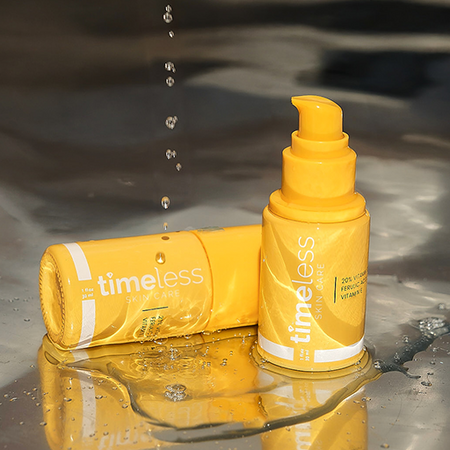
L-ascorbic acid is a water-soluble form of vitamin C used in acidic formulations. Morning use is the most common recommendation, not the only option. If you use it in the morning, pair it with broad-spectrum sunscreen. In the Vitamin C category, Timeless Skin Care offers 20% Vitamin C + E Ferulic Acid Serum.
Hydrating Humectants
Humectant serums provide surface-level hydration. Hyaluronic acid is a humectant. It helps attract, bind, and retain water in the outer layers of the skin. Sodium hyaluronate, the sodium salt form of hyaluronic acid, helps support hydration in the upper layers of the epidermis. Using a humectant serum helps improve the appearance of dehydration lines. For the hydration category, Timeless Skin Care provides Hyaluronic Acid 100% Pure.
Peptides
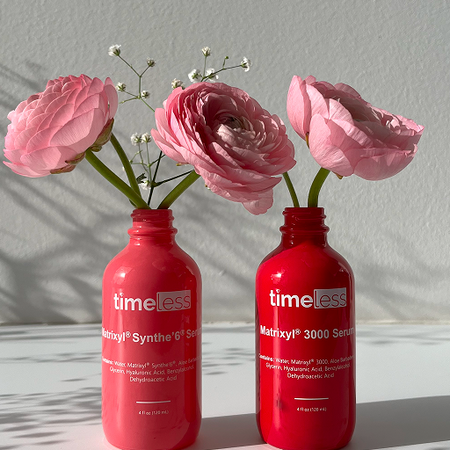
Peptides are short chains of amino acids that serve as versatile morning ingredients. Peptide serums may help support the appearance of firmness. In our peptide category, we offer Matrixyl® 3000 Serum.
How to use: When applying multiple water-based serums, apply your thinnest antioxidant serum first. Allow it thirty to sixty seconds to settle, then apply your slightly thicker humectant or peptide formulas.
Step 4: Eye Cream
The skin around your eyes is thinner than the rest of your face and can show signs of dryness and fatigue early. Applying an eye cream before a heavy facial moisturizer can help keep lighter eye treatments earlier in the routine.
- Use your ring finger to gently tap a pea-sized amount along the orbital bone.
- Avoid applying heavy creams directly onto your upper eyelids or too close to the lash line.
- For morning routines, choose lightweight gel-creams that sit comfortably under makeup.
Step 5: Daytime Moisturizer
A daily moisturizer helps reduce transepidermal water loss (TEWL). TEWL refers to water that evaporates from the skin's surface throughout the day.
- Select your moisturizer texture based on your individual skin type. Oily and combination skin types often prefer lightweight gel lotions, while dry skin types benefit from richer creams.
- Ingredients such as ceramides, squalane, and fatty acids help maintain a smooth surface texture.
- Vitamin B5 supports the skin barrier and helps the skin retain moisture. It also helps the skin feel more comfortable.
- Smooth the product evenly across your face and neck, giving it a minute or two to absorb before moving to your final step.
Step 6: Broad-Spectrum Daily Sunscreen
Broad-spectrum sunscreen is an important final step in every morning skincare routine. UV exposure contributes to visible signs of premature aging and skin damage.
- Always choose a broad-spectrum sunscreen rated SPF 30 or higher to defend against both UVA and UVB radiation.
- Apply your sunscreen generously as the final step in your skincare routine. Applying serums or heavy moisturizers on top of sunscreen can disrupt the uniform film it creates across your skin.
- Allow your sunscreen three to five minutes to set before applying foundation or cosmetic makeup.
- Reapply your sunscreen throughout the day if you spend extended time outdoors in direct sunlight.
Layering Multiple Serums in the Morning
Many skincare routines include more than one active serum. Layering several treatments in the morning is manageable once you understand how ingredients interact and how formulas are structured.
- Cleanse.
- Tone or mist.
- Apply a thin active serum, such as Vitamin C.
- Apply a hydrating serum, such as hyaluronic acid.
- Apply eye cream.
- Apply moisturizer.
- Apply broad-spectrum SPF.
Order of Application for Multiple Serums
When layering two or three serums in a single morning session, follow these guidelines:
- Check the Base Formulation: Apply water-based serums before anhydrous, water-free solutions, emulsions, or facial oils.
- Prioritize pH-Dependent Actives: Low-pH products, such as L-ascorbic acid solutions, are generally applied directly to clean, dry skin.
- Layer by Viscosity: If you have two water-based serums with neutral pH levels, apply the more fluid one first, followed by the more viscous gel.
- Keep Serum Layers Reasonable: Using two well-chosen serums is generally plenty for a morning routine. Layering four or five serums at once can increase the likelihood of product pilling and skin irritation.
Understanding Ingredient Pairings
Not all ingredients need to be included in a single morning application. Some ingredients can be used together during the day, while others are best separated between morning and evening.
- Vitamin C and Peptides: Water-based peptide serums can be used with other morning treatments. If using a low-pH Vitamin C serum, apply the Vitamin C first, let it absorb briefly, and follow with your peptide serum.
- Hyaluronic Acid: Hyaluronic acid is a humectant. It helps attract, bind, and retain water in the outer layers of the skin.
- Coenzyme Q10 (Ubiquinone): CoQ10 is a lipid-soluble antioxidant naturally found in skin. CoQ10 provides antioxidant support as the skin's natural CoQ10 levels decline with age. It supports firmer-looking skin. It is generally used once daily. Never apply CoQ10 under the eyes. If you have vitiligo, check with your dermatologist before using a CoQ10 product.
- Exfoliating Acids and Retinoids: Strong chemical exfoliants, such as glycolic or salicylic acid, and retinoids are best reserved for your evening routine. Using them in the morning alongside Vitamin C can add potentially irritating steps and increase sensitivity to environmental factors.
Note: If you introduce multiple new active ingredients into your routine, introduce them one at a time over several weeks. Individual reactions vary, and anyone with a known sensitivity or diagnosed skin condition should check with their dermatologist.
Setting Realistic Expectations for Your Morning Routine
Skincare is a daily practice, not an overnight transformation. While a hydrating serum or rich moisturizer can immediately improve the appearance of dehydration lines and surface flakiness, other appearance changes may require consistent use.
The appearance of fine lines, skin firmness, and uneven skin tone may change progressively with regular use.
Consistency in your AM skincare routine matters. Broad-spectrum sunscreen and an antioxidant can be regular parts of a morning routine. An antioxidant helps neutralize free radicals generated by UV exposure. Maintain steady expectations and pay attention to how your skin responds.
Frequently Asked Questions
Can I skip moisturizer in the morning if my sunscreen is hydrating?
Yes. Many modern broad-spectrum sunscreens are formulated with emollients and humectants that provide adequate moisture for oily or combination skin types. If your skin feels comfortable and balanced without a separate lotion underneath, you can apply your sunscreen directly after your serums. Those with dry or dehydrated skin, however, usually benefit from applying a dedicated moisturizer first. A dedicated moisturizer helps reduce moisture loss.
How long should I wait between skincare steps in the morning?
You do not need long wait times between most steps. For basic toners, humectants, and moisturizers, thirty to sixty seconds is sufficient to let each layer settle. If you use a low-pH L-ascorbic acid serum, giving it a minute to absorb before applying thicker serums can help prevent pilling. Before applying makeup, allow your sunscreen three to five minutes to set into an even film on the skin.
Should I apply my Vitamin C serum before or after hyaluronic acid?
Apply your Vitamin C serum before hyaluronic acid. L-ascorbic acid serums are often low-pH and watery in consistency. Applying Vitamin C directly to clean, dry skin places it before thicker products. Once it absorbs, apply your hyaluronic acid serum. Hyaluronic acid helps support hydration in the upper layers of the epidermis. For more information, see can you use hyaluronic acid and Vitamin C together.
Is it necessary to wash my face with a cleanser every morning?
Not everyone needs a foaming cleanser in the morning. If you cleansed thoroughly the night before and have dry or sensitive skin, rinsing your face with lukewarm water is often enough to refresh the skin. However, if you have oily skin or use heavy occlusive balms overnight, a gentle water-based morning cleanser helps remove excess surface oils and prepares your skin for your daytime serums and sunscreen.