Introduction
Applying skincare products in a considered sequence can help keep your routine straightforward. The outermost layer of skin, the stratum corneum, serves as a natural barrier. This layer consists of dead skin cells held together by lipids. Water-based formulas spread readily when skin is clean, while thick creams sit on the surface.
If you apply a dense oil or heavy cream first, lightweight serums may be harder to spread evenly. Conversely, applying a light mist over a rich balm can cause the water to evaporate quickly. Following a consistent layer order helps organize each step and may reduce pilling.
Timeless Skin Care makes formulas designed for straightforward daily use. All formulas are made in the USA in small batches and are completely cruelty-free. Understanding the logic behind product sequencing can help you create an efficient morning and evening regimen with guidance from our skincare quiz.
Quick Answer: Apply your products from thinnest to thickest texture. Water-based serums go on first, followed by lotions, eye products, heavier creams, and facial oils. In the morning, finish with a broad-spectrum sunscreen.
The Core Principles of Product Layering
Product application follows basic physical and chemical principles. When you understand these foundational guidelines, you can sequence products without second-guessing your routine.
1. Thinnest to Thickest Viscosity
Texture serves as your primary guide for sequencing. Liquid products are generally applied first, while thicker creams may contain lipids and emollients that sit on the skin's surface.
Start with low-viscosity formulas such as toners, essences, and watery serums. Move progressively toward denser lotions, rich creams, and face oils. Applying a thin fluid after a rich layer can make it harder to spread evenly.
2. Water-Based Before Oil-Based
Water and oil naturally repel each other. Applying a water-soluble serum on top of a facial oil can cause the serum to bead up or slide off.
Water-based serums belong early in a routine. Once these lighter solutions have been applied, oil-soluble products and moisturizers can follow. This order places humectant ingredients before lipid-rich formulas.
3. Consideration of pH Levels
Certain active ingredients require specific pH environments to remain stable and functional. L-ascorbic acid and chemical exfoliants like alpha hydroxy acids are used in acidic formulations.
When using direct acids, apply them immediately after cleansing. Allow them a brief moment to settle before layering neutral-pH products like hydrating toners or peptide formulas. Applying a higher-pH product first can alter the environment required for acidic formulas.
4. Allowing Time Between Layers
Rushing through your routine often leads to product pilling. Pilling happens when ingredients from different formulas bind together into small flakes instead of settling onto the skin.
Waiting roughly thirty to sixty seconds between steps allows each layer to dry down. This short pause helps subsequent layers spread evenly across your face and neck. For more guidance, see our article on how to layer multiple serums.
| Layering Rule | Why It Matters | Typical Product Examples |
|---|---|---|
| Viscosity (Thin to Thick) | Dense formulas can make lighter liquids harder to spread evenly | Mists before lotions |
| Solubility (Water to Oil) | Water-based products are generally applied before face oils | Hydrating serums before face oils |
| pH Priority (Low to High) | Keeps acidic formulas earlier in the sequence | Exfoliating acids before neutral creams |
| Absorption Pause | Helps reduce surface pilling | 30 to 60 seconds between steps |


Step-by-Step Morning Skincare Layer Order
Morning routines focus on preparing the skin for daily exposure to light, wind, and environmental pollutants. The morning order builds from gentle cleansing to broad-spectrum protection.
- Gentle cleanser.
- Hydrating toner or mist.
- Water-based antioxidant serum.
- Eye care.
- Daytime moisturizer.
- Broad-spectrum sunscreen.
Note: The sequence above outlines a standard daytime progression.
Step 1: Gentle Cleanser
Cleansing in the morning removes overnight oil production, sweat, and residual evening skincare. Use lukewarm water and a mild, non-stripping cleanser. If your skin feels dry, a simple water rinse may be sufficient. Avoid harsh surfactants that disrupt the surface lipid barrier.
Step 2: Hydrating Toner or Facial Mist
Toners provide a light wash of hydration right after cleansing. Modern toners are alcohol-free fluids that prepare the skin for subsequent treatments. Lightly pat the liquid into your skin, leaving the surface slightly damp for your serum step.
Step 3: Targeted Morning Serums
Morning use is the most common recommendation for antioxidant products. An antioxidant formula supports the skin's antioxidant defenses.
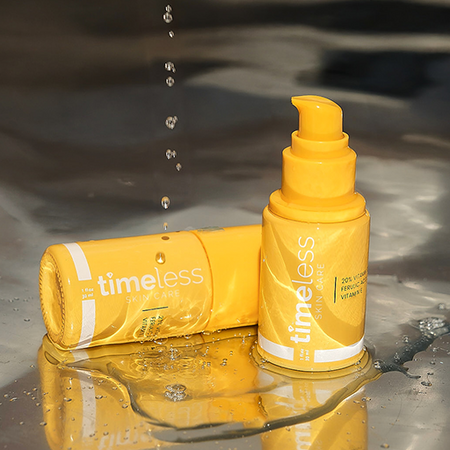
Apply a vitamin C serum during the serum step, before thicker lotions. The Vitamin C category includes our 20% Vitamin C + E Ferulic Acid Serum.
Step 4: Eye Cream
The skin around the orbital bone is delicate. Applying eye products before your main facial moisturizer places them earlier in the sequence. Gently tap a small amount along the orbital bone using your ring finger.
Step 5: Daytime Moisturizer
A lightweight daily moisturizer helps reduce moisture loss throughout the day. It smooths the skin surface and provides comfort. Choose a lotion or gel-cream texture that suits your skin type, smoothing it evenly over your face and neck.
Step 6: Broad-Spectrum Sunscreen
Sunscreen is non-negotiable and must always be the final step of your morning skincare routine. Daily use of a broad-spectrum sunscreen with SPF 30 or higher helps shield your skin from ultraviolet rays.
Allow your moisturizer to settle before applying sunscreen evenly across your face and neck. If you wear makeup, apply it directly over your set sunscreen.
Key Takeaway: Do not mix your sunscreen directly into your moisturizer or serum. Apply sunscreen as the final skincare step, before makeup.
Step-by-Step Evening Skincare Layer Order
Evening routines center on thorough cleansing and hydration. Nighttime allows you to use richer textures and formulas that may feel too heavy for daytime wear.
- First Cleanser: Use an oil-based cleanser, cleansing balm, or micellar water to break down stubborn sunscreen, foundation, and surface grime.
- Second Cleanser: Follow with a gentle water-based cleanser to lift away any leftover residue.
- Exfoliant or Treatment Toner: If your routine includes liquid chemical exfoliants like glycolic or salicylic acid, apply them here on completely dry skin. Limit exfoliation to two or three nights per week.
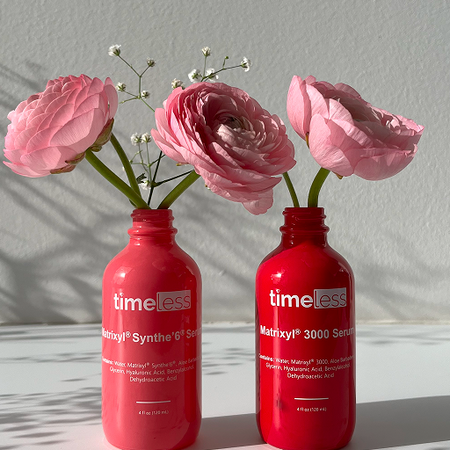
- Water-Based Serums: Apply hydrating and peptide-rich serums. Our Peptides category includes Matrixyl® 3000 Serum.
- Targeted Eye Care: Tap your chosen eye product around the eye area. Our Eye category includes Dark Circle Peptide Complex Eye Cream.
- Night Moisturizer: Apply a rich cream as a moisturizing step. A moisturizer helps reduce transepidermal water loss (TEWL).
- Facial Oil (Optional): If your skin tends toward dryness, apply a small amount of facial oil on top of your moisturizer as a finishing step. We recommend the Argan Oil 100% or Squalane Oil 100% Pure
How Key Ingredients Fit Into Your Skincare Order
Understanding how specific ingredients function helps you position them accurately in your daily lineup.
Vitamin C
Vitamin C helps brighten the look of dullness and uneven tone. L-ascorbic acid is the most researched form of vitamin C, not automatically the best form for every routine. It is used in acidic formulations.
Formula stability, pH balance, and packaging also matter. Oxidation is gradual, and an oxidized serum loses potency over time while increasing the likelihood of irritation for some people.
Apply vitamin C during the serum step after cleansing and any light hydrating toner. Morning use is the most common recommendation. Vitamin C helps defend against oxidative stress caused by environmental factors such as UV exposure and pollution. Always pair your daytime vitamin C application with a broad-spectrum sunscreen.
Hyaluronic Acid and Other Humectants
Hyaluronic acid is a humectant, not a moisturizer. It helps attract, bind, and retain water in the outer layers of the skin. It also helps support hydration in the upper layers of the epidermis and helps improve the appearance of dehydration lines.
Because it is water-soluble, hyaluronic acid belongs in the early serum stage of your routine. Sodium hyaluronate is the sodium salt of hyaluronic acid, while hydrolyzed hyaluronic acid contains smaller fragments that may penetrate slightly further into the outer layers of the skin.
Apply humectant serums to slightly damp skin, then follow promptly with a lotion that helps reduce moisture loss. For additional guidance, read about using hyaluronic acid and vitamin C together.
Peptides
Peptides may help support the appearance of firmness in mature or aging skin.
Peptide formulas are typically water-based and can be applied after cleansing and toning, before heavier moisturizers. They can be used in both morning and evening routines.
Coenzyme Q10 (CoQ10)
Coenzyme Q10 is a lipid-soluble antioxidant naturally found in the skin. CoQ10 provides antioxidant support as the skin's natural CoQ10 levels decline with age. CoQ10 helps improve the appearance of fine lines. CoQ10 supports firmer-looking skin.
CoQ10 is generally used once daily, either morning or evening, within the serum step. Never apply CoQ10 under the eyes. If you have vitiligo, check with your dermatologist before using a CoQ10 product.
Vitamin B5
Vitamin B5, listed on cosmetic ingredient panels as Calcium Pantothenate, supports the skin barrier and helps the skin retain moisture. Vitamin B5 helps the skin feel more comfortable.
Serums containing vitamin B5 are lightweight and can be applied before a daily or nightly moisturizer.
Layering Compatibility Guide
Mixing certain cosmetic ingredients in the same session can sometimes cause redness or flaking. Balancing active ingredients across alternating days or distinct morning and evening slots can help maintain skin comfort.
| Ingredient | Best Routine Time | Ideal Pairing | Layering Precaution |
|---|---|---|---|
| Vitamin C (L-Ascorbic Acid) | Morning | Broad-spectrum sunscreen, Hyaluronic Acid | Alternate sessions with direct exfoliating acids |
| Peptides | Morning or Evening | Hyaluronic Acid, Vitamin B5 | Avoid direct mixture with low-pH direct acids |
| Hyaluronic Acid | Morning and Evening | Peptides, Moisturizing Creams | Follow with a moisturizer that helps reduce transepidermal water loss (TEWL) |
| Coenzyme Q10 | Morning or Evening | Hydrating ingredients, Sunscreen | Avoid use under the immediate eye contour |
| Chemical Exfoliants (AHA/BHA) | Evening | Simple moisturizers | Limit to 2 to 3 times weekly; avoid stacking |
Common Layering Mistakes and Realistic Expectations
Even with the correct skincare layer order, minor mistakes can affect how comfortably products apply. Reviewing common pitfalls can help you refine your daily habits.
Over-Complicating the Routine
Using six different serums in a single routine may not produce faster changes. Layering too many concentrated formulas can overwhelm your skin barrier, leading to redness or discomfort. Sticking to two or three targeted formulas per session keeps your routine manageable.
Applying Sunscreen Incorrectly
Sunscreen must never be diluted. Stacking a facial oil or heavy cream over your SPF can disrupt the protective film. Always allow your moisturizer to dry down, apply your sunscreen evenly across your face and neck, and let it set before applying cosmetics.
Realistic Expectations for Skincare Results
Cosmetic results are gradual and vary significantly from person to person. Skincare works progressively with your skin's natural turnover cycle. Hydrating ingredients may improve the appearance of dehydration lines, while visible improvements in uneven tone, fine lines, and skin firmness may require consistent use.
Consistency matters more than intensity. Do not rush to increase product frequency or switch products weekly. Give your routine time to demonstrate visible changes.
Because individual reactions vary, anyone with a known sensitivity or diagnosed skin condition should check with their dermatologist before introducing new active formulas into their routine.
Frequently Asked Questions
Can I mix my serum into my moisturizer to save time?
Mixing a serum directly into your moisturizer can change how the formulas apply. Serums provide lightweight hydration at the skin's surface, while moisturizers contain heavier emollients that help reduce moisture loss. Applying them as separate layers in the correct order keeps the routine straightforward.
How long should I wait between applying different skincare layers?
Waiting thirty to sixty seconds between steps is typically sufficient. This pause allows liquid and gel formulas to settle, which helps prevent product pilling when you apply creams or sunscreen on top.
Should facial oil go before or after my moisturizer?
Facial oil should go after your moisturizer or be used as a final evening step. Facial oils contain dense lipids that create a conditioning layer on the skin. If you apply an oil first, water-based serums and lighter moisturizers may be harder to layer evenly.
What should I do if my skincare products start pilling?
Pilling usually occurs when you apply products too quickly, use formulas with incompatible textures, or apply too much product at once. To resolve pilling, decrease the amount of product you use, allow thirty to sixty seconds of drying time between layers, and move from thinnest to thickest viscosity.