Introduction
Standing in front of your bathroom mirror with three different bottles can feel confusing. You might wonder which product goes first, whether two formulas interfere with each other, or if your routine is organized effectively.
Getting your skincare layering order right can make your daily routine easier to follow. When you apply formulas in a thoughtful sequence, each product can reach the surface of your skin before heavier textures follow.
Quick Answer: Skincare layering generally moves from thinnest to thickest texture: cleanse first, apply water-based treatment serums, layer on your moisturizer, and finish with broad-spectrum sunscreen every morning.
Core Rules for Ordering Your Skincare Products
A few physical principles determine how skincare products interact on the skin surface. Keeping these basic guidelines in mind helps you sequence any product correctly.
1. Thinnest to Thickest Consistency
Texture is the foundation of layering. Liquid and water-light formulas absorb quickly into the upper epidermis. Rich creams and balms leave an emollient layer on top.
If you apply a rich cream first, a lightweight watery serum cannot easily pass through that barrier. Starting with thin liquids ensures direct contact with clean skin before heavier textures follow.
2. Water-Based Formulations Before Oils
Water and oil do not readily mix. Water-soluble formulas spread easily across bare or freshly prepped skin. Oil-based formulas create a surface layer that helps reduce moisture loss.
If an oil sits on the skin first, water-based serums placed over it tend to bead up, roll off, or pill. Applying water-based solutions first allows them to settle properly before any oil-rich finish.
3. Low pH Before High pH
Some formulas are acidic, while others are closer to neutral. For example, L-ascorbic acid has an acidic formulation.
Applying an acidic serum to clean skin places it before neutral toners, hydrating fluids, or moisturizers in this sequence.
4. Give Layers Time to Settle
Rushing between steps can cause products to mix prematurely on the surface, leading to pilling.
A pause of 30 to 60 seconds can give each layer time to settle. This short wait helps the skin surface feel comfortable before the next product is applied.


Step-by-Step Daytime and Evening Routines
Morning and evening routines share the same general framework, but they serve different purposes. Your morning routine focuses on hydration and environmental defense, while your evening routine prioritizes gentle cleansing, concentrated treatments, and barrier support.
| Step | Morning Focus | Evening Focus |
|---|---|---|
| 1. Cleanse | Gentle water wash or mild cleanser | Double cleanse (oil-based then water-based) |
| 2. Prep | Hydrating toner or facial mist | Hydrating toner or essence |
| 3. Treat | Antioxidants or lightweight hydration | Peptides, retinoids, or targeted serums |
| 4. Eye Care | Lightweight eye gel or cream | Nourishing eye complex |
| 5. Moisturize | Lightweight lotion or barrier cream | Richer night cream or facial moisturizer |
| 6. Protect / Seal | Broad-spectrum sunscreen (mandatory) | Optional face oil for very dry skin types |
The Morning Skincare Layering Order
- Cleanser: Start by rinsing away overnight sweat, excess oil, and residual evening products using lukewarm water or a gentle cleanser.
- Hydrating Toner or Mist: A quick splash of a water-based toner can be used before serums.
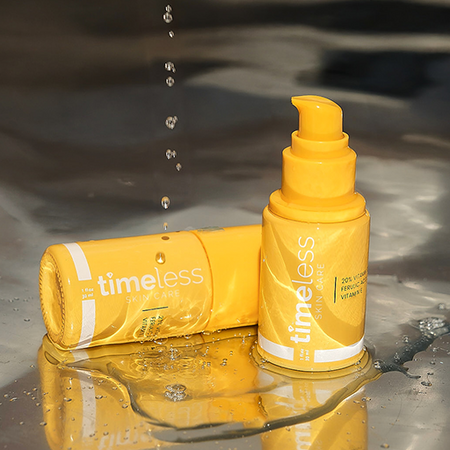
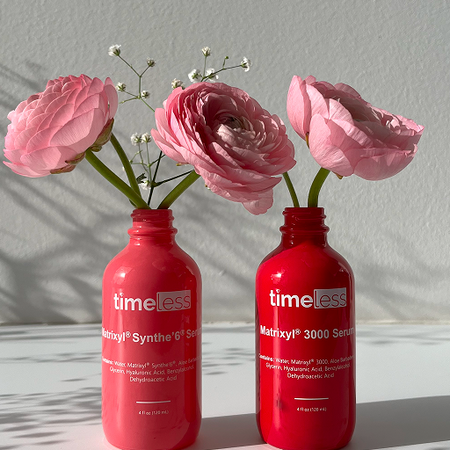
- Antioxidant Serum: Apply an antioxidant to clean skin. A vitamin C serum such as Timeless Skin Care 20% Vitamin C + E Ferulic Acid Serum is one option.
- Hydrating or Peptide Serum: Layer any additional lightweight water-based hydrators or firming serums over your primary active.
- Eye Cream: Gently pat a small amount around the orbital bone before applying your overall facial moisturizer.
- Moisturizer: Use a lotion or cream that helps reduce transepidermal water loss (TEWL), the water that evaporates from the skin's surface.
- Broad-Spectrum Sunscreen: Sunscreen is the final step of every morning routine. Apply it generously and let it set before applying any makeup.
The Evening Skincare Layering Order
- First Cleanse: Use an oil-based cleanser or cleansing balm to break down makeup, surface sebum, and daily sunscreen filters.
- Second Cleanse: Follow with a gentle water-based wash to remove remaining residues and leave the skin clean.
- Exfoliant or Acid Toner (Occasional): If using exfoliating acids, apply them directly after cleansing two to three nights per week.
- Targeted Serums: Smooth on your evening active serums, such as peptides or retinoids, allowing each layer to absorb.
- Eye Care: Apply your preferred eye treatment using your ring finger to avoid pulling delicate skin.
- Moisturizer: Finish with a moisturizer to support overnight skin comfort.
- Facial Oil (Optional): For particularly dry skin, a few drops of face oil applied over moisturizer helps reduce moisture loss overnight.
Understanding Key Ingredients in Your Sequence
Knowing how specific ingredients behave makes building a customized routine much simpler.
Vitamin C and CoQ10
Antioxidants are central to a daytime routine. Vitamin C helps brighten the look of dullness and uneven tone. L-ascorbic acid is the most researched form of vitamin C, but it is not automatically the best form. It also helps defend against oxidative stress caused by environmental factors such as UV exposure and pollution. L-ascorbic acid is acidic and sensitive to light and air.
A CoQ10 serum in this category is Timeless Skin Care Coenzyme Q10 Serum. Coenzyme Q10 (Ubiquinone) is a lipid-soluble antioxidant naturally found in skin. It provides antioxidant support as the skin's natural CoQ10 levels decline with age. It helps improve the appearance of fine lines. It supports firmer-looking skin. CoQ10 products are generally used once daily. If you have vitiligo, check with your dermatologist before using a CoQ10 product.
An antioxidant helps neutralize free radicals generated by UV exposure. It supports the skin's antioxidant defenses, but it does not replace sunscreen. Morning use should always be paired with broad-spectrum sunscreen.
Peptides and Barrier Support
Peptides are short chains of amino acids commonly used in skincare. Peptides may help support the appearance of firmness.
A dedicated hydrator in this category is Timeless Skin Care Vitamin B5 Serum. Vitamin B5 (Calcium Pantothenate) supports the skin barrier and helps the skin retain moisture. It helps the skin feel more comfortable.
Common Layering Mistakes to Avoid
Even seasoned skincare users occasionally make sequencing mistakes that limit their routine's effectiveness.
- Applying Sunscreen Too Early: Sunscreen must always be the final step in the morning. Layering a moisturizer or serum over SPF can dilute the UV filters and compromise your protection.
- Overloading Actives at Once: Layering multiple strong acids and retinoids in a single session can overwhelm the skin. Spread potent treatments across alternating mornings and evenings instead.
- Applying Heavy Creams Before Serums: Thick emulsions create a barrier on the skin. Water-soluble actives cannot easily penetrate past heavy creams.
- Rubbing Products Aggressively: Vigorous rubbing can cause friction, surface redness, and product pilling. Gently press and smooth serums into the skin.
- Skipping Moisturizer on Oily Skin: Even oily skin experiences transepidermal water loss. A lightweight lotion can help reduce moisture loss.
What to Realistically Expect from a Layered Routine
Skincare works through consistency and time rather than overnight changes. Hyaluronic acid helps improve the appearance of dehydration lines.
Every person's skin responds differently based on genetics, environmental exposure, and overall health. Visible improvements in skin tone, elasticity, and firmness may take time. Fine lines and uneven tone may show visible refinement with steady application alongside daily sun protection.
Individual reactions to active ingredients also vary. Anyone with a known sensitivity or diagnosed skin condition should check with their dermatologist when introducing new steps into their routine.
Frequently Asked Questions
Can I layer vitamin C and hyaluronic acid in the same routine?
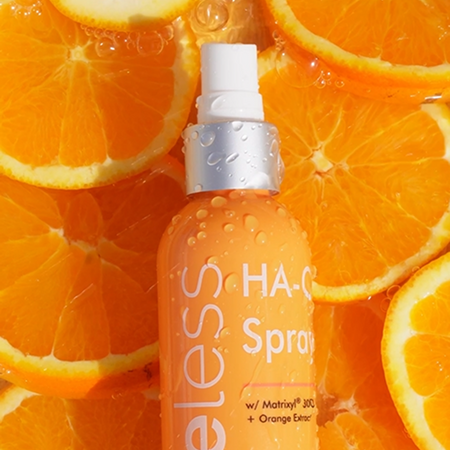
Yes, they can be used in the same routine. Apply vitamin C to clean, dry skin, then apply hyaluronic acid. Hyaluronic acid is a humectant, not a moisturizer. It helps attract, bind, and retain water in the outer layers of the skin before you finish with a moisturizer.
How long should I wait between applying different skincare steps?
For most products, waiting 30 to 60 seconds is plenty of time. This brief pause allows each liquid or serum to settle so products do not pill when you apply the next texture. When applying an acidic active like L-ascorbic acid, waiting a full minute before neutral hydrating serums allows the formula to settle.
Does eye cream go on before or after facial moisturizer?
Eye cream is generally applied before your overall facial moisturizer. The skin around the eyes is thinner than the rest of the face, so applying eye cream first can place it directly on the skin rather than on top of a thicker facial cream.
Can I use face oil in my morning skincare routine?
Face oils are often reserved for your evening routine. In the daytime, facial oils may interfere with how your broad-spectrum sunscreen forms an even film across the skin. At night, applying a few drops of oil over your moisturizer helps reduce moisture loss while you sleep.