Introduction
Applying skincare products in a thoughtful sequence can affect how easily they spread and layer. Even high-quality formulas may feel less comfortable if heavier textures are applied too early. Layering your products thoughtfully allows each formula to settle on the skin properly and can help organize your daily regimen.
Timeless Skin Care was founded in 2009 by Veronica Pedersen to focus on straightforward, effective formulas. Every product is made in the USA in small batches to maintain quality. Understanding how different formulas interact helps you structure a simple routine tailored to your personal cosmetic goals.
Whether your regimen contains three steps or seven, the foundational logic of skincare order often remains the same. This guide explains the core principles of layering, outlines separate morning and evening sequences, and breaks down how to combine active ingredients without unwanted friction. Use our skincare quiz if you need help organizing a routine.
Quick Answer: Apply your skincare products starting with the thinnest texture and moving to the thickest. Water-based formulas come before oil-based formulas, moisturizers go over serums, and broad-spectrum sunscreen is always the final step in the morning.
The Core Principles of Skincare Layering
Layering products is not about adding unnecessary complexity. Instead, it follows basic physical and chemical principles. When you understand these guidelines, deciding where a new product fits becomes easier. For additional guidance, read how to layer multiple serums.
Texture: Thinnest to Thickest
The most reliable rule of thumb is to apply liquid formulas first and dense creams last. Lightweight liquids, such as watery toners and fluid serums, move across the skin surface quickly and absorb without leaving a heavy film. Creams, balms, and face oils contain larger lipid components that stay on the surface longer. If you apply a rich cream first, a lighter water-based serum layered on top may have more difficulty settling evenly on the skin.
Formulation Base: Water Before Oil
Water and oil naturally repel each other. Water-soluble ingredients may not move as readily through a layer of oil or heavy occlusives. Because of this, water-based serums generally precede oil-based solutions, anhydrous formulas, and rich facial oils. Applying an oil first may make it harder for water-based products to spread evenly.
| Product Type | Formula Base | Typical Texture | Recommended Step |
|---|---|---|---|
| Cleanser | Water or Oil | Gel, Foam, or Balm | Step 1 (Prep) |
| Toner or Mist | Water | Water-thin Liquid | Step 2 (Prep) |
| Water-Based Serum | Water | Fluid to Light Gel | Step 3 (Treat) |
| Anhydrous / Oil Serum | Oil or Lipid Carrier | Light to Medium Viscosity | Step 4 (Treat) |
| Eye Cream | Emulsion | Cream or Gel | Step 5 (Target) |
| Moisturizer | Water-in-Oil / Oil-in-Water | Lotion or Cream | Step 6 (Moisture) |
| Facial Oil | 100% Lipid | Rich Liquid | Step 7 (Optional Finish) |
| Sunscreen | Emulsion / Suspension | Lotion, Milk, or Cream | Step 8 (AM Final Step) |
Function: Prep, Treat, and Retain
A simple way to categorize your skincare steps is by dividing them into three functional phases:
- Prep: Cleansing removes dirt, excess sebum, and residue, creating a fresh base. Toners and mists can follow to provide immediate surface moisture.
- Treat: Serums and targeted solutions deliver focused cosmetic ingredients to address concerns such as dullness, uneven texture, or the appearance of fine lines.
- Retain: Moisturizers help reduce transepidermal water loss (TEWL).
Key Takeaway: Follow the progression of Prep, Treat, and Retain. Start with a clean canvas, layer targeted treatments from thinnest to thickest, and finish with a moisturizer to help reduce moisture loss.


Step-by-Step Morning Skincare Order
Your morning routine can focus on antioxidants and maintaining surface hydration throughout the day.
Step 1: Cleanser
Washing the face in the morning clears away dead skin cells, excess natural oils, and any residue from overnight creams. A mild, water-soluble cleanser may work for many skin types. If your skin feels particularly dry upon waking, rinsing with lukewarm water can be sufficient. Avoid hot water, which can strip away surface lipids.
Step 2: Hydrating Toner or Mist
Applying a toner or mist immediately after cleansing offers an initial layer of hydration. Look for alcohol-free formulas with humectant ingredients.
Sodium hyaluronate is the sodium salt of hyaluronic acid. It helps attract, bind, and retain water in the outer layers of the skin. Applying humectants to slightly damp skin can support surface hydration.
Step 3: Daytime Antioxidant Serum
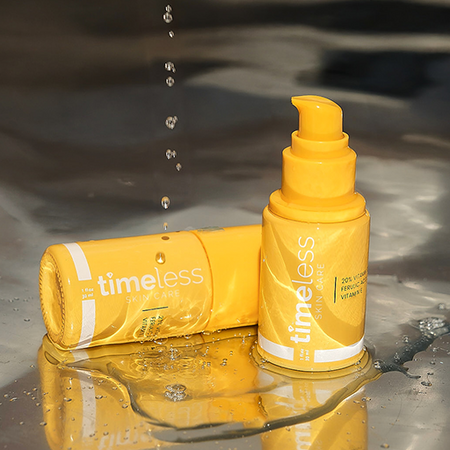
Timeless Skin Care features the 20% Vitamin C + E Ferulic Acid Serum in its vitamin C category.
Antioxidant serums are staple daytime products. An antioxidant serum helps defend against oxidative stress caused by environmental factors such as UV exposure and pollution. It helps neutralize free radicals generated by UV exposure.
Vitamin C is among the most thoroughly researched antioxidant ingredients in skincare. L-ascorbic acid is a water-soluble form of vitamin C. In acidic liquid formulations, it helps brighten the look of dullness and uneven tone. Formulation details such as pH level and packaging can affect stability. Vitamin E and ferulic acid may support formulation stability. L-ascorbic acid is sensitive to light, air, and heat, and oxidation can occur over time.
When vitamin C is used in the morning, pair it with broad-spectrum sunscreen.
Another valuable antioxidant is Coenzyme Q10 (ubiquinone), a lipid-soluble antioxidant naturally found in skin. It provides antioxidant support as the skin's natural CoQ10 levels decline with age. It helps improve the appearance of fine lines. It supports firmer-looking skin. CoQ10 is generally used once daily. If you have vitiligo, check with your dermatologist before using a CoQ10 product.
Step 4: Eye Cream
Timeless Skin Care includes the Dark Circle Peptide Complex Eye Cream in its eye care selection.
The skin surrounding the eyes is thinner than the skin on the rest of the face. If you choose to use an eye product, apply a small amount using gentle tapping motions with your ring finger. Use light pressure around the orbital bone, avoiding the eyelids and lash line.
Step 5: Moisturizer
A daily moisturizer helps reduce transepidermal water loss (TEWL). Those with oily skin often prefer lightweight lotions or gel creams, while people with dry skin may lean toward richer creams.
Step 6: Broad-Spectrum Sunscreen
Daily sunscreen application is essential for every daytime routine. UV radiation contributes significantly to visible skin changes, including discoloration and uneven texture. Apply a broad-spectrum sunscreen with an SPF of 30 or higher generously to the face, neck, and ears as your final skincare step. Allow your moisturizer to absorb for one to two minutes before applying sunscreen to avoid disrupting the protective film.
Step-by-Step Evening Skincare Order
Evening routines focus on thorough cleansing, targeted treatments, and moisturization while you rest.
Step 1: Cleansing or Double Cleansing
Throughout the day, sunscreen, makeup, environmental particles, and sebum collect on the skin. Thorough cleansing in the evening helps remove them.
- First Cleanse: An oil-based cleanser or cleansing balm breaks down long-wearing makeup and water-resistant sunscreen filters. Massage gently onto dry skin, emulsify with warm water, and rinse.
- Second Cleanse: Follow with a gentle, water-based gel or cream cleanser to wash away remaining impurities without over-drying.
Step 2: Exfoliant (2 to 3 Times Weekly)
Chemical exfoliants, such as alpha hydroxy acids, including glycolic or lactic acid, and beta hydroxy acids, such as salicylic acid, are used to improve the appearance of surface texture. Exfoliation should not be performed every night. Over-exfoliating may contribute to unwanted redness and dryness.
Step 3: Targeted and Hydrating Serums
For its hydration category, Timeless Skin Care provides Hyaluronic Acid 100% Pure.
The evening is useful for hydrating and peptide-rich serums. Hyaluronic acid helps support hydration in the upper layers of the epidermis. Hydrolyzed hyaluronic acid is hyaluronic acid broken into smaller fragments. It may penetrate slightly further into the outer layers of the skin. Hyaluronic acid helps improve the appearance of dehydration lines.
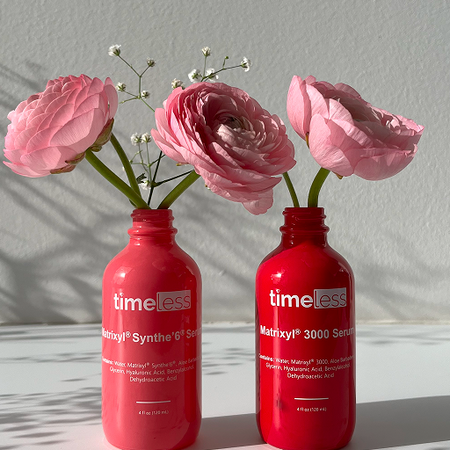
Matrixyl 3000 contains Palmitoyl Tripeptide-1 and Palmitoyl Tetrapeptide-7. Matrixyl Synthe'6 contains Palmitoyl Tripeptide-38. Peptide formulas may help support the appearance of firmness. They are commonly used in routines focused on the appearance of smoothness, elasticity, fine lines, and visible surface wrinkles.
Vitamin B5, also known as Calcium Pantothenate in select topical preparations, supports the skin barrier and helps the skin retain moisture. It helps the skin feel more comfortable. Learn more in what are the 3 benefits of vitamin B5.
Step 4: Eye Cream
Reapply your eye formula in the evening to maintain surface hydration around the eye contour overnight. Use light pressure to tap the product along the orbital bone, avoiding the eyelids and lash line.
Step 5: Night Cream or Barrier Moisturizer
Evening moisturizers can be richer than daytime lotions. A cream formulated with ceramides, fatty acids, and squalane helps reduce moisture loss overnight, leaving the skin feeling supple by morning.
Step 6: Facial Oil (Optional)
During colder seasons, a facial oil can serve as the final step in your evening routine. Applying two to three drops of oil over your moisturizer adds a supplemental lipid layer.
How to Layer Multiple Serums
Many people use more than one serum to address different cosmetic goals. While combining formulas is common, layering requires careful attention to texture and ingredient compatibility.
Keeping Serum Layering Focused
Applying too many serums at once may increase the risk of product pilling, where formulas ball up on the skin instead of absorbing smoothly. Some people limit their routine to two serums per application session to keep it focused and reduce the chance of surface pilling.
Here is how to sequence multiple serums effectively:
- Apply the lowest viscosity formula first: Watery, fast-absorbing liquids go on before denser, gel-like treatments.
- Prioritize pH-dependent actives: Low-pH formulas, such as L-ascorbic acid, are often applied immediately after cleansing on dry skin.
- Allow brief absorption time: You do not need an extensive wait time between steps, but giving each serum thirty to sixty seconds to settle may help prevent surface pilling.
Managing Ingredient Combinations
Some active ingredients can be used within the same daily routine, while others may be better separated between morning and night.
- Vitamin C and Peptides: While both ingredients offer cosmetic benefits, pairing L-ascorbic acid with certain peptides in the exact same application can occasionally affect stability because vitamin C formulations are acidic. Some routines use vitamin C in the morning and peptides in the evening.
- Direct Acids and Retinoids: Using strong exfoliating acids at the same time as retinoids may contribute to visible irritation, flaking, or dryness. Alternate these treatments across different nights.
- Hydration with Actives: Humectants such as hyaluronic acid may be paired alongside antioxidants, peptides, or retinoids.
Note: Individual reactions to skincare ingredients vary. Anyone with a known sensitivity or diagnosed skin condition should check with their dermatologist before introducing new active combinations.
Setting Realistic Expectations for Your Skincare Routine
Skincare requires patience, consistency, and realistic expectations. The outer layer of the skin naturally renews itself, so visible cosmetic changes may take time.
When beginning a new skincare order or introducing new formulas, allow consistent daily application before judging results. Visible improvements in skin tone, clarity, the look of fine lines, and the appearance of firmness can develop gradually with regular use.
A single topical ingredient is unlikely to stop the natural aging process or eliminate fine lines entirely. Healthy skincare focuses on supporting the outer barrier, maintaining hydration, and using broad-spectrum sunscreen during the day.
A disciplined, consistent routine applied in the correct order can be easier to follow than haphazardly applying dozens of incompatible products.
Frequently Asked Questions
What is the correct order to apply skincare products?
The foundational rule is to apply products from the thinnest consistency to the thickest. Start with a cleanser, followed by toners or mists, then water-based serums, targeted treatments, eye creams, moisturizers, and facial oils. In the morning, broad-spectrum sunscreen is always the final step.
Should vitamin C serum go before or after hyaluronic acid?
Vitamin C and hyaluronic acid can be included in the same routine. When using both, apply the vitamin C serum before the hyaluronic acid serum. L-ascorbic acid is used in acidic liquid formulations. A hyaluronic acid serum helps attract, bind, and retain water in the outer layers of the skin.
Can I use the same skincare order morning and night?
The core structure remains the same, but daytime and nighttime goals differ. Morning routines should include an antioxidant serum and must always finish with a broad-spectrum sunscreen. Evening routines skip the sunscreen and can include double cleansing, targeted exfoliants, or a richer cream that helps reduce moisture loss while you sleep.
How long should I wait between each skincare step?
You do not need to wait several minutes between every product. For most toners, serums, and lotions, waiting thirty to sixty seconds for the liquid to absorb into the skin surface is plenty of time. However, let your daytime moisturizer settle fully before applying sunscreen to ensure an even protective layer.