Introduction
Building an effective regimen involves more than simply choosing quality ingredients. The order in which you apply your products plays a role in how they sit on the skin surface. When you layer textures incorrectly, heavier creams can make it harder for lighter liquids to reach the skin surface.
Learning the fundamental rules of product order helps you organize each step. Whether you follow a minimal three-step plan or use multiple targeted treatments, structuring your morning and evening regimens can help keep your skin comfortable and hydrated. Our skincare quiz can help you organize your routine.
Key Takeaway: Skincare layering follows a simple rule of thumb: apply formulas from thinnest to thickest texture, starting with water-based treatments and finishing with emollient creams and daily sun protection.
The Core Principles of Product Layering
Understanding the logic behind product order makes building a routine simple, even when introducing new steps. For additional guidance, read our article on how to layer multiple serums.
Texture and Molecular Weight
The primary rule of skincare layering is to move from the thinnest consistency to the thickest. Thin, water-based solutions are generally applied before richer products. If you put a lightweight liquid over a rich facial oil or dense cream, the layers may not sit evenly on the skin surface.
Water-Based Formulas Before Oil-Based Formulas
Water and oil do not mix naturally. Water-soluble actives are generally applied first. Once water-based steps are applied, you can follow with oil-soluble ingredients, facial oils, and rich emollient lotions that soften the skin surface.
The Role of Morning vs. Evening Steps
Your morning routine focuses on defending against daily environmental exposure, while your evening routine centers on cleansing away surface debris and providing overnight hydration.
| Morning Routine Focus | Evening Routine Focus |
|---|---|
| Cleansing away overnight oils | Removing makeup, dirt, and daily sunscreen |
| Delivering topical antioxidant support | Applying concentrated targeted treatments |
| Maintaining daytime surface hydration | Replenishing moisture with richer textures |
| Broad-spectrum sun protection | Supporting the skin barrier overnight |


Step-by-Step Morning Skincare Routine
A thoughtful morning routine prepares your skin for the day ahead. Daytime exposure involves external elements such as ultraviolet light, dry air, and airborne pollution.
- Gentle Cleanser: Start by washing your face with lukewarm water and a mild, non-stripping cleanser. This step removes sweat and overnight surface oils.
- Hydrating Toner or Mist: If you use a balancing toner or facial mist, apply it immediately after washing. A toner can prepare the skin surface for subsequent leave-on products.
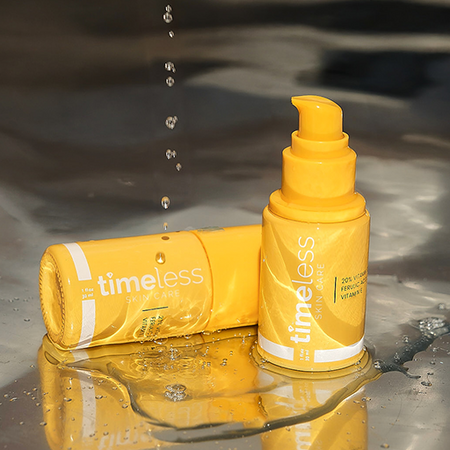
- Antioxidant Serum: The 20% Vitamin C + E Ferulic Acid Serum is a vitamin C serum. Morning use is the most common recommendation for vitamin C, but it is not the only option. A dedicated antioxidant step helps defend against oxidative stress caused by environmental factors such as UV exposure and pollution. L-ascorbic acid is the most researched form. It helps brighten the look of dullness and uneven tone. Morning vitamin C use should always be paired with broad-spectrum sunscreen.
- Eye Care: If you include a dedicated eye treatment, tap a small amount around the orbital bone using your ring finger. Apply it before facial lotion.
- Daytime Moisturizer: A daily face cream or lightweight lotion helps reduce transepidermal water loss (TEWL). Choose a gel or light cream that keeps skin comfortable without feeling greasy under daytime conditions.
- Broad-Spectrum Sunscreen: Daily sun protection is essential. Broad-spectrum sunscreen rated SPF 30 or higher must always be the final step of your morning skincare regimen. Apply it generously over your entire face, neck, and the tops of your ears before heading outdoors.
How to use: Allow your daytime moisturizer to settle before applying broad-spectrum sunscreen. Applying sunscreen over wet moisturizer can affect even application.
Step-by-Step Evening Skincare Routine
At the end of the day, your skin needs thorough cleansing to clear away accumulated grime, excess sebum, and daytime cosmetics.
- First Cleanse: If you wear makeup or water-resistant sunscreen, begin with an oil-based cleanser or micellar water. This can help remove surface pigments and sunscreen.
- Second Cleanse: Follow with a gentle water-based face wash to rinse away any remaining residue and leave your skin clean.
- Exfoliating Treatment: Two to three nights per week, you may use a gentle chemical exfoliant containing alpha or beta hydroxy acids. Exfoliating removes built-up dead skin cells from the outer surface, improving rough texture. Avoid exfoliating every night to help limit irritation.
- Hydrating and Peptide Serums: After cleansing, apply your targeted water-based serums. For hydration, sodium hyaluronate is the sodium salt of hyaluronic acid. It helps attract, bind, and retain water in the outer layers of the skin. Peptides may help support the appearance of firmness.
- Night Cream: Finish your evening regimen with a nourishing moisturizer. Nighttime formulas are often slightly more emollient than morning lotions. A moisturizer helps reduce moisture loss while you rest.
Key Ingredients and How to Layer Them
Knowing where individual ingredients fit can help you select the right steps for your personal skin goals.
Hyaluronic Acid
The Hyaluronic Acid 100% Pure is a hyaluronic acid serum. Hyaluronic acid is a humectant, not a moisturizer. It helps support hydration in the upper layers of the epidermis. It helps improve the appearance of dehydration lines. Apply it to slightly damp skin after cleansing.
Coenzyme Q10
Ubiquinone is a lipid-soluble antioxidant naturally found in skin. CoQ10 provides antioxidant support as the skin's natural CoQ10 levels decline with age. It helps improve the appearance of fine lines and supports firmer-looking skin. CoQ10 is generally used once daily.
If you have vitiligo, check with your dermatologist before using a CoQ10 product.
Vitamin B5
Vitamin B5 supports the skin barrier and helps the skin retain moisture. It helps the skin feel more comfortable. Learn more in what are the 3 benefits of vitamin B5.
Matrixyl Peptides
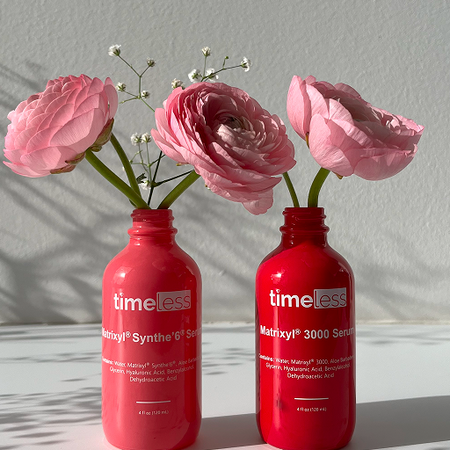
The Matrixyl® 3000 Serum is a peptide serum. Matrixyl 3000, a blend of Palmitoyl Tripeptide-1 and Palmitoyl Tetrapeptide-7, and Matrixyl Synthe'6, Palmitoyl Tripeptide-38, are peptide ingredients. They may help support the appearance of firmness.
| Ingredient | Primary Skincare Function | Recommended Layering Step |
|---|---|---|
| L-Ascorbic Acid (Vitamin C) | Helps brighten the look of dullness and uneven tone | Clean skin before moisturizer |
| Hyaluronic Acid | Helps attract, bind, and retain water in the outer layers of the skin | First liquid serum step on damp skin |
| Coenzyme Q10 (Ubiquinone) | Provides antioxidant support as the skin's natural CoQ10 levels decline with age | After lighter water serums, before cream |
| Peptides (Matrixyl) | May help support the appearance of firmness | After cleansing or toning, before moisturizer |
| Ceramides & Emollients | Helps reduce transepidermal water loss (TEWL) | Penultimate step before sunscreen in the morning or final step in the evening |
Customizing by Skin Type and Setting Realistic Expectations
Not everyone needs a complicated ten-step routine. Adjusting the number of layers based on your skin type can help avoid unnecessary layering or dryness.
Tailoring Your Steps
- Dry Skin: Prioritize humectants followed by rich creams containing emollients and occlusives. Moisturizers help reduce moisture loss.
- Oily Skin: Keep daytime layers light by choosing water-based serums and oil-free gel lotions that hydrate without heaviness.
- Combination Skin: Use lighter textures across the entire face and apply richer moisturizers only to areas prone to flaking.
If you have a known sensitivity or diagnosed skin condition, individual reactions vary, so check with your dermatologist before introducing new active formulas.
Realistic Expectations for Cosmetic Results
Improving skin appearance requires patience and consistency. Hydrating humectants can make the surface look fresh and smooth. Hyaluronic acid helps improve the appearance of dehydration lines. Changes in the appearance of dullness, fine lines, and firmer-looking skin may take consistent use.
Consistent application and broad-spectrum sunscreen can support cosmetic results over time. Founded in 2009 by Veronica Pedersen, Timeless Skin Care focuses on high-concentration active ingredients made in the USA in small batches to help you build an effective routine.
Frequently Asked Questions
Can I apply multiple serums in the same routine?
Yes, you can layer multiple serums by applying the lightest, most fluid formula first and letting it settle before applying slightly thicker treatments. For example, a watery hyaluronic acid serum goes on before a slightly denser peptide or antioxidant serum. Limiting your routine to two or three targeted serums per application prevents the skin from feeling weighed down.
Should I wait between applying different skincare steps?
Most water-based steps can be layered as soon as the previous layer feels mostly settled on the skin surface. The main exception is sunscreen. Always allow your moisturizer to dry down before applying broad-spectrum sunscreen so it can be applied evenly.
Does the order change if I use a face oil?
Face oils consist of lipid-rich emollients, so they belong near the very end of your regimen. Apply face oils either directly over your moisturizer or mixed into your night cream. Applying an oil before water-based serums can make it harder for lighter hydrating liquids to layer evenly.
Do I need to use the exact same products in the morning and evening?
Your morning and evening routines share similar foundational principles, but they serve different goals. Daytime regimens prioritize antioxidant support and broad-spectrum sunscreen, while evening routines focus on makeup removal, gentle exfoliation, and richer moisture. Keeping daytime formulas lightweight and reserving richer textures for night can support comfort around the clock.