Introduction
Skincare routines can easily feel overwhelming. Between cleansers, toners, concentrated serums, moisturizers, and facial oils, the number of choices grows every year. Yet buying the right formulas is only half the equation. The order of applying skincare can affect how well products layer on your skin.
Applying formulas out of sequence may make layering less effective. A lightweight hydrator applied over a heavy oil may sit on the surface. Understanding the logic behind skincare layering helps you build an effective daily regimen with a consistent order for each step. Our skincare quiz can help guide your routine-building process.
Founded in 2009 by Veronica Pedersen, Timeless Skin Care focuses on clean formulas and simple routines built around high-concentration actives. Whether you use three steps or seven, following a consistent order can help you use each step effectively. Learn more about Timeless Skin Care.
Quick Answer: Apply your skincare from thinnest to thickest consistency, moving from water-based products to oil-based formulas. Finish with broad-spectrum sunscreen in the morning and a moisturizer or facial oil at night.
The Fundamental Rules of Skincare Layering
Layering does not have to be complicated. Cosmetic chemists and aestheticians follow a few principles to determine where each formula belongs in a regimen.
1. Thin to Thick Texture
The physical consistency of a product determines how it interacts with the skin surface. Lightweight, watery liquids absorb quickly and easily. Dense creams and balms take longer to settle and leave a protective coating. If you apply a dense cream first, a watery fluid may not easily reach the skin underneath. A common approach is to start with light textures and finish with heavier ones.
2. Water Before Oil
Water and oil do not mix naturally. Water-based formulas generally go before oil-based formulas and can deliver water-soluble active ingredients and humectants. Oil-based formulas may help reduce moisture loss. Applying a water-based serum over a facial oil may make it harder for the serum to absorb effectively.
3. pH and Active Formulations
Certain active ingredients require specific skin conditions to function as intended. For example, L-ascorbic acid operates best in a low-pH environment. Applying such targeted treatments immediately after cleansing, or after a balancing toner, can help them interact directly with the skin before richer creams alter the surface environment. For ingredient definitions, visit our ingredient glossary.
4. Daytime Defense vs. Nighttime Renewal
Your skin has different needs depending on the time of day. Daytime routines focus on defense against daily stressors like sunlight and pollution. Evening routines focus on cleansing, surface moisture, and supporting the appearance of firmness with targeted treatments.
| Product Type | Base Formula | Primary Function | Routine Position |
|---|---|---|---|
| Water-Based Cleanser | Water / Surfactants | Removes debris and surface oils | Step 1 (AM/PM) |
| Hydrating Toner | Water | Preps and hydrates upper layers | Step 2 (AM/PM) |
| Water-Based Serum | Water | Delivers concentrated actives | Step 3 (AM/PM) |
| Emulsion / Eye Cream | Water & Light Lipids | Targets delicate areas | Step 4 (AM/PM) |
| Moisturizer | Water, Emollients, Occlusives | Helps reduce moisture loss | Step 5 (AM/PM) |
| Facial Oil | 100% Lipids | Conditions and softens surface | Step 6 (PM optional) |
| Sunscreen | Mineral or Chemical Filters | Defends against UV rays | Final Step (AM) |


Step-by-Step Morning Skincare Routine
Your morning routine prepares your face for the day ahead. It focuses on gentle cleansing, antioxidant defense, surface hydration, and essential UV protection.
Step 1: Gentle Cleansing
Start your day by washing away nighttime sweat, sebum, and residue from evening treatments. A gentle, sulfate-free foaming or gel cleanser is sufficient. If your skin feels particularly dry in the morning, rinsing with lukewarm water alone can work well.
Step 2: Hydrating Toner or Mist
A hydrating toner prepares the surface for subsequent steps. Toners help wet the skin and deliver initial humectants. Unlike old-fashioned astringents, modern hydrating toners should be free of drying alcohols.
Step 3: Daytime Antioxidant Serums
Antioxidants are a cornerstone of morning skincare. Applying an antioxidant in the morning supports the skin's antioxidant defenses.
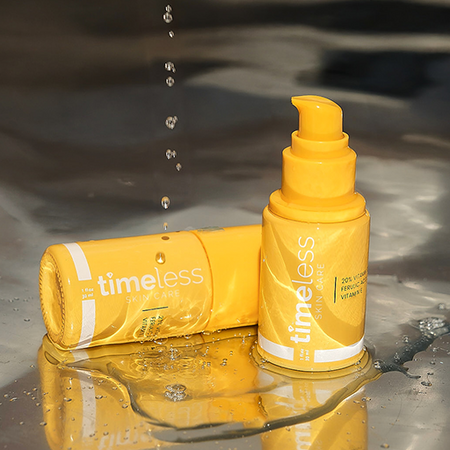
Vitamin C is one of the most widely researched topical antioxidants. It is commonly used in morning routines, although morning is not the only option. When used in the morning, pair it with broad-spectrum sunscreen. It helps brighten the look of dullness and uneven tone. It helps defend against oxidative stress caused by environmental factors such as UV exposure and pollution. The 20% Vitamin C + E Ferulic Acid Serum is an example in this category.
Another morning antioxidant is Coenzyme Q10 (Ubiquinone). CoQ10 provides antioxidant support as the skin's natural CoQ10 levels decline with age. It helps improve the appearance of fine lines. It supports firmer-looking skin. CoQ10 is generally used once daily. The Coenzyme Q10 Serum is in this category. If you have vitiligo, check with your dermatologist before using a CoQ10 product.
Step 4: Hydrating Serums
After applying your antioxidant treatments, apply hydrating serums. Ingredients like hyaluronic acid are ideal at this stage. Hyaluronic acid helps attract, bind, and retain water in the outer layers of the skin. It helps support hydration in the upper layers of the epidermis. It helps improve the appearance of dehydration lines. The Hyaluronic Acid 100% Pure is an example in this category.
Step 5: Eye Cream
The skin around the eyes is thinner than the rest of the face. An eye cream helps condition this area without feeling overly heavy. Gently tap a small amount along the orbital bone using your ring finger.
Step 6: Lightweight Moisturizer
A daily moisturizer helps reduce transepidermal water loss (TEWL), the water that evaporates from the skin's surface. For daytime wear under makeup and sunscreen, a lightweight lotion or gel-cream provides comfort without feeling greasy.
Step 7: Broad-Spectrum Sunscreen
Sunscreen is the final step of every morning skincare routine. UV radiation contributes significantly to visible premature aging, loss of elasticity, and uneven tone.
Apply a generous layer of broad-spectrum sunscreen with SPF 30 or higher to your face, neck, and ears. Allow your moisturizer to absorb for one to two minutes before applying sunscreen to ensure an even protective film. Never mix your sunscreen directly into your moisturizer or foundation, as dilution can compromise the level of protection.
Key Takeaway: Always finish your morning routine with broad-spectrum sunscreen. Sunscreen forms an external shield that must sit on top of all other skincare products to work properly.
Step-by-Step Evening Skincare Routine
Your evening routine focuses on thorough cleansing, targeted active treatments, and supporting the skin barrier while you rest.
- First Cleanse: Remove makeup, sunscreen, and daily pollutants using an oil cleanser, cleansing balm, or micellar water. Massage it over dry skin to break down oil-soluble particles, then rinse thoroughly.
- Second Cleanse: Use a water-based cleanser to remove remaining sweat, impurities, and residue. This leaves the skin clean and ready for active ingredients.
- Exfoliation: Two to three nights per week, use a chemical exfoliant such as an AHA (glycolic or lactic acid) or BHA (salicylic acid). Exfoliation removes built-up dead surface cells and smooths texture. Skip this step on nights when you use stronger retinoids to avoid irritation.
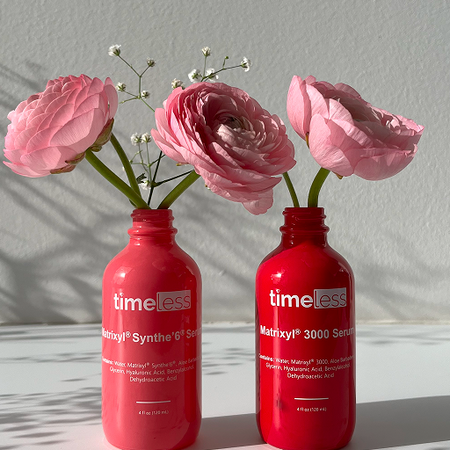
- Targeted Serums and Peptides: Evening is an excellent time to apply peptide serums. Peptides like Matrixyl 3000 (Palmitoyl Tripeptide-1 and Palmitoyl Tetrapeptide-7) and Matrixyl Synthe'6 (Palmitoyl Tripeptide-38) may help support the appearance of firmness. Other evening options include Vitamin B5 (Calcium Pantothenate), which supports the skin barrier and helps the skin retain moisture.
- Eye Cream: Apply your targeted eye treatment around the orbital area to hydrate and support the look of the eye contour.
- Night Moisturizer: Choose a richer cream containing ceramides, fatty acids, or nourishing emollients. A good night cream helps reduce transepidermal water loss (TEWL), the water that evaporates from the skin's surface overnight.
- Facial Oil (Optional): For very dry skin, pat two to three drops of a plant-derived facial oil over your moisturizer as the final step to condition the surface and add extra comfort.
How to Layer Multiple Serums and Active Ingredients
Many people use more than one serum in their daily routine. Knowing how to combine and sequence them can help reduce pilling, support comfortable absorption, and avoid unnecessary irritation. For more guidance, read How to Layer Multiple Serums.
The Rule of Viscosity for Serums
If you are using two or three serums in the same routine, arrange them generally by texture:
- Thin, watery serums go first, such as pure L-ascorbic acid or liquid hydrators.
- Moderately viscous serums go second, such as thicker peptide solutions or hyaluronic acid gels.
- Emulsion-based or milky serums go third, such as lipid-rich formulas or cream serums.
Prioritizing by Primary Skin Concern
If you have two serums of identical viscosity, apply the one addressing your primary skin concern first. If your main goal is supporting skin texture and firmness, apply your peptide serum before your general hydrator. If your primary struggle is surface dehydration, apply the hyaluronic acid serum first.
Understanding Ingredient Compatibility
Certain ingredients work well together, while others require careful spacing:
- Hyaluronic Acid and Peptides: Hyaluronic acid and peptides can be used in the same routine.
- Vitamin C and Sunscreen: Vitamin C can be used before daily broad-spectrum sunscreen.
- Retinoids and Exfoliating Acids: Using them in the same routine may cause dryness or flaking. Alternate them by using exfoliating acids on certain nights and retinoids on others.
- Active Ingredients and Vitamin B5: Vitamin B5 supports the skin barrier and helps the skin retain moisture.
Wait Times Between Layers
You do not need to wait ten minutes between every step. In most cases, you only need to wait 30 to 60 seconds, or until the previous product feels absorbed and no longer tacky.
For pH-dependent products like L-ascorbic acid or direct exfoliating acids, waiting one to two minutes before applying your next layer gives the formula time to settle on the skin. Always let your moisturizer absorb fully before applying sunscreen.
Note: If you experience product pilling, you may be applying too much product, layering formulas too quickly, or combining silicones and oils that do not layer well.
Managing Expectations and Common Application Mistakes
Skincare requires patience and realistic expectations. The cosmetics industry often promotes overnight transformations, but cosmetic changes are gradual.
Cosmetic improvements in hydration and surface plumpness may appear relatively quickly. However, improvements in the look of fine lines, uneven skin tone, and firmness take time. Visible changes in tone, texture, and elasticity develop gradually with consistent daily use. Individual results will vary depending on your skin type, environmental exposure, genetics, and adherence to daily sunscreen use.
Common Application Mistakes to Avoid
- Applying Hyaluronic Acid to Completely Parched Skin: Hyaluronic acid helps attract, bind, and retain water in the outer layers of the skin. If applied in an extremely dry environment without any surface moisture, it may not hydrate as effectively. Apply your hyaluronic serum to slightly damp skin directly after cleansing or toning.
- Skipping Sunscreen on Cloudy Days: Up to 80% of UV rays can penetrate cloud cover. Skipping sunscreen reduces your defense against visible photoaging and uneven tone, regardless of how many serums you use.
- Overloading the Skin with Too Many Actives: Layering five active serums at once may not improve results. Combining too many concentrated formulas can overwhelm the skin and cause redness or barrier discomfort. Stick to one or two active serums per routine.
- Rubbing Instead of Patting: Vigorously rubbing serums into the skin can create friction and cause products to pill. Gently pat and press serums into the face and neck using your palms or fingertips.
- Inconsistent Application: Using an antioxidant or peptide serum once a week may be less likely to yield noticeable cosmetic results. Consistency in your morning and evening routines can support gradual improvements in skin appearance.
If you ever experience irritation or sensitivity when introducing a new product, reduce your frequency of use. Because individual skin reactions vary, anyone with a known sensitivity or diagnosed skin condition should check with their dermatologist before starting a new active regimen.
Frequently Asked Questions
How long should I wait between applying skincare steps?
Most skincare steps only require 30 to 60 seconds between applications, or enough time for the product to absorb so your face no longer feels wet. For pH-sensitive products like L-ascorbic acid, waiting one to two minutes allows the formula to settle before you apply the next layer. Sunscreen should always be allowed to dry down before you apply makeup.
What is the correct order for applying face oil in a routine?
Facial oils should generally be applied as the last step of your evening routine, or right before sunscreen in the morning if you use very light oils. Because oils are occlusive and emollient, they create a surface layer that helps reduce moisture loss. If you apply a water-based serum over a facial oil, the serum may not absorb as effectively.
Can I use Vitamin C and hyaluronic acid in the same routine?
Yes, Vitamin C and hyaluronic acid can be used in the same morning routine. Apply your Vitamin C serum first to clean, dry skin so its low-pH formula can interact directly with the surface. Follow with your hyaluronic acid serum. Hyaluronic acid helps support hydration in the upper layers of the epidermis. Finish with moisturizer and sunscreen.
Should I apply eye cream before or after my moisturizer?
Apply eye cream before your facial moisturizer. Eye creams are generally lighter than dense facial creams and contain targeted ingredients for the delicate skin around the orbital bone. Applying your eye cream first places it before a heavier all-over moisturizer.