Introduction
Layering skincare and makeup in the right sequence makes a noticeable difference in how your complexion looks and feels throughout the day. When you apply formulas out of order, you may notice product pilling, patchy makeup coverage, or less comfortable layering.
The relationship between your morning skincare and your cosmetic products is straightforward. Skincare prepares, hydrates, and defends the skin surface. Makeup sits on top to even out tone and add color. If the foundation underneath is uneven, your makeup will reflect that texture.
Founded in 2009 by Veronica Pedersen, Timeless Skin Care focuses on simple, effective formulas that support daily skin health. All of our formulations are cruelty-free and built around practical daily routines. Understanding how formulas interact allows you to build a routine that supports your skin and creates a smooth base for cosmetics.
Quick Answer: Apply skincare first from thinnest consistency to thickest, finish with a broad-spectrum sunscreen, wait a few minutes for the products to settle, and then apply makeup starting with liquid or cream formulas before powders.
Core Rules for Layering Skincare and Makeup
Layering products successfully relies on a few fundamental rules of cosmetic chemistry and texture dynamics. Applying a heavy oil before a light water-based liquid may make it harder for the water-based formula to reach the skin surface. Keeping these basic principles in mind can help make your routine efficient and smooth.
The Thin-to-Thick Principle
The standard guideline for both skincare and makeup is to apply products with the lightest consistency first and progress toward heavier formulas. Water-like liquids absorb quickly. Thicker creams and facial oils create a surface barrier that lighter liquids may not easily penetrate.
- Lightweight liquids and watery solutions.
- Gel-based serums and light emulsions.
- Lotions and medium-weight creams.
- Rich creams and facial oils.
- Sunscreen.
- Makeup primers and liquid foundations.
- Setting powders and powder cosmetics.
Following this progression can help each layer reach the skin surface without fighting through a heavy physical barrier.
Water Bases Versus Oil Bases
Formulations generally fall into water-based, silicone-based, or oil-based categories. When water-based and silicone-based or oil-based products are layered too quickly without proper dry time, they can separate. This separation can contribute to pilling, the small ball-like clumps that roll off the face during makeup blending.
For everyday wear, match the general base of your primer and foundation. A water-based foundation often sits best over a water-based or lightweight hydrating prep step. If you use a silicone-heavy makeup primer, allow your moisturizer and sunscreen to settle fully before applying it.
Absorption Time Between Steps
Patience between steps can help prevent formulas from lifting off the skin. You do not need to wait ten minutes between every serum, but giving your formulas thirty to sixty seconds to settle may help prevent product buildup.
Sunscreen requires dedicated setting time. Broad-spectrum sunscreen creates a protective film across the epidermis. Applying foundation immediately over fresh sunscreen can disrupt that film and create streaks in your foundation.
| Product Category | Primary Purpose | Ideal Texture Order | Typical Wait Time |
|---|---|---|---|
| Water-Based Serum | Surface hydration or antioxidant delivery | Step 1 (after cleansing) | 30 to 60 seconds |
| Moisturizer | Surface barrier support and comfort | Step 2 (after serum) | 1 to 2 minutes |
| Sunscreen | Daily defense against UV rays | Step 3 (skincare final step) | 3 to 5 minutes |
| Primer / Base Makeup | Skin tone evening and cosmetic finish | Step 4 (makeup start) | Blend as needed |


The Step-by-Step Daytime Skincare Sequence
Your morning skincare routine focuses on surface hydration, antioxidant support, and defense against daily environmental exposure. Here is a practical step-by-step sequence before you reach for any cosmetic products.
Step 1: Gentle Cleansing
Start your morning by washing away sweat, excess surface oils, and residual nighttime products. A gentle, non-stripping cleanser refreshes the skin without leaving it tight or dry.
If your skin feels particularly dry upon waking, a lukewarm water rinse may be sufficient. Oily and combination skin types generally benefit from a mild gel or foaming wash to ensure a clean surface for daytime layering.
Step 2: Hydrating Toner or Essence
Toners and essences provide a fast layer of surface hydration. Modern toners are alcohol-free liquids designed to prep the skin rather than strip it.
Applying an essence or toner leaves the skin slightly damp. Applying your next hydrating steps onto damp skin can support overall surface comfort.
Step 3: Targeted Serums
Serums contain concentrated ingredients designed to address specific cosmetic concerns. When using multiple serums, apply the thinnest liquid first, followed by slightly thicker gel textures. For additional guidance, see our article on layering multiple serums.
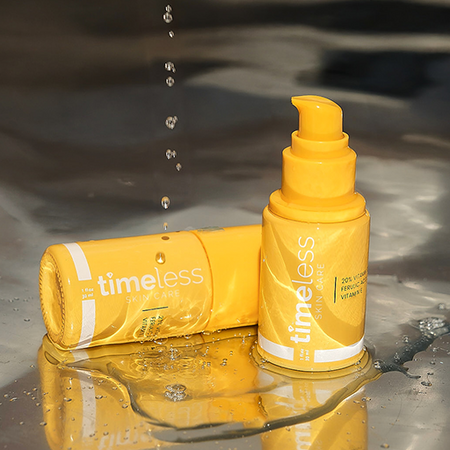
- Antioxidants: The 20% Vitamin C + E Ferulic Acid Serum is in our antioxidant category. Vitamin C is a popular morning choice. If you use it in the morning, follow with broad-spectrum sunscreen. A topical antioxidant helps defend against oxidative stress caused by environmental factors such as UV exposure and pollution. Vitamin C also helps brighten the look of dullness and uneven tone.
- Humectants: The Hyaluronic Acid 100% Pure is in our hydration category. Hyaluronic acid is a humectant, not a moisturizer. It helps attract, bind, and retain water in the outer layers of the skin. It helps support hydration in the upper layers of the epidermis. It helps improve the appearance of dehydration lines.
- Barrier Support Ingredients: Vitamin B5 supports the skin barrier and helps the skin retain moisture. It also helps the skin feel more comfortable under daily wear.
Key Takeaway: Serums deliver focused ingredients to the skin surface. Apply water-soluble antioxidants and humectants before applying any creams or oils.
Step 4: Eye Cream
The Dark Circle Peptide Complex Eye Cream is in our eye care category. The skin around the orbital area is thin and prone to early dryness. A light eye cream provides targeted hydration to keep the under-eye area looking smooth before concealer application.
Apply a tiny amount using your ring finger, gently tapping along the orbital bone. Allow the formula to settle so your under-eye cosmetics do not slide into fine lines.
Step 5: Moisturizer
A daily moisturizer helps reduce transepidermal water loss (TEWL), the water that evaporates from the skin's surface. It also smooths down rough surface flakes so cosmetics glide evenly over the face.
Choose a texture that aligns with your skin type. Oily skin often prefers a light gel-cream that absorbs with a matte or natural finish. Drier skin types may benefit from richer lotions containing ceramides or fatty acids to maintain comfort throughout the day.
Step 6: Broad-Spectrum Sunscreen
Daily broad-spectrum sunscreen is an important step in any daytime skincare regimen. Sunscreen must always be the final step of your skincare routine, sitting directly on top of your moisturizer.
Apply a generous amount to cover your entire face, neck, and ears. Choose a formula rated SPF 30 or higher. Let your sunscreen settle for three to five minutes before introducing makeup. This pause allows the UV filters to set into a uniform protective layer.
How to Apply Makeup Over Skincare
Once your skincare has settled, you can transition to cosmetic application. Applying makeup over well-prepped skin requires less product because the base is already smooth and hydrated.
- Skincare base and broad-spectrum sunscreen.
- Optional makeup primer.
- Color correctors where desired.
- Liquid or cream foundation.
- Spot concealer.
- Cream blush and bronzer.
- Translucent setting powder.
- Powder blush, bronzer, or highlighter.
- Brow, eye, and lip makeup.
- Setting spray.
1. Makeup Primer (Optional)
Primer serves as an optional bridge between sunscreen and foundation. A gripping primer extends makeup longevity, while a smoothing primer helps soften the look of enlarged pores or rough surface texture.
If your moisturizer and sunscreen already provide a smooth, balanced canvas, you can skip primer entirely. If you use one, apply a pea-sized amount, focusing on areas with excess oil or visible texture.
2. Color Correction
Color correctors neutralize visible discoloration before you apply foundation. This step allows you to use less foundation and concealer overall.
- Green correctors help offset the visible look of redness on the cheeks or around the nose.
- Peach, bisque, or orange correctors help balance the appearance of blue or purple tones under the eyes.
- Yellow correctors help brighten general dullness across olive or medium skin tones.
Tap color corrector lightly onto specific areas and blend the edges before adding foundation.
3. Foundation and Tinted Base
Foundation balances out your overall skin tone. Whether you use a sheer tinted moisturizer, a medium-coverage liquid, or a full-coverage cream, always work from the center of the face outward.
Use a damp beauty sponge or a dense foundation brush. Stippling or pressing the product into the skin creates a more natural finish than wiping, which can drag against the skincare underneath.
4. Concealer
Applying concealer after foundation prevents you from using unnecessary product. Your foundation will already cover minor discolorations, leaving concealer for targeted areas that require extra coverage.
Place a small dot of concealer on the inner corner of the under-eye area and any areas that need extra coverage. Blend gently with a sponge or finger, keeping the edges soft so the product melts into the surrounding foundation.
5. Creams Before Powders
If you use cream bronzers, liquid blushes, or cream highlighters, apply them before you set your face with powder. Layering a cream over a dry powder often results in patchiness and lifting.
Blend cream products using upward motions along the cheekbones and temples. Once your liquid and cream products are placed and blended, you are ready to set the face.
6. Setting Powder and Powder Products
Translucent powder sets liquid base products in place and reduces unwanted midday shine. Focus powder on your T-zone, which includes the forehead, nose, and chin.
- Use a light dusting of loose powder with a fluffy brush for a natural finish.
- Use a powder puff pressed gently into the skin for added longevity and oil control.
- Follow your translucent powder with powder blush, bronzer, or highlighter to reinforce color and dimension.
The Evening Skincare Order After Makeup Removal
Your nighttime routine shifts focus from protection to cleansing and comfort. Night can be a practical time to use richer creams or active treatments that are sensitive to sunlight.
Step 1: Makeup Removal and Double Cleansing
Going to bed with makeup on traps surface debris, residual cosmetics, and daily sebum against the skin. A double cleanse can help create a clean surface.
- First Cleanse: Apply a cleansing oil, balm, or micellar water to dry skin. Massage gently to dissolve long-wear foundation, mascara, and water-resistant sunscreen. Rinse with lukewarm water.
- Second Cleanse: Follow with a water-based gel or cream cleanser to wash away leftover residue and impurities from the skin surface.
Step 2: Nighttime Treatment Serums
Nighttime is suited for targeted treatments such as retinoids, exfoliating acids, or peptide complexes. Peptides may help support the appearance of firmness.
CoQ10 products are generally used once daily. If you have vitiligo, check with your dermatologist before using a CoQ10 product.
If you use exfoliating acids such as glycolic or salicylic acid, limit use to two or three nights per week to avoid surface irritation. Alternate these nights with restorative hydrators.
Step 3: Night Cream or Facial Oil
Night creams are often richer than daytime lotions. They help reduce moisture loss.
For very dry skin types, patting a few drops of facial oil over your night cream provides an extra layer of surface comfort. Oily skin types can skip facial oils and stick to a balanced night lotion.
Note: Individual skin reactions vary when introducing new active skincare steps. Anyone with a known sensitivity or diagnosed skin condition should check with their dermatologist.
Setting Realistic Expectations for Your Skin
Achieving healthy-looking skin and smooth makeup application takes time, consistency, and realistic expectations. Skincare products do not generally transform the skin overnight. Visible cosmetic changes in skin smoothness, tone, and hydration can appear gradually with consistent daily use.
Real skin has texture, pores, fine lines, and natural variations in tone. Makeup is designed to enhance your appearance, not create an airbrushed, poreless surface. Even with ideal skincare prep, makeup will look like makeup in natural lighting.
Consistency with your daily sequence, adequate settling time between steps, and broad-spectrum sunscreen each morning can support a smoother cosmetic base. This approach also helps support the skin barrier and reduce the look of surface dryness.
Frequently Asked Questions
Can I mix my serum or moisturizer directly into my foundation?
Mixing a drop of hydrating serum or light moisturizer into a full-coverage foundation can sheer out the formula for a dewier, more natural finish. However, you should never mix foundation directly into your broad-spectrum sunscreen. Mixing anything into your sunscreen alters the protective film and compromises your defense against UV rays.
Why does my makeup pill when I apply it over my skincare?
Pilling happens when formulas on your skin cannot blend together properly. Common causes include applying too many thick layers, mixing incompatible silicone and water bases too quickly, or not allowing enough time for your moisturizer and sunscreen to settle before applying foundation. Giving your skincare two to three minutes to settle may help resolve the issue.
Do I need to wait between applying sunscreen and makeup?
Yes. Allow broad-spectrum sunscreen three to five minutes to settle into a uniform layer over the skin surface. Applying liquid or cream foundation immediately over wet sunscreen can disrupt this protective layer, shift the sun protection around, and cause base makeup to apply unevenly or slide off during the day.
Can I skip moisturizer if my sunscreen feels hydrating enough?
If you have oily or combination skin and your broad-spectrum sunscreen contains hydrating ingredients, you may be able to skip a separate morning moisturizer. For many people, a hydrating serum followed directly by a moisturizing sunscreen may provide enough surface hydration without overloading the skin with heavy layers under makeup.