Introduction
Layering your skincare products correctly can make a noticeable difference in your daily regimen. You might invest in quality formulations, but applying them in an ineffective sequence can keep those ingredients from performing as intended. Skincare layering follows simple principles rooted in product texture, chemistry, and formulation weight.
Applying a lightweight water-based serum over a thick face cream may leave the serum sitting on the surface. Understanding the order of a skincare routine allows you to structure your morning and evening habits for a consistent routine. Whether your routine has three steps or six, knowing how and why to layer each formula helps you care for your complexion with confidence.
Founded in 2009 by Veronica Pedersen, Timeless Skin Care focuses on clean, straightforward formulations that fit easily into an intentional daily routine. This guide walks you through the core rules of product application, step-by-step daytime and nighttime sequences, and the best ways to combine targeted ingredients.
Quick Answer: Apply your skincare products from thinnest to thickest consistency. Start with cleansing, move on to water-based serums and active treatments, follow with moisturizing creams to help reduce moisture loss, and finish every morning routine with a broad-spectrum sunscreen.
The Core Principles of Product Layering
Knowing the underlying logic of skincare layering makes following the sequence intuitive. You do not need to memorize every single product combination when you understand three fundamental rules.
1. Layer from Thinnest to Thickest Consistency
The primary rule of skincare application is to apply the lightest liquid textures first and finish with the richest formulas. Water-based liquids, watery toners, and lightweight serums have low viscosities and are generally applied before lotions, creams, and facial oils.
In contrast, thick lotions, creams, and facial oils contain larger emollients and occlusive agents. If you apply a dense moisturizer first, a lightweight water-based serum applied over it may sit on the surface rather than absorbing as expected.
2. Apply Water-Based Formulas Before Oil-Based Formulas
Water-based serums, such as those featuring hyaluronic acid or certain forms of vitamin C, are generally applied to clean skin before lipid-rich products.
Once your water-based treatments have settled, you can apply lipid-rich products. Face oils and oil-infused creams belong near the very end of your regimen because they create an emollient layer across the surface.
3. Match the Product to the Time of Day
Your skin faces different environmental conditions during the day than it does while you sleep. A morning routine focuses on daily exposure, while an evening routine focuses on thorough cleansing, hydration, and targeted care.
- Morning priorities: Gentle cleansing, antioxidant defense, hydration, and non-negotiable sun protection.
- Evening priorities: Removing makeup and sunscreen, targeted ingredients, and richer creams that support barrier comfort.
For additional guidance, see our article on how to layer multiple serums.


Your Step-by-Step Morning Skincare Routine
A daytime routine prepares your skin to face UV rays, dry indoor air, and city pollution. Keeping the sequence organized helps maintain a balanced, comfortable complexion throughout the day.
| Step Number | Routine Step | Product Type | Primary Role |
|---|---|---|---|
| Step 1 | Cleanse | Water-based or gentle cleanser | Clears surface oil and nighttime residue |
| Step 2 | Tone / Mist | Hydrating toner or facial mist | Delivers initial upper-layer hydration |
| Step 3 | Antioxidant Serum | Vitamin C or CoQ10 formula | Supports the skin's antioxidant defenses |
| Step 4 | Hydrating Serum | Hyaluronic acid or peptide serum | Helps support hydration in the upper layers of the epidermis |
| Step 5 | Eye Cream | Lightweight eye treatment | Softens the look of fine lines around the orbital area |
| Step 6 | Moisturizer | Daily lotion or gel cream | Helps reduce transepidermal water loss (TEWL) |
| Step 7 | Sunscreen | Broad-spectrum SPF 30+ | Protects against UV radiation |
Step 1: Cleanser
Start your morning by washing away sweat, excess sebum, and residual night creams. A gentle, sulfate-free cleanser refreshes the skin without leaving it feeling tight or stripped. If you have particularly dry skin, rinsing thoroughly with lukewarm water may be sufficient.
Step 2: Hydrating Toner or Mist (Optional)
A gentle toner helps remove lingering impurities while dampening the skin. Choosing a formula free of harsh alcohols helps the skin feel more comfortable. Lightly misting or patting a liquid toner across your face provides a receptive surface for your water-soluble serums.
Step 3: Daytime Antioxidant Serum
Morning is the most common time to apply an antioxidant treatment. An antioxidant helps defend against oxidative stress caused by environmental factors such as UV exposure and pollution. An antioxidant serum is generally applied early in the routine, on clean skin.
Vitamin C helps brighten the look of dullness and uneven tone. L-ascorbic acid is the most researched form of vitamin C. Formulation, packaging, and stability also matter.
Morning use is the most common recommendation, not the only option. When used in the morning, pair vitamin C with a broad-spectrum sunscreen.
Another daytime option is ubiquinone, known as CoQ10. This lipid-soluble antioxidant is naturally found in skin and provides antioxidant support as the skin's natural CoQ10 levels decline with age. It helps improve the appearance of fine lines and supports firmer-looking skin. CoQ10 is generally used once daily.
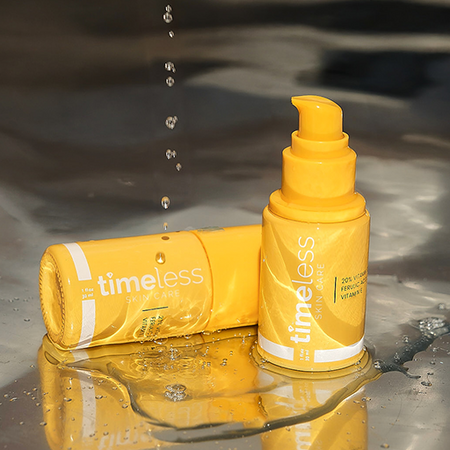
If you have vitiligo, check with your dermatologist before using a CoQ10 product. Do not apply CoQ10 formulas directly under the eyes. The 20% Vitamin C + E Ferulic Acid Serum is in the Vitamin C category.
Step 4: Hydrating and Peptide Serums
After your initial active serum settles, layer your hydrating formulas. Hyaluronic acid is a humectant. Hyaluronic acid helps attract, bind, and retain water in the outer layers of the skin. Hyaluronic acid helps support hydration in the upper layers of the epidermis. It helps improve the appearance of dehydration lines.
If you are incorporating peptides into your daytime routine, this is also their place. Peptides may help support the appearance of firmness. You can apply a targeted peptide formula before or alongside your humectant serums.
Step 5: Eye Cream (Optional)
The skin surrounding the orbital bone is delicate and contains fewer oil glands than the rest of the face. A dedicated eye cream can offer focused hydration and target the look of puffiness or under-eye shadows. Gently tap a pea-sized amount around the orbital bone using your ring finger to avoid pulling the tissue.
Step 6: Moisturizer
A daily moisturizer provides essential emollients that soften dry areas. More importantly, an effective cream helps reduce transepidermal water loss (TEWL), the water that evaporates from the skin's surface. Applying moisturizer over your humectants helps reduce moisture loss. If you have oily skin, a light gel cream may be plenty, while dry skin types often prefer a richer lotion.
Step 7: Broad-Spectrum Sunscreen
Sunscreen is the mandatory final step of every daytime skincare routine. Rain or shine, summer or winter, daily UV exposure contributes to visible signs of premature aging, uneven pigmentation, and skin damage.
Choose a broad-spectrum formula rated SPF 30 or higher. Apply it liberally to your face, neck, and ears as the final layer before makeup. Sunscreen must form an even film on the surface of your skin to work properly, so do not layer other serums or creams over your SPF.
Key Takeaway: Always apply sunscreen as the final step in your morning skincare routine. Allow your moisturizer to absorb beforehand so your sunscreen applies smoothly and evenly.
Your Step-by-Step Evening Skincare Routine
Your nighttime routine focuses on removing the buildup of the day and providing hydration while you rest. The steps mirror the morning flow, with adjustments for deeper cleansing and evening-focused treatments.
- First Cleanse (Makeup and Sunscreen Removal)
- Second Cleanse (Water-Based Face Wash)
- Exfoliant or Clarifying Toner (1 to 3 times weekly)
- Targeted Night Serums (Peptides, Retinoids, or Vitamin B5)
- Hydrating Humectant Serums
- Eye Cream
- Night Cream or Barrier Moisturizer
- Facial Oil (Optional)
Step 1 and Step 2: The Double Cleanse
Cleansing thoroughly at night removes buildup from the day.
- First Cleanse: Use an oil-based cleanser, cleansing balm, or micellar water to break down stubborn sunscreen, makeup, and daily sebum. Massage it gently across dry skin, then rinse with lukewarm water.
- Second Cleanse: Follow with a gentle, water-based foaming or cream cleanser to wash away sweat, airborne particles, and leftover residue.
Step 3: Chemical Exfoliation (Occasional)
Exfoliating products containing alpha-hydroxy acids, such as glycolic or lactic acid, or beta-hydroxy acids, such as salicylic acid, help loosen dead surface skin cells. Regular, gentle exfoliation supports a brighter, smoother-looking texture.
Because exfoliating acids can cause sensitivity, limit this step to one to three nights per week. Apply your chemical exfoliant to completely dry skin directly after cleansing, and allow it a moment to settle before continuing with your routine.
Step 4: Targeted Night Serums
Nighttime is ideal for targeted and replenishing serums. Without sun exposure to consider, you can use formulas that focus on visible firmness, tone refinement, or barrier comfort.
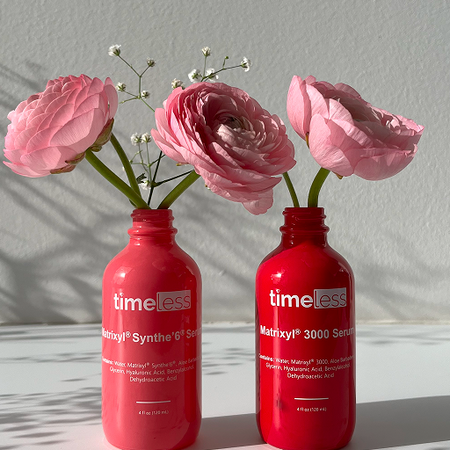
Peptides may help support the appearance of firmness. Matrixyl 3000 and Matrixyl Synthe'6 are discussed in terms of the appearance of elasticity, smoothness, fine lines, and wrinkles. The Matrixyl® 3000 Serum is in the Peptides category.
Vitamin B5 is another valuable evening ingredient. As calcium pantothenate, vitamin B5 supports the skin barrier and helps the skin retain moisture. It helps the skin feel more comfortable. For more information, read what vitamin B5 is used for in skincare.
Step 5: Hydrating Serums
If your skin experiences dryness, follow your targeted treatment with a humectant layer. Sodium hyaluronate, the sodium salt of hyaluronic acid, helps support hydration in the upper layers of the epidermis. Applying humectant serums to slightly damp skin helps attract, bind, and retain water in the outer layers of the skin. It helps improve the appearance of dehydration lines. In the Timeless Skin Care catalog, Hyaluronic Acid 100% Pure is in the Hydration category.
Step 6: Eye Cream
Dab your preferred eye cream around the orbital area. Evening formulas often focus on rich hydration to help the delicate contour around the eyes appear refreshed by morning.
Step 7: Night Cream and Barrier Moisturizer
A nourishing night cream helps reduce moisture loss while you sleep. Nighttime moisturizers are often slightly richer than daytime lotions, featuring ceramides, fatty acids, and squalane.
Step 8: Facial Oil (Optional)
If your skin is exceptionally dry or exposed to low indoor humidity, finishing with a few drops of plant oil can add an extra layer of comfort over your moisturizer. Warm two to three drops between your palms and gently press them over your cheeks and forehead.
How to Layer Multiple Active Ingredients
Many skincare enthusiasts use more than one active ingredient. Combining targeted products requires thoughtful placement to avoid unwanted irritation.
| Active Ingredient | Ideal Routine Placement | Also Used in Routines With |
|---|---|---|
| Vitamin C (L-Ascorbic) | Morning, on clean skin | Vitamin E, Ferulic Acid, Hyaluronic Acid |
| CoQ10 (Ubiquinone) | Morning or evening serum step, generally once daily | Peptides, Hyaluronic Acid, Moisturizers |
| Peptides | Morning or evening, after cleansing or toning | Vitamin B5, Hyaluronic Acid, Ceramides |
| Vitamin B5 | Morning or evening, hydrating serum step | Hyaluronic Acid, Peptides, Retinoids |
| Exfoliating Acids (AHAs / BHAs) | Evening, after cleansing 1 to 3 times weekly | Simple hydrators and moisturizers |
Managing Ingredient Stability and Formulations
Certain active ingredients work best under specific formulation conditions. L-ascorbic acid is used in an acidic formulation and is sensitive to air, light, and heat. It is commonly applied directly to bare skin after cleansing and drying your face.
Keep in mind that high-potency ingredients can oxidize over time when exposed to air, heat, and light. An oxidized serum gradually loses potency and may increase the likelihood of irritation for some individuals. Storing sensitive serums in a cool, dark place helps preserve their freshness.
Alternating Routines vs. Stacking
You do not need to apply every serum in a single session. If you enjoy using multiple active ingredients, alternating them across different times of day or different days of the week is a practical strategy. Our skincare quiz can help organize a routine around your preferences.
- Split by time of day: Use your vitamin C serum in the morning. It supports the skin's antioxidant defenses. Reserve peptides or retinoids for the evening.
- Rotate by evening: Use an exfoliating acid serum on Monday and Thursday nights, while dedicating Tuesday, Wednesday, and weekend evenings to barrier support with vitamin B5 and humectants.
Individual skin tolerance varies significantly. If you have a known skin sensitivity or a diagnosed condition, consult your dermatologist before introducing several concentrated ingredients into the same routine.
Realistic Expectations and Consistency
Building an effective skincare routine is an investment in long-term skin care, not an overnight transformation. Hyaluronic acid helps support hydration in the upper layers of the epidermis. It helps improve the appearance of dehydration lines. Other cosmetic changes can develop gradually over time.
Visible improvements in the appearance of fine lines, tone clarity, and overall firmness can develop gradually with consistent application.
Factors such as climate, sleep quality, stress levels, genetics, and dietary hydration all influence how your skin responds. Adjust your products seasonally as humidity shifts, listen to how your skin feels each week, and prioritize consistency over complexity. A simple routine applied consistently can be easier to maintain than an elaborate regimen used only occasionally. The DIY Build Your Kit collection is a Timeless Skin Care collection.
Bottom line: Visible improvements in skin tone, smoothness, and fine lines can take consistent daily care. Stay patient, keep your routine structured from thinnest to thickest, and use daily sunscreen.
Frequently Asked Questions
What is the most important step in a morning skincare routine?
While thorough cleansing and hydration are valuable, broad-spectrum sunscreen is the single most important step in any daytime skincare routine. Daily UV exposure contributes to visible signs of aging, uneven skin tone, and visible skin damage. Sunscreen should always be applied as the final step of your morning routine before makeup.
How long should I wait between applying different skincare steps?
For most products, you only need to wait a few seconds until the liquid has absorbed and no longer feels wet on the surface before moving to the next layer. Follow product directions when a formula calls for a particular wait time.
Can I use a vitamin C serum and a peptide serum in the same routine?
Yes, you can use both ingredients within the same regimen. If your vitamin C serum is a lightweight, water-based formula with an acidic pH, apply it first onto clean skin. Once it has settled, follow with your peptide serum before applying your daily moisturizer.
What should I do if my skincare products start pilling?
Pilling occurs when products ball up into tiny flakes on the skin instead of absorbing. This usually happens when formulas are layered out of order, when too much product is applied at once, or when silicone-heavy products are layered directly over oil-based treatments. To prevent pilling, apply products from thinnest to thickest consistency, use moderate amounts, and allow each layer a moment to sink in before applying the next.