Introduction
At the end of a long day, putting together an evening regimen can feel overwhelming. You might wonder which formula goes first, how long to wait between steps, or whether you need a complex lineup at all. Getting your nighttime skincare routine order right can help keep your routine organized and comfortable.
Your skin experiences different demands throughout a 24-hour cycle. During the day, the primary goal is environmental defense against dirt, sun, and pollution. At night, the focus shifts toward hydration and barrier maintenance. Applying your evening products in a consistent sequence puts water-based products before richer emollients.
Founded in 2009 by Veronica Pedersen, Timeless Skin Care focuses on clean formulas with active ingredients made in the USA in small batches. This guide breaks down the essential evening sequence, explains how key ingredients are commonly layered, and helps you organize your routine around your skin goals.
Why the Order of Your Evening Routine Matters
Layering products randomly can make a routine feel less comfortable. Starting with a dense oil or heavy cream can make it harder to layer lighter water-based serums. Following a logical structure from thinner to thicker textures keeps the routine organized.
The general rule of thumb considers viscosity and solubility. Water-soluble formulas are generally used earlier, while oil-based formulas are generally used later.
Quick Answer: Apply evening products from the lightest consistency to the richest texture: cleanse first, apply targeted water-based serums next, and finish with moisturizer.
Structuring your products thoughtfully can support surface hydration and help your skin feel balanced until morning.


The Step-by-Step Night Time Skincare Routine Order
Building a nighttime regimen does not require a dozen complicated steps. A consistent, well-ordered process can keep the routine manageable without overburdening your skin. If you need help organizing products for your skin goals, the DIY Build Your Kit collection is one way to organize a lineup.
Step 1: Remove Makeup and Sunscreen
Your evening routine begins by clearing away the accumulation of the day. Long-wear makeup, silicones, and mineral sunscreens are designed to cling to the skin. An initial cleansing oil, balm, or micellar water breaks down these stubborn surface elements.
Massage your initial oil-based product onto dry skin to dissolve cosmetic pigments and excess sebum. Rinse with lukewarm water before moving straight to your water-based wash.
Step 2: Water-Based Cleanser
The second wash removes remaining residue from the skin. A gentle water-based gel or foaming wash removes water-soluble debris, residual grime, and leftover cleansing oil.
Work the cleanser between damp hands to create a light lather. Massage your face using circular motions for roughly 30 to 60 seconds. Rinse thoroughly with lukewarm water and gently pat your skin dry with a clean towel. Avoid aggressive scrubbing, which can disrupt the skin barrier.
Step 3: Exfoliating Toner or Liquid (2 to 3 Nights Weekly)
Chemical exfoliants such as alpha hydroxy acids (AHAs) or beta hydroxy acids (BHAs) help remove dead surface cells. Applying an exfoliating liquid directly after cleansing allows it to work on clean skin.
Limit exfoliating acids to two or three evenings per week to prevent irritation. On nights when you exfoliate, skip other potent actives like retinoids to keep your routine balanced.
Step 4: Eye Cream
The skin around the orbital bone is noticeably thinner than the rest of the face. Applying an eye formula before heavier face creams follows the lighter-to-richer order.
Use a small amount. Gently tap the cream along the orbital bone using your ring finger. Take care to avoid applying product directly along the lash line or inside the eye. Our Dark Circle Peptide Complex Eye Cream is another eye cream option.
Step 5: Lightweight Serums and Targeted Actives
Serums are commonly applied after cleansing. If you use multiple serums, apply them in order of density, starting with the most watery liquid and moving to slightly thicker gels.
- Apply thin, water-based hydrators first. An ingredient like hyaluronic acid helps attract, bind, and retain water in the outer layers of the skin.
- Layer specialty treatments next, such as peptide formulas, which may help support the appearance of firmness.
- Finish with oil-soluble serums or emulsion treatments if your routine includes them.
Allow each layer 30 to 60 seconds to absorb so your skin does not feel tacky before the next step. The anti-wrinkle serums collection includes additional serum options for this part of a routine.
Step 6: Moisturizer and Night Cream
A nighttime moisturizer helps reduce transepidermal water loss (TEWL). Many moisturizers contain emollients and occlusive agents.
Smooth it evenly across your face, neck, and chest.
Step 7: Facial Oil (Optional)
If your skin feels particularly dry or dehydrated, you can finish your evening routine with a few drops of facial oil. Because oils are lipid-based, they are commonly placed after moisturizer.
Warm the oil between your palms. Press your hands gently onto your cheeks, forehead, and jawline rather than rubbing vigorously.
| Routine Step | Main Function | Texture Profile | Application Frequency |
|---|---|---|---|
| 1. First Cleanse | Dissolves makeup and sunscreen | Oil, balm, or micellar | Daily (PM) |
| 2. Second Cleanse | Clears sweat and water-soluble grime | Gel or gentle foam | Daily (AM/PM) |
| 3. Exfoliant | Clears surface dead cells | Liquid or light tonic | 2 to 3 times weekly |
| 4. Eye Care | Conditions delicate orbital area | Light cream or gel | Daily (PM) |
| 5. Serums | Targets specific cosmetic goals | Watery to light gel | Daily (PM) |
| 6. Moisturizer | Helps reduce moisture loss | Lotion or rich cream | Daily (PM) |
| 7. Facial Oil | Extra surface lipid support | Botanical oil blend | As needed |
Key Nighttime Ingredients and How to Layer Them
Selecting the right active ingredients makes your nighttime routine purposeful. Understanding how these ingredients are commonly layered can help you organize them.
Key Takeaway: Water-based hydrators are generally applied before lipid-based ingredients, which are used nearer the end of a routine.
Hyaluronic Acid and Hydrators
Hyaluronic acid is a naturally occurring sugar molecule known as a humectant. It helps support hydration in the upper layers of the epidermis and helps improve the appearance of dehydration lines.
Apply it to slightly damp skin for a comfortable finish. Follow it with an emollient lotion. Hyaluronic Acid 100% Pure is a hyaluronic acid serum.
Peptides
Peptides may help support the appearance of firmness.
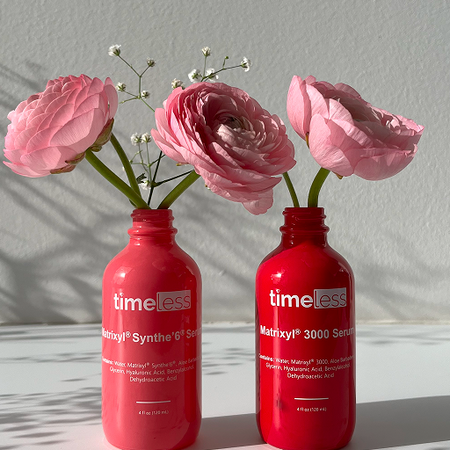
Peptide serums can be layered with hydrating ingredients. To learn more about Matrixyl® ingredients, read Matrixyl Synthe'6 vs. Matrixyl 3000.
Antioxidants
While many people associate antioxidant serums with morning use, some are also used in evening routines. CoQ10 provides antioxidant support as the skin's natural CoQ10 levels decline with age. CoQ10 supports firmer-looking skin. CoQ10 helps improve the appearance of fine lines.
If you have vitiligo, check with your dermatologist before using a CoQ10 product. Learn more about coenzyme Q10.
Vitamin B5
Vitamin B5 is often found in topical products as calcium pantothenate. Vitamin B5 supports the skin barrier and helps the skin retain moisture. It helps the skin feel more comfortable.
Layering a B5 formula under your night cream is one way to organize an evening routine.
Customizing Your Evening Steps by Skin Type
Every complexion has individual needs based on oil production, barrier resilience, and sensitivity. Adjusting your evening steps can support a comfortable routine.
Oily and Blemish-Prone Skin
Oily skin still requires hydration and barrier support. Stripping the skin with aggressive washes can lead to surface dehydration, which makes oiliness look more pronounced.
- Use a gentle foaming cleanser that rinses cleanly without leaving a tight residue.
- Incorporate a low-strength BHA liquid twice weekly to keep pores clear of debris.
- Choose lightweight, water-based serums over heavy oils.
- Finish with an oil-free gel moisturizer to hydrate without heaviness.
Dry and Mature Skin
Dry skin lacks sufficient natural lipids, making it prone to flaking, tightness, and prominent dehydration lines.
- Choose a nourishing cream or milky cleanser for your second wash.
- Layer multiple hydrating serums, such as hyaluronic acid followed by a peptide formula.
- Use a rich night cream containing ceramides and fatty acids.
- Add facial oil over your night cream during colder seasons.
Combination Skin
Combination skin features an oily T-zone alongside normal or dry cheeks. Zone-specific layering provides the right balance across different areas.
- Double cleanse thoroughly around the nose and forehead to clear surface oils.
- Apply a lightweight hydrating serum across your entire face.
- Use a medium-weight lotion overall, adding an extra dab of cream only to dry zones.
Managing Expectations and Application Habits
Skincare changes require patience and steady consistency. No single product changes the appearance of your complexion overnight.
Consistent moisturizer use can leave skin feeling softer and less tight. The look of fine lines, overall firmness, and skin tone can change gradually with regular application. Factors such as sleep quality, water intake, daily stress, and climate also influence how your skin appears.
Maintain clean habits while applying your nighttime products:
- Wash your hands thoroughly before touching your face or dipping into jars.
- Keep product droppers away from direct contact with your skin.
- Change your pillowcases weekly to reduce the buildup of hair oils and laundry residue.
- Always finish your morning routine the next day with a broad-spectrum sunscreen rated SPF 30 or higher, especially when using nighttime exfoliants.
Frequently Asked Questions
What is the correct order for a simple 3-step night routine?
If you prefer a minimal evening routine, the essential order is cleansing, applying a serum, and moisturizing. Start with a gentle cleanser to remove the day's dirt and sunscreen. Apply your targeted serum next to address your main skin concern. Finish with a layer of moisturizer. A moisturizer helps reduce moisture loss while you sleep.
Should I apply serums to wet or dry skin at night?
Water-based humectants like hyaluronic acid apply best to slightly damp skin, as they help attract, bind, and retain water in the outer layers of the skin. Exfoliating acids and retinoids are generally applied to completely dry skin.
How long should I wait between each skincare step?
Most liquid toners and hydrating serums need only 30 to 60 seconds to settle into the skin before you apply the next layer. If you are applying an exfoliating acid, you may want to wait one to two minutes until the skin feels dry to the touch before layering your moisturizer. Listening to your skin texture is more important than timing every step precisely.
Can I use the same moisturizer for day and night?
You can use the same basic moisturizer for morning and evening, provided it does not contain sunscreen filters. Sunscreen filters are generally unnecessary while you sleep. Many people choose a lighter lotion for daytime wear under makeup and a richer, more emollient cream at night. A richer, more emollient cream at night helps reduce transepidermal water loss (TEWL).